Premier League clubs smash £3bn spending barrier in record window
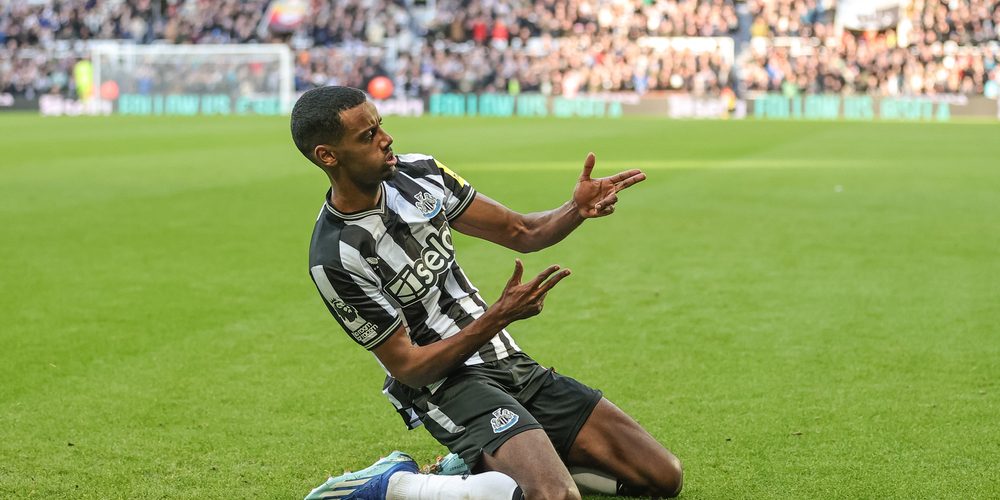
- Summer spending reached £3.087bn, breaking all previous records, with Alexander Isak’s £125m move from Newcastle to Liverpool the standout deal.
- Liverpool topped the charts with £415m invested, a single-window record, while Chelsea and Arsenal also surpassed £250m.
- Spending by Premier League clubs dwarfed that of Europe’s other top leagues, with La Liga, Serie A, Bundesliga and Ligue 1 effectively reduced to feeder competitions.
Premier League clubs have smashed through the £3bn barrier for the first time in history, completing a record-breaking summer transfer window that left Europe trailing in their financial wake.
By 31 August, the total outlay stood at £2.73bn. But deadline day deals, most notably Alexander Isak’s £125m move from Newcastle to Liverpool, pushed the figure to £3.087bn. It is more than was spent in Germany, Spain, Italy and France combined. Last year’s total of £1.96bn has been obliterated.
Liverpool’s aggressive business dominated the summer. Having been relatively quiet in Arne Slot’s first window in charge, they turned heads with a £415m spree, the most ever spent by one club in a single window. Isak’s capture was added to a roster that already included Florian Wirtz (£116m from Bayer Leverkusen), Hugo Ekitike (£79m from Eintracht Frankfurt), Jeremie Frimpong (£29.5m from Leverkusen), Giorgi Mamardashvili (£29m from Valencia) and Giovanni Leoni (£26m from Parma).
Former England goalkeeper Joe Hart told BBC Radio 5 Live’s Monday Night Club: “A humongous flex by Liverpool. The moves and the money they have spent is phenomenal and they have brought in some brilliant players.”
Chelsea and Arsenal also invested heavily, spending £285m and £255m respectively, though the Blues balanced their books with £288m in player sales, ending with a small net profit. Arsenal managed just £9m in sales, leaving a net spend of £246m.
Manchester United were more measured but still signed striker Benjamin Sesko from RB Leipzig for £73.7m, while Fulham made a statement by spending £34.6m on Brazilian winger Kevin from Shakhtar Donetsk. Tottenham secured Paris Saint-Germain striker Randal Kolo Muani on loan, and Arsenal added Bayer Leverkusen defender Piero Hincapie.
Newcastle, having lost Isak to Liverpool, quickly reinvested £55m in Yoane Wissa from Brentford. Manchester United added Belgian goalkeeper Senne Lammens for £18.1m and loaned out Jadon Sancho to Aston Villa, who also took Harvey Elliott from Liverpool with a buy option.
The record spending was not confined to established giants. Newly promoted Sunderland spent £162m, the eighth-highest total in the league and more than Manchester City’s confirmed £152m outlay. They secured Ajax forwards Brian Brobbey and Bertrand Traore, along with RB Leipzig defender Lutsharel Geertruida on loan.
“In the last couple of years the promoted clubs have gone straight back down,” said former Premier League striker Chris Sutton. “I’m astonished by Sunderland’s spending, but they have given themselves an opportunity of staying up.”
Burnley and Leeds each invested around £100m, more than Aston Villa, Brentford, Crystal Palace or Fulham, as they also bid to avoid the fate of immediate relegation.
Beyond England, the contrast was stark. According to Paul MacDonald of FootballTransfers.com: “We are reaching a situation where the Premier League spending is so far ahead of the others and is so essential to the transfer market ecosystem, that the remaining ‘big five’ competitions are becoming feeder leagues. La Liga, Serie A, Bundesliga and Ligue 1 all spent this summer, but it was money they had already generated from sales. Put simply there is the ‘Big One’ – the Premier League is such a behemoth it should no longer really be categorised with the other leagues in Europe.”
With two months of frenetic trading closed, the message is clear: the Premier League is not only the most-watched league in the world but also the one setting the financial agenda, widening the gulf with its European peers.

Leave a Comment
More in News

Emery: Watkins Apologised For Refusing To Play Before Emotional Villa Exit
Pierre Sage Says He Is Not at an Attraction Park After Painful First Defeat at Crystal Palace

Liverpool Reach £120m Agreement in Principle to Sign PSG Forward Bradley Barcola
Xabi Alonso Refuses to Rule Out Enzo Fernandez Exit as Manchester City Prepare Fresh Bid

Manchester City Complete Record £86m Deal for Teenage Midfielder Ayyoub Bouaddi
Trending on Futbol Chronicle
Why Soccer Is The Best Sport
Arab football federations back Gianni Infantino as FIFA president faces growing opposition

The Best World Cup YouTubers to Follow in 2026

The Best Soccer Players of All Time: The 10 Greatest Ever Ranked