River Plate reveals 101,000 seat Monumental expansion plan
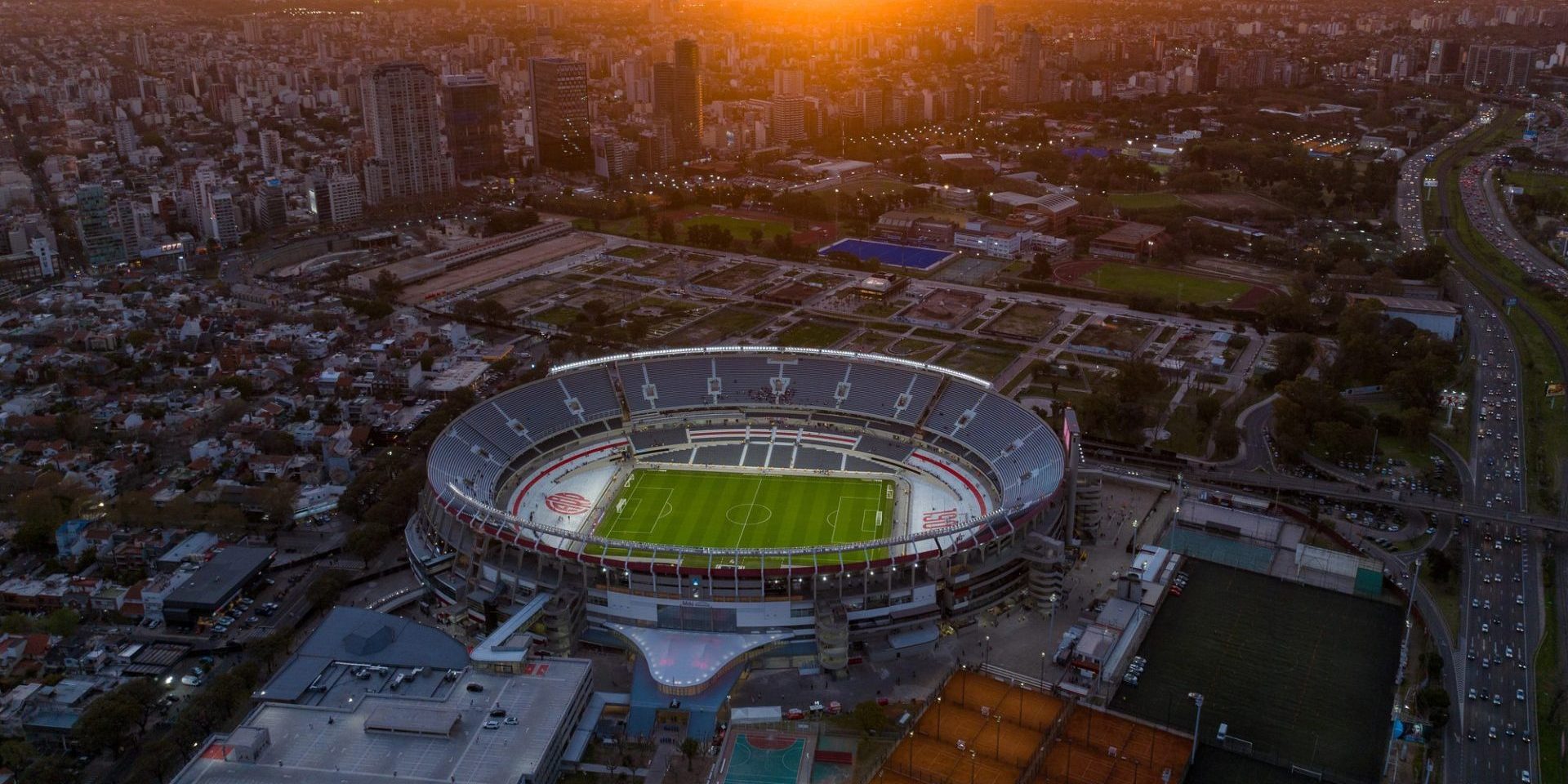
- River Plate says the Monumental will grow to 101,000 capacity, with a roof planned over the stands
- The club expects the project to cost more than $100 million and take about 36 months, starting in April
- River says the upgrade is aimed at finishing in time for Argentina co-hosting the 2030 World Cup
River Plate has announced a major redevelopment of the Estadio Monumental that will lift capacity to 101,000 spectators, turning it into one of the biggest football stadiums on the planet.
“It is a historic day,” River president Stefano Di Carlo said in a video posted on Instagram, outlining plans that include adding a roof over the stands.
The Monumental, which regularly hosts Argentina’s national team, would become the second-largest club stadium in world football once the expansion is completed. It would sit behind Barcelona’s Nou Camp, which is projected to reach 105,000 when its rebuild is finished.
River’s plan adds 16,000 seats to the current 85,000, with the overall cost expected to exceed $100 million. Construction is scheduled to begin in April, and the club has set an “approximate timeframe of 36 months” for the work.
River said it is partnering with a German engineering firm on the roof element of the project, pointing to the company’s track record in stadium design.
“Over the last year, River Plate worked alongside Schlaich Bergermann Partner (SBP), the world-leading German engineering firm for large stadium roofs, responsible for iconic projects such as the Riyadh Air Metropolitano, Tottenham Hotspur Stadium, Allianz Arena, Maracanã, and the Santiago Bernabéu, among others,” the club said in a statement.
Di Carlo added that the redevelopment will be financed through long term international loans, with River planning to repay that debt through increased revenue once the venue is upgraded, including income from sporting events and concerts.
“River Plate continues its path of modernization, growth, and historic leadership in sports infrastructure, consolidating the stadium as the largest and most important in the Americas and a global benchmark,” Di Carlo said.

Leave a Comment
More in News

Alejandro Garnacho Has Played Just 31 Minutes for Aston Villa This Season
Mourinho Blasts Referee After Atletico Avoid Two Red Cards in Madrid Derby

Cole Palmer Withdraws From England Squad as Gibbs-White Returns Again
Marseille Fans Turn on Owner McCourt as Gomes Can’t Prevent Fifth Straight Loss

Juventus Fans Turn Backs on Silence for Mazzola, Club Slams ‘Lack of Respect’
Trending on Futbol Chronicle
The Best Soccer Players of All Time: The 10 Greatest Ever Ranked
What Is The Club World Cup?
Cristian Romero completes €40m move from Tottenham to Atlético Madrid
Celta Vigo postpones LaLiga opener after fungus outbreak damages stadium pitch