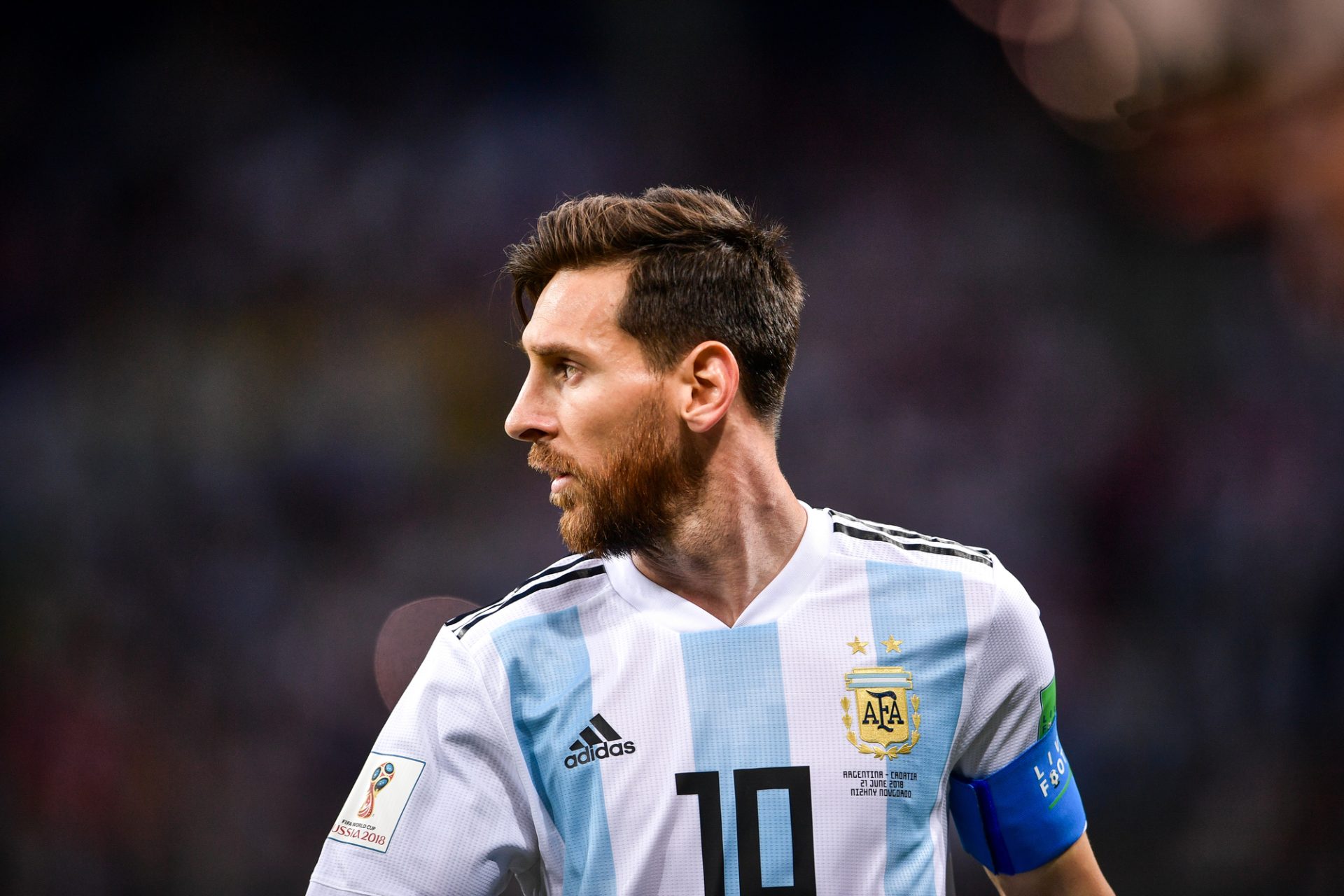
Infantino calls emergency FIFA meeting as pressure grows over abandoned World Cup investment plan
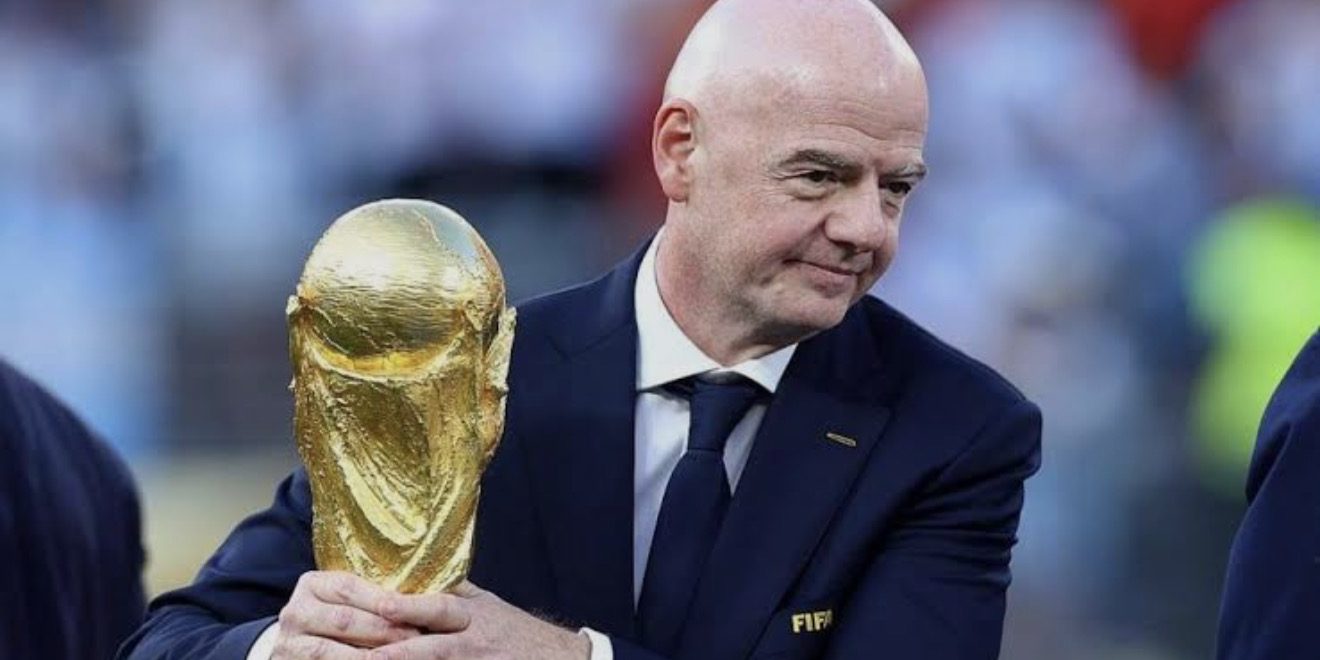

- Gianni Infantino has called an emergency meeting of FIFA’s senior leadership in Rabat as opposition to his leadership continues to build.
- UEFA’s legal action remains under consideration, while efforts continue to force a FIFA Council meeting over the abandoned World Cup investment proposal.
- Arsène Wenger has backed the decision to withdraw the project, insisting FIFA must remain independent and operate with transparency.
Gianni Infantino has called an emergency meeting of FIFA’s senior leadership in Rabat on Wednesday as the fallout from the abandoned World Cup investment proposal continues to intensify.
The Press Association understands the meeting will bring together FIFA’s executive leadership after a week that has placed the organisation under unprecedented political and governance pressure.
Secretary general Mattias Grafström is expected to attend alongside members of FIFA’s management board, including chief of staff Daniel O’Toole, chief legal officer Emilio Garcia Silvero, chief of member associations Elkhan Mammadov, human resources chief Kimberly Morris, media director Bryan Swanson and communications director David Farrelly.
The meeting was arranged after the weekend following the collapse of Infantino’s proposal to sell a minority stake in FIFA Forward Enterprise, the commercial company that would have managed the governing body’s flagship competitions, including the FIFA World Cup.
The proposal prompted fierce opposition across world football before FIFA officially withdrew the project on Saturday.
Former Arsenal manager Arsène Wenger, FIFA’s chief of global football development, also broke his silence on Tuesday.
Wenger distanced himself from the proposal and welcomed FIFA’s decision to abandon the project.
“I was not involved,” Wenger said.
“The decision to withdraw it was absolutely necessary and beyond question.”
He added: “I firmly believe in an independent FIFA that serves our game with commitment, transparency, and integrity.”
According to the Press Association, Grafström also contacted FIFA staff following the withdrawal of the proposal.
In an email, he described the past week as a “sad and reproachable series of events” and thanked employees for their work during the World Cup despite the uncertainty surrounding the organisation.
Grafström acknowledged staff had been “thrown into the middle of a turmoil” before assuring them they would be protected from the political issues affecting FIFA.
“Individuals, unstable moments and unfortunate episodes come and go,” he wrote.
“The institution, its mission and its responsibility towards world football continue.”
The proposal first emerged in reports published by The Times and the Financial Times before FIFA later confirmed elements of the plan.
Its most controversial feature was the proposed sale of a 20 percent stake in FIFA Forward Enterprise to private investors.
UEFA, Concacaf and the Asian Football Confederation all rejected the proposal.
UEFA also threatened to boycott FIFA competitions, including the men’s and women’s World Cups, unless the project was abandoned.
Although FIFA later withdrew the proposal, UEFA has maintained its criticism of Infantino’s leadership.
European football’s governing body has said it has “lost confidence” in the FIFA president, while several national associations, including England and Wales, have formally withdrawn their support.
The Scottish Football Association is also understood to support UEFA’s position.
Pressure is also increasing inside FIFA.
According to the Press Association, discussions are continuing among FIFA Council members to secure the 19 votes required to formally request a Council meeting to question Infantino over both the investment proposal and his handling of the Folarin Balogun disciplinary case.
If sufficient support cannot be secured, or if Infantino refuses such a meeting, Council members opposed to the FIFA president are reportedly prepared to stage what has been described as a governance boycott that would effectively prevent FIFA from functioning.
The political divisions extend beyond Europe.
While associations across Africa, South America and Oceania are expected to continue backing Infantino, support across Asia has become increasingly divided.
National associations including Qatar, the United Arab Emirates, Sri Lanka and Lebanon have publicly supported the FIFA president.
Jordan has taken the opposite position.
Jordan Football Association president Prince Ali Bin Al Hussein accused FIFA of attempting to influence his support by linking financial payments to his vote for Infantino.
Prince Ali alleged on social media platform X that FIFA told him during the World Cup his association would receive outstanding funds if he supported the FIFA president.
FIFA has acknowledged Prince Ali’s comments but has not responded publicly.
UEFA is also continuing to explore legal action over the abandoned proposal.
Lawyers acting on behalf of the European governing body have instructed Infantino and senior FIFA officials to preserve all documents connected to the FIFA Forward Enterprise project as preparations continue for potential legal proceedings.

Leave a Comment
More in News

Jude Bellingham Broke England’s World Cup Scoring Record This Summer and Has Now Been Named Player of the Year for the Second Year Running

Switzerland’s 152-Cap Captain Granit Xhaka and Breel Embolo Have Both Been Dropped From the Nations League Squad Over Fake Covid Documents

Over 160 Irish Athletes Wanted Ireland to Boycott Israel, but Heimir Hallgrimsson Says His Team Is Playing Against Genocide Instead

Klopp Returns to the Touchline as Van Dijk Vows to Ruin His Germany Debut

Kobbie Mainoo and Marcus Rashford Were Both Hauled Off in the Same Match, and Now Thomas Tuchel Has 48 Hours to Rebuild His England Midfield Before Facing World Champions Spain
Trending on Futbol Chronicle
Cristian Romero completes €40m move from Tottenham to Atlético Madrid
Why Soccer Is The Best Sport
What Is Offsides in Soccer? The Offside Rule Fully Explained
Map of All the Premier League Teams for 2025/26