Michael Duff Sacked by Wycombe Wanderers Less Than a Year After Taking Over
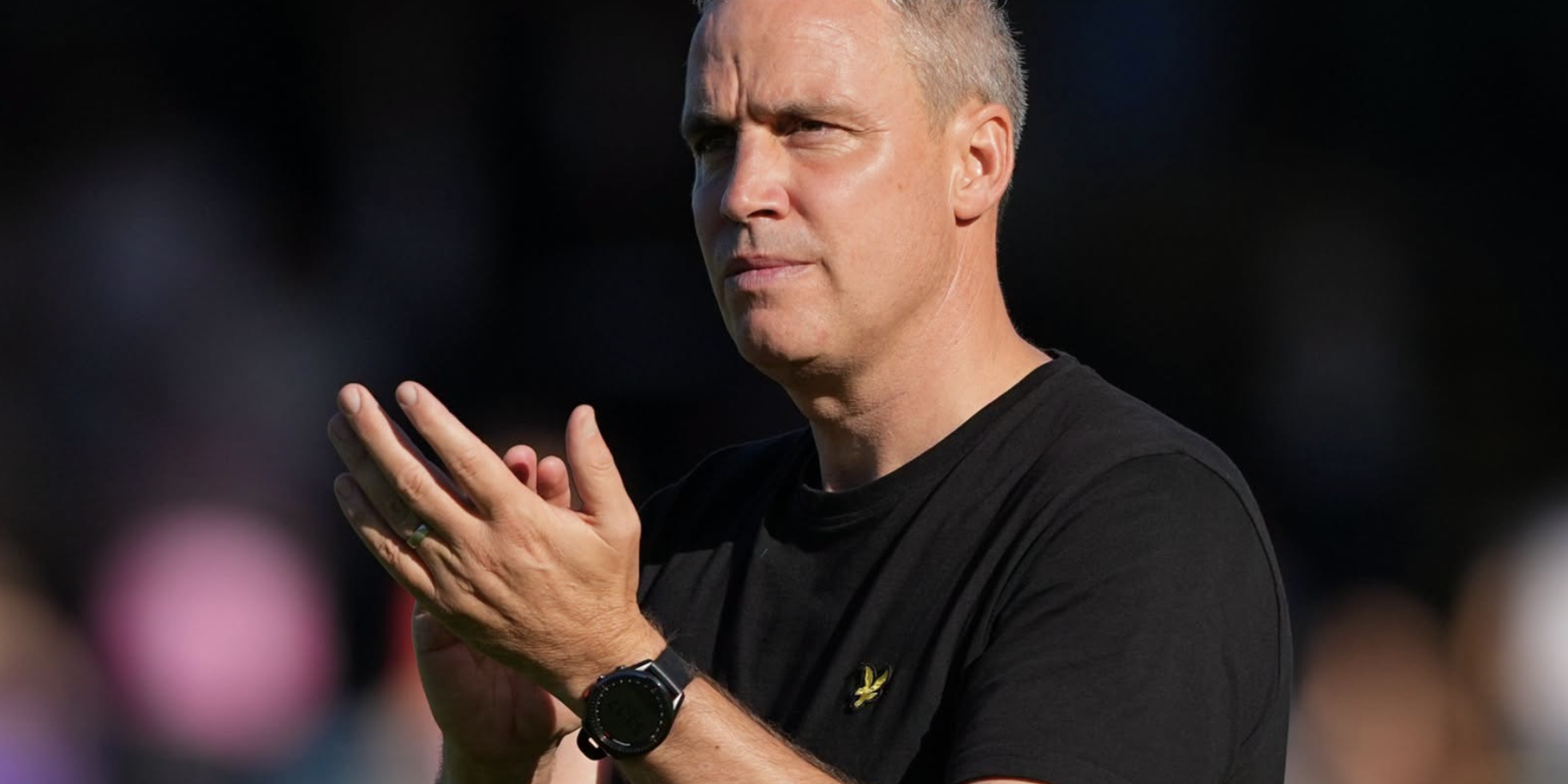

Table of Contents
- Wycombe Wanderers have sacked head coach Michael Duff and first-team coach Alex Morris after picking up just three points from their opening five League One games.
- The decision came a day after the FA charged Duff with misconduct over a red card shown to him at the final whistle of a 2-1 win for Sheffield Wednesday.
- Duff, who also managed Barnsley and Huddersfield Town, had been in charge at Adams Park for less than a year and becomes the first head coach in England’s top four divisions to lose his job this season.
A Red Card, a Charge, and Then the Sack
Michael Duff walked off at full time against Sheffield Wednesday with a red card against his name. Seven days later, he was out of a job.
Wycombe Wanderers confirmed on Tuesday that they had parted company with their head coach and his assistant, Alex Morris, ending a spell that began less than a year ago and never recovered from a start that produced three points from a possible fifteen. Duff becomes the first head coach in England’s top four divisions to lose his job this season, a sacking that arrived faster and earlier in the calendar than almost anyone at Adams Park would have predicted back in August.
Three Points From Five Games Left Wycombe Second From Bottom
The numbers tell their own story. Wycombe have won none of their five League One fixtures this season, drawing three and losing two, and sit second from bottom of the table on three points. Wycombe are ahead of only Wigan Athletic on goal difference, while Doncaster Rovers, also on three points, sit just above them thanks to a healthier goal difference. Wycombe have scored seven goals and conceded twelve, a return that would have alarmed the board regardless of who was picking the team.
The campaign opened with a 5-1 defeat at Stockport County, a result that set the tone for what followed. It got worse on September 1, when Wycombe were beaten 2-1 at home by Sheffield Wednesday, a game that ended with Duff sent to the stands. Four days later, Wycombe drew 3-3 with Milton Keynes Dons at Adams Park, a scrappy, end-to-end result that did nothing to settle the mood around the club. Three draws in five games is not, on its own, a relegation-form return, but combined with two heavy defeats and a manager facing disciplinary action, it was enough for the board to move.
The FA Charge That Preceded the Sacking
The dismissal followed directly from that red card. The Football Association charged Duff with misconduct, alleging he had used “abusive and/or insulting words” at a match official after the final whistle of the loss to Sheffield Wednesday. Wycombe removed him from his post the day after that charge was made public, a sequence of events that left little room for the club to treat the incident as separate from the results around it.
In a short statement, Wycombe said: “Wycombe Wanderers have parted company with Head Coach Michael Duff and First-Team Coach Alex Morris.” The club went on to explain that the run of results it considered disappointing stretched back to the spring, and said the time was right to take a new direction. The statement closed by thanking both men for their contribution. “Everyone at the club would like to thank Michael and Alex for their hard work and contributions to Wycombe Wanderers and wish them every success for the future,” it read.
A Slide That Started Long Before This Season
Wycombe’s own wording, pointing to results going back to the spring, is worth pausing on. This was not a panic reaction to five bad games in August and September. The club had already watched Duff’s team stumble through the closing months of last season, and the poor start to this one was treated as confirmation of a longer decline rather than a one-off dip in form. Boards that move this quickly on a head coach are usually acting on a run that has simply removed any remaining benefit of the doubt built up over a longer stretch.
Duff had taken charge at Adams Park less than a year ago, arriving with a reputation built at Barnsley and Huddersfield Town. He never got a full season to show what he could build. Instead, his time in League One ended with a squad rooted in the bottom four and no win to show for it, and with the added complication of an active misconduct case hanging over his final days in the job. The overlap between the football and the disciplinary case will not have made the decision any easier to time, but it does not appear to have been the trigger on its own.
First Casualty of the Season
Duff’s sacking makes him the first head coach across the top four divisions of English football to lose his job this season, a distinction that says as much about the pressure building at a club like Wycombe as it does about his own results. Clubs at this level rarely give a struggling head coach the luxury of time once a poor run stretches back over two campaigns, and Wycombe’s board decided five winless games was the point at which patience ran out. Being first through that door this season, ahead of clubs with far bigger budgets and far louder crisis talk around them, is not a position any head coach wants to occupy.
Morris, who worked alongside Duff as first-team coach, left at the same time. The pair had been trying to arrest the slide together, and the club’s statement gave no indication that either will be involved in choosing their successor. Wycombe have not named an interim head coach, and the timeline for a permanent appointment has not been set out publicly.
What Wycombe Do Next
Wycombe’s next fixture is away at Leyton Orient on Saturday, and whoever takes charge, whether on an interim basis or as a permanent appointment, will inherit a squad that has scored seven goals and conceded twelve in five league games. That defensive record, as much as the lack of wins, points to problems that go beyond one bad afternoon against Sheffield Wednesday and will need addressing on the training ground rather than in a press statement.
The club also has a Football League Trophy tie against Chelsea’s under-21 side to get through next week, a fixture that will matter far less to supporters than finding a way to stop the bleeding in League One. Wigan Athletic away follows soon after, a match against a fellow bottom-four side that already carries the feel of a game Wycombe cannot afford to lose if they want to close the gap on the teams above them before the table starts to look truly dangerous.
League One is unforgiving about this kind of start. Five games without a win rarely ends a season on its own, but it removes any margin for error heading into autumn, when fixtures against sides also fighting to stay out of the bottom four start to define where a club ends up in May. Wycombe’s board clearly decided that going into that stretch with the same head coach and the same results was too great a risk to take, whatever the timing of the FA charge did to the optics of the decision.
For Duff, the sacking ends a spell that started with promise and finished amid an FA charge and a table that offered no argument in his defence. For Wycombe, the question now is whether removing him fixes a problem the club itself has traced back to the spring, or whether a new head coach walks into the same bottom-four fight with even less time to turn it around. Supporters have seen the club move fast this time. What they have not yet seen is who is being asked to fix it.

Leave a Comment
More in News

Alexis Mac Allister Says He Is ‘Very Sad’ Liverpool Will Not Renew His Contract

Vincent Janssen Scores Hat Trick in First Portland Timbers Start to Rewrite the Club Record Book

Police Launch Investigation After Krystian Bielik Clashes With Teenage Fan at Fratton Park

Morgan Rogers Answers Arsenal Taunts With a Grin After Scoring Inside Two Minutes at the Emirates

Unai Emery Reaches 200 Games as Aston Villa Still Search for a Goal
Trending on Futbol Chronicle
What Is The Club World Cup?
Mikel Arteta backs ‘warrior’ Bruno Guimarães to make Arsenal stronger
Cristian Romero completes €40m move from Tottenham to Atlético Madrid

The Best Soccer Players of All Time: The 10 Greatest Ever Ranked