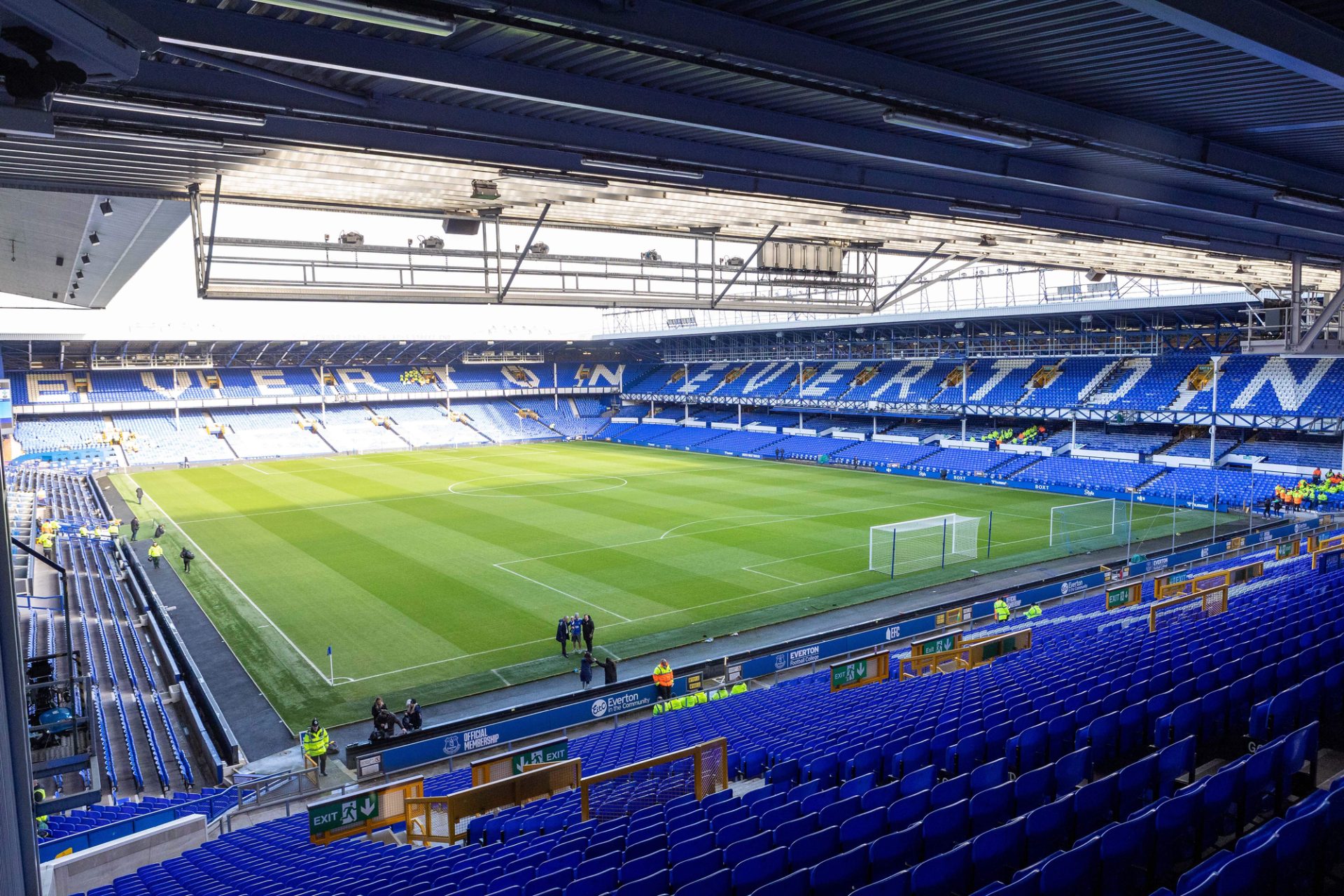
Cole Palmer Missed England’s World Cup Squad This Summer, and His Club Have Just Backed Him With a Deal Running to 2034
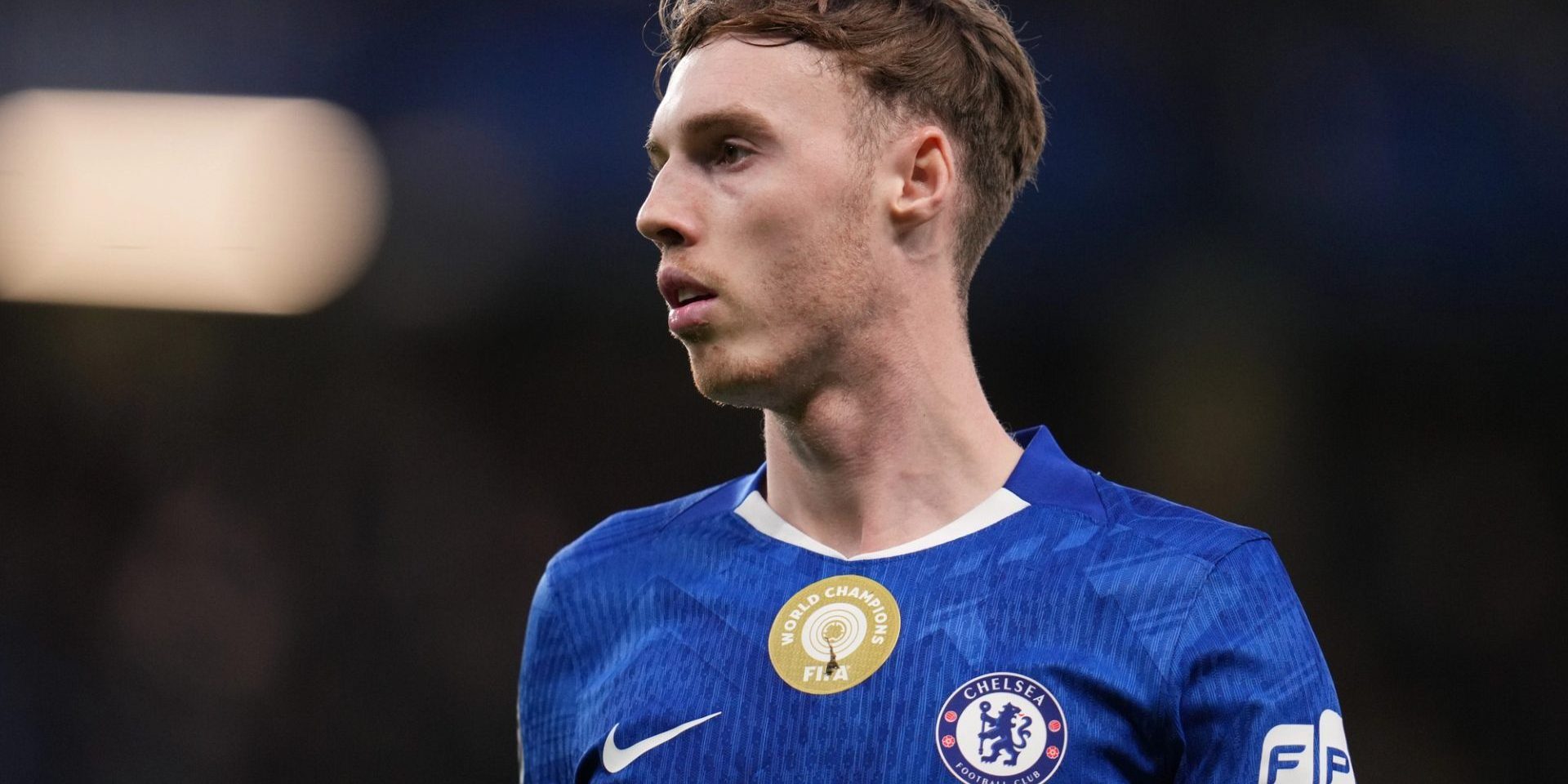

Table of Contents
- Cole Palmer has signed a new Chelsea contract that runs until 2034, upgrading terms on a deal he signed only two years ago.
- The 24-year-old missed England’s World Cup squad this year after playing through a groin injury he later admitted he “probably shouldn’t have” carried on with.
- Only Erling Haaland and two of Palmer’s own teammates, Joao Pedro and Geovany Quenda, are tied to contracts running as long at a Premier League club.
He Played Through the Pain Until the World Cup Was Gone. Now He’s Signed Until 2034
Cole Palmer spent last season carrying a groin injury he had no business playing through. He admitted it himself: he “probably shouldn’t have” kept going. The pain cost him his place in England’s World Cup squad this year, a tournament he had to watch rather than play in. Now, with that same body finally cooperating and four goals and two assists from his opening seven matches, Chelsea have handed him a contract that runs until 2034.
The 24-year-old had only signed his previous deal two years earlier, a contract that had been set to run until 2033. Chelsea have now added another year on improved terms, a reward for performances that have made him one of the club’s most important attacking players and, increasingly, a figure the dressing room looks to off the pitch.
From a £42.5m Bargain to the Longest Contract List in the League
Palmer arrived at Stamford Bridge in 2023 in a £42.5m move from Manchester City, a fee that now looks modest set against what he has become. The new deal puts him alongside a short list of players tied to their clubs until 2034: Haaland at City, and two of Palmer’s own teammates, Joao Pedro and Geovany Quenda. Joao Pedro signed his own extension to 2034 in August, and Pedro Neto put his name to a new six-year contract a month later. Chelsea have made a habit of locking down the players they built their attack around, and Palmer’s renewal fits a pattern rather than standing alone. His new deal arrives against a backdrop of a Chelsea forward line rebuilt almost entirely this summer: Rogers in from Villa, Joao Pedro bedding in after his own move, and Palmer, at just 24, now the senior figure among them.
“Chelsea means a lot to me and I think the club is going in the right direction, so I’m delighted to sign and I’m obviously very happy,” Palmer said. “Speaking to the owners, to the sporting directors and obviously the manager, they gave me a lot of confidence so it was only right to sign.”
He pointed to the dressing room as much as the boardroom. “Speaking to players as well, everyone has the same ambitions. I feel like we win major trophies here consistently and I want to be a part of that and play a big role in it too.”
A World Cup Watched From Home
What makes the timing notable is what Palmer was doing twelve months ago: managing a groin problem he carried through an entire season rather than addressing properly. He had sought specialist advice on whether surgery was needed and chose to keep playing instead. The toll of that decision caught up with him. His lack of availability led to his omission from England’s World Cup squad over the summer, a tournament he had been expected to be part of before his body intervened.
The issue has not fully disappeared. Palmer missed England’s most recent international break, prompting Thomas Tuchel to say he “misses too many opportunities.” Chelsea manager Xabi Alonso struck a more measured tone when asked about his forward’s fitness ahead of Saturday’s game against Bournemouth. “Absolutely. He’s committed, but he needs to be fully fit to play,” Alonso said. “And when he’s fully fit, he will enjoy his minutes. We need him in that moment. The club and the national team. He trained over the past week and has been feeling better, but we didn’t want to rush him.”
Rebuilding a Partnership
On the pitch, Palmer has spent the early weeks of this season rebuilding old and new partnerships. He has developed an understanding with Brazil forward Joao Pedro and rekindled his on-field relationship with Morgan Rogers, a player Palmer has called his “best friend in football,” in the opening months of Alonso’s time as manager. Palmer was among a small group at the club aware of the negotiations that brought Rogers to Chelsea from Aston Villa for a club-record £117m fee this summer, a deal that reshaped the forward line he now plays in.
That attacking talent has not yet turned into results. Alonso’s Chelsea sit 10th in the table after five matches, having conceded 12 goals, a defensive record that sits oddly alongside the money spent on the forward line. Palmer has played more minutes than any other Chelsea player this season, a sign of how much Alonso is leaning on him to drag the team up the table.
A Pattern, Not a One-Off
Palmer’s new terms are the third long extension at Stamford Bridge in as many months. Joao Pedro put pen to paper on a deal running to 2034 in August. Pedro Neto signed a new six-year contract the following month. The club has described the run of renewals as part of a plan to reward both established and emerging players while keeping the wage structure consistent across the squad, rather than letting one marquee signing’s terms distort what everyone else is paid. Put together with Haaland’s own deal at Manchester City, Palmer now sits on one of the small number of contracts in English football that stretch all the way to 2034.
What a Decade-Long Deal Signals
Chelsea’s wave of long contracts, Palmer, Joao Pedro, Pedro Neto, Haaland’s deal across the city, reflects a shift toward tying down key players for as long as the rules allow, partly to protect transfer value and partly to stop rivals circling. For Palmer personally, the deal is a vote of confidence that arrives at an awkward moment: he is still working his way back to full fitness, still absent from the most recent England squad, and still waiting to find out whether Tuchel sees him as a guaranteed starter again.
There is an obvious tension in locking a player to 2034 while he cannot currently get on the pitch for his country. Chelsea’s calculation looks to be that the injury problems of the past year are a passing setback rather than a pattern, and that a fit Palmer is worth protecting for the next decade regardless of the fee required. Alonso’s comments this week, that Palmer is committed and will play once fully fit, read as much as a message to Tuchel as to the player himself.
What the contract does not resolve is the underlying tension of Palmer’s last eighteen months: a player good enough to be handed one of the longest deals in the Premier League, who has twice now had to sit out major football when his body would not hold up. Chelsea have bet a decade on him regardless. Palmer’s job now is to make sure his legs agree with the paperwork.
For England, the stakes are smaller but the question is the same. Tuchel has a World Cup squad to settle and a forward who, on form alone, picks himself. Whether Palmer is fit enough, and trusted enough after a season of managing his own body rather than listening to the people paid to look after it, is a separate matter from whether Chelsea believe in him. The club have made their answer plain with a contract that runs to 2034. The national team’s answer is still being written, one training session at a time.

Leave a Comment
More in News

Bowen’s Saved Penalty Costs West Ham a Shot at Top Spot
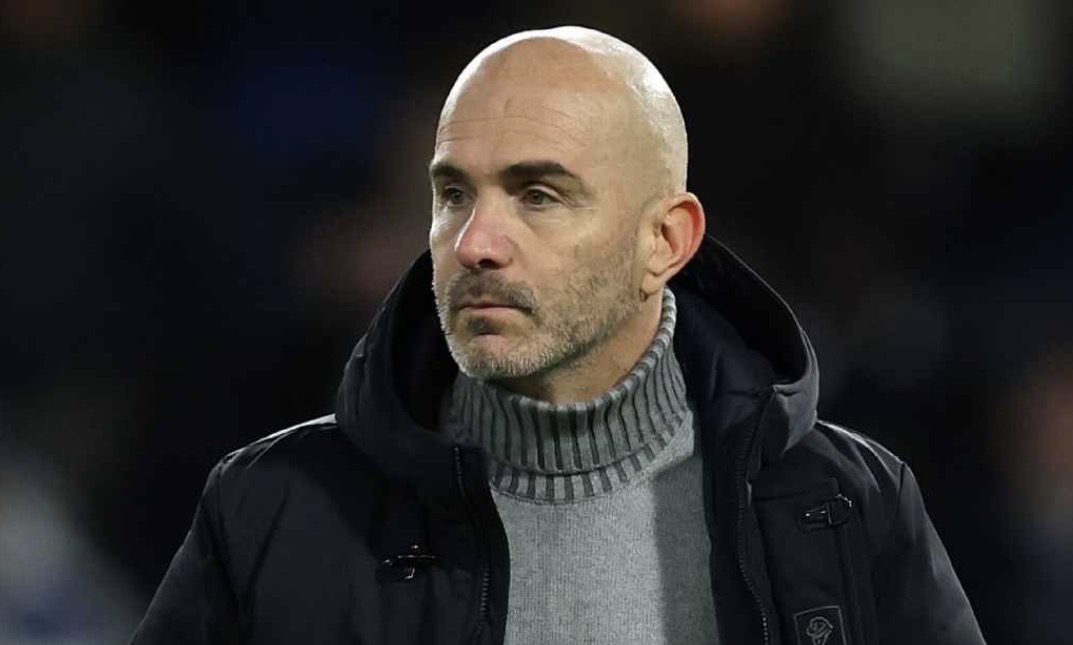
Enzo Maresca Insists Manchester City’s Titles Are Not Tainted After the Club Was Found Guilty on 115 Charges

Michael Carrick Lost Two Title Races to Manchester City, and United Fans Now Mark 50 Years Without a Trophy

Jarell Quansah Was Never Liverpool’s Top Academy Prospect, and He Has Already Won Eight England Caps

Vitor Matos Had Just 12 Games of Management Experience, and Now Swansea Lead the Championship
Trending on Futbol Chronicle
Map of All the Premier League Teams for 2025/26

The Best World Cup YouTubers to Follow in 2026
Cristian Romero completes €40m move from Tottenham to Atlético Madrid

What Is The Club World Cup?