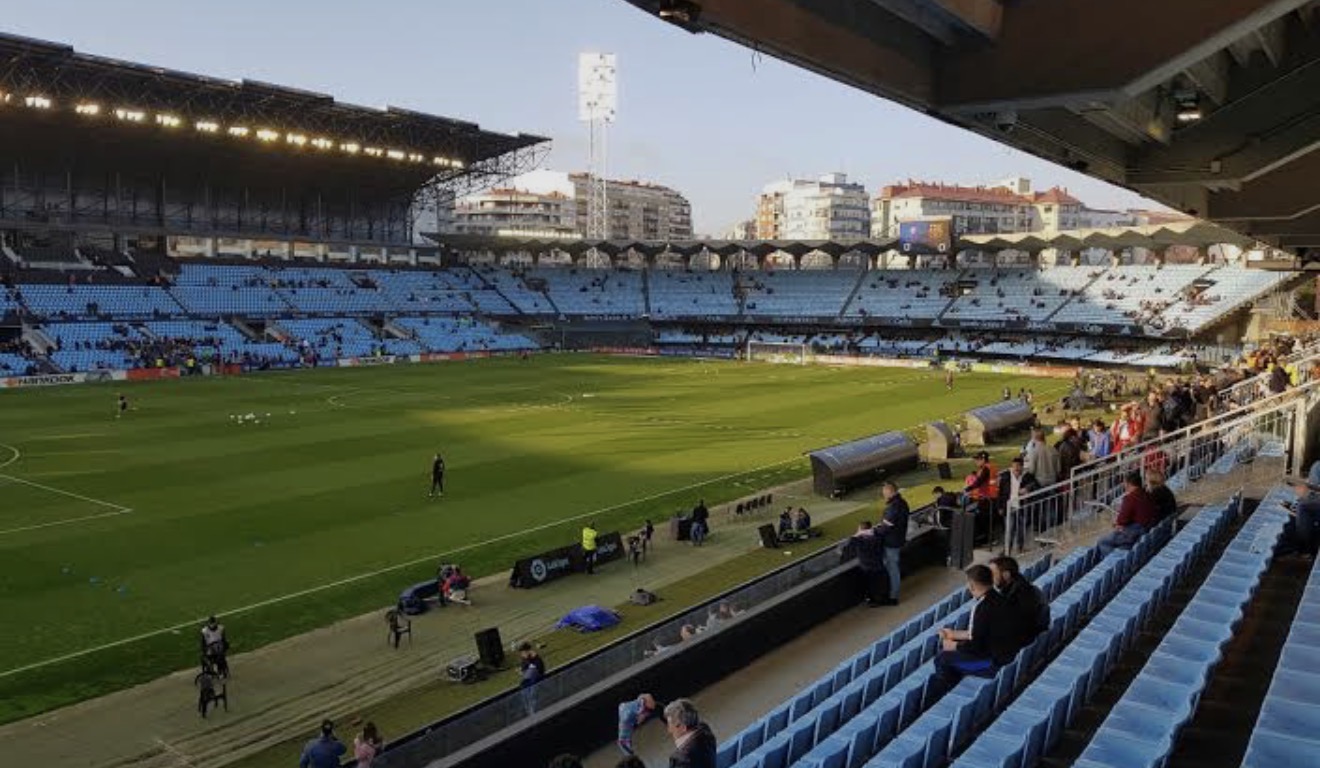
Panel Rules Palmer Deserved Straight Red Against Spurs in 3-2 Vote


Table of Contents
- The Premier League’s Key Match Incidents Panel voted 3:2 that Cole Palmer should have been sent off for violent conduct against Tottenham, per BBC Sport.
- Palmer was shown a yellow card for barging Mateus Fernandes in the 70th minute on 24 October and sent off for a second yellow ten minutes later.
- A straight red would have meant a three-match ban instead of one, and he would have missed the win over Manchester United and the trip to Sunderland.
A Yellow Card the Panel Now Says Should Have Been Red
Cole Palmer should have been sent off for violent conduct in Chelsea’s 2-0 loss to Tottenham, and referee Chris Kavanagh was wrong to settle for a caution. That is the verdict of the Premier League’s five-person Key Match Incidents (KMI) Panel, which voted 3:2 that a red card belonged on the field.
The ruling comes 11 days after the game at Stamford Bridge and changes how a run of Chelsea fixtures looks. Palmer served a one-match suspension and missed the Carabao Cup exit at Liverpool. Had Kavanagh reached for red in the 70th minute, the ban would have been three matches.
What Happened to Mateus Fernandes
The trouble started when Fernandes slid in and swiped the ball away from the Chelsea star’s path with his arm. Palmer went straight over and barged into Fernandes as he stood back up, colliding with his face. The force of it snapped the head of the Portugal international back.
Kavanagh showed a yellow card. VAR official John Brooks did not step in, and the panel was unanimous that he was right not to, as a card had already been shown on the pitch.
The split came on the original call. Three panellists saw violent conduct, a “clear contact to the head as well as unnecessary, dangerous and made with excessive force”. The other two backed the referee, viewing the action as “aggressive with no excessive force”.
Ten minutes later Palmer was shown a second yellow for a mistimed challenge, and the panel supported that decision 4:1. The panel’s view is that Palmer should already have been off the pitch by then.
One Game or Three: What the Ruling Changes
The England international missed the trip to Anfield and returned in time for Saturday’s 2-0 win over Manchester United, where he scored a penalty. The same ruling says a red for violent conduct would have kept him out of that game too, and out of this weekend’s trip to Sunderland. The timing of that one-match ban is explained in why Palmer missed Liverpool but not United.
The Rest of the Panel’s Findings
The panel went through more of the same match. It voted 3:2 that Dominic Solanke should have been awarded a penalty in the 85th minute for a foul by Moises Caicedo, though it also voted 3:2 that VAR was right not to intervene. The majority felt that “Caicedo was persistently holding Solanke whilst facing away from the ball and impacting the ability of the opponent to progress”.
It also found that a penalty should have been given for a foul by Elliot Anderson on Johan Manzambi in Aston Villa’s win over Manchester City last month. Three of the five panellists felt Anderson made no attempt to win the ball, and two thought VAR should have intervened.
Across the weekend of the eighth round of the season, 30 big calls were made and 26 were judged correct. Over the season so far, the Premier League says 88 per cent of the 162 incidents reviewed by the panel have been judged correct.
What the Verdict Leaves Behind
The ruling does not change the score at Stamford Bridge or add to Palmer’s suspension. His one-match ban stands, and Liverpool and Manchester United have both been played. Sunderland is the one fixture left from the three he would have missed. The same panel ruled in September that Gabriel’s boot on Emiliano Martinez was never a red card, a head contact case that went the other way.

Leave a Comment
More in News
Cunha Escapes Extra UEFA Ban After Walking Back On Following Red Card

Jesus Owono Breaks Silence as Mourinho and a Teammate Back Him
Wayne Rooney, 41, Calls Out Jamie Carragher for a Boxing Match
Arteta Has a ‘Massive Library’ of Shirt Pull Clips After Isak Row

Phil Foden Has Four Goals in Five and Little Contact With Tuchel
Trending on Futbol Chronicle
Map of All the Premier League Teams for 2025/26

The Best Soccer Players of All Time: The 10 Greatest Ever Ranked
Why Soccer Is The Best Sport

Michael Carrick admits Manchester United have “no excuses” after AC Milan defeat