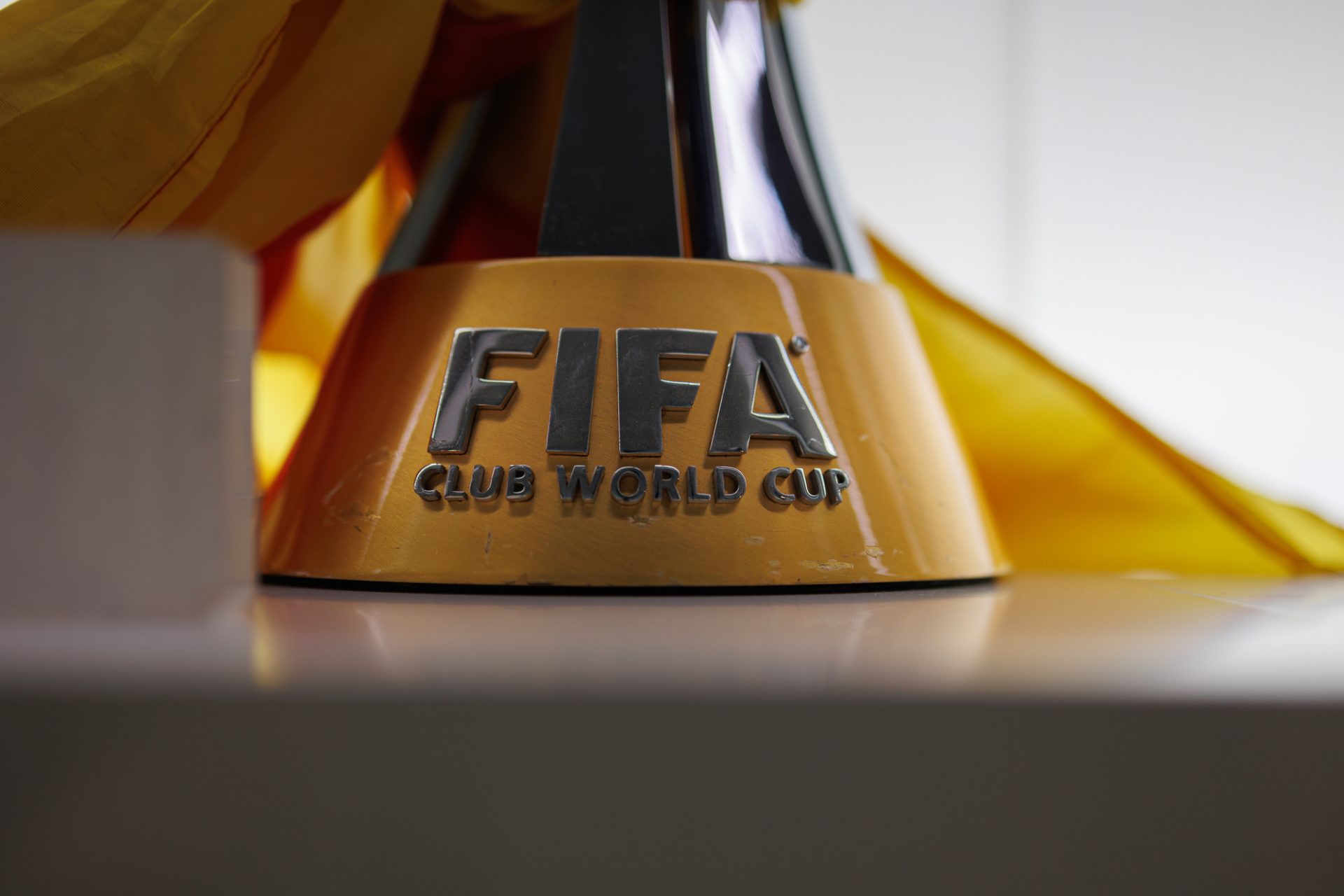
FIFA promises Gaza stadium amid devastation as Trump peace board launches relief plan
- FIFA pledges major football investment as part of wider Gaza reconstruction effort
- Political spectacle in Washington blends diplomacy, sport and symbolism
- Critics question priorities as basic infrastructure remains in ruins
The scale of destruction across the Gaza Strip is almost impossible to comprehend. Entire neighborhoods lie flattened, water and sewage systems are shattered, electricity grids barely function and food production has been pushed to the brink of collapse. Rebuilding the basic foundations of daily life will take years, vast resources and sustained political will.
Yet amid this landscape of devastation, the world governing body of football has promised something strikingly different. A new national soccer stadium.
The commitment came during a highly choreographed and often surreal event at the White House, where Donald Trump convened the inaugural meeting of his Board of Peace. The gathering saw nine governments pledge a combined $7 billion toward a Gaza relief package, while five others committed troops to an international stabilization force.
Among the announcements was a pledge from FIFA to fund a 20,000-
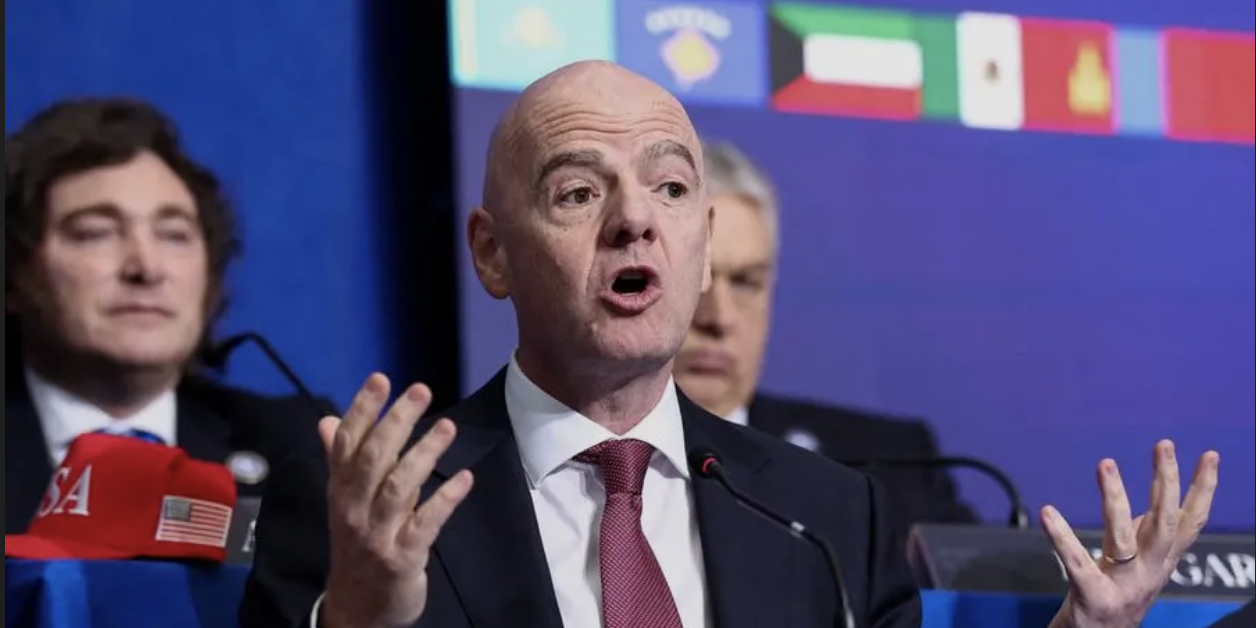
FIFA president Gianni Infantino framed the investment as an emotional and cultural necessity, rather than a luxury.
“We do not have to just rebuild houses or schools or hospitals or roads,” he said. “We also have to rebuild people, emotion, hope and trust. This is what football is about.”
Gaza does not field a separate national team. It is represented as part of a unified Palestinian side that has been recognized by FIFA since 1998 but has never qualified for the World Cup. Infantino said the sport could help restore dignity and connection for a population battered by more than two years of war.
“Football is the world’s universal language,” he said. “It is about hope, joy, happiness and unity.”
A promotional video shown at the event promised a “complete football ecosystem” in Gaza, featuring youth, amateur and regional leagues and describing the game as a bridge toward peace and reconciliation.
The symbolism, however, was impossible to separate from the political theater that surrounded it.
Infantino has become a familiar figure in Washington ahead of this year’s World Cup, which will be hosted jointly by the United States, Canada and Mexico. His growing proximity to Trump was again on display, with the president repeatedly praising the FIFA leader throughout the event.
At one point, Trump quipped that Infantino’s role as “head of soccer” compared favorably with that of world leaders in attendance. Later, he referenced FIFA awarding him a newly created peace prize, an honor that followed his unsuccessful efforts to secure a Nobel Peace Prize.
“I think they saw that I got screwed by Norway,” Trump said, drawing laughter from the room.
Attendees were issued red caps bearing the slogan “USA” and the numbers “45-47,” marking Trump’s two presidential terms. Infantino briefly donned one, adding to the sense of a gathering where sport, politics and spectacle blurred.
The broader relief initiative includes commitments to rebuild housing, restore public services and establish security structures. Yet critics argue that the focus on a stadium risks projecting an image of normalcy that remains far removed from reality.
With water systems in disrepair, hospitals struggling to function and food insecurity widespread, questions persist about priorities. For many on the ground, hope will not come from grand architectural projects, but from clean water, stable electricity and reliable access to food.
Still, Infantino insists football can serve as a catalyst for recovery.
“A simple ball. A shared field. A reason to believe again,” declared the video shown to delegates.
Whether that promise resonates in a territory fighting to rebuild its most basic systems remains an open and deeply complex question.
Leave a Comment
More in News
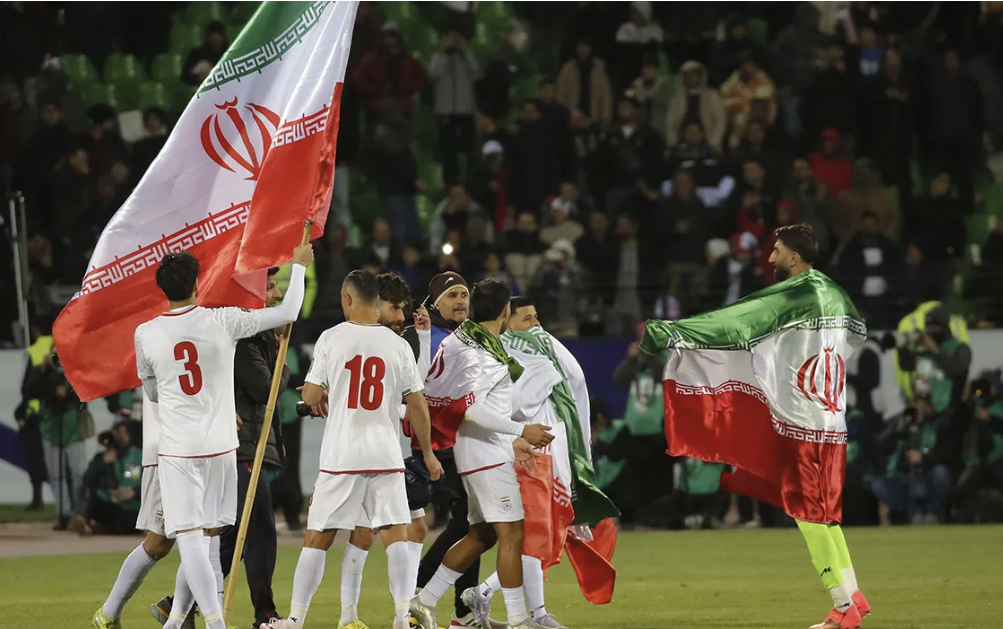
Iran Will Not Boycott World Cup Despite US Tensions, Says FA Chief
Liam Rosenior Says Enzo Fernández Happy at Chelsea After Exit Comments
Virgil van Dijk Urges Caution After Liverpool’s Champions League Win
Harry Kane Reaches 50 Champions League Goals as Bayern Munich Cruise Past Atalanta
Arne Slot Praises Liverpool Performance and Fans After Champions League Win
Trending on Futbol Chronicle
Why Soccer Is The Best Sport
Michael Carrick points to lack of sharpness after Manchester United draw with West Ham