
New Football Regulator Law Brings Fan Protections
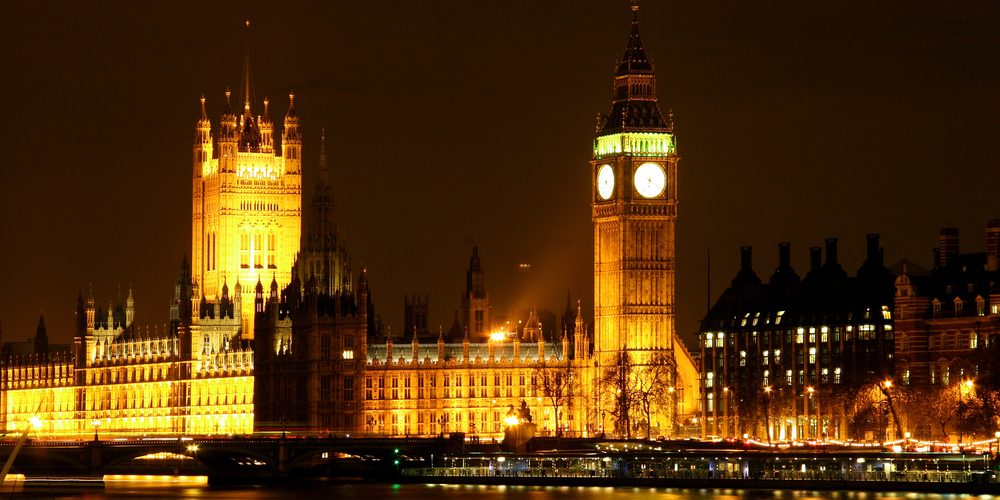
England’s football system entered new territory as the Football Governance Act officially became law—providing for the country’s first ever Independent Football Regulator (IFR).
Prime Minister Keir Starmer described it as a “proud and defining moment for English football” that would bring about a “stronger, fairer future” for the national game.
The law gives the IFR oversight over the top five levels of the men’s game and delivers powers detached from both government and the sport’s existing bodies.
The idea was born from a fan-led review and initially tabled by a Conservative government in March 2024. That bill collapsed when Parliament dissolved ahead of the May election. Labour restarted the bill four months later and has now seen it written into statute after receiving Royal Assent.
“This is an historic moment for football in this country,” said Football Supporters’ Association chief executive Kevin Miles.
Supporters have welcomed guarantees on key issues, including new tests for owners, financial checks to avoid collapse, mandatory fan consultation for shirt colours, crests and stadium moves, and legal blocks on breakaway competitions like 2021’s aborted European Super League attempt.
Lisa Nandy, Secretary of State for Culture, Media and Sport, told the BBC: “This is a huge moment for football fans because we’ve had far too many clubs including mine, Wigan Athletic, at risk from poor ownership and finances. This is the moment football fans can breathe a sigh of relief.”
EFL chairman Rick Parry described the legislation as a “watershed moment” that will allow clubs to compete and survive without courting financial ruin. He believes the regulator could also help resolve the long-running financial gulf between leagues.
Clubs won’t feel the immediate strain of reforms. The IFR will not begin operations until later this year, after consultations with the football industry.
Still, not everyone is onside. Karren Brady, West Ham’s vice-chair, warned peers in the House of Lords about “dangers lurking” in the bill that could affect competition. The Premier League, which hasn’t issued comment since the law’s approval, has previously argued the regulator could impose “unprecedented and untested powers,” impacting both finances and global competitiveness.
The new law gives the IFR power to:
– Impose strict financial oversight to protect clubs’ long-term solvency
– Prevent unsuitable owners from acquiring clubs
– Implement rules for transparency and fan input
– Outlaw participation in closed-off breakaway leagues
– Act to secure fair revenue sharing
– Safeguard community symbols like badges and home kit colours
Miles said the FSA plans to stay “at the forefront of the debate” and added: “We are very proud that the FSA was at the heart of change, helping to bring in laws which can help protect the clubs we love from the worst excesses of owners throughout the professional game.”
Speaking from direct experience, Reading supporters’ trust chair Sarah Turner backed the new measures: “Jobs are lost, community projects are cut and businesses suffer” when things go wrong at ownership level.
Football finance expert Kieran Maguire said the IFR would help limit exploitation of clubs as commercial assets, offering a safeguard “to make sure clubs are not treated solely as assets.”
Anti-discrimination body Kick It Out called the legislation “a massively important step” for both financial fairness and the recognition of football’s cultural importance.
Leave a Comment
More in News

Iran Will Not Boycott World Cup Despite US Tensions, Says FA Chief
Liam Rosenior Says Enzo Fernández Happy at Chelsea After Exit Comments
Virgil van Dijk Urges Caution After Liverpool’s Champions League Win

Harry Kane Reaches 50 Champions League Goals as Bayern Munich Cruise Past Atalanta
Arne Slot Praises Liverpool Performance and Fans After Champions League Win
Trending on Futbol Chronicle

What Is The Club World Cup?
Why Soccer Is The Best Sport