The Best Soccer Players of All Time: The 10 Greatest Ever Ranked
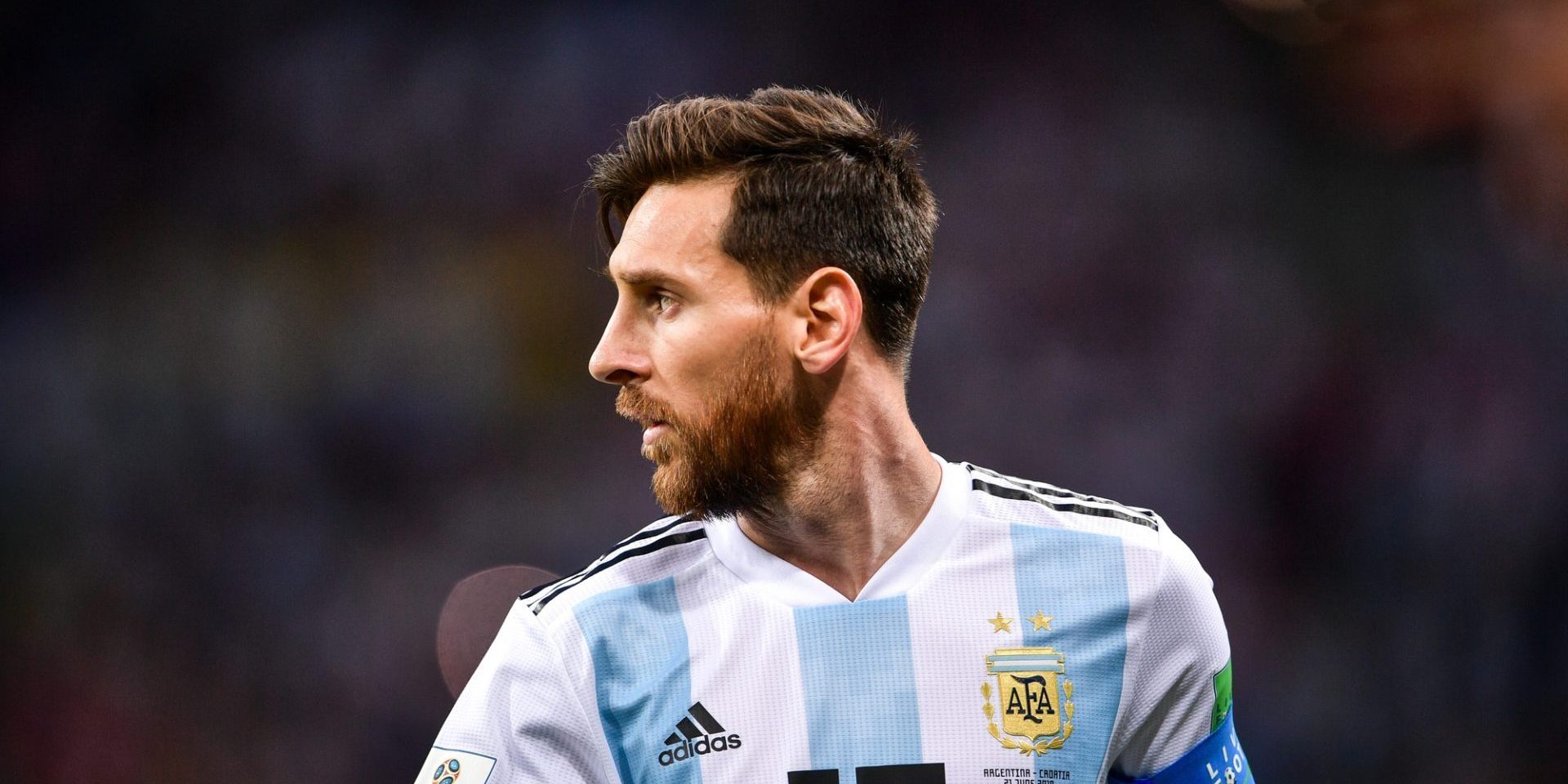

Table of Contents
Ranking the greatest soccer players in history is a debate with no clean answer. Eras change. Tactics change. The rules themselves have changed enough that a forward from 1960 played a different sport than a forward in 2026. Any list that claims to settle the argument is fooling itself.
What a good list can do is weigh the evidence honestly. This ranking draws on four criteria: team trophies won at club and international level, individual awards like the Ballon d’Or and FIFA Player of the Year, peak dominance during the player’s best years, and influence on how the game is played today. Longevity matters too, but a short career of exceptional brilliance can outweigh a longer career of merely very good form.
With that in mind, here are the ten greatest soccer players of all time, counting down from number ten to number one…
10. Ronaldo (the original)
Before Cristiano, there was Ronaldo. The Brazilian Ronaldo, known as R9 or simply “O Fenômeno,” may have been the most naturally gifted striker the sport has ever produced. At his peak with Barcelona and Inter Milan in the late 1990s he was an irresistible force, combining the pace of a sprinter with the technique of a playmaker and the finishing of a poacher. Two serious knee injuries cost him years of his career, but what came before and after those injuries was still enough to rank him among the greatest.
Ronaldo won two FIFA World Cups (1994, 2002), scoring both goals in the 2002 final against Germany to finish as the tournament’s top scorer. He won two Ballon d’Ors (1997, 2002) and three FIFA World Player of the Year awards. His 1996-97 season with Barcelona, during which he won the European Cup Winners’ Cup and the Ballon d’Or at 21, is still cited as the greatest individual season a striker has ever had.
He retired in 2011. Zlatan Ibrahimović, Thierry Henry, and countless others have called him the best forward they ever saw.
9. Ferenc Puskás
Ferenc Puskás scored 806 goals in 793 official matches, one of the most extraordinary strike rates in the history of the sport. He led Hungary to the 1954 World Cup final and the 1952 Olympic gold medal with the “Mighty Magyars,” a side that went unbeaten for more than four years and beat England 6-3 at Wembley in 1953, ending 90 years of home invincibility.
After the 1956 Hungarian Revolution, Puskás defected to Spain and joined Real Madrid at the age of 31. He won five consecutive La Liga titles and three European Cups, scoring four goals in the 1960 final against Eintracht Frankfurt in what many still consider the finest European Cup final ever played. His left foot was his only weapon, and he needed nothing else.
FIFA named its award for the best goal of the year after him in 2009. No honor better captures what Puskás meant to the game.
8. Franz Beckenbauer
Franz Beckenbauer invented the modern sweeper role. Before him, the libero was a purely defensive position, a safety net behind the back line. Beckenbauer turned the position into a creative platform, stepping out from defense to start attacks and carry the ball into midfield. Every ball-playing center back who has followed him owes a debt to that reinvention.
He captained West Germany to victory at the 1974 World Cup on home soil and won three consecutive European Cups with Bayern Munich from 1974 to 1976. He added two Ballon d’Ors (1972, 1976) and a European Championship in 1972. In 1990 he led West Germany to another World Cup title as manager, becoming one of only three people to win the tournament as both player and coach.
Beckenbauer’s gift was his composure. He read the game ten seconds ahead of everyone else, and he made the difficult look ordinary.
7. Zinedine Zidane
Zinedine Zidane won the 1998 FIFA World Cup with France, scoring two headers in the final against Brazil. Two years later he led France to the European Championship, scoring the golden goal in the semi-final against Portugal. He won three FIFA World Player of the Year awards (1998, 2000, 2003) and the 2002 UEFA Champions League with Real Madrid, where his left-footed volley in the final remains one of the most iconic goals ever scored.
Zidane played the game with a grace almost no one has matched. The first touch, the pirouette, the ability to slow the pace of a match and then accelerate it at will: he was a conductor in cleats. His international career ended with a red card in the 2006 World Cup final against Italy, but even that moment has become part of the legend.
As a coach he added three consecutive Champions League titles with Real Madrid (2016, 2017, 2018), a feat no one else in the modern era has matched. Few players have influenced the game as both a player and a coach.
6. Alfredo Di Stéfano
Alfredo Di Stéfano won five consecutive European Cups with Real Madrid from 1956 to 1960, a record that still stands. He scored in every one of those finals. He won two Ballon d’Ors (1957, 1959) and eight La Liga titles with a Madrid side that set the template for European club football.
Di Stéfano was a complete forward in an era when forwards were usually specialists. He could lead the line, drop deep to create, and track back to win the ball. Sir Bobby Charlton and Franz Beckenbauer both called him the best all-around player they ever saw. Ferenc Puskás, who partnered him at Madrid, said the same.
His one regret was that he never played at a World Cup. Born in Argentina, he represented three countries (Argentina, Colombia, Spain) but missed out on the tournament through a mix of politics, injury, and bad timing. His absence from the World Cup stage is the main reason he is not ranked higher on most lists.
5. Johan Cruyff
Johan Cruyff is the most influential soccer player who ever lived. He won three Ballon d’Ors (1971, 1973, 1974) as the central figure of the Netherlands and Ajax sides that popularized Total Football, the positional system in which every outfield player was expected to be able to play every role. Ajax won three consecutive European Cups (1971, 1972, 1973) under Rinus Michels with Cruyff at the center of everything.
At the 1974 World Cup, Cruyff’s Netherlands reached the final and lost to West Germany, but the tournament is remembered for their football rather than the result. The “Cruyff Turn,” executed against Sweden in the group stage, is still taught in youth academies five decades later.
Cruyff’s second act may have been even more important than his first. As manager of Barcelona in the late 1980s and early 1990s he laid the philosophical foundation that produced Pep Guardiola, tiki-taka, and the Messi-era Barcelona side that won everything. When Guardiola called Cruyff “the most important man at this club,” he was speaking for an entire generation of coaches.
4. Diego Maradona
Diego Maradona was the heart of the most dominant individual World Cup performance ever recorded. At Mexico 1986 he scored five goals, assisted five more, and dragged an average Argentina side to the trophy almost on his own. His quarter-final performance against England, which produced both the “Hand of God” and the goal voted the best in World Cup history, is the single match most often cited when the greatest-ever debate is settled.
At club level Maradona took a middling Napoli side and turned them into Italian champions. Napoli had never won a Serie A title before he arrived in 1984. They won two (1987, 1990) with him, along with the 1989 UEFA Cup. The club retired his number 10 shirt after his death in 2020, and the city’s stadium now carries his name.
Maradona’s career had peaks and crashes that made him a more complicated figure than Pelé. On peak alone, few would argue against him being among the top three players the sport has produced.
3. Pelé
Pelé is the only player in history to have won three FIFA World Cups, a record that will almost certainly never be broken. He won his first in 1958 at the age of 17, scoring twice in the final against Sweden. He added a second in 1962 and a third in 1970 with a Brazil team widely regarded as the greatest national side ever assembled.
At club level Pelé spent almost his entire career at Santos, where he won six Brazilian league titles, two Copa Libertadores, and two Intercontinental Cups. His goal-scoring totals remain debated. The IFFHS credits him with 762 official goals, while the Guinness record figure of 1,279 goals includes unofficial matches and friendlies. Either way, the volume was unprecedented.
Pelé was the first soccer player to become a global name. His 1977 move to the New York Cosmos planted the seeds of soccer’s growth in the United States, a legacy that runs directly to Messi’s arrival at Inter Miami almost five decades later.
2. Cristiano Ronaldo
Cristiano Ronaldo is the highest-scoring player in the history of men’s soccer. By early 2026 he had scored more than 965 career goals for club and country, with 1,000 in clear sight. He is the all-time leading scorer in the UEFA Champions League (140 goals) and in men’s international football (143 goals for Portugal), and he holds the record for most international appearances of any male player.
Ronaldo won five Champions League titles, four with Real Madrid and one with Manchester United. He has league titles in England, Spain, and Italy, and he led Portugal to the 2016 European Championship and the inaugural UEFA Nations League in 2019. His five Ballon d’Ors place him second only to Messi in the individual rankings.
Where Messi is guided by intuition, Ronaldo was built by relentless work. His leap, his strike technique, and his capacity to reinvent himself as he aged (from a tricky winger at Sporting to a penalty-box predator in his thirties) defined two decades of professional soccer.
1. Lionel Messi
Lionel Messi is the most decorated player in the history of professional football, with nearly 50 team trophies to his name. He is the only player to have won the Ballon d’Or eight times. He is the all-time leading scorer for Barcelona, Argentina, and the Copa America. In December 2022, at the age of 35, he lifted the one trophy that had eluded him for 16 years of senior international football: the FIFA World Cup.
Messi’s dominance at Barcelona was built on the left foot and the ten meters of space he could find in any defense. He won ten La Liga titles and four Champions Leagues with the Catalan club before adding two Ligue 1 titles with Paris Saint-Germain. At international level he added two Copa America trophies (2021, 2024) to the 2022 World Cup. Entering 2026 he had crossed 900 senior career goals and continued to play at club and international level for Argentina and Inter Miami.
His move to Major League Soccer has been anything but a retirement tour. Messi won the Leagues Cup in 2023, the MLS Supporters’ Shield in 2024, the MLS Eastern Conference Cup in 2025, and the MLS Cup in 2025, lifting Inter Miami’s first major trophies and turning the club into a legitimate force in the CONCACAF region.
Beyond the numbers, Messi changed how small playmakers are valued. Before him, the conventional wisdom said a 5-foot-7 forward could not survive at the highest level. Now the prototype is his.
Honorable Mentions
A top-ten list inevitably leaves out players who have legitimate claims to a place among the greats. Michel Platini won three consecutive Ballon d’Ors in the 1980s and led France to the 1984 European Championship as the tournament’s top scorer. George Best was the closest thing Britain has ever produced to Maradona. Eusébio won the 1965 Ballon d’Or and was the top scorer at the 1966 World Cup. Garrincha partnered Pelé in two of Brazil’s World Cup wins and is still regarded as one of the finest dribblers ever.
Of the more recent names, Zico, Paolo Maldini, Gerd Müller, and Ronaldinho all have cases that would place them in most expanded top-twenty lists. Modern players still in their careers, including Kylian Mbappé and Erling Haaland, will eventually have to be weighed too, though both are still writing the first chapters of their legacies.
The Verdict
Ranking the greatest soccer players of all time comes down to what you value. If you care most about trophies and individual awards, Messi stands alone. If you care about goal-scoring records, Ronaldo is untouchable. If you care about peak World Cup dominance, it is Pelé and Maradona. If you care about influence on how the game is played, Cruyff might be first.
The honest answer is that the top three or four will shift depending on the criteria. What every serious list will agree on is that the ten players above have a stronger claim to the title of greatest of all time than anyone else in the history of the sport.

Leave a Comment
More in News
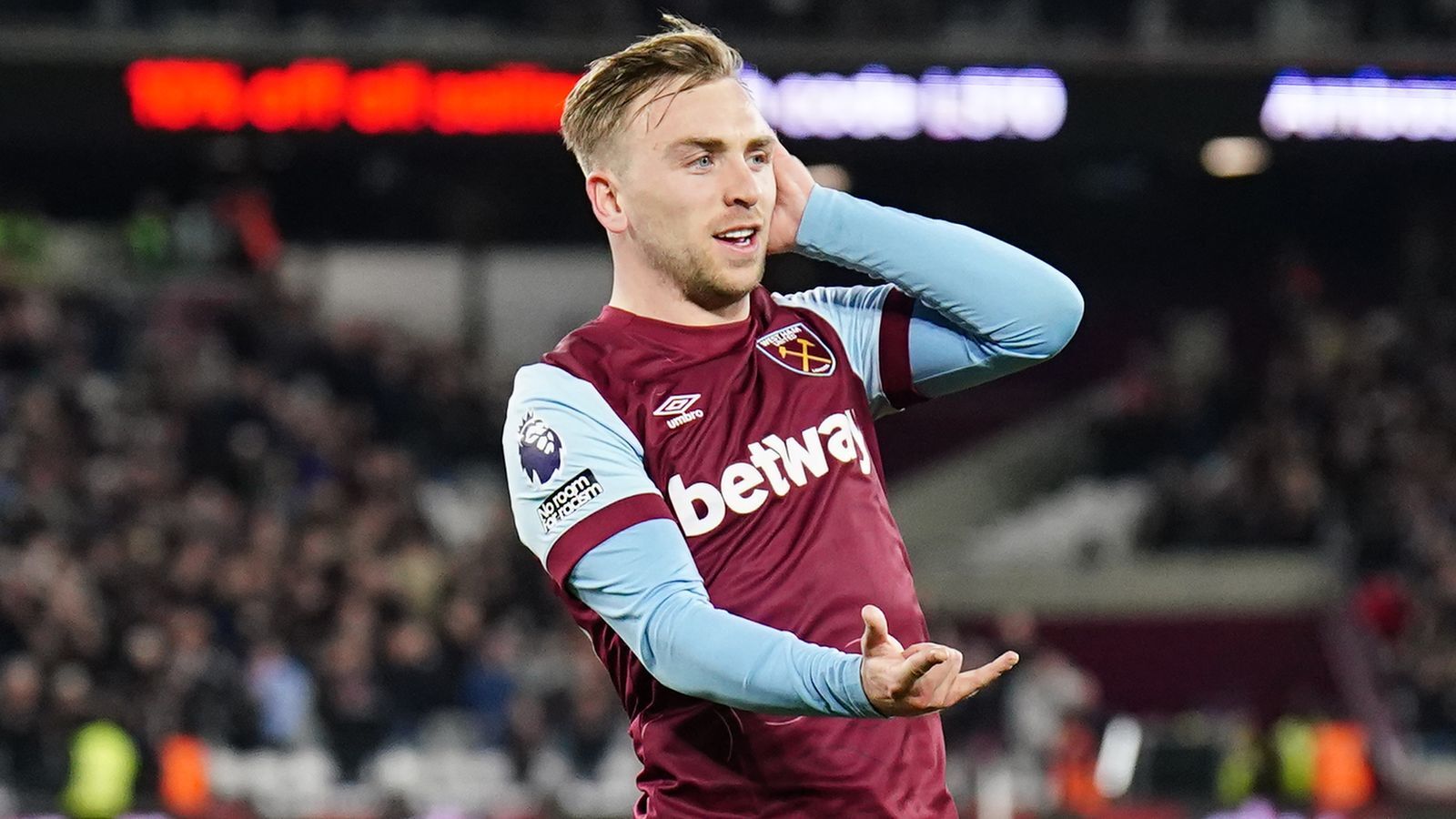
Bowen’s Saved Penalty Costs West Ham a Shot at Top Spot

Cole Palmer Missed England’s World Cup Squad This Summer, and His Club Have Just Backed Him With a Deal Running to 2034
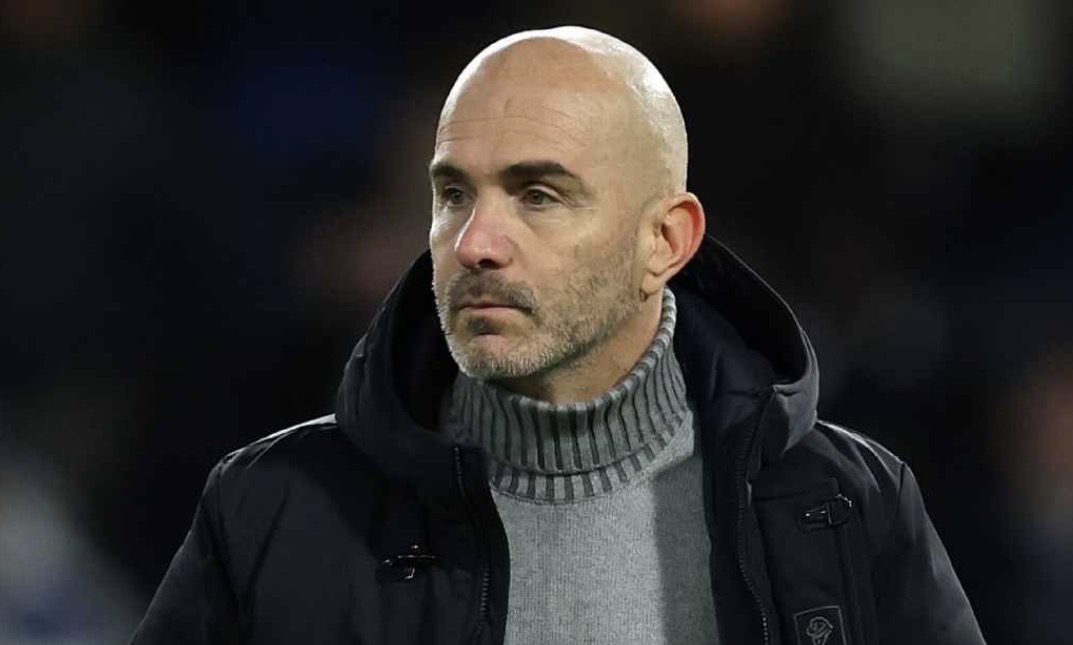
Enzo Maresca Insists Manchester City’s Titles Are Not Tainted After the Club Was Found Guilty on 115 Charges
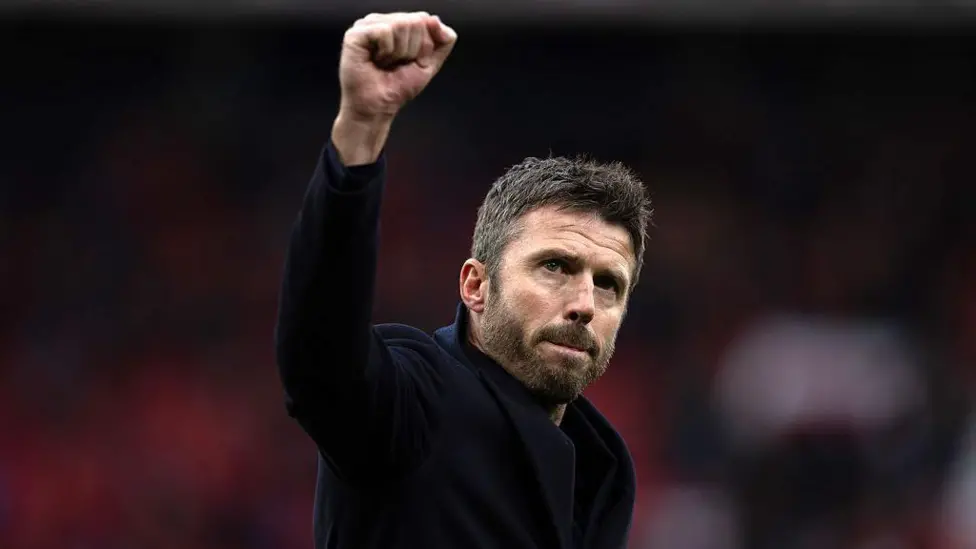
Michael Carrick Lost Two Title Races to Manchester City, and United Fans Now Mark 50 Years Without a Trophy

Jarell Quansah Was Never Liverpool’s Top Academy Prospect, and He Has Already Won Eight England Caps
Trending on Futbol Chronicle
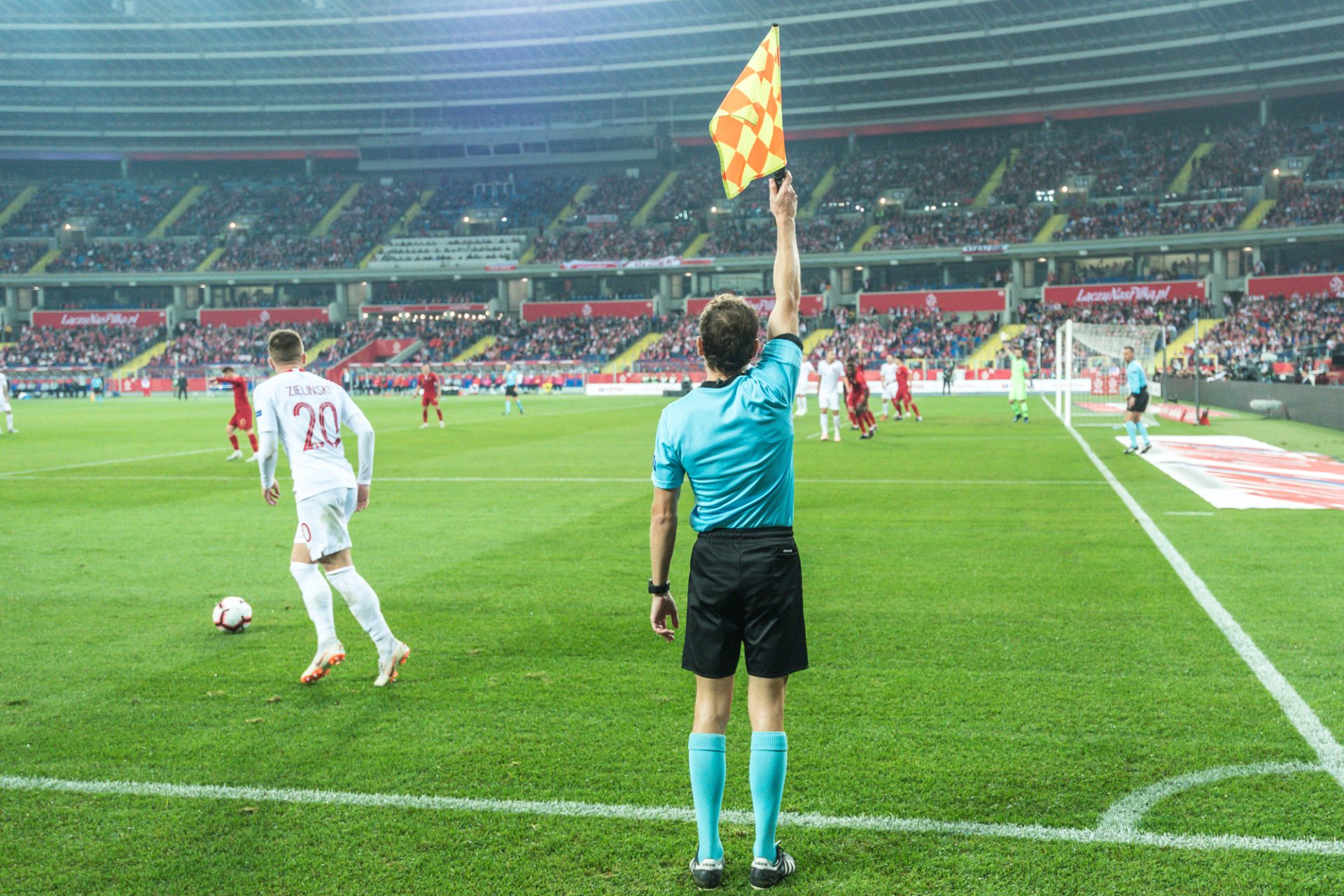
What Is Offsides in Soccer? The Offside Rule Fully Explained
Michael Carrick admits Manchester United have “no excuses” after AC Milan defeat
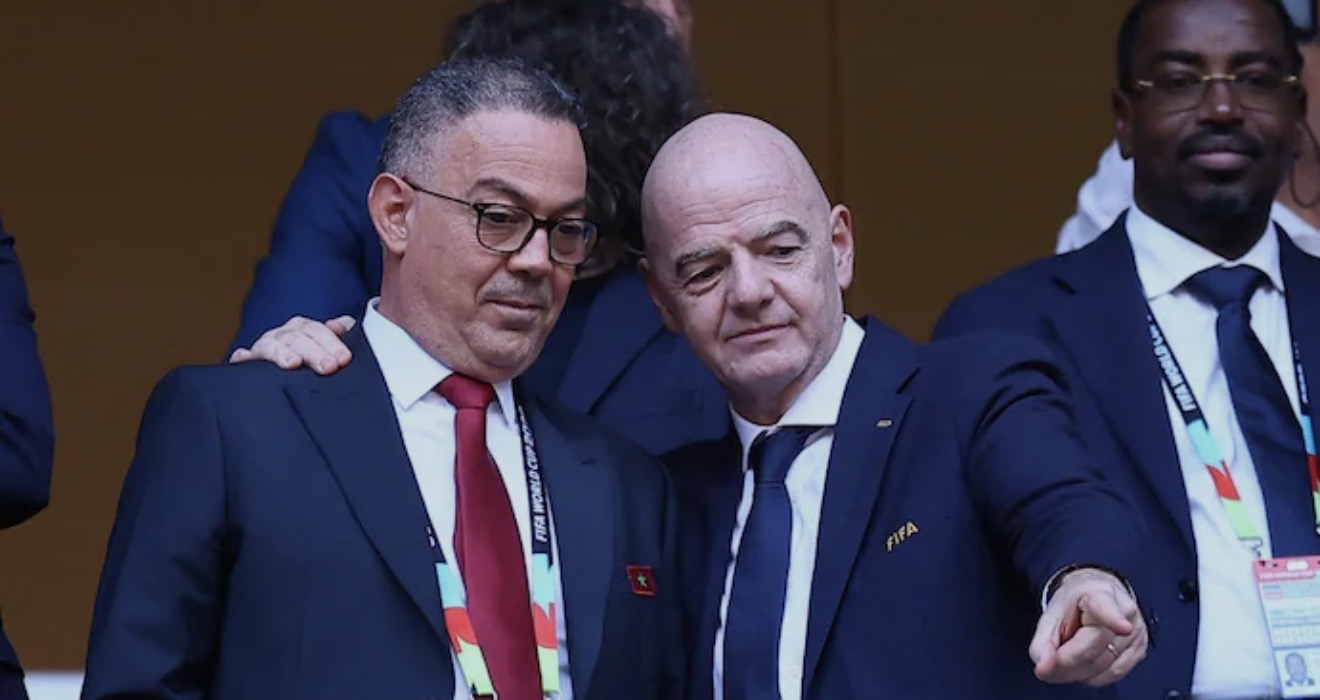
Arab football federations back Gianni Infantino as FIFA president faces growing opposition
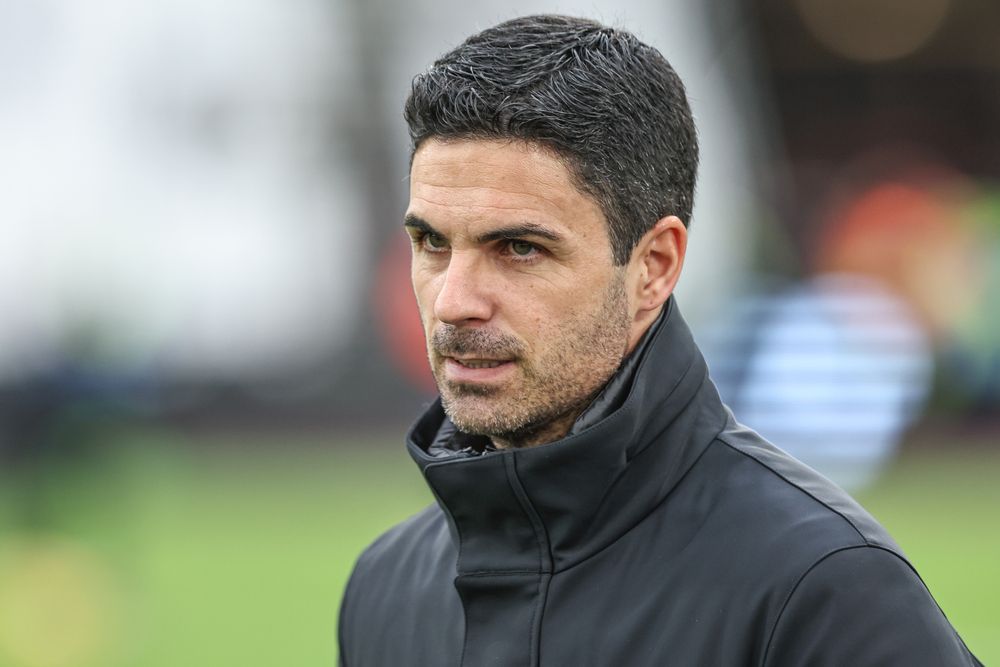
Mikel Arteta backs ‘warrior’ Bruno Guimarães to make Arsenal stronger