FIFA Faces Fan Backlash After Banning Reusable Water Bottles at 2026 World Cup Stadiums
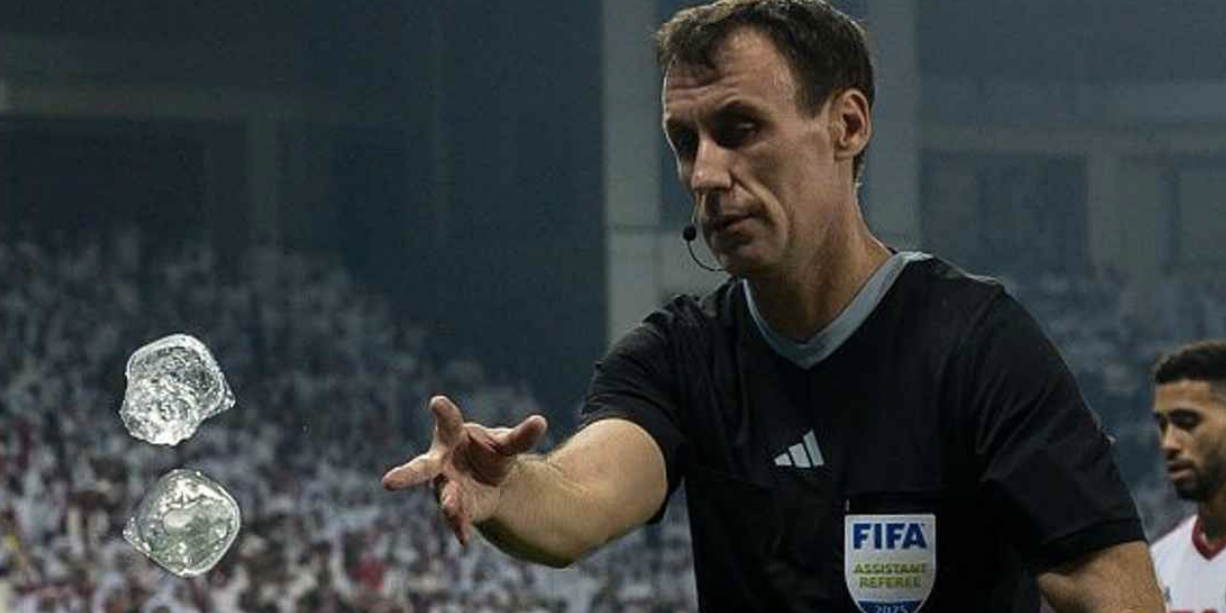

- FIFA has reversed its previous policy and will no longer allow fans to bring reusable water bottles into World Cup stadiums.
- Supporter groups have criticised the late decision, questioning the move ahead of a tournament expected to be affected by extreme heat.
- FIFA insists the ban is a safety measure, while promising hydration stations and cooling facilities across all host venues.
Just days before the start of the 2026 FIFA World Cup, football’s governing body has found itself facing criticism from supporters after introducing a late policy change that will prevent fans from bringing reusable water bottles into stadiums across North America.
The decision affects all 16 World Cup venues in the United States, Canada and Mexico, including several stadiums where concerns have already been raised about high temperatures and limited protection from the sun.
For many travelling supporters, the move came as an unwelcome surprise.
Earlier tournament guidance had stated that fans would be permitted to carry transparent, reusable bottles with a capacity of up to one litre. However, FIFA’s updated Stadium Code of Conduct, released this week, now explicitly states that reusable water bottles are prohibited.
The change has sparked an immediate backlash from fan groups, particularly in England, where supporters had previously been assured that access to free drinking water inside venues would be a key part of tournament planning.
The Free Lions supporters’ group questioned both the timing and reasoning behind the decision.
“Naturally, the immediate thought from supporters is this is just the latest money grab,” the group said in a statement.
The organisation added that discussions with FIFA had consistently included assurances regarding free water availability and the ability for supporters to refill empty bottles.
“In all of our discussions, free water availability in stadiums was a key one and we were assured by FIFA that this would be the case,” the statement continued.
The controversy comes against the backdrop of growing concerns about heat management during what will be the largest World Cup in history.
Temperatures exceeding 32°C (90°F) are expected in several host cities throughout the tournament, while climate researchers have repeatedly warned about the risks posed to both players and spectators.
Last month, academics from World Weather Attribution highlighted the potential dangers of extreme heat during the competition, suggesting that supporters could be among the most vulnerable groups attending matches.
FIFA has defended the policy change, insisting that safety concerns, rather than commercial considerations, drove the decision.
In a statement, the organisation said reusable bottles could potentially be used as projectiles and therefore presented a security risk.
“FIFA is committed to protecting the health and safety of all players, referees, fans, volunteers and staff,” the governing body said.
It added that some World Cup venues already prohibited bottles under existing stadium regulations and that a unified policy would now apply across all host sites.
To address concerns over hydration, FIFA has pledged a range of measures around stadiums, including hydration stations, cooling tents, misting areas and large fans designed to help supporters cope with extreme temperatures.
Inside venues, bottled water will remain available for purchase, with FIFA stating that prices will be consistent with those charged during other events held at each stadium.
The issue has inevitably drawn further scrutiny because of FIFA’s long-standing commercial relationship with beverage giant Coca-Cola, which holds exclusive soft-drink rights at World Cup venues.
Meanwhile, FIFA has already introduced mandatory three-minute drinks breaks during both halves of every match in response to expected weather conditions. The move has been welcomed by some health experts but criticised by others who argue it further fragments the flow of games.
For supporters, however, the focus remains on a simpler concern.
With less than a week until the tournament begins, many are questioning why a competition placing such emphasis on player hydration has simultaneously made it harder for fans to bring their own water containers into the stadium.
It is another debate FIFA would have preferred to avoid on the eve of its biggest World Cup yet.

Leave a Comment
More in News

Anthony Gordon Was Chosen Over Marcus Rashford for a £70m Barcelona Move and Has Already Set Up Four Goals in His First Five Games

Lucas Bergvall Wanted Out After a £38m Bid, Now He Has Signed a New Contract

Ismail Kartal Quit Fenerbahce Live on Camera, and the Club Finally Let Him Leave

Scott McTominay Scored the Goal That Won Napoli the Title After Manchester United Let Him Go, and Now Heart Surgery Has Sidelined Him

Gabriel Jesus Trained Alone Before £8.6m Arsenal Exit, Already Scoring for Barcelona
Trending on Futbol Chronicle
What Is Offsides in Soccer? The Offside Rule Fully Explained

Cristian Romero completes €40m move from Tottenham to Atlético Madrid

The Best Soccer Players of All Time: The 10 Greatest Ever Ranked
The Best World Cup YouTubers to Follow in 2026