
Rangers Complete Signing of Partizan Belgrade Captain Vanja Dragojevic in £4m Deal
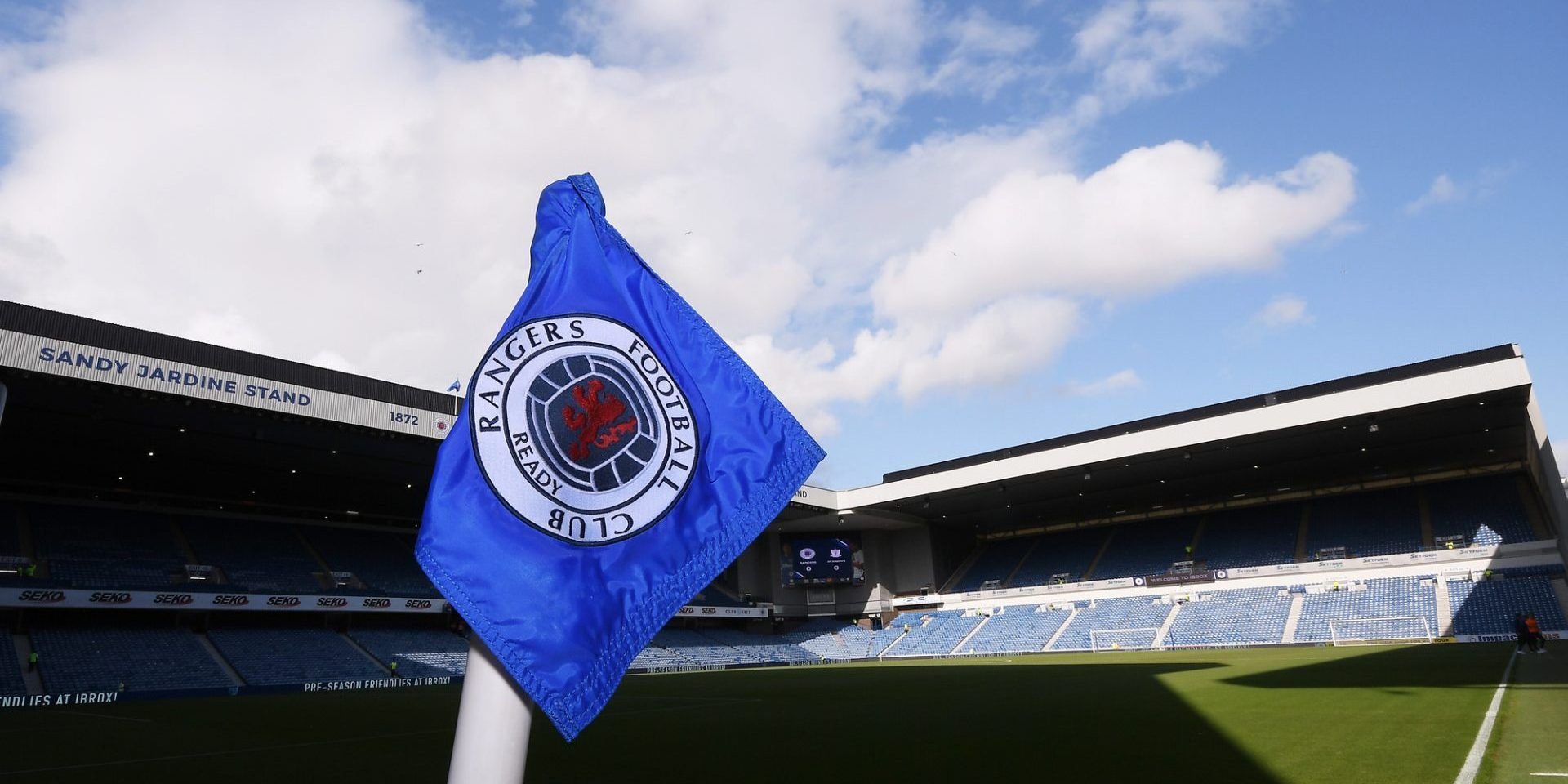

Table of Contents
Rangers have signed midfielder Vanja Dragojevic on an initial four-year deal, with a 12-month option to extend, as Derek McInnes continues to reshape his squad ahead of the club’s Scottish Premiership opener against Dundee United. The 20-year-old arrives from Partizan Belgrade, where he captained the side, for a fee in excess of £4m.
Dragojevic becomes Rangers’ seventh summer signing, joining a rebuild that has already brought in Lawrence Shankland, Ross McCrorie, Ben Godfrey, Ivor Pandur, Cammy Devlin and Dan Neil. Rangers had also been in talks over a move for Tromso’s Jens Hjerto-Dahl, but the club prioritised the deal for Dragojevic instead.
A Young Captain With Ready-Made Leadership
Dragojevic was rated as one of the better defensive midfielders in the Serbian SuperLiga last season, a division where Partizan finished third. He made 54 appearances in defensive midfield for the club, captaining the side in 34 of them, and last season alone he scored four times and provided four assists across 41 appearances. He also holds two caps for Serbia at senior level.
His European experience includes both legs of Partizan’s Conference League third qualifying round exit to Hibernian, a tie that ended in heartbreak after a spirited fightback. Partizan won the away leg 3-2 at Easter Road while playing much of the match with 10 men, but still went out 4-3 on aggregate after extra time. That run gave Dragojevic direct exposure to a Scottish opponent before he had even completed his move north.
McInnes on the Signing
McInnes made clear the captaincy record at such a young age was central to Rangers’ interest. “We are really excited to bring Vanja on board,” McInnes said. “He’s got huge potential, really exciting attributes, and boasts the character to play in this environment. To captain a club the size of FK Partizan at such a young age tells you everything you need to know about the respect he commands and the leadership qualities he already possesses. I believe he will add a lot to our group, and I look forward to working with him in the years ahead.”
Dragojevic’s Own Words
Dragojevic said the interest from Ibrox had been on his radar for months before the deal came together. “It feels amazing, and I’m really happy and proud to be part of such a big club like Rangers,” Dragojevic said. “It’s a big opportunity and I can’t wait to get started. I first heard the interest three months ago, and when I heard it I already knew it was very interesting to me because I think the winning mentality that Rangers have is compatible with my mentality.”
A Boyhood Fan Building His Own Rebuild
McInnes played for Rangers across five seasons between 1995 and 2000 and grew up supporting the club, giving this appointment a different meaning compared with his previous jobs at St Johnstone, Bristol City, Aberdeen, Kilmarnock and Hearts. He was reportedly approached about the Rangers job as far back as 2017 while managing Aberdeen and turned it down, only to accept it this time after Danny Rohl left Ibrox following just eight months in charge. McInnes arrived on a three-year deal, having spent the previous season guiding Hearts to within a matter of points of the Premiership title, finishing above Rangers in the table along the way.
Why Rangers Went Big on Midfield
That context shapes the rebuild. Rangers finished third in the Scottish Premiership last season, a gap that prompted a significant overhaul now that McInnes is in charge. The scale of the rebuild reflects how far the club believes it needs to go to close the distance to Celtic, with six additions arriving before Dragojevic and a Scottish core being deliberately built into the squad alongside the club’s overseas recruitment.
Lawrence Shankland’s arrival from Hearts was the most eye-catching of those six. McInnes used a break clause in the striker’s contract to bring him to Ibrox without paying a transfer fee, reuniting the pair after Shankland scored 88 goals in 171 appearances across four seasons at Tynecastle, including 24 in 37 games in his best campaign. Adding a proven Scotland international goalscorer alongside younger, developing pieces like Dragojevic gives McInnes a squad with both immediate output and long-term potential.
Dragojevic is now the third midfielder to arrive this summer alongside Cammy Devlin and Dan Neil, giving McInnes a reshaped engine room to work with heading into the new campaign. Devlin joined on a free transfer from Hearts, while Neil arrived after his contract at Sunderland expired, meaning Rangers have added defensive and ball-winning depth without committing a large fee until the Dragojevic deal.
That spread of arrivals across the middle of the park suggests McInnes is not settling on one system just yet, instead assembling options who can rotate through a Premiership season followed by European qualifying rounds, where squad depth tends to matter as much as a strong starting eleven.
A Tight Turnaround Before Dundee United
Rangers open their Premiership campaign away to Dundee United, meaning Dragojevic has only days rather than weeks to integrate before a competitive fixture. That timeline is tight for any new signing, let alone one adjusting to a different league, climate and style of officiating than he faced in Serbia. McInnes will have to decide quickly whether Dragojevic starts from the opening whistle of the season or whether he is introduced gradually alongside Devlin and Neil in central midfield.
The presence of two other central midfield options signed this summer gives McInnes some flexibility over how he handles that decision. Devlin’s arrival on a free transfer from Hearts and Neil’s move after his Sunderland contract expired mean Rangers already have competition for places in front of the back four, and Dragojevic will have to earn his place in that group rather than assume it purely on reputation from Belgrade.
What Rangers Still Need
Dragojevic’s arrival does not close the book on Rangers’ summer business. A left-sided centre-back and further additions in the wide areas remain priorities for the recruitment team, with the squad still considered light in the attacking third and central defence heading into the visit to Dundee United. McInnes has previously said he is targeting two or three more additions before that opening fixture, suggesting the club expects to continue negotiating deals in the closing weeks of the window.
The captaincy record Dragojevic carries from Partizan will matter to a Rangers dressing room adjusting to a new manager and a heavily rebuilt spine. Leadership qualities are harder to coach into a squad than technical improvement, and McInnes appears to be banking on Dragojevic’s experience commanding a first-team dressing room at 20 translating quickly into the demands of Scottish football, where physical intensity and matchday pressure at Ibrox will test a player used to a different kind of scrutiny in Belgrade.
A Deal Three Months in the Making
Dragojevic’s own account of the move suggests Rangers were not a last-minute suitor. His comment that he first heard of Ibrox’s interest three months ago points to a deal built on sustained scouting rather than a rushed deadline addition, which fits the pattern of Rangers’ summer business so far. Six of the club’s seven signings have arrived through permanent deals or free transfers agreed well ahead of the Premiership season opener, rather than late panic buys forced by injuries or a thin squad.
For Dragojevic, the challenge now shifts from proving himself in Serbia to adapting to a league that will ask different questions of a defensive midfielder, from the physical demands of Old Firm fixtures to the travel and rotation that come with a Scottish Premiership and European qualifying schedule combined. McInnes has made clear he expects the leadership Dragojevic showed at Partizan to translate quickly, whatever adjustment the football itself requires.
There is also a symbolic layer to the timing of this deal. McInnes is only weeks into the job he once turned down, working to rebuild a squad that finished behind both Celtic and his own Hearts side last season. Signing a captain from outside Scotland’s established football hierarchies, rather than raiding a domestic rival, fits the wider approach the club has taken this summer: build depth through permanent deals and free transfers, keep a Scottish spine in place through players like McCrorie, and add proven leadership from abroad where the market allows it. Dragojevic represents the clearest example yet of that last strand of the plan.
None of that guarantees success on the pitch. Plenty of young captains have arrived in Scottish football from smaller leagues and struggled with the step up, and Dragojevic’s true test will come once the Premiership season and any European qualifying fixtures begin in earnest. But the profile fits what McInnes has said he wants from this rebuild: a player with leadership already proven at first-team level, still young enough to develop further, and signed on terms that let Rangers plan around him for years rather than months.

Leave a Comment
More in News

LA Galaxy Complete Signing of Former Celtic Golden Boot Winner Kyogo Furuhashi From Birmingham City

Celtic Agree Club-Record £11m Fee for Kasper Hogh as Daizen Maeda Completes Ipswich Move

Federico Chiesa determined to earn Liverpool role under Andoni Iraola after fresh start at Anfield
Gianni Infantino hits back at World Cup critics after controversial 2026 tournament

Woking Hit Back at Jermain Defoe Over Shock Exit, Claim He Missed Meeting
Trending on Futbol Chronicle
Michael Carrick points to lack of sharpness after Manchester United draw with West Ham

Map of All the Premier League Teams for 2025/26

The Best World Cup YouTubers to Follow in 2026
What Is Offsides in Soccer? The Offside Rule Fully Explained