FIFA’s Plan to Sell World Cup Stakes to Investors Crosses a Line, UEFA Says
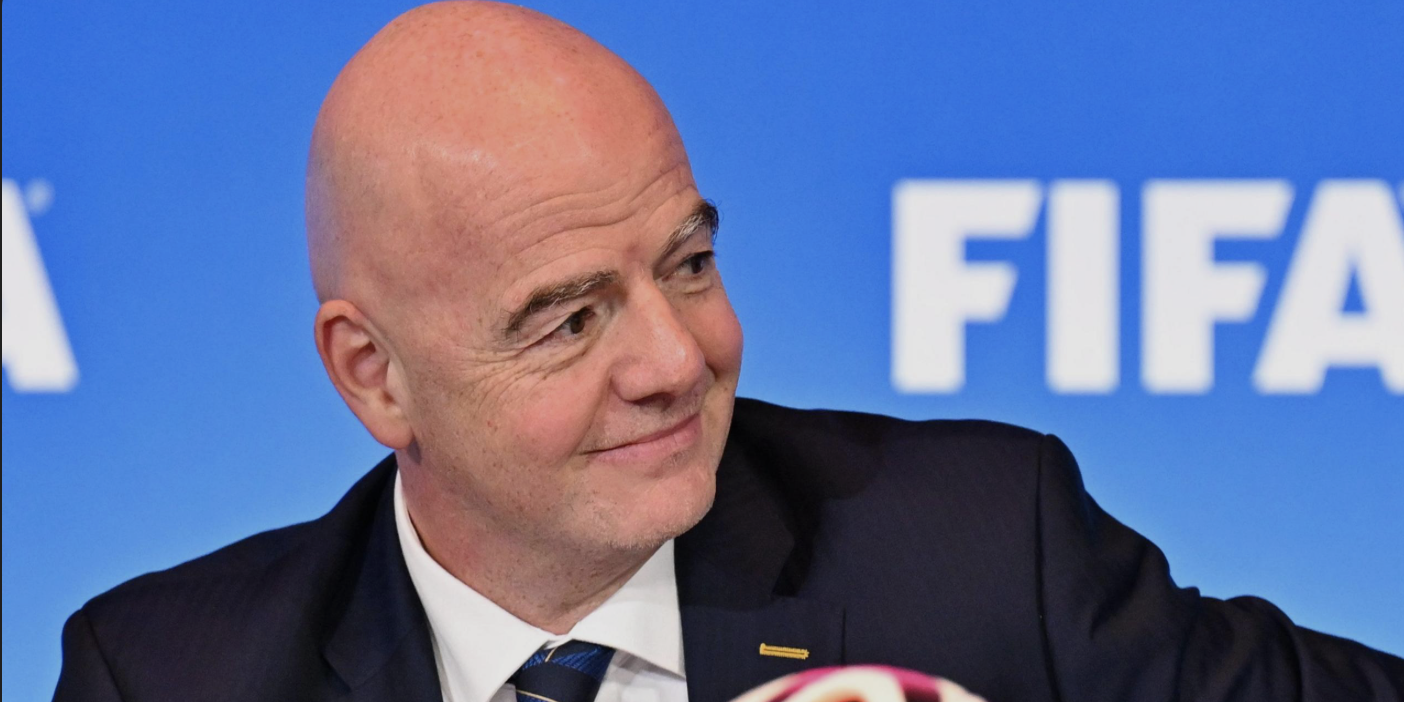
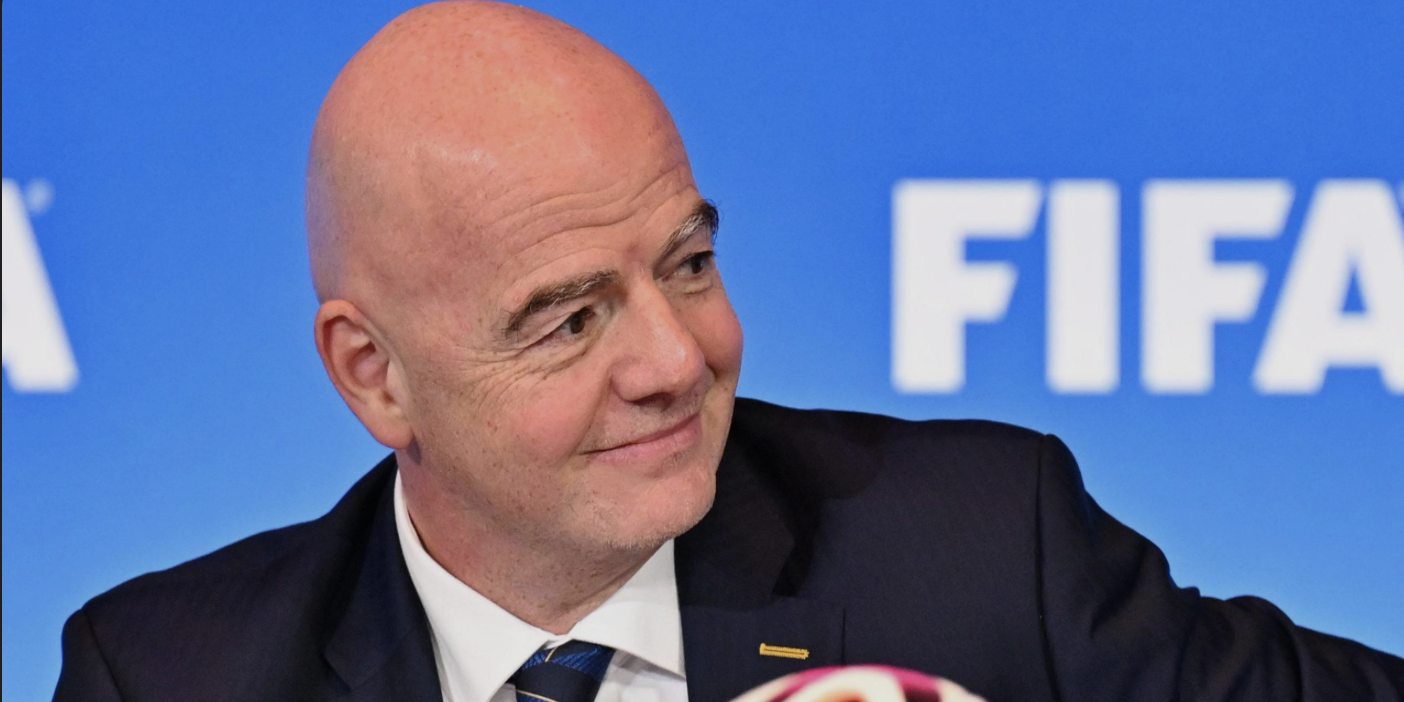
Table of Contents
FIFA has told its 211 member associations that it wants to sell a slice of the World Cup to outside investors, and UEFA has responded by saying football’s governance is not something anyone has the right to put up for sale.
The plan, announced by FIFA on Tuesday, arrives less than two weeks after the final of the 2026 World Cup in North America, a tournament FIFA has repeatedly pointed to as proof of the game’s commercial reach. It centers on a new company called FIFA Forward Enterprise. FFE would combine FIFA’s commercial rights, including broadcasting, sponsorship, ticketing and licensing, with the operational running of FIFA tournaments. Under the proposal, FIFA would sell minority, non-controlling stakes in FFE to external investors, aiming to raise up to $4.2bn. FIFA values the new company at around $20bn. The money, FIFA says, would go toward more than $10bn in football development funding over the next four years.
The scale of the number is what has set off alarm bells in Nyon, where UEFA is based. A $20bn valuation attached to the commercial rights of the World Cup places FFE among the more significant sports business structures ever proposed, and UEFA’s response reads less like a routine complaint and more like an opening position in a fight it expects to run for months.
UEFA wasted no time responding. In a statement, European football’s governing body said the plan “crosses a line that football’s governing institutions should never cross.”
“UEFA takes it extremely seriously,” the statement continued. “So should every National Football Association. So should every stakeholder: leagues, clubs, players, supporters, governments and everyone who cares about the future of the game.”
The statement went further and put the sale in stark terms. “The soul and governance of football are not assets to trade, especially with zero transparency as to who gains financially,” UEFA said. “None of us are the owners of football. It is not FIFA’s to sell.”
What FIFA Is Actually Proposing
FIFA has pushed back against some of the reporting around the plan, and its own statement lays out a structure with several safeguards built in, at least on paper.
A FIFA spokesperson said the organization is beginning a consultation process after receiving a proposal that remains under review. FIFA confirmed that JP Morgan is acting as its financial adviser on the project and will keep supporting the analysis as it moves forward. Thrive Capital, run by chief executive Josh Kushner, is expected to lead the group of investors. FIFA specifically stated that Jared Kushner, Josh Kushner’s brother and a son-in-law of President Donald Trump, is not an investor in the plan.
FIFA also stressed that any outside money would buy a minority stake in a FIFA subsidiary, not in FIFA itself, and that the president and administration have a duty to oversee the project’s development and keep control throughout. The organization called it “inaccurate” that staff had signed non-disclosure agreements, and said it remains open to considering projects that could grow football development funding worldwide. That last point was a direct response to reporting that had already circulated before FIFA’s own statement landed, and it shows an organization trying to correct the record on its own terms rather than let outside accounts set the story.
Gianni Infantino had already set up FIFA’s membership for this shift earlier in July. On the 18th, he told all 211 member associations that the priority after the success of the 2026 World Cup is to “unleash the commercial potential and opportunity that FIFA has.”
Any final proposal will need backing from a majority of FIFA’s member associations plus approval from the FIFA Council before it can move ahead. FIFA said the plans will soon be presented to both bodies, describing them as the sole decision-makers on whether the project proceeds.
The Infantino Question
Much of the outside scrutiny around this plan has centered on what happens to Infantino once his final term as FIFA president ends. FIFA directly dismissed suggestions that Infantino could become chief executive of the new entity at that point, saying such a move has “never been discussed.”
FIFA did add a caveat: both the president and the administration would need to play leading roles in any new entity to make sure FIFA retains control of the subsidiary in line with its own statutes and regulations, and for the benefit of its member associations. FIFA insists it would keep sole control over football governance, competitions, the international match calendar and all sporting and regulatory decisions, no matter who holds a minority financial stake in FFE.
Infantino cast the plan in his own words as a matter of fairness across the sport rather than a change in who runs it.
“Football is the world’s most popular sport and an extraordinary engine of human and social development,” Infantino said. “Parts of the game have turned that popularity into remarkable commercial value, and we celebrate that success and want it to continue, because it lifts the whole game. Our job is to make sure the rest of football grows with it: FIFA exists to support inclusive development in every corner of the world.
“As its global governing body, FIFA is responsible for making sure the game reaches every corner of the world, and that the value it creates supports federations and communities everywhere.
“Our next stage of growth needs a structure built for it, one where the commercial side of the game operates as a focused, dedicated business, with its value shared more and better all around the world.
“Every FIFA Member Association should have an opportunity to seek a fair share of the available funding to shape its own future, deciding for itself rather than relying on others. This is about the democratisation of football worldwide.
“We intend to invest heavily even in the smallest or most remote parts of the footballing world, places that are too often passed over. Every FIFA Member Association, whatever its size, resources, or geographic location will have a voice and the opportunity to determine its own course. Football has become a truly global game and so the benefits must be felt globally.”
What Member Associations Would Get
FIFA has tied the pitch directly to money for its member federations. The extra funding raised through FFE would let FIFA raise its payments through the existing FIFA Forward programme from a currently budgeted $8m to $20m per association for the 2027-2030 cycle. Member associations could also apply for up to $20m in optional one-off funding for major projects through a new FIFA Fast Forward Programme.
That is the pitch FIFA is putting to the 211 associations whose votes it will eventually need: bigger, guaranteed development payments in exchange for opening a slice of the commercial side of the World Cup to private capital.
Why UEFA Is Digging In
FIFA is a not-for-profit organization owned by its 211 member associations and holds tax-free status in Switzerland, where it is based. Its revenue for the current 2022-26 cycle is expected to reach $15bn, most of it from television rights, sponsorship and ticket and hospitality sales tied to this summer’s World Cup.
That scale is exactly what worries UEFA. A stake in a $20bn commercial entity built around FIFA’s flagship tournament is not a small transaction, and UEFA’s statement made clear it sees the proposal as a test of who actually controls the direction of the sport, regardless of how the ownership structure is drawn up on paper.
FIFA’s own statement repeatedly stresses that governance, the match calendar and sporting decisions would stay entirely in FIFA’s hands. UEFA’s answer, in effect, is that control over money and control over the game cannot be separated so cleanly once outside investors have a financial stake in how a $20bn entity performs.
What Happens Next
Nothing about FFE is finalized. FIFA’s own account of the process describes a consultation that has only just started, built around a proposal that is still under review rather than a signed agreement. JP Morgan’s role, as described by FIFA, is advisory: helping shape and analyze the structure rather than committing capital itself. Thrive Capital’s expected leadership of the investor group is also described as a plan rather than a completed arrangement, and FIFA has been explicit that Jared Kushner has no part in it.
The next stage plays out inside FIFA’s own institutions. Before any investor writes a check, the plan needs the backing of a majority of FIFA’s member associations and approval from the FIFA Council. Those two bodies, FIFA said, are the sole decision-makers on whether the project goes ahead at all. That vote is where UEFA’s objection, and the concerns of any other federation that shares it, will actually be tested. With 211 associations holding a say and UEFA representing 55 of Europe’s national federations among them, the numbers alone make this a far tighter contest than FIFA’s confident public rollout might suggest.

Leave a Comment
More in News
Trent Alexander-Arnold Returns to the England Squad for the First Time in Over a Year, and Cole Palmer Is Back Too After Their World Cup Snub

Gabriel’s Boot Caught Emiliano Martinez in the Head, and a Five-Person Premier League Panel Ruled It Was Never a Red Card

Floyd Samba Scores a Debut Double as a Teenager

Tottenham Spent £300m This Summer and Have Not Scored in Four Premier League Games for the First Time in the Club’s 144-Year History

Cyle Larin Scored Once in 15 Games on a Failed Feyenoord Loan, and Is Now Outscoring Kylian Mbappe and Erling Haaland at Southampton
Trending on Futbol Chronicle
Mikel Arteta backs ‘warrior’ Bruno Guimarães to make Arsenal stronger
Michael Carrick admits Manchester United have “no excuses” after AC Milan defeat
What Is The Club World Cup?
Michael Carrick points to lack of sharpness after Manchester United draw with West Ham