
European football unites against FIFA proposal as UEFA approves boycott of all competitions
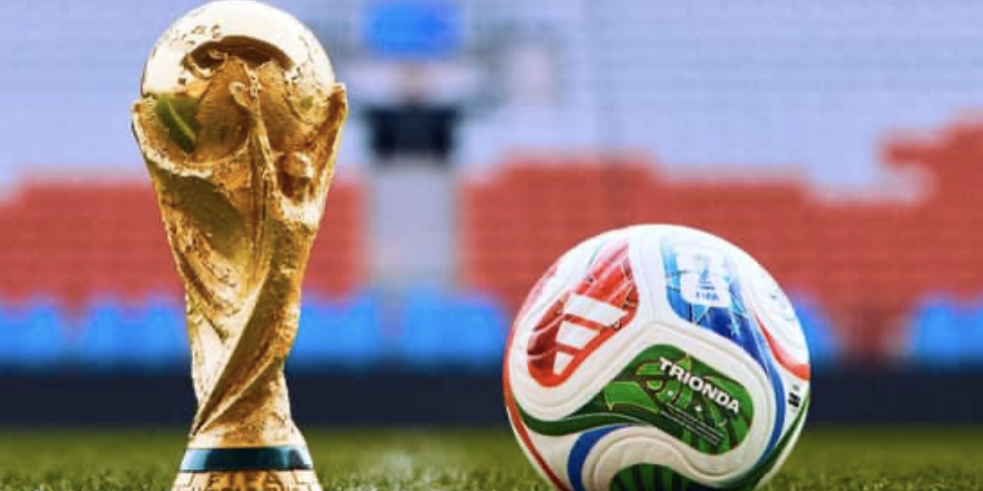
- UEFA’s 55 member associations have agreed to boycott all FIFA competitions while Gianni Infantino’s World Cup investment proposal remains active.
- Concacaf has joined UEFA in rejecting the plan, creating significant opposition to FIFA’s proposed $20 billion private equity deal.
- The coordinated resistance places growing pressure on FIFA ahead of next year’s presidential election.
European football has approved a boycott of all FIFA competitions after UEFA’s 55 member associations unanimously rejected Gianni Infantino’s proposal to sell minority stakes linked to future FIFA World Cups to private investors.
The decision was reached during an emergency meeting on Thursday and represents the strongest challenge yet to FIFA’s plan to raise $20 billion through the sale of equity in FIFA Forward Enterprises, the organisation established to oversee the governing body’s commercial and event operations.
UEFA confirmed that its member associations will not take part in FIFA competitions while the proposal remains active.
“UEFA and its national associations will not participate in FIFA competitions,” the governing body said in a statement.
The move would prevent Europe’s leading nations, including England, Germany, France and reigning world champions Spain, from competing in FIFA tournaments, including the men’s and women’s World Cups, unless the proposal is withdrawn.
The opposition widened later on Thursday when Concacaf also voted to reject the proposal following a meeting of its 41 member associations.
Concacaf represents the United States, Canada and Mexico, the three host nations of the 2026 FIFA World Cup.
The United States Soccer Federation publicly backed the confederation’s position, stating that it “stands with Concacaf and its members.”
Infantino announced the proposal earlier this week as part of plans to increase FIFA’s commercial revenues through outside investment.
Under the proposal, investors would purchase minority, non-controlling interests in FIFA Forward Enterprises in return for involvement in future commercial and broadcasting revenues generated by FIFA competitions.
The investment group is backed by Joshua Kushner, whose brother Jared Kushner is the son-in-law of United States President Donald Trump.
FIFA projected that each of its 211 member associations could receive more than $80 million through 2037 if the proposal is approved.
Member associations had been given until Sept. 19 to support the proposal ahead of a planned vote.
UEFA’s position followed a virtual meeting in which, according to sources, more than 50 national associations spoke against the proposal.
European football’s governing body criticised both the substance of the plan and the process by which it had been introduced.
“Some things are simply too important to sell,” UEFA said.
“The FIFA World Cup belongs to football. It always will. And so long as Europe has a voice, it will never be for sale.”
UEFA also criticised FIFA for introducing the proposal without meaningful consultation.
“This is not merely a profound failure of leadership, but an abdication of FIFA’s duty as the custodian of world football,” the statement added.
Concacaf echoed many of those concerns following its own meeting.
The confederation said its members had raised concerns over the lack of due process, the shortened consultation period and the absence of approval through FIFA’s established governance procedures.
Concacaf confirmed that its representatives on the FIFA Council would seek discussions with FIFA over alternative methods of increasing development funding while insisting that any future proposals must comply with FIFA’s statutes.
Opposition also emerged in Asia.
Asian Football Confederation president Sheikh Salman bin Ibrahim Al Khalifa warned member associations that FIFA’s approach risked damaging the structure of international football.
In a letter sent to AFC members, Sheikh Salman wrote that “FIFA’s unilateral actions appear to undermine the very foundations of continental football.”
He added that such a proposal could not succeed without broad support from the continental confederations.
The growing resistance leaves Infantino facing the most significant political challenge of his presidency.
FIFA is scheduled to elect its next president in Rabat, Morocco, next March, with prospective candidates required to declare their intention to stand before the Nov. 18 deadline.

Leave a Comment
More in News
‘You Ain’t Going to Win’: Carrick Was Right, United’s Numbers Show It
Gianni Infantino Gets Re-Election Boost as Asia Chief Drops His Criticism
Oliver Glasner Insists Forest Deserve More After Five Defeats in Eight Games
Xabi Alonso Turned Pedro Neto Into Chelsea’s Wing-Back After £100m Price Tag
Michael Carrick Refuses to Rule Out Dropping Bruno Fernandes in Emotional Address
Trending on Futbol Chronicle
Cristian Romero completes €40m move from Tottenham to Atlético Madrid
Mikel Arteta backs ‘warrior’ Bruno Guimarães to make Arsenal stronger
Why Soccer Is The Best Sport
Josef Martinez Returns to MLS Spotlight With Columbus Crew Signing