Gabriel’s Boot Caught Emiliano Martinez in the Head, and a Five-Person Premier League Panel Ruled It Was Never a Red Card
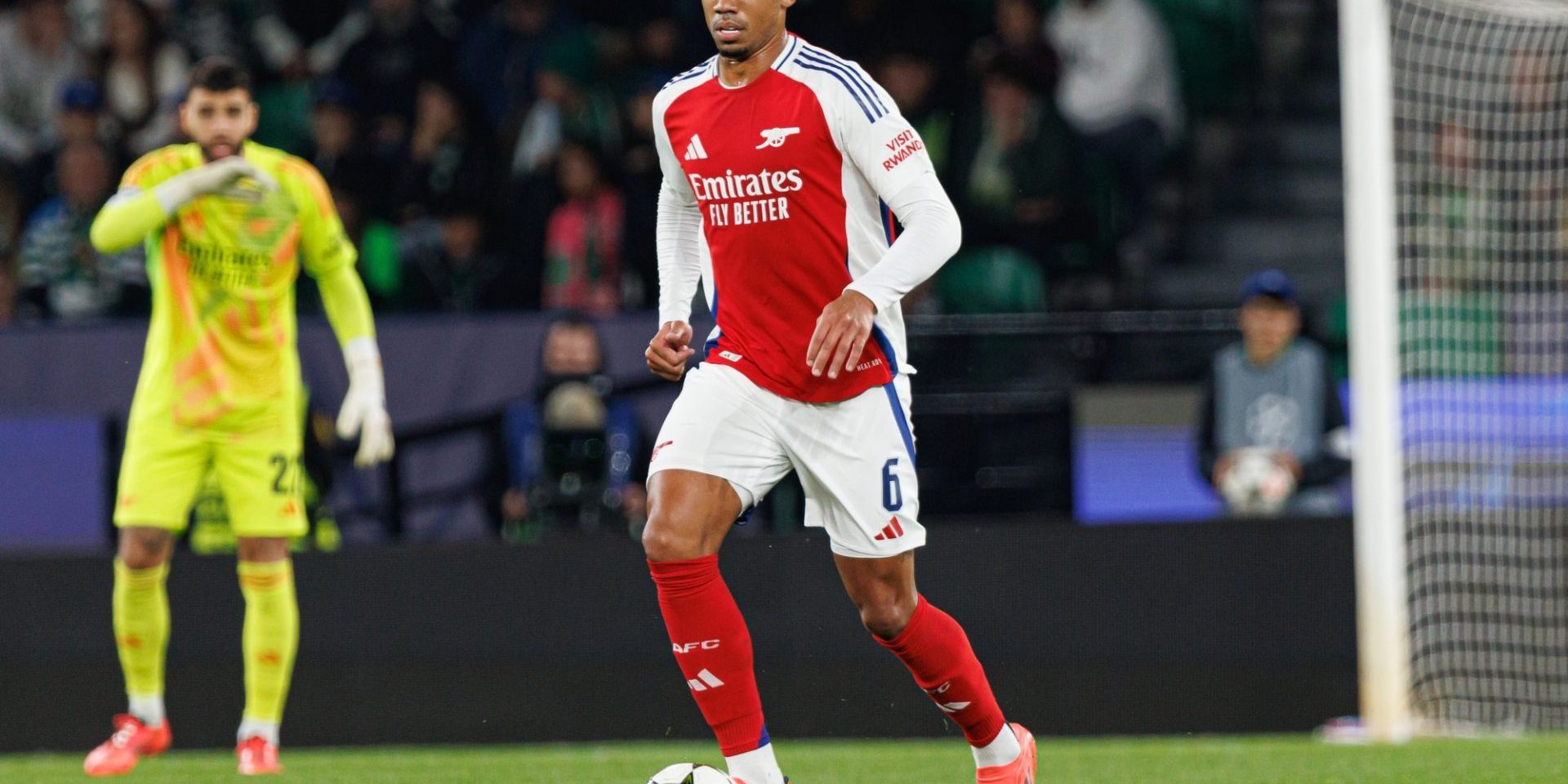

Table of Contents
- Arsenal defender Gabriel Magalhaes was not sent off after his boot struck Chelsea goalkeeper Emiliano Martinez in the head during the September 6 derby, and the Premier League’s five-person Key Match Incident Panel has now unanimously backed that decision.
- Referee Chris Kavanagh, whose view of the challenge was blocked by players contesting the ball, did not dismiss Gabriel, and the video assistant referee declined to send the incident to a pitchside review.
- Former Manchester United captain Wayne Rooney called the challenge reckless on Match of the Day, saying Gabriel was “extremely lucky” to stay on the pitch, while fellow pundit Ashley Young questioned why the footage was not studied more closely.
Wayne Rooney Says the Defender Was “Extremely Lucky” to Stay on the Pitch
Five minutes into the first London derby of the season, Emiliano Martinez was on the ground with the ball in his hands when Arsenal defender Gabriel Magalhaes swung a boot into a crowded six-yard box. It caught the Chelsea goalkeeper in the head. Martinez needed on-field treatment before he could continue. Referee Chris Kavanagh, his sightline blocked by bodies contesting the loose ball, did not produce a card of any color. The video assistant referee looked at the incident and chose not to send Kavanagh to the pitchside monitor.
Ten days later, the Premier League’s Key Match Incident Panel reviewed the challenge again and reached the same conclusion, unanimously, that Gabriel had done nothing to warrant a red card.
The panel’s finding closes the book on one of the more contentious flashpoints of the season’s opening month. It has not settled the argument among people who watched the replay.
What Happened at the Emirates
Arsenal’s 2-1 win over Chelsea on September 6 had barely begun when the incident occurred. A crowded goalmouth scramble saw several players competing for a loose ball on the ground, and as Martinez gathered it in his hands, Gabriel’s leg came across at height. His boot connected with the side of Martinez’s head. The Argentine goalkeeper went down immediately and needed several minutes of pitchside treatment before he was cleared to play on.
Kavanagh’s view of the challenge was obscured by the number of bodies packed into the box, and he allowed play to continue without a caution. The VAR team reviewed the footage from multiple angles but stopped short of recommending a pitchside monitor review, which would have given Kavanagh the chance to look at the replay himself and reverse his call.
That decision let the game continue with Arsenal down to ten fit outfield options rather than gaining an extra advantage through a Chelsea sending-off, and it let Mikel Arteta’s side go on to complete a comeback. Morgan Rogers, playing his first London derby after his British record £117m move to Chelsea, shocked the Emirates with a goal inside two minutes. Kai Havertz equalised against his former club before captain Martin Odegaard scored the winner in the 50th minute.
The Panel’s Reasoning
The Key Match Incident Panel is made up of five independent members who review contested refereeing calls after the fact, separate from the match officials and the VAR team on duty that day. All five voted to support the original no-red-card decision.
“The panel unanimously supported the referee’s call of no red card,” the panel said in a statement published on the Premier League’s official website. “Multiple players were on the ground competing and challenging for the loose ball, and the action of Gabriel was not deemed to be an act of violent conduct or serious foul play.”
The panel’s central point is about context rather than contact. Its members accept that Gabriel’s boot struck Martinez in the head. What they do not accept is that he intended, or could reasonably be expected to avoid, making that contact while stretching for a ball on the ground surrounded by other players. Under the laws of the game, violent conduct requires excessive force used without any real possibility of playing the ball; the panel judged that the loose ball, not Martinez’s head, was what Gabriel was contesting.
The ruling also preserves an unusual record. Gabriel arrived from Lille in 2020 and has never received a straight red card in 265 appearances for Arsenal. He has picked up 32 yellow cards in that spell and been dismissed twice, both times for a second bookable offence rather than a single serious incident.
Why the Pundits Are Not Convinced
The panel’s verdict has done little to quiet former players who watched the replay on television. Wayne Rooney raised the incident on the BBC’s Match of the Day and argued that slow motion exposed something the officials missed in real time.
“You don’t really see it at first sight but then when you see a replay and they slow it down,” Rooney said. “Martinez has got the ball in his hands and Gabriel boots him in the head, he swings a leg and goes way over the top. He’s extremely lucky to stay on the pitch.”
Fellow pundit Ashley Young shared that view and questioned why the footage was not put in front of Kavanagh at the time. “I agree. When the ball is on the floor and Martinez has it, Gabriel kicks so high. I’m not sure why it hasn’t gone to VAR or if they’ve properly studied it because he’s nowhere near the ball. He’s got away with one there.”
The gap between the two positions comes down to what each side is watching for. Rooney and Young are reacting to the height and force of the boot as it lands. The panel is reacting to the wider scene: a packed box, a loose ball, and a defender who was already committed to a challenge before Martinez arrived to collect it. Both readings can be accurate at once, which is why the incident generated a second round of debate ten days after the final whistle rather than fading with it.
A Season Already Defined by VAR Arguments
The Gabriel incident is not an isolated flashpoint. English football’s opening month has produced a string of contested video review calls, including the Manchester derby goal that stood after a missed offside call cost two officials their positions for the following round of fixtures. Both incidents share a pattern: a decision that survives contact with the video review process, then draws fresh scrutiny once slowed-down replays circulate on television and social media.
For Chelsea, the incident sits alongside a defensive record that head coach Xabi Alonso will want to address quickly. The club has now gone 20 consecutive Premier League matches without a clean sheet, a run that began last season and has continued into this one regardless of personnel changes in Alonso’s back line. A five-person panel ruling on one flashpoint changes nothing about that underlying pattern.
For Arsenal, the panel’s decision draws a line under a moment that could have shaped the outcome of the match. Arteta’s side have won all four of their opening Premier League fixtures, and Martin Odegaard’s winner against Chelsea remains part of that unbeaten start. What the panel’s review cannot do is tell fans watching the replay to see the challenge any differently than they already do. Rooney and Young were not persuaded by five independent votes, and neither, judging by the reaction across social media in the days that followed, was a large share of the audience who watched Martinez go down inside the first five minutes of the game.
The Key Match Incident Panel was set up precisely to take charged moments like this one out of the hands of a single official working at match speed and put them in front of a group with the benefit of replay and time. Its unanimous vote is meant to reassure supporters who feel a decision went against their team. In this case, the panel’s own explanation shows how narrow the margin was: it accepted that Gabriel’s boot struck Martinez in the head, and it accepted that the contact required medical treatment, but it drew the line at intent and possibility, ruling that a defender diving into a crowded box for a loose ball is not the same as a player swinging at an opponent with no interest in the ball at all.
That distinction will keep coming up. English football’s video review system has spent the opening month of the season fielding complaints from almost every direction, and each new incident tends to be judged less against the laws of the game than against the last controversial one. Gabriel walked away from his with a clean disciplinary record intact. Martinez walked away from it with a head knock and no card shown against the player responsible. Both things are true, and the panel’s ruling has done nothing to make either one feel less strange to the people who watched it happen.

Leave a Comment
More in News

Floyd Samba Scores a Debut Double as a Teenager

Tottenham Spent £300m This Summer and Have Not Scored in Four Premier League Games for the First Time in the Club’s 144-Year History

Cyle Larin Scored Once in 15 Games on a Failed Feyenoord Loan, and Is Now Outscoring Kylian Mbappe and Erling Haaland at Southampton

Why Haaland’s Man Utd Winner Should Never Have Stood, Officials Stood Down

Peter Schmeichel Calls for VAR to Be Scrapped After Manchester Derby Debacle
Trending on Futbol Chronicle
Arab football federations back Gianni Infantino as FIFA president faces growing opposition
The Best Soccer Players of All Time: The 10 Greatest Ever Ranked
Why Soccer Is The Best Sport
What Is The Club World Cup?