Lionel Messi Has Bought a Second Spanish Club, With No Manager and No Wins
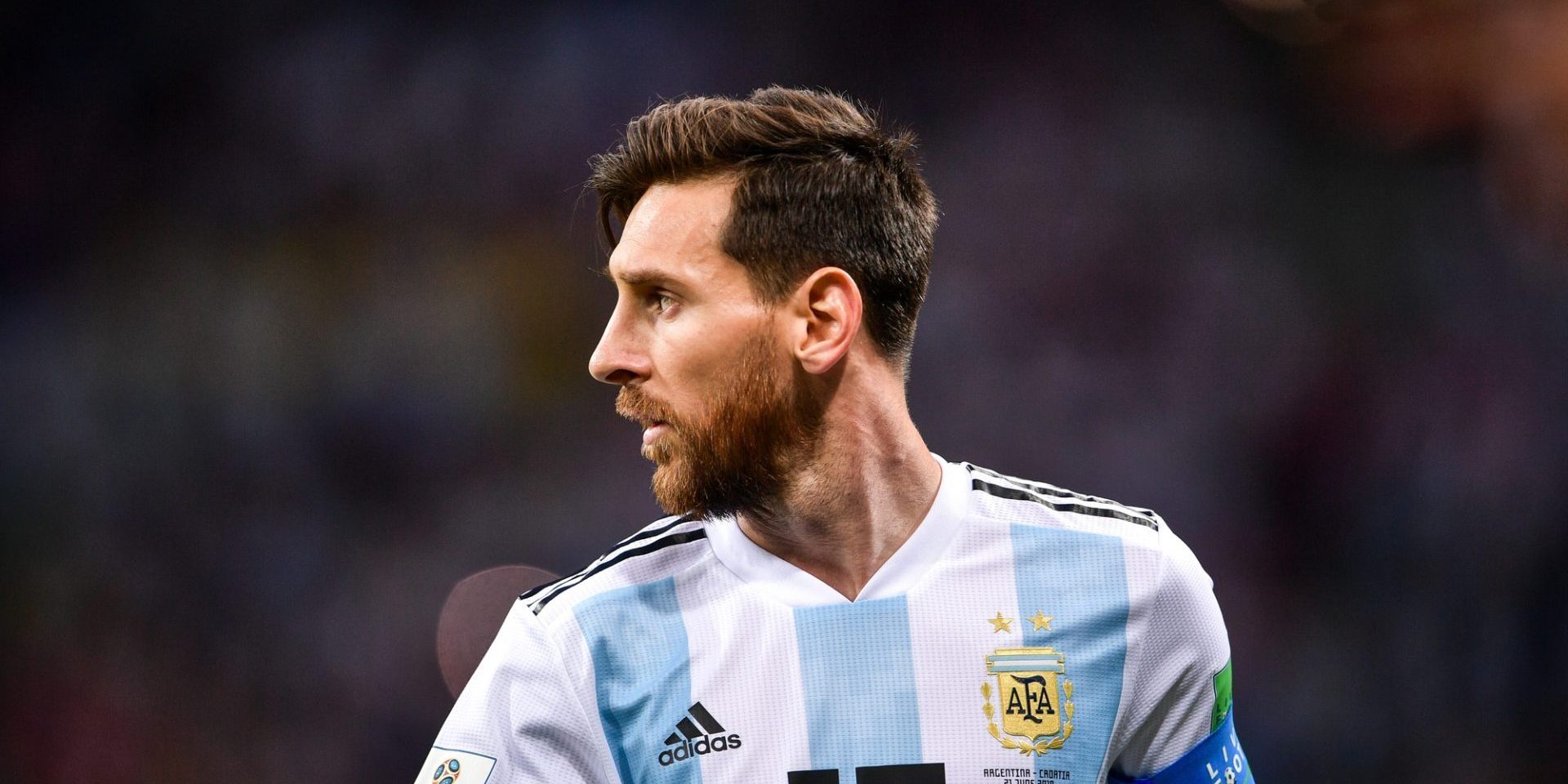

Table of Contents
- Lionel Messi has officially completed his takeover of Spanish second-division club CD Eldense, the club confirmed on Thursday.
- Eldense have not won any of their four league games this season and sacked head coach Claudio Barragán earlier in the week, leaving the club without a manager.
- It is the second Spanish club Messi has bought this year, after taking over fifth-division side Cornellà, and the deal still needs approval from Spain’s National Sports Council.
A World Cup Winner Just Bought a Club With No Manager and No Wins
Eldense have not won a single league game this season. They do not currently have a head coach, having sacked Claudio Barragán earlier this week after four straight winless outings in Spain’s second division. What they have, as of Thursday, is Lionel Messi as their owner.
Eldense confirmed the takeover in a statement, describing it as the start of a new chapter for a club with more than a century of history behind it. “The arrival of one of the most significant figures in sports history into Spanish professional football as the owner of CD Eldense signals the beginning of a long-term project aimed at driving the club’s sporting, institutional, and social development,” the statement read. The deal still requires approval from Spain’s National Sports Council before it is finalised.
Messi takes over from Grupo TH, a Colombian investment group that also owns clubs in Colombia and Switzerland. It is the third change of ownership at Eldense in the past year alone, a level of instability that has shadowed a club now suddenly carrying the name of one of the sport’s biggest figures.
The Second Spanish Club in Messi’s Growing Portfolio
Eldense is not Messi’s first purchase in Spain this year. Earlier in 2026, he was confirmed as the new owner of Cornellà, a fifth-division club based in Barcelona. That deal made headlines largely for where Cornellà sit on the Spanish football pyramid, but it did not make Messi the owner of a professional club. Cornellà remain semi-professional. Eldense, who play in the second tier, change that.
The two clubs are separated by three divisions, which should keep Messi’s ownership of both from causing immediate regulatory problems. The longer term is harder to read. Spain’s Royal Football Federation is unlikely to allow two clubs with the same majority shareholder to compete in the same division, which could eventually cap how far Messi is willing, or able, to push Cornellà while he also owns Eldense.
Spain is not the only country where Messi’s name now appears on a team sheet he did not earn a place on as a player. He is also partially involved, alongside his Inter Miami teammate Luis Suárez, in Deportivo LSM, a club in Uruguay. Between Miami, Cornellà, Eldense and his stake in the Uruguayan side, Messi’s footprint now stretches across three continents without him kicking a ball for any of them.
A Club That Has Waited Decades for a Moment Like This
Eldense were founded in 1921 and have spent almost all of the hundred-plus years that followed outside Spain’s top two divisions. Their 2023 promotion to the second tier was their first in that division in 59 years, a wait that stretched back to 1964. It did not last. They were relegated back down in 2025, only to win promotion again this past summer, meaning Messi’s new club has spent as much of the last two years going up and down the divisions as it has settling into one.
That instability is the backdrop against which this takeover arrives. A club of just over 5,700 home capacity at the Nuevo Pepico Amat in Elda, with three different owners inside twelve months and no head coach heading into its fifth match of the campaign, is not the kind of asset a global brand usually attaches itself to for sporting reasons alone. Whatever Messi’s long-term plan for Eldense turns out to be, the immediate job facing whoever he appoints to run it has two parts: find a manager, and find a first win.
For Eldense’s supporters, the appeal is less complicated than the ownership structure or the regulatory questions hanging over Messi’s two Spanish clubs. Their team has gone 61 years at a time without top-flight football and repeatedly bounced between divisions without the financial security to stay up. Whatever else comes with Messi’s name attaching itself to the club, it arrives with resources and attention Eldense have never previously had.
What happens next depends on decisions still to be made in Elda rather than in Miami. A new head coach needs appointing. The winless run needs ending. And at some point, Spain’s sporting authorities will need to decide how comfortable they are with one of the most famous names in the sport controlling two clubs at once, with only three divisions currently standing between them. For now, Eldense have gone from a club nobody outside Spain’s lower leagues had heard of to one carrying Messi’s name, without playing a single minute differently on the pitch.

Leave a Comment
More in News
Manchester City Found Guilty of £830m Financial Scheme as Carragher Demands Titles Be Stripped

Jack Hendry’s Red Card Inside Ten Minutes Wrecked Sebastien Pocognoli’s First Home Game as Scotland Boss

Cristian Kily Gonzalez Once Lined Up Beside Lionel Messi For Argentina, Now He Is Coaching Him
Cristiano Ronaldo Was an Unused Substitute for Portugal for Only the Third Time in His Career, and Jorge Jesus Has Now Called a Meeting to Calm Him Down

Manchester City Have Until Friday to Appeal Guilty Verdict on 114 of 115 Charges
Trending on Futbol Chronicle
Arab football federations back Gianni Infantino as FIFA president faces growing opposition
Why Soccer Is The Best Sport
The Best World Cup YouTubers to Follow in 2026
Map of All the Premier League Teams for 2025/26