
Mikel Arteta Extends His Arsenal Contract to 2030 as the League’s Last Title-Winning Manager In Charge
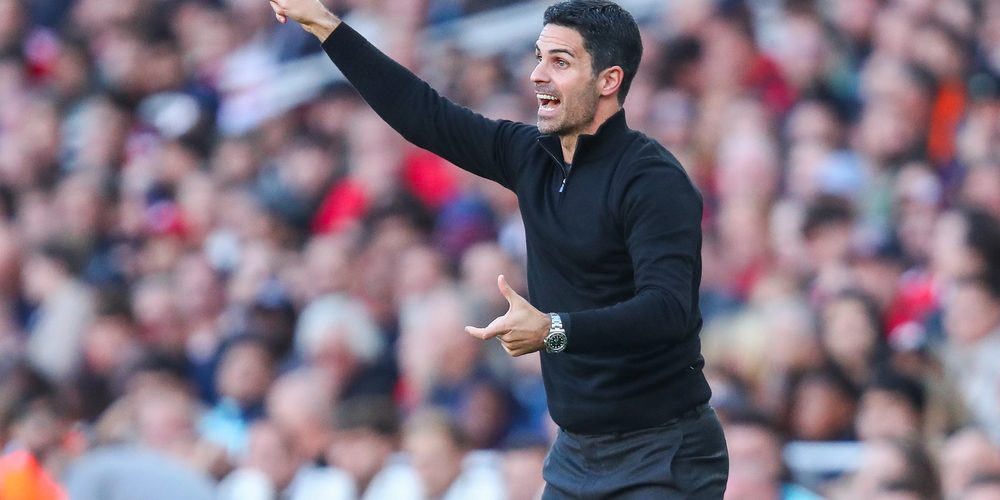
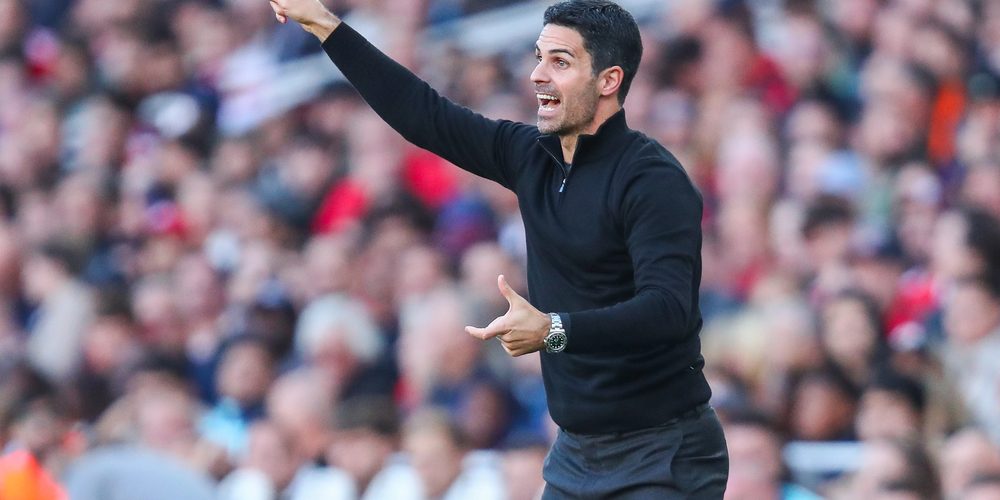
Table of Contents
- Mikel Arteta has signed a new Arsenal contract that runs until 2030, with his previous deal set to expire at the end of this season.
- The new terms raise his pay from £10m a year to a package with an extra £5m in bonuses, a figure he benchmarked against Diego Simeone’s pay at Atletico Madrid and Pep Guardiola’s old salary at Manchester City.
- Guardiola’s exit from Manchester City this summer leaves Arteta as the only Premier League-winning manager still working in England’s top flight.
Guardiola’s Exit Left One Name Standing at the Top of English Football
Mikel Arteta’s old contract had a deadline on it. It ran out at the end of this season, the same season in which Arsenal finally won the Premier League title he had spent five years chasing. That deadline is gone now. Arteta has put his name to a new deal that takes him through to 2030, and the timing lands on a telling week: Pep Guardiola, the man whose Manchester City side blocked Arteta’s path to the title for years, left the English game for good over the summer.
Guardiola’s departure made Arteta the longest-serving manager in the Premier League. Arsenal’s chief executive, Richard Garlick, says that alone gives the club an edge over its rivals. “You look at all the other teams in the sort of traditional top six, and they’ve all gone through managerial changes,” Garlick said. “We’ve now got a manager who’s been with us for a significant period of time and has been allowed to build and develop a team over a period of time.”
Arteta arrived at Arsenal in December 2019 to take over a club that had not won the league in sixteen years and had drifted out of Champions League contention entirely. His first two seasons were a rebuild in the truest sense: a squad stripped of senior players who did not fit his standards, a points deduction-adjacent slump, and a top-four finish that felt like the ceiling rather than the floor. Arsenal supporters who sat through those early years are the ones best placed to measure the distance travelled to a deal that now runs for four more seasons.
A Title, a Final, and a Pay Rise to Match
The numbers behind the new contract tell their own story. Arteta’s salary rises from £10m a year to a deal reported to include an additional £5m in bonuses, bringing him closer to the pay Guardiola commanded at City and what Simeone is said to earn at Atletico Madrid, two managers Arteta has openly used as a reference point for his own worth. It is a jump that reflects where Arsenal now sit rather than where they started: Premier League champions, FA Cup winners, and beaten Champions League finalists against Paris St-Germain in May.
That Champions League final defeat still sits close to the surface. Arsenal came within a penalty shootout of their first European Cup in almost twenty years, and lost. Arteta has described the experience as painful, but people inside the club say it hardened his appetite rather than dented it. Co-chairmen Stan and Josh Kroenke struck a similar note. “We share a special bond with Mikel,” they said. “He has a deep understanding of Arsenal’s values and carries them in his heart. He knows what this club means to everyone connected to it and is committed to building on everything we have achieved together.”
Arteta himself has talked about this contract less as a reward and more as a starting gun. “This club is unique, its character and the way it makes you feel, and I have a great sense of privilege that our journey together will continue,” he said. “We have already built a special bond and created memories that will last a lifetime, and what is so exciting is that this is only the beginning of what we can achieve together.”
Why Standing Still Was Never an Option
Garlick was careful to call the title win a floor, not a ceiling. “We can’t stand still. We can’t sit there, pat ourselves on the back, and say job done,” he said. “This is the beginning, not the end of our journey. This is where we want to go on and show the confidence that that win is going to bring to us. We want to dominate football for the next number of years. We’re in a really strong position to do that, but we need to keep finding that edge that gives us that advantage.”
That edge, in Garlick’s reading, is continuity. Every other member of what is traditionally regarded as the Premier League’s top six has changed manager at least once in the six years Arteta has run Arsenal. Chelsea have gone through a string of appointments. Manchester United have cycled through several permanent bosses. City themselves are now adjusting to life under Enzo Maresca after Guardiola’s exit. Arsenal, by contrast, have had the same voice in the dressing room for almost six years, long enough for Arteta to shape not just a starting eleven but a club-wide way of working.
Arteta is 44. A deal to 2030 would take him to 48 and, in theory, to a decade in charge of one club, a span almost unheard of among the current generation of Premier League managers. Arsene Wenger’s 22-year reign at Arsenal remains the outlier against which every successor is measured, fairly or not, and Arteta has never shied away from that comparison. What he has done, by signing through to 2030 rather than negotiating a short extension, is commit to building something that outlasts a single trophy.
There was never much sense, inside the club, that Arteta was preparing to walk away from a project he still regards as unfinished. Winning the Premier League after a twenty-year wait was the marker he set for himself when he arrived. Getting within a penalty kick of the Champions League has only sharpened the appetite for more. With the contract question settled, the foundation that carried Arsenal back to the top of English football stays exactly where it was: with the same manager, in the same dugout, planning a good deal further ahead than most of his rivals can afford to.

Leave a Comment
More in News
Enzo Maresca Insists Manchester City’s Titles Are Not Tainted After the Club Was Found Guilty on 115 Charges
Michael Carrick Lost Two Title Races to Manchester City, and United Fans Now Mark 50 Years Without a Trophy

Jarell Quansah Was Never Liverpool’s Top Academy Prospect, and He Has Already Won Eight England Caps

Vitor Matos Had Just 12 Games of Management Experience, and Now Swansea Lead the Championship

Xavi Simons Enrolled at Harvard While Out Injured, Nine Months After His World Cup Heartbreak
Trending on Futbol Chronicle
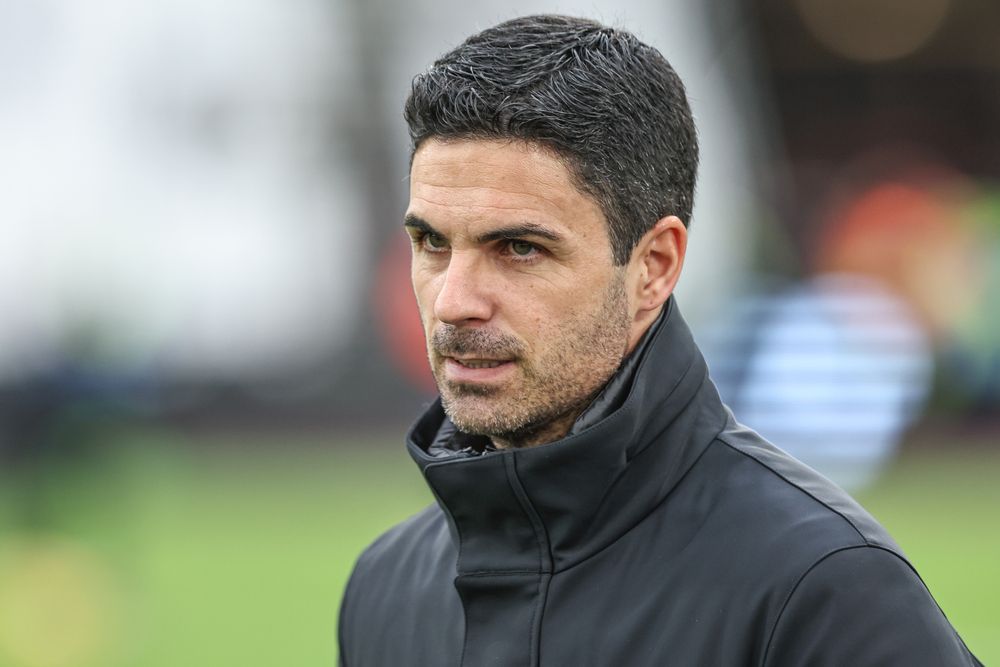
Mikel Arteta backs ‘warrior’ Bruno Guimarães to make Arsenal stronger
Cristian Romero completes €40m move from Tottenham to Atlético Madrid
The Best Soccer Players of All Time: The 10 Greatest Ever Ranked
What Is Offsides in Soccer? The Offside Rule Fully Explained