Mudryk Accuses Shevchenko of Lying and Says WhatsApp Messages Prove It
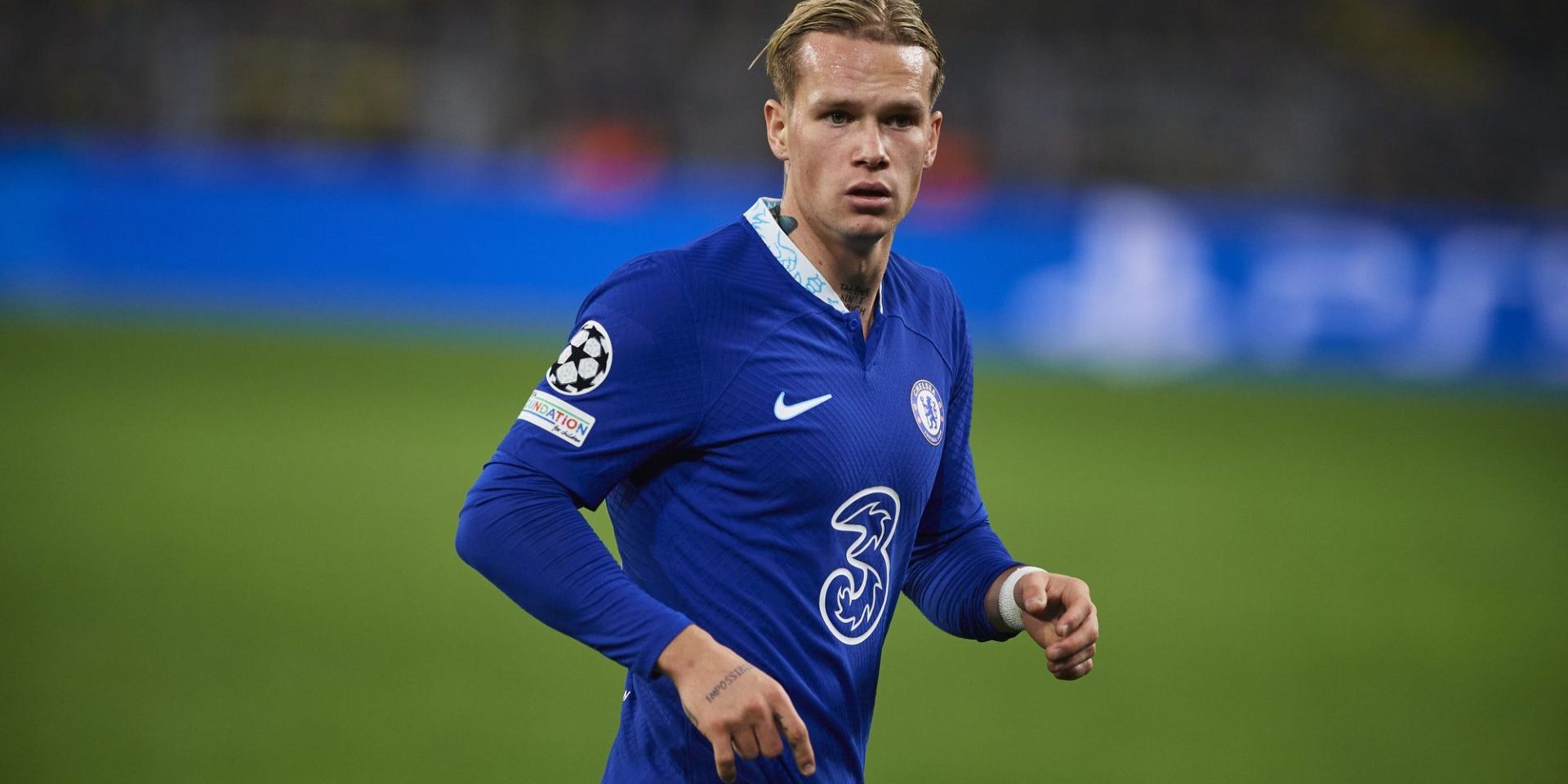
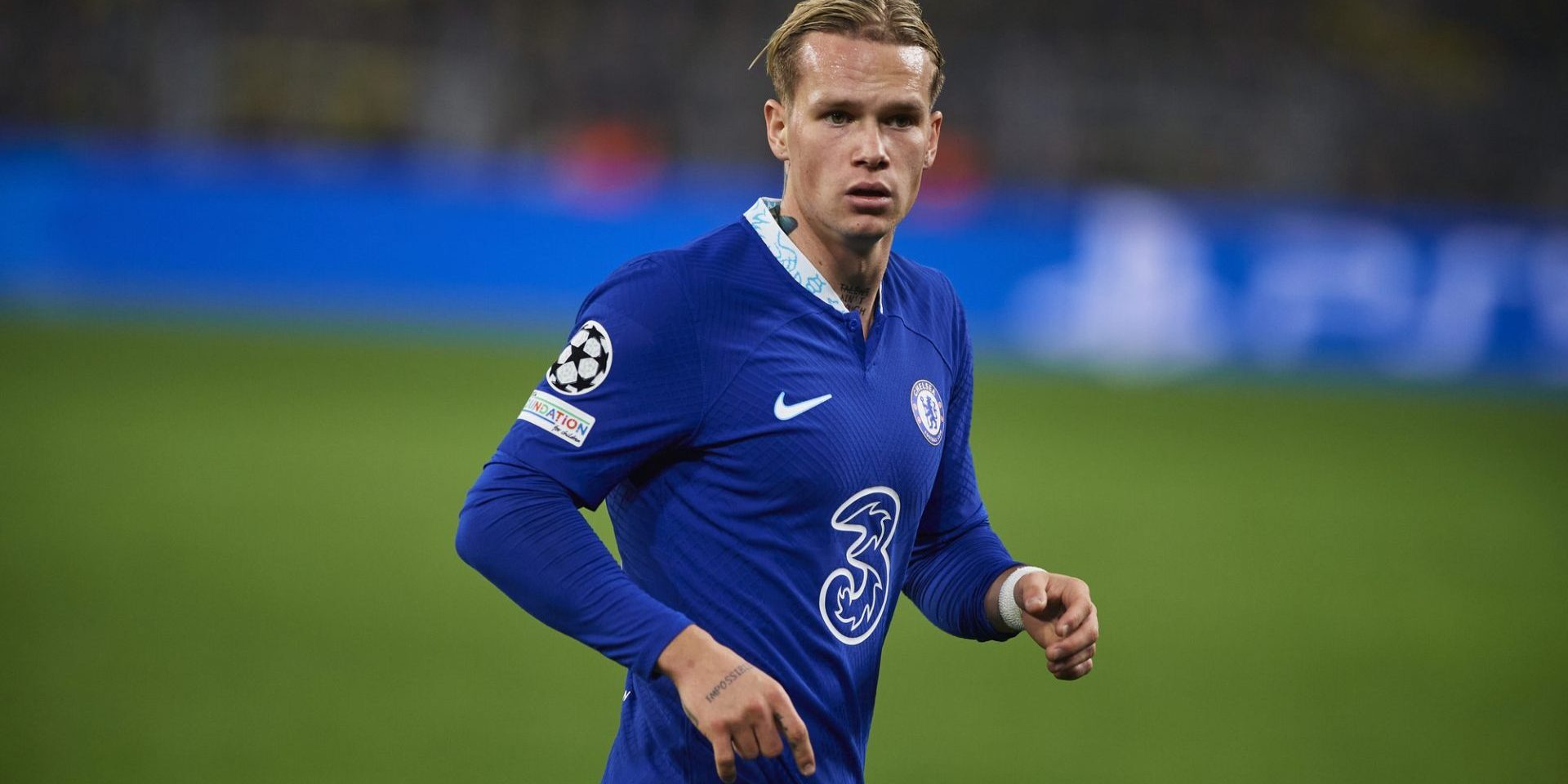
Table of Contents
- Mykhailo Mudryk said on Friday that Andriy Shevchenko’s claim about his representatives is a lie, per BBC Sport.
- Mudryk says he has WhatsApp messages proving he used the Ukrainian federation’s products at training camps, contradicting what its staff told his hearing.
- Shevchenko had accused the winger’s team of asking the federation to find an employee to take the blame for the meldonium found in his doping sample.
The Winger Says WhatsApp Messages Contradict the Federation
Mykhailo Mudryk has accused the president of the Ukrainian football federation of lying, and he says he can prove it. The Tottenham Hotspur winger, who is on a season-long loan from Chelsea, issued a statement on Friday rejecting Andriy Shevchenko’s claim that his representatives repeatedly asked the federation to find an employee to “falsely” take the blame for his failed drugs test. Mudryk called the claim a lie and said “neither I nor my representatives made any such request”. He also says WhatsApp messages show he used the federation’s supplements at national team camps.
What Mudryk Says He Can Prove
Mudryk said his lawyers wrote to the Ukrainian Association of Football (UAF) several times. He described what they asked for.
“My team and I repeatedly asked the UAF to help establish how I might have been exposed to meldonium and who, if anyone, might have been responsible,” Mudryk said.
He added that one of the letters, which he says the UAF leaked to the media on Friday, backs his version.
“In several letters to the UAF at the time, my lawyers made clear that we were seeking truthful information that could be independently verified. One of those letters was leaked to the media by the UAF earlier today and clearly shows that my lawyers wanted ‘true, verifiable and reliable information’.”
Then he turned to Shevchenko’s statement.
“Further, the UAF were repeatedly unhelpful and even attempted to mislead my team in order to distance themselves from the case. For example, UAF staff testified at my hearing that I was not using the UAF’s supplements and Mr Shevchenko has repeated that assertion in his statement – but I have WhatsApp messages that prove that I was using their products during their training camps. That is, I have evidence to prove that their repeated assertions are wrong.”
Mudryk also said the UAF was “repeatedly slow” to respond to requests from his team and “withheld important information and documents” from his lawyers.
How the Row Started
It began with a two-hour interview on Wednesday with the Ukrainian journalist Dmitry Gordon. In it, Mudryk blamed the Ukraine team for his ban. He said he had never come across meldonium and pointed at Ukraine.
“I had never heard of a drug like meldonium, never seen it, never come across it in my life. I only learned about it when they told me the news. I definitely have ideas. It’s a drug you can only get in Eastern Europe,” Mudryk said.
“This drug could only have got into my body where I was, and that’s Ukraine. There are no such drugs in England. It supposedly stimulates your heart and helps you, as far as I understand, handle physical load better.”
Shevchenko, who played for Chelsea himself, answered with a demand for a retraction. He said Mudryk’s representatives had made an approach to the federation.
“His representatives repeatedly approached the UAF with a proposal to find an employee who would falsely take responsibility for the meldonium found in his doping sample,” Shevchenko said. “Such a proposal contradicts the principles of our work.”
Shevchenko’s Version of Events
In a longer statement, the UAF president set out what he says the federation did.
“Loud statements have been made about the UAF and the Ukrainian national team. This is baseless slander against our people, who do their work honestly and professionally,” Shevchenko said.
“After Mykhailo became a Chelsea player, the club sent a letter to the UAF requesting that he not be given any medication during national team training camps,” he continued.
“The national team staff complied with this request. Head coach Serhiy Rebrov also approved for Mykhailo to have two of his personal specialists work with him at the training camps. These were the exact people who monitored his regimen and recovery, and helped him with his daily routine.”
“The UAF completed all necessary checks in this case. We provided Mudryk’s representatives with the information they requested and remained in contact with those working on the case.”
“I know the people who have worked with the national team for many years. I trust them, because throughout all this time there have been no incidents in the team that could make anyone doubt their professionalism. If Mykhailo has evidence to back up his words, let him provide it. If no such evidence exists, I expect him to publicly retract his accusations and apologise to the people whose honesty and professionalism he has called into question.”
Shevchenko also said the federation’s investigations had not established how the substance entered Mudryk’s system.
Where the Dispute Stands
Mudryk was suspended from November 2024 to July 2026 after testing positive for meldonium. He was first handed a four-year ban and returned after a resolution was struck in his case.
He has won 28 caps for Ukraine and is yet to add to that total after the ban was overturned.
An ankle injury has kept him to one substitute appearance for Tottenham this season. He joined Chelsea from Shakhtar Donetsk for £89million.
The UAF has been asked to comment on Mudryk’s statement. Shevchenko said Mudryk should provide evidence for his accusations. Mudryk says WhatsApp messages from the training camps prove the UAF’s repeated assertions wrong.

Leave a Comment
More in News

Lampard Says Officials Watched Tarkowski Hair Pull for 90 Seconds, Missed It
Vitor Matos Expects No Goodwill From Swansea Fans After Quitting for Strasbourg

De Zerbi Defends Mudryk After Spurs Loanee Calls Arsenal His Dream Club
Maresca Says Man City’s Verdict Noise Did Not Cause Three Straight Defeats

Berrada Admits United Lack Stability After Three Managers in Under Three Seasons
Trending on Futbol Chronicle
Michael Carrick points to lack of sharpness after Manchester United draw with West Ham
Celta Vigo postpones LaLiga opener after fungus outbreak damages stadium pitch
The Best Soccer Players of All Time: The 10 Greatest Ever Ranked
Map of All the Premier League Teams for 2025/26