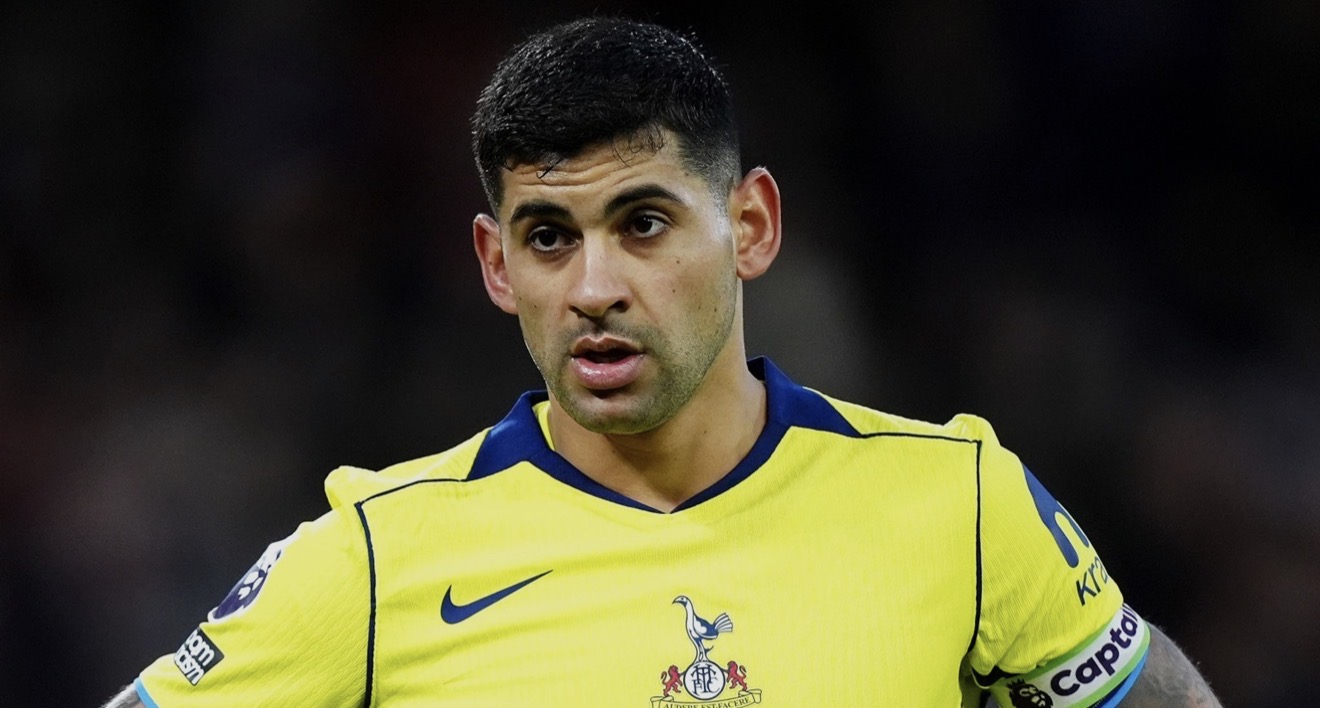
Arsenal Left Short in Attack After Missing Out on Julian Alvarez, Vinicius Junior and Morgan Rogers This Summer
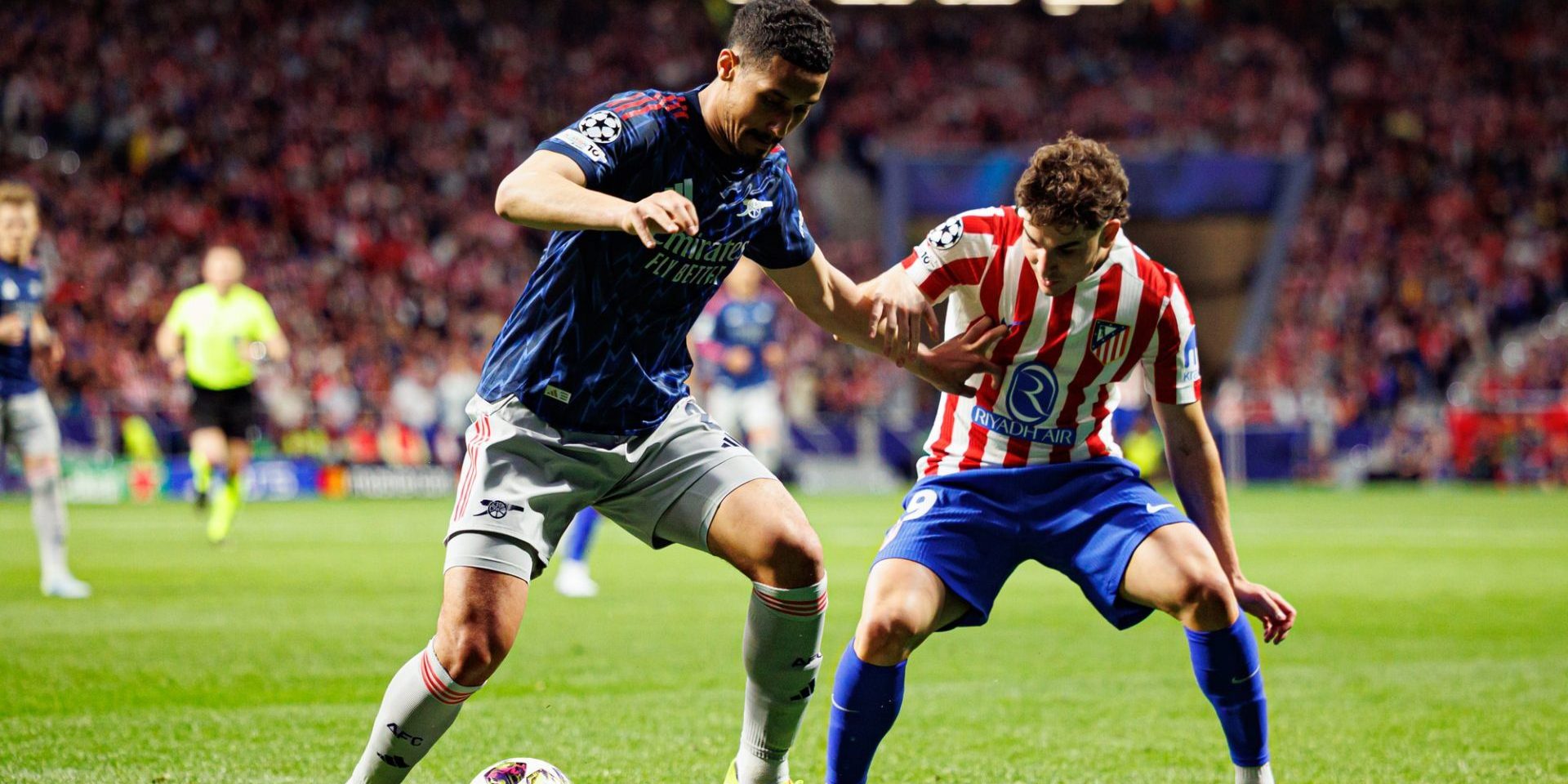

Table of Contents
No Julian Alvarez. No Vinicius Junior. No Morgan Rogers. Three separate pursuits of an elite attacker, three failures, and Mikel Arteta enters the new Premier League season as champion with a front line that has lost four players and gained one.
Alvarez will stay at Atletico Madrid after trying to force through a move to Barcelona. Arsenal waited in the wings for much of the summer but were unable to convince him to return to the Premier League. The Argentine finished last season with eight league goals in 29 La Liga appearances and 20 in all competitions, a return that made him one of the two top scorers at his club, and losing out on him leaves Arteta without the ready-made goal contribution he had hoped would sit alongside Havertz and Gyokeres. Speaking after Arsenal’s Champions League final defeat to Paris Saint-Germain, Arteta demanded the club be “ambitious” and “fast” in the transfer market. Whether Arsenal delivered on either promise is now an open question.
Arsenal go into the new campaign as champions for the first time in 22 years, having won 25 of their 37 league games last season to finish on 82 points and end a title drought that stretched back to 2004. It was the fourth Premier League title in the club’s history and the first under Arteta, who had finished as runner-up in three of his previous seasons in charge before finally getting his side over the line. Defending that title was always going to demand a strong summer in the market. Instead, the club’s pursuit of reinforcements in the final third has repeatedly stalled.
A summer of missed targets
Arsenal began the window with Morgan Rogers as their number one forward target. He went to Chelsea instead, in a £117m deal that made him the most expensive British player in history and broke the record set only weeks earlier when Elliot Anderson joined Manchester City for £116m. Arsenal judged Rogers’ price too steep and let their pursuit drop rather than match Chelsea’s offer. They then turned to an ambitious pursuit of Vinicius Junior, only for the Brazilian to stay at Real Madrid, agreeing a new contract that runs until 2032 after Madrid improved their financial offer following more than a year of deadlocked talks. Real Madrid had been open to a sale this summer if no agreement was reached, and Arsenal’s interest was real, but the improved terms closed off that route before a move could develop. The Alvarez saga ran all the way to deadline day, but the Argentine never showed genuine desire to move to north London. Christos Tzolis ended up being the only front-three arrival at the Emirates all summer.
That single arrival came against a backdrop of significant departures. Arsenal allowed Gabriel Martinelli, Leandro Trossard and Gabriel Jesus to leave, while Ethan Nwaneri joined Borussia Dortmund on loan. Four attackers out, one in, a ratio that leaves the club’s forward options thinner in both quality and depth than they were twelve months ago.
The scale of what has gone becomes clearer when set against how much those departing players actually played. Trossard started 30 games for Arsenal last season, Martinelli 25, Jesus nine and Nwaneri four. Between them they represented a substantial share of the minutes available across the front line, minutes that now have to be found elsewhere in a squad missing four of the players who used to provide them.
The left wing problem
Left wing is the most exposed area of the pitch. Tzolis is the only recognised specialist there until at least January. Eberechi Eze and Noni Madueke can fill in, but both are also required to cover and rotate for Martin Odegaard and Bukayo Saka elsewhere in the attack.
Eze showed, coming off the bench against Aston Villa, that he is capable of doing a job in that position. But neither he nor Tzolis are the pacy, one-on-one runners Arteta favours in that role, and neither tends to go in behind defences the way Martinelli used to. Whether Tzolis can carry the burden alone for most of the season is a genuine question. He played just under 4,400 minutes for Club Brugge last season, roughly 900 minutes short of what Martinelli and Trossard managed combined for Arsenal. On that basis, he could be asked to play around ten more games this season than he did last, a significant rise in workload for a player new to the club and the league.
A centre-forward position stretched thinner
Centre forward is just as tight. With Kai Havertz and Viktor Gyokeres the recognised options and Jesus now gone, Arsenal are one recognised striker short compared with last season. Arteta revealed earlier in the summer that he feared the Premier League title had slipped away from Arsenal back in November, when the Gunners had just one fit striker available in Mikel Merino, who can also operate in that role when needed. Weakening the centre-forward position further, even with Jesus having barely featured in 2026, looks an unusual decision given how close that shortage came to costing the club the title race last time.
Where Arsenal can find comfort
Arsenal can point to strength added elsewhere without adding another body to the front three. The £75m signing of Bruno Guimaraes gives the team a different dimension in midfield. He was one of the Premier League’s most effective players at breaking opposition lines last season and produced an impressive cameo on his Premier League debut against Villa.
There is also the emergence of 16-year-old Max Dowman, who is set for a larger role this season after operating as a wildcard option last term. Dowman, who joined Arsenal’s academy at five years old and became the second-youngest Premier League debutant in the club’s history behind only Nwaneri, broke through last season as the youngest player in Champions League history. He could now be used at right wing and in the number 10 position while Madueke and Eze are needed elsewhere. Arsenal also carry two, and in some positions three, senior options at every position across the pitch, and the club overhauled its medical department over the summer in the hope of improving an injury record that has repeatedly disrupted key players such as Saka and Odegaard.
Part of that squad depth has already been tested. William Saliba’s long-term injury forced Arsenal into the market for a new centre-back, and they turned to Aston Villa’s Ezri Konsa in a deal worth up to £55m, a fixed fee of £51m plus £4m in potential add-ons, after Villa had initially held out for £60m. The 28-year-old England international signed a four-year contract with the option of a further year. With Jurrien Timber and Ben White carrying inconsistent injury records, White having struggled again against Villa, the extra cover at right-back has already proved useful. Between White, Konsa, Cristhian Mosquera and Piero Hincapie, Arsenal have a back-up defence that would be first choice at several other Premier League clubs.
A tighter title race than a year ago
The bigger concern for Arsenal is what their rivals have done. Manchester City have made statement signings in midfield, adding Elliot Anderson, Ayyoub Bouaddi and Enzo Fernandez to overhaul that part of the pitch under new head coach Enzo Maresca. Chelsea did not just take Rogers away from Arsenal, they also strengthened their goalkeeping, defensive and experience levels across the squad. New head coach Xabi Alonso brought in Emiliano Martinez from Aston Villa to compete for the goalkeeping jersey and added Crystal Palace centre-back Lacroix in a £52m deal, a player Alonso knows well from his time facing him in the Bundesliga. Both clubs can now argue they are better equipped to challenge Arsenal in a title fight than they were last season, even as the champions themselves ended the window feeling short in attacking numbers.
Whether the gap between Arsenal and the chasing pack has closed will be tested immediately. Arsenal will host Chelsea on Sunday in a game that will offer an early look at how far Alonso’s rebuilt Chelsea squad has come, and how much Arteta’s side can lean on strength in depth to make up for a summer that failed to bring in the elite attacker they spent five months chasing.
The fixture list does Arsenal no favours in that regard. Champions League football returns to the Emirates this season as holders defend their domestic crown alongside a European campaign that will place extra strain on a squad already carrying fewer front-line attacking options than it did twelve months ago. Arteta’s task now is to manage that workload across two competitions without the depth up front that the club had hoped to add, relying instead on the versatility of Tzolis, the emergence of Dowman and the goal contribution of a strengthened midfield to close the gap that a difficult transfer window has left in attack.

Leave a Comment
More in News

Millwall Promise Strongest Action After Alleged Racist Chants Aimed at Eom Ji-sung

Cristian Chivu Admits He Got Inter Too Fired Up at Half-Time
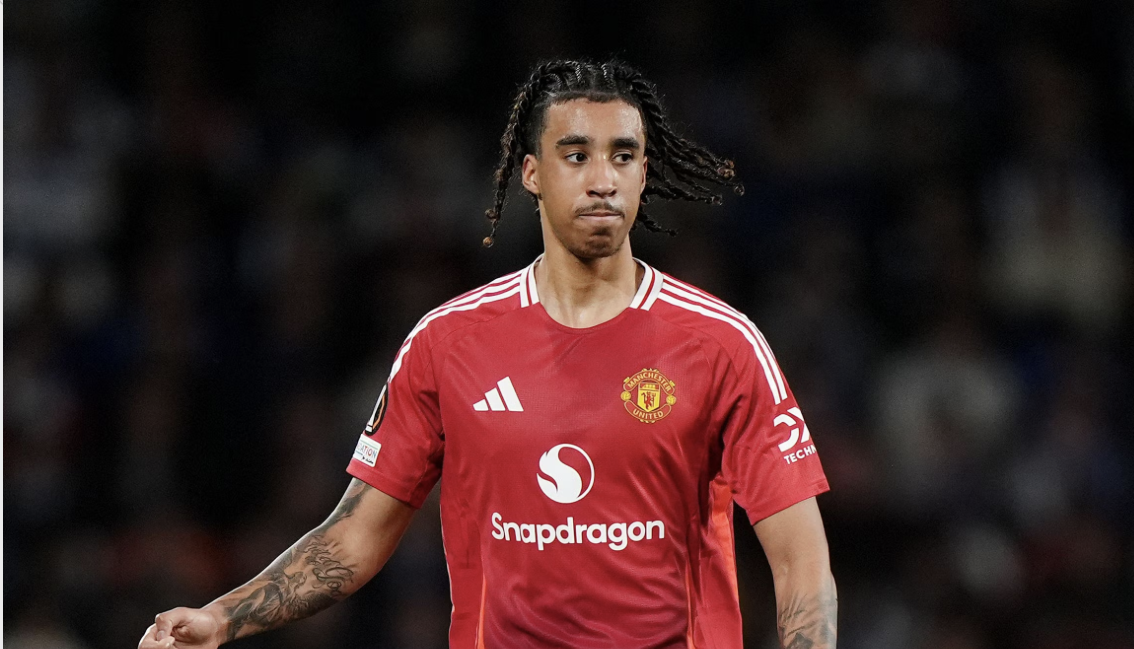
Clinton Morrison Calls Leny Yoro’s Red Card at Atletico Madrid Soft

New York Man Wants To Pick Up Lunch 2 Minutes After Chipotle Opens. Then He Looks In The Window: ‘Those Employees Def Talking About You’

Enzo Maresca Hits Back: ‘What Do You Want Us to Do?’
Trending on Futbol Chronicle
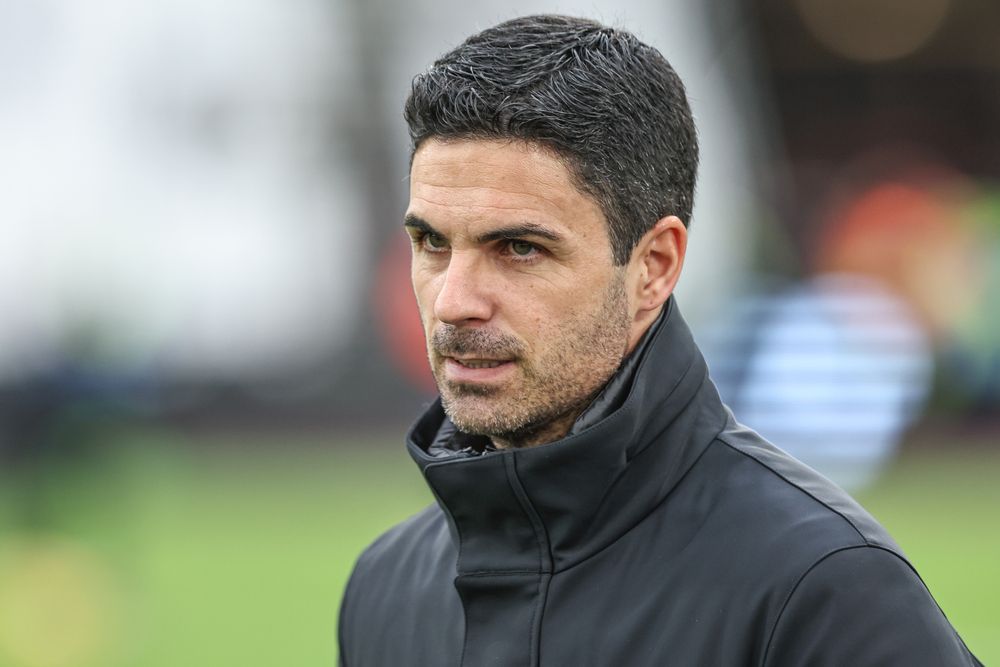
Mikel Arteta backs ‘warrior’ Bruno Guimarães to make Arsenal stronger
The Best Soccer Players of All Time: The 10 Greatest Ever Ranked
Celta Vigo postpones LaLiga opener after fungus outbreak damages stadium pitch

The Best World Cup YouTubers to Follow in 2026