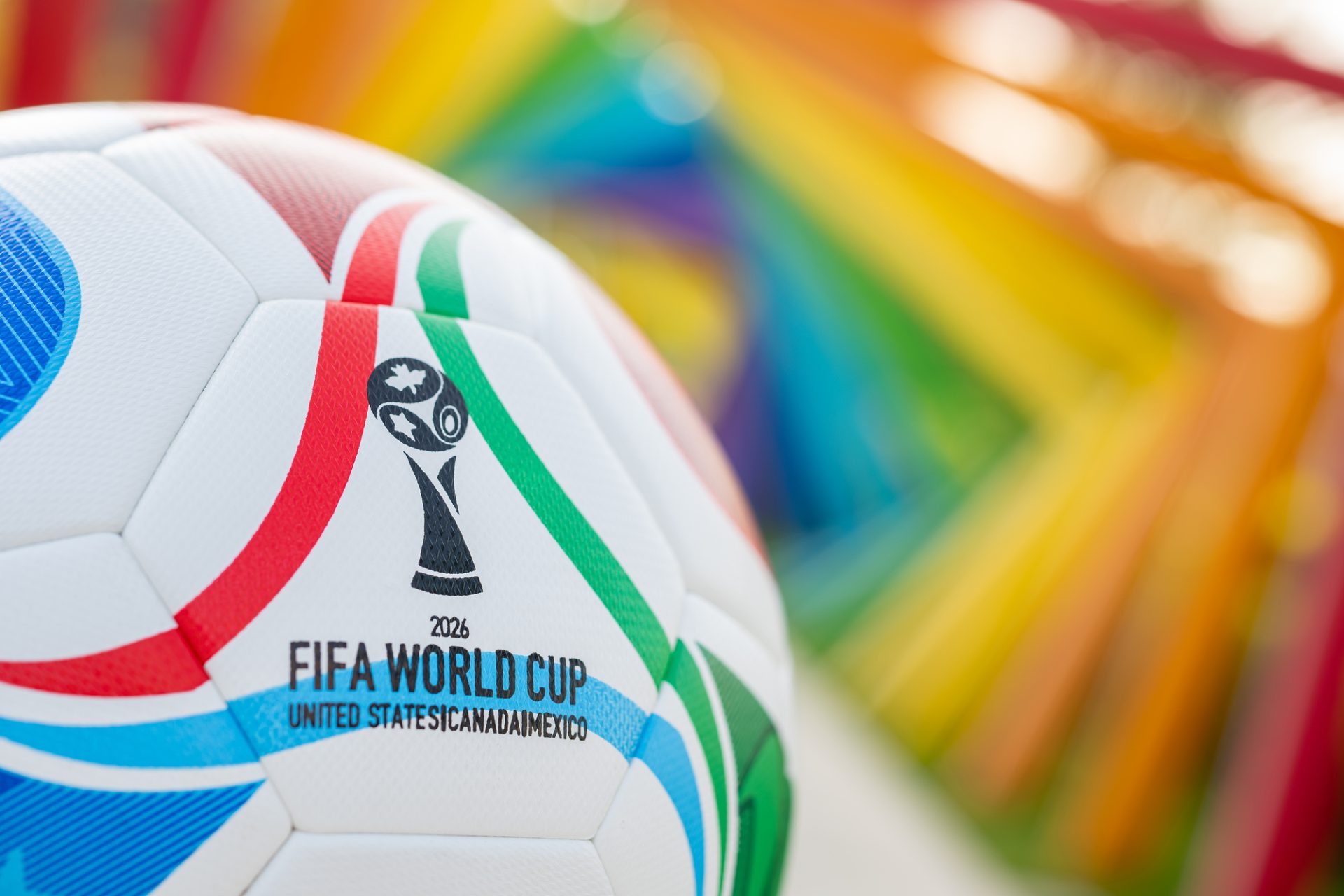
Haiti’s World Cup Dream Meets Harsh Reality as U.S. Travel Ban Bars Fans
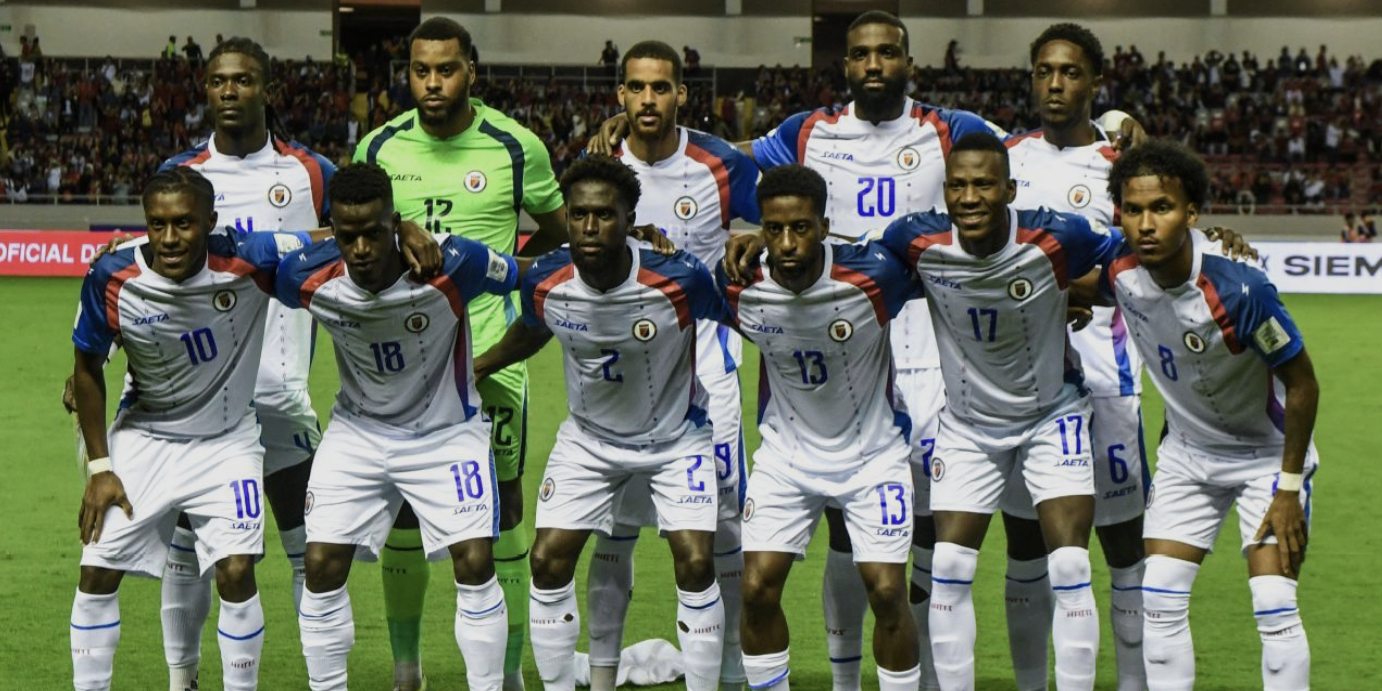
- Haiti qualify for the World Cup for the first time in more than 50 years despite playing all matches away from home
- U.S. travel restrictions mean Haitian fans cannot attend games in America
- Community leaders and officials urge exemptions amid claims the ban undermines the spirit of the tournament
When Haiti’s men’s national team secured qualification for the 2026 FIFA World Cup, it marked a historic breakthrough for a country that has endured years of political turmoil, economic hardship and insecurity. It was their first appearance at football’s greatest tournament since 1974, achieved without playing a single home match or training on Haitian soil.
For many Haitians, the qualification itself felt like a small miracle. For others, the celebrations were quickly tempered by a bitter reality. Most Haitian fans will be unable to travel to the United States to watch their team compete because of a sweeping visa ban introduced by the Trump administration.
“Which makes this achievement even more remarkable. We’re very proud of this,” said Regine Etienne, Haiti’s acting consular general in Boston. “Their journey demonstrates that there is still hope for Haiti, and that determination and talent can triumph despite adversity.”
That sense of hope is now colliding with geopolitics. Under Presidential Proclamation 10998, nationals from 39 countries face severe restrictions on U.S. visa issuance, with Haiti among those effectively barred. Senegal, Ivory Coast and Iran, all of whom have also qualified for the World Cup, are subject to similar measures.
Players, team officials and immediate family members are eligible for visas. For supporters, however, exemptions are expected to be rare. A State Department spokesperson said decisions would prioritise “the safety of the American people and our national interests,” adding that visas “are a privilege, not a right.”
For Haitians at home and across the diaspora, the policy feels like a cruel blow. World Cup qualification offers rare global visibility for a nation too often associated only with crisis. Instead, fans face watching from afar.
“The Haitian flag will be there, but the Haitian people will not,” said Lionel Lucien, a Haitian American community leader in Boston. “That contradiction is painful.”
New York City Mayor Zohran Mamdani has said he intends to lobby for travel exemptions, describing the World Cup as an opportunity for communities to be “seen by a world that often overlooks you.” Yet there is little indication the White House will relent, despite pressure from civic leaders, activists and immigration advocates.
The administration argues the ban is necessary because of security risks, unreliable civil documentation and high visa overstay rates. Critics counter that a blanket prohibition amounts to collective punishment and undermines the inclusive values FIFA promotes.
Human Rights First has described the policy as discriminatory, while immigration lawyer Jonathan Grode said the hardline approach runs counter to both economic logic and sports diplomacy.
“You have commerce officials who understand the importance of welcoming the world, and immigration hawks who reject that instinct entirely,” Grode said. “That conflict is playing out in real time.”
For Haiti, the implications go far beyond football. Community leaders see the World Cup as a chance to reclaim dignity, pride and international recognition.
“For Haiti this is not just about soccer, it’s about visibility and respect,” said James “Reggie” Colimon, director of global affairs and protocol for Boston Mayor Michelle Wu. “Sport is meant to unite. Excluding our people sends the opposite message.”
Haiti will play all its group-stage matches in the United States, including its opener in Boston. The team will walk onto the pitch carrying the hopes of millions, cheered on by those able to attend and followed closely by supporters barred from making the journey.
Their qualification already stands as a testament to resilience. Whether the World Cup becomes a symbol of inclusion or exclusion may depend not on footballing merit, but on political will.

Leave a Comment
More in News

Thierno Barry Was Filmed Crying In A Private Training Session Last Season, And He Has Already Scored In Three Games This Campaign
Gravenberch’s Red Card Sparks Referee Row in Liverpool’s Defeat to City

Moise Kean Will Miss Como’s Biggest Game of the Season After Cesc Fabregas Clashed With Italy’s Doctors

Oliver Glasner Returned to Crystal Palace and Fans Turned From Applause to Taunts as Forest Lost
Vinicius Red Card for Hair Pull Leaves Mourinho Snubbing the Press
Trending on Futbol Chronicle
Map of All the Premier League Teams for 2025/26
What Is The Club World Cup?
Celta Vigo postpones LaLiga opener after fungus outbreak damages stadium pitch
Cristian Romero completes €40m move from Tottenham to Atlético Madrid