UEFA confirms major overhaul to European qualification format ahead of 2030 World Cup

- UEFA will introduce a Champions League-style qualification system for national teams
- New format will begin in time for the 2030 World Cup qualifiers
- UEFA says changes will reduce “dead matches” and improve competitiveness
UEFA has confirmed plans to radically reshape European qualification for international tournaments by introducing a Champions League-style format ahead of the 2030 World Cup.
The new structure will mirror the “Swiss system” already used in UEFA club competitions and represents one of the biggest changes to European international football qualification in decades.
Under the proposal, the 36 highest-ranked nations will compete in League A and be drawn into a single competition structure where each team plays six different opponents rather than traditional home-and-away group formats.
League A will effectively function as Europe’s elite qualification tier, while lower-ranked nations will compete in League B under a separate structure.
UEFA said the changes are designed to create more meaningful matches, reduce predictable scorelines and maintain competitive balance throughout qualification campaigns.
The governing body confirmed that the three League A group winners would qualify automatically for major tournaments, while additional places would be decided through playoffs involving teams from both divisions.
Exact qualification pathways are still being finalised ahead of formal approval by UEFA’s executive committee in September.
UEFA president Aleksander Ceferin said the reforms would modernise international football without increasing pressure on the calendar.
“The new formats will improve competitive balance, reduce the number of dead matches, offer a more appealing and dynamic competition to fans, while ensuring a fair qualification chance for all teams and without adding any additional dates in the international calendar,” Ceferin said.
“Altogether, the changes will grow the value of UEFA men’s national team football and we are very much looking forward to the implementation of the new competition systems.”
UEFA believes the model will prevent mismatches between Europe’s strongest and weakest nations, a longstanding criticism of the current qualification process.
The existing system has often produced heavily one-sided games, particularly in early qualification rounds, with elite nations routinely recording double-digit victories against smaller countries.
The changes will also affect the Nations League from the 2028-29 edition onwards.
UEFA plans to reduce the competition from four leagues to three divisions of 18 teams, with each league split into three groups of six nations.
The revised structure will continue to include knockout rounds, semifinals and finals played during the March and June international windows.
The Football Association chief executive Mark Bullingham welcomed the direction of travel and previously stressed the need to modernise qualification.
“We need to keep looking at ways to make international football even better and there’s genuine appetite to do that,” Bullingham said.
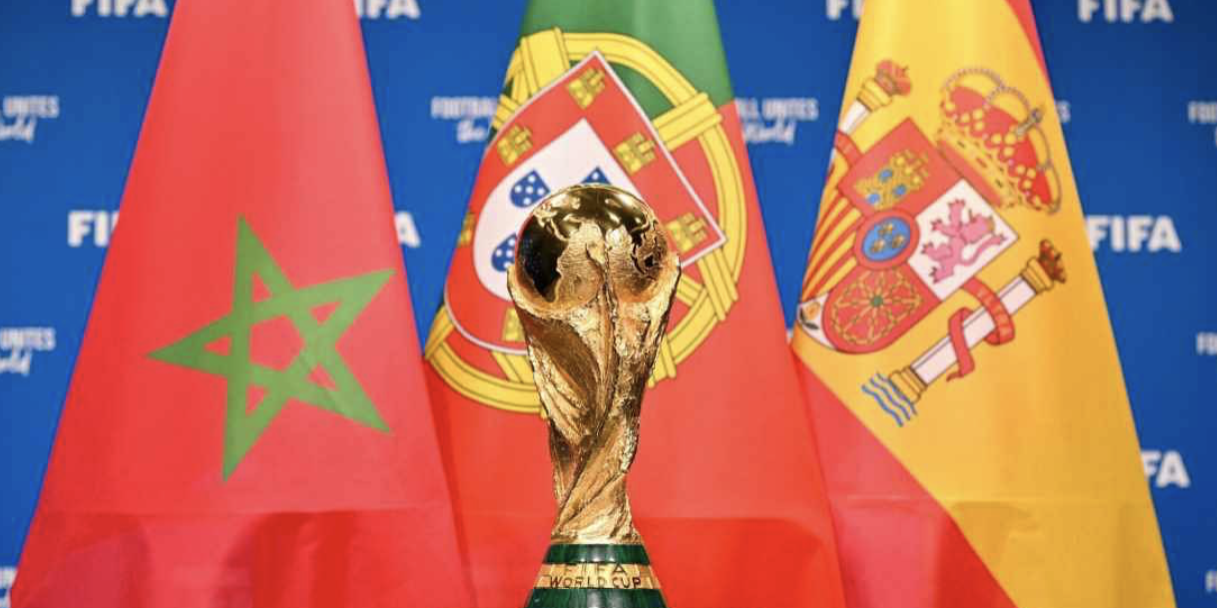
Under the current proposal, 2030 World Cup co-hosts Spain and Portugal would qualify automatically for the tournament but would still participate in qualification matches tied to Nations League objectives.
UEFA believes the overhaul will create a more compelling international calendar while increasing the commercial and sporting value of European national team football.

Leave a Comment
More in News

Eberl Says Kompany Needs Protecting From Himself After Training Collapse

‘I base that off the 2 states where I served, Pennsylvania and Tennessee’: Waitress of 10 years says you should never tip below the standard—even with bad service
Rodri Says Real Madrid Cannot Fool Him Before His First Clásico

Chicago man orders iPhone 18 Pro Max. Then he gets an email saying his package has been delivered—and signed for

Enzo Maresca Says Both Villa Goals Were Avoidable as Guehi Struggles Again
Trending on Futbol Chronicle
Map of All the Premier League Teams for 2025/26
Cristian Romero completes €40m move from Tottenham to Atlético Madrid
The Best Soccer Players of All Time: The 10 Greatest Ever Ranked
Celta Vigo postpones LaLiga opener after fungus outbreak damages stadium pitch