
Virgil van Dijk Questions FIFA Hydration Breaks as World Cup Debate Intensifies
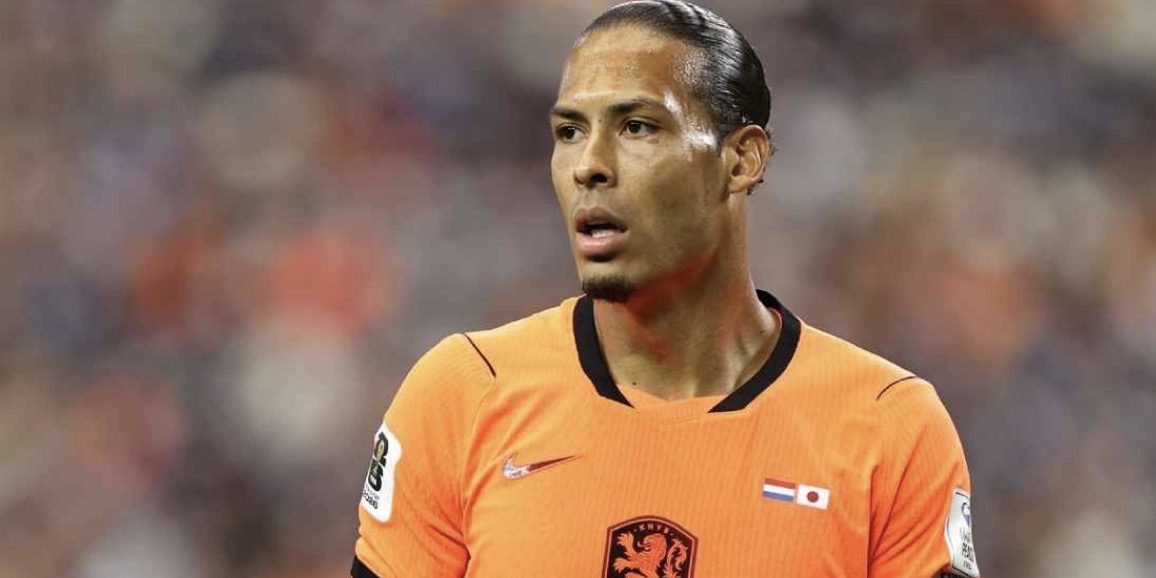

- Virgil van Dijk has criticised the use of hydration breaks during World Cup matches played in comfortable conditions.
- The Netherlands captain suggested the stoppages disrupt the flow of games and television viewing.
- FIFA introduced mandatory hydration breaks at the 2026 World Cup following concerns over extreme heat and player welfare.
Netherlands captain Virgil van Dijk has questioned FIFA’s decision to introduce mandatory hydration breaks at the 2026 World Cup, suggesting the stoppages are unnecessary in matches where weather conditions do not warrant them.
The Liverpool defender made the comments after the Netherlands’ 2-2 draw against Japan at AT&T Stadium in Arlington, Texas, a venue equipped with climate control systems and far removed from the extreme temperatures seen elsewhere during the tournament.
Asked for his thoughts on the breaks, Van Dijk indicated he was unconvinced by their widespread use.
“Hydration breaks are a bit interesting, because I was obviously watching almost all the games up until today, and every time going to commercial is a bit … Not really that I like it,” Van Dijk said.
“I think for the neutral watchers on TV it’s also not great. If it’s really hot, obviously it would be good to put them in. But I think you have to look at it in every game, separately, in my opinion.”
The 34-year-old then added: “But I think I’ve said enough already for that.”
FIFA implemented three-minute hydration breaks in each half of every World Cup match after concerns emerged over player welfare during periods of extreme heat at last summer’s expanded Club World Cup.
The policy has since generated debate across the tournament, with critics arguing the stoppages can disrupt momentum and create additional commercial opportunities for broadcasters.
Several television networks have opted to air advertisements during the breaks after FIFA approved the practice earlier this year.
The impact of the interruptions was also highlighted by Germany coach Julian Nagelsmann following his side’s 7-1 victory over Curaçao.
Nagelsmann revealed the first-half hydration break gave Germany an opportunity to adjust tactically after struggling against Curaçao’s unusual midfield shape.
“Curacao played with a diamond today, and we adjusted how we attacked before the hydration break,” Nagelsmann said.
“But even so, there were still two or three moments where it took a little while because, at the end of the day, you actually very rarely play against a diamond-shaped team these days.
“Very few teams do that anymore, and we needed a bit of time. The water break was actually good to simply reiterate what we had already adjusted on the board.”
While FIFA continues to defend the measure as a player welfare initiative, Van Dijk’s comments add to a growing conversation about whether hydration breaks should be applied universally or determined on a match-by-match basis.
With temperatures varying significantly across host cities during the World Cup, the debate over balancing player safety, match rhythm and broadcast considerations is likely to remain a talking point throughout the tournament.

Leave a Comment
More in News

Eberl Says Kompany Needs Protecting From Himself After Training Collapse

‘I base that off the 2 states where I served, Pennsylvania and Tennessee’: Waitress of 10 years says you should never tip below the standard—even with bad service
Rodri Says Real Madrid Cannot Fool Him Before His First Clásico

Chicago man orders iPhone 18 Pro Max. Then he gets an email saying his package has been delivered—and signed for
Enzo Maresca Says Both Villa Goals Were Avoidable as Guehi Struggles Again
Trending on Futbol Chronicle
The Best Soccer Players of All Time: The 10 Greatest Ever Ranked
Josef Martinez Returns to MLS Spotlight With Columbus Crew Signing
Arab football federations back Gianni Infantino as FIFA president faces growing opposition
Why Soccer Is The Best Sport