Celtic’s Late VAR Penalty Leaves Scottish Title Race Boiling Ahead of Final Day


- Celtic’s stoppage-time winner against Motherwell came from a VAR-awarded penalty for handball.
- The decision sparked fierce criticism from managers, pundits and politicians across Scottish football.
- Celtic now trail Hearts by just one point ahead of a dramatic title decider at Celtic Park.
Scottish football has never struggled for drama, but even by its own standards Wednesday night at Fir Park felt chaotic, emotional and combustible.
Celtic’s 2-1 victory over Motherwell arrived through an injury-time penalty that immediately ignited outrage across the game, dragging VAR, handball laws and officiating standards back into the spotlight before a title-deciding weekend.
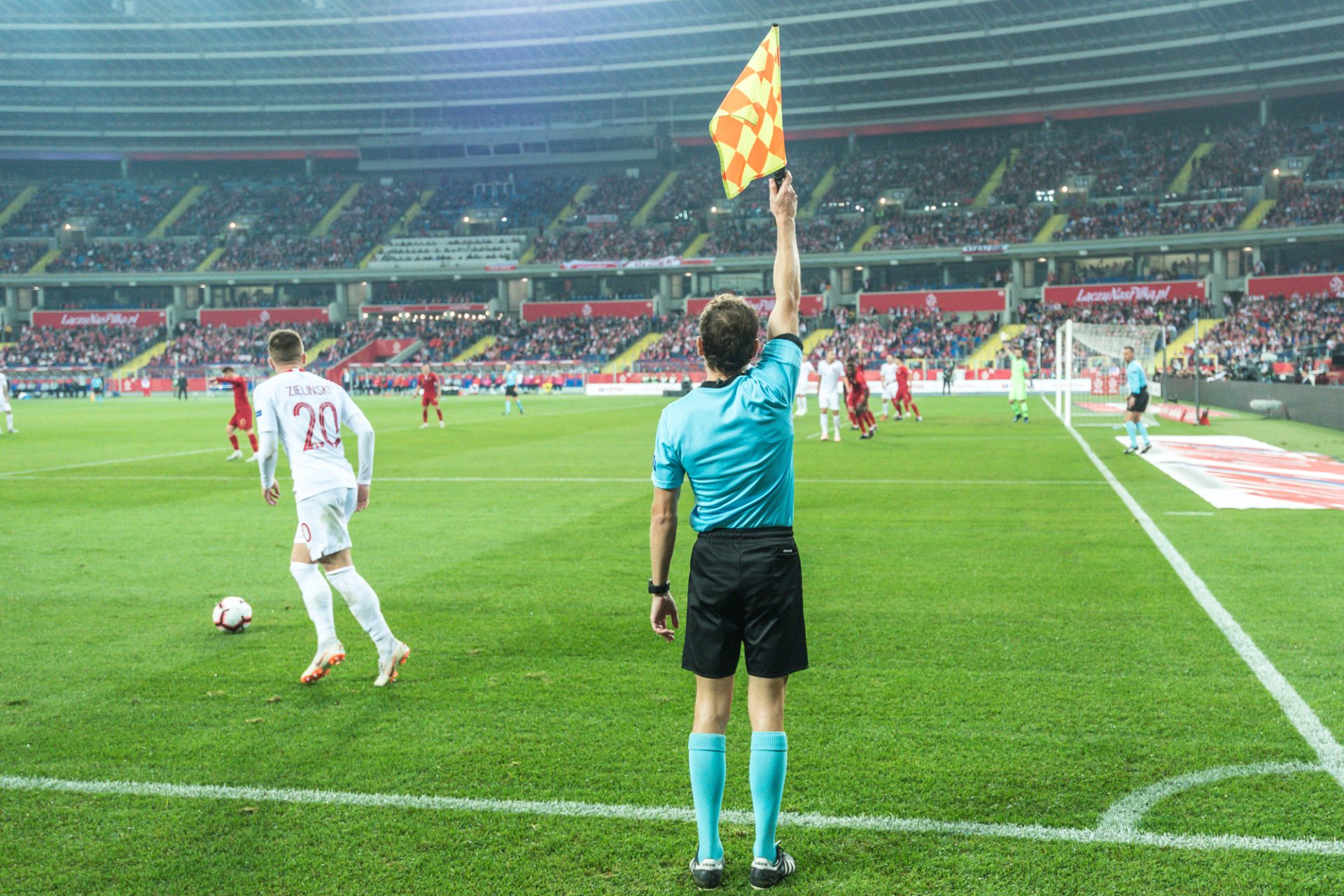
The decisive moment came deep into added time when Motherwell’s Sam Nicholson challenged Austin Trusty inside the area. The ball struck Nicholson’s arm as both players rose, with referee John Beaton initially allowing play to continue.
VAR official Andrew Dallas intervened moments later, classifying the incident as a “serious missed incident” and recommending an on-field review.
After a brief trip to the monitor, Beaton pointed to the spot.
Kelechi Iheanacho converted the penalty and suddenly the entire complexion of the Scottish Premiership title race shifted.
Had Celtic dropped points, Hearts would have travelled to Celtic Park on Saturday knowing even a two-goal defeat could still deliver a first league title since 1960. Instead, Derek McInnes and his players now simply need to avoid defeat to secure one of the most remarkable championships in modern Scottish football history.
That context explains why the fallout has been so fierce.
McInnes described the decision as “disgusting,” while Motherwell boss Jens Berthel Askou called it “shocking and a shame for the game.”
The criticism quickly spread beyond the touchline.
Former Rangers striker Ally McCoist branded it “a horrendous decision that has once again embarrassed Scottish football,” while Don Hutchison labelled it “the worst decision of all time.”
Even former England captain Gary Lineker joined the debate, describing the call as one of the worst VAR decisions he had ever seen.
Then politics entered the conversation too.
Former Scottish secretary Ian Murray, a passionate Hearts supporter, questioned the consistency of officiating after claiming his club had been denied “two clearer penalties” only days earlier.
The controversy has also reopened familiar arguments surrounding VAR and handball laws themselves.
VAR was introduced into Scottish football in October 2022 with the aim of correcting “clear and obvious” errors in match-changing moments. Goals, penalties, straight red cards and mistaken identity all fall within its remit.
Yet despite the technology, the final decision still belongs to the on-field referee.
That is important here because Beaton retained the authority to reject the recommendation after reviewing the footage. Instead, he chose to overturn his original call.
The handball law itself remains equally contentious.
Current Scottish FA guidance states that arms positioned above shoulder height are rarely considered natural, meaning players “take a risk” when defending in that manner. At the same time, officials are also told to consider reaction time and whether contact was avoidable when the ball deflects from close range.
As always with handball, interpretation sits at the centre of the storm.
Hearts are expected to seek further clarity from Scottish FA head of referees Willie Collum before the weekend showdown, while scrutiny on officials will only intensify after the SFA confirmed Don Robertson will referee Saturday’s title decider, assisted by VAR official Kevin Clancy.
Celtic, though, are unlikely to spend much time dwelling on the debate.
Martin O’Neill’s side have dragged themselves back into the title race through persistence, pressure and late moments that refused to let the season drift away. Whatever the noise surrounding Wednesday’s decision, they arrive at the final day still alive.
Now comes the hardest part.

Leave a Comment
More in News
Infantino confirms FIFA will discuss potential 64-team World Cup expansion

Erling Haaland Now Backs England After ‘Good Friend’ Bellingham Ends Norway’s Run

Paul Merson: Jude Bellingham’s X-Factor Can End England’s 60-Year World Cup Wait
Argentina Survive Extra Time Again To Book First Meeting With England In 24 Years

Lamine Yamal Told He Has More To Give As Spain Prepare To Face France
Trending on Futbol Chronicle

Why Soccer Is The Best Sport

Map of All the Premier League Teams for 2025/26
The Best World Cup YouTubers to Follow in 2026
What Is The Club World Cup?