
U.S. Waives World Cup Visa Bonds for Ticket-Holding Fans After FIFA Pressure
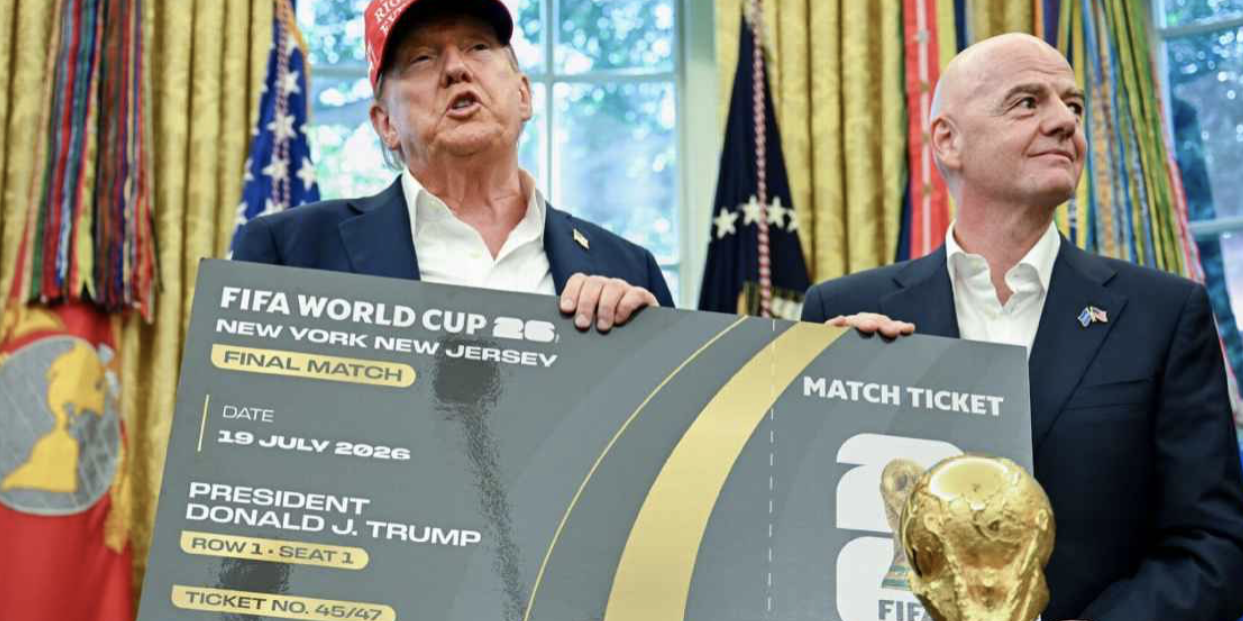

- The U.S. government will suspend visa bond requirements for confirmed FIFA World Cup ticket holders from affected nations.
- Fans from five qualified World Cup countries had previously faced bonds of up to $15,000 to enter the United States.
- FIFA reportedly spent months lobbying for exemptions amid growing concerns over travel barriers and declining international demand.
The Trump administration has agreed to waive visa bond requirements for confirmed World Cup ticket holders travelling to the United States, offering a significant concession ahead of this summer’s tournament.
The State Department confirmed on Wednesday that supporters from countries affected by the policy will no longer need to pay bonds worth up to $15,000, provided they can prove they hold FIFA World Cup tickets and are registered through FIFA’s expedited visa programme.
Assistant Secretary of State for Consular Affairs Mora Namdar said the move was designed to support what officials hope will become the biggest World Cup in history.
“The United States is excited to organize the biggest and best FIFA World Cup in history,” Namdar said. “We are waiving visa bonds for qualified fans who bought World Cup tickets.”
The policy shift arrives after months of criticism surrounding the United States’ increasingly restrictive immigration measures in the build-up to the tournament, which begins on June 11 and is being co-hosted by the United States, Canada and Mexico.
Last year, the administration introduced mandatory visa bonds for travellers from 50 countries identified as having high visa overstay rates or additional security concerns. Five World Cup-qualified nations were included on that list: Algeria, Cape Verde, Ivory Coast, Senegal and Tunisia.
Until now, only players, coaches and official support staff connected to the tournament had been exempt from the requirements. Ordinary supporters, even those holding confirmed match tickets, were still expected to pay thousands of dollars before travelling.
The waiver represents a rare softening of immigration policy under the administration and comes after sustained pressure from FIFA behind the scenes.
According to reports, FIFA spent several months lobbying both the State Department and Department of Homeland Security in an attempt to ease restrictions for travelling supporters. The issue reportedly became a regular topic during meetings in Washington as concerns grew over the tournament’s accessibility.
The wider atmosphere surrounding travel to the United States has become an increasingly uncomfortable subplot ahead of the competition.
Travel restrictions affecting countries such as Iran and Haiti remain in place, although football delegations are exempt. Additional screening requirements, including social media checks for visa applicants, have also fuelled concern among international supporters and civil rights groups.
Earlier this month, Amnesty International and dozens of U.S.-based advocacy organisations issued a formal World Cup travel advisory warning supporters about the political and immigration climate surrounding the tournament.
The American Hotel & Lodging Association also warned that visa complications and geopolitical concerns were already suppressing international demand. The group said hotel bookings linked to the tournament were falling below original projections because many supporters remained uncertain about entry procedures and processing delays.
For affected fans, the visa bond system had become one of the clearest symbols of that uncertainty. Applicants from certain countries faced refundable payments ranging from $5,000 to $15,000 before being granted temporary visas.
Officials reportedly believed only a few hundred World Cup supporters had initially been affected by the rule earlier this year, although that number was expected to rise as ticket sales increased.
The decision to remove those barriers for confirmed ticket holders will come as a relief for FIFA, which has spent much of the pre-tournament period battling criticism over ticket prices, transport costs and fan accessibility.
The football itself has not yet started, but already the politics surrounding the World Cup are shaping almost as much conversation as the tournament on the pitch.

Leave a Comment
More in News

Eberl Says Kompany Needs Protecting From Himself After Training Collapse

‘I base that off the 2 states where I served, Pennsylvania and Tennessee’: Waitress of 10 years says you should never tip below the standard—even with bad service

Rodri Says Real Madrid Cannot Fool Him Before His First Clásico

Chicago man orders iPhone 18 Pro Max. Then he gets an email saying his package has been delivered—and signed for

Enzo Maresca Says Both Villa Goals Were Avoidable as Guehi Struggles Again
Trending on Futbol Chronicle
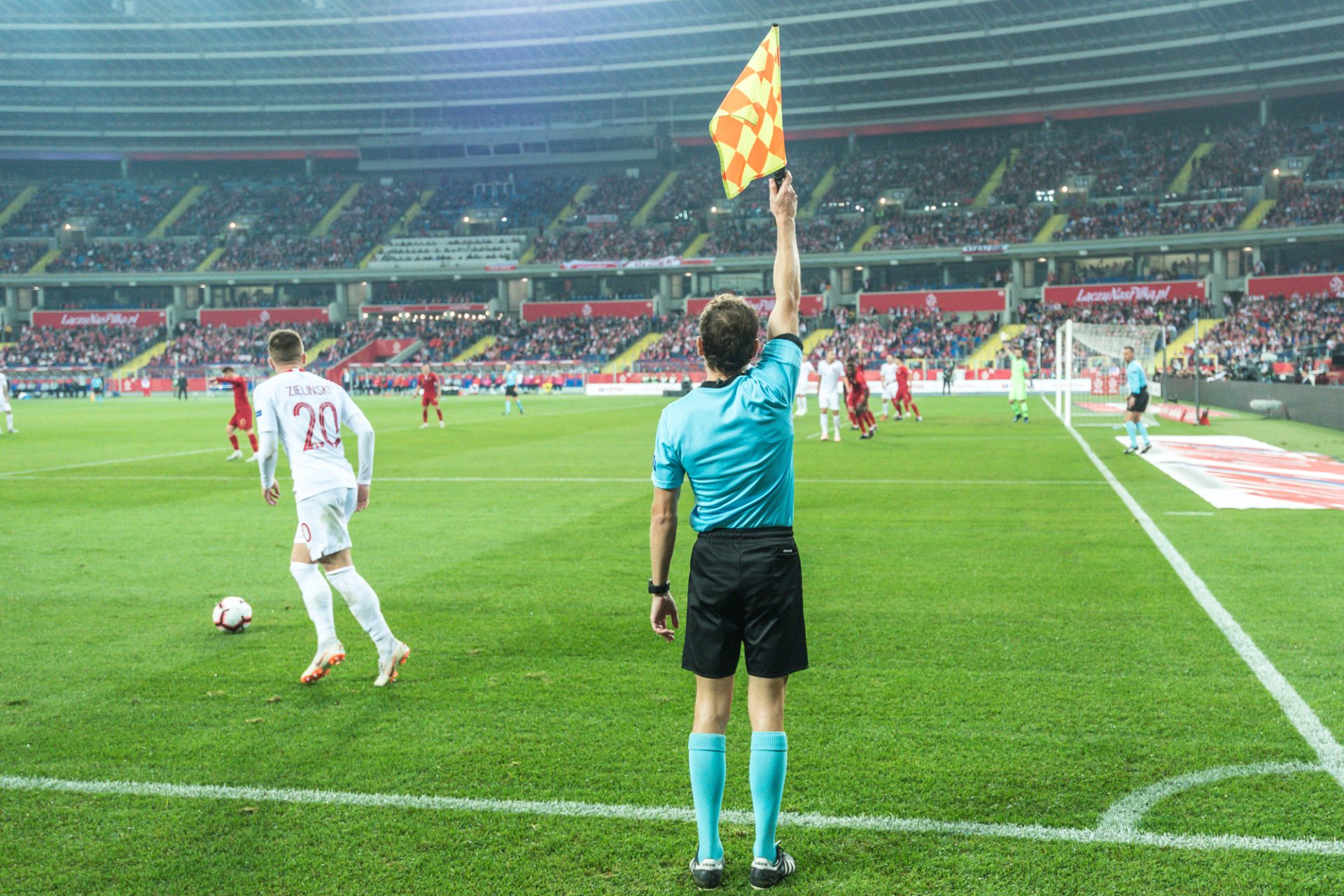
What Is Offsides in Soccer? The Offside Rule Fully Explained
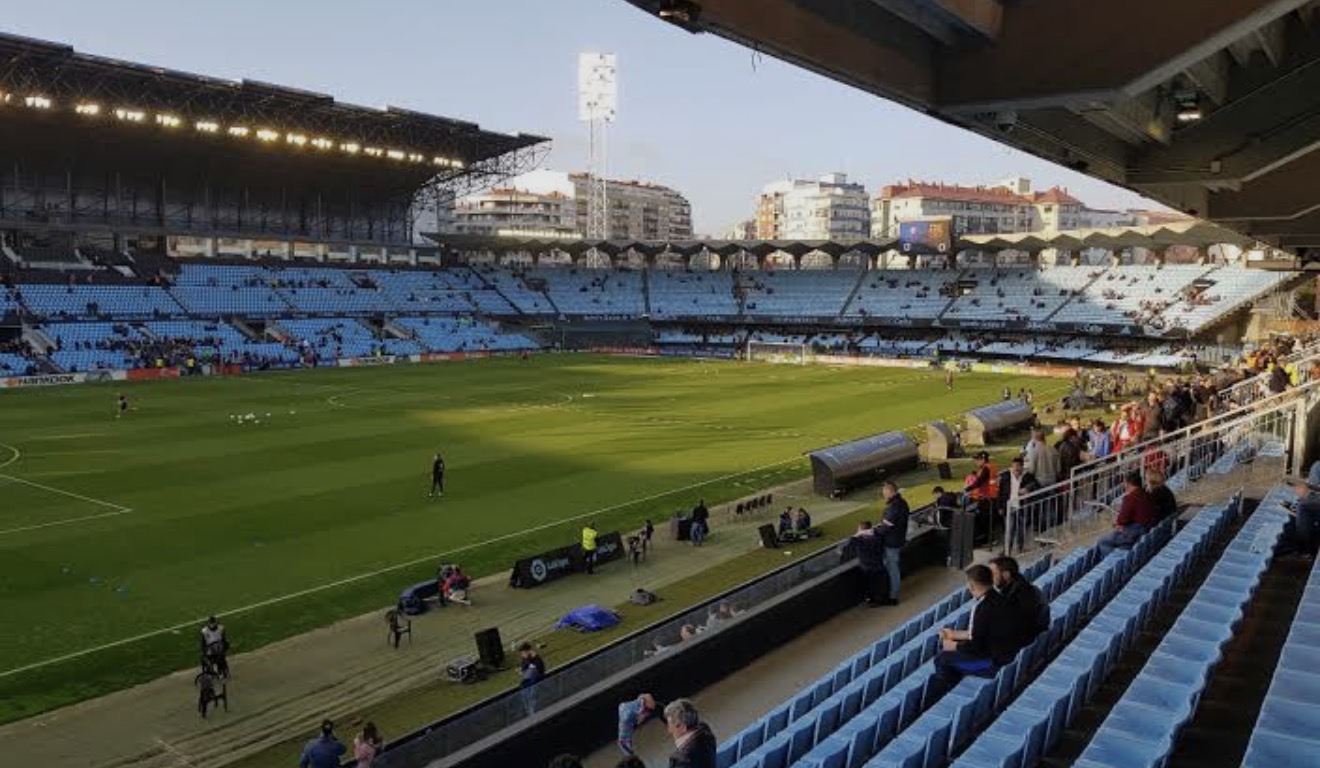
Celta Vigo postpones LaLiga opener after fungus outbreak damages stadium pitch
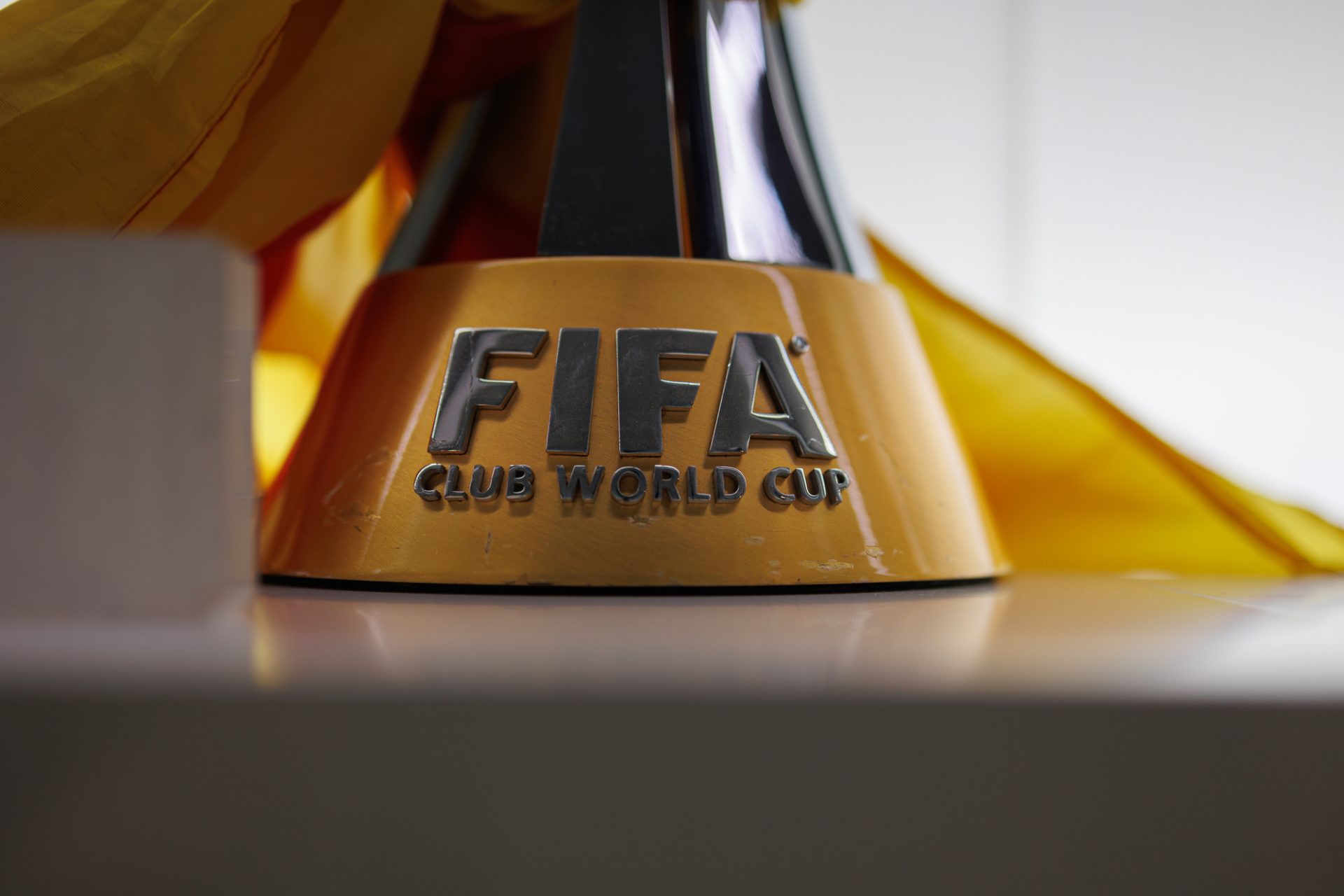
What Is The Club World Cup?
The Best World Cup YouTubers to Follow in 2026