VAR Controversy Erupts After Manchester United Goal Allowed Against Nottingham Forest
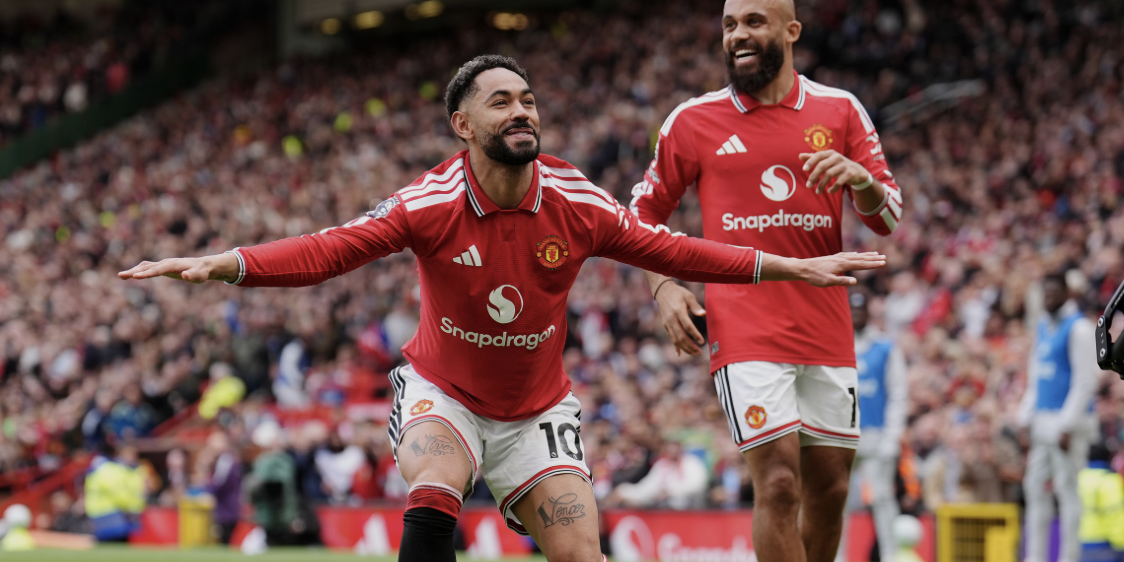

- The Premier League Match Centre confirmed Matheus Cunha’s goal stood because Bryan Mbeumo’s handball was ruled accidental.
- The decision became the major talking point in Manchester United’s 3-2 victory over Nottingham Forest.
- Fresh criticism of VAR and refereeing consistency has intensified following another controversial Premier League weekend.
Manchester United’s dramatic 3-2 victory over Nottingham Forest on Sunday was overshadowed by another major VAR controversy after Matheus Cunha’s second-half goal was allowed to stand despite claims of handball in the build-up.
The incident occurred in the 55th minute at Old Trafford, shortly after Forest had equalised to make the score 2-2.
Bryan Mbeumo appeared to cradle the ball with his arm during the attacking move before Cunha eventually found the net, prompting lengthy complaints from Forest players and widespread debate among supporters and pundits.
Following the match, the Premier League Match Centre issued an explanation on social media confirming why the goal had been awarded.
“After VAR review, the referee stuck with the original decision to award a goal to Manchester United,” the statement read.
“Referee announcement: ‘After review, the decision of goal stands because the handball offence is accidental, therefore the final decision is goal.’”
The decision proved hugely significant in the context of the game.
Forest had only just fought their way back level moments earlier, and had the goal been disallowed, momentum could have swung completely differently during the closing stages.
Instead, United regained control and eventually secured victory in Michael Carrick’s final home match of the 2025-26 campaign.
The incident has reignited ongoing frustrations surrounding VAR and the consistency of officiating decisions in the Premier League.
Critics have frequently argued that referees have become too dependent on video reviews and are often reluctant to maintain their original decisions once advised to consult the pitchside monitor.
Ironically, this case produced the opposite outcome.
Despite undergoing a review, referee Michael Salisbury chose to stand by his initial judgement, a decision that divided opinion across the football world.
Former Manchester United defender Gary Neville was among the pundits critical of the ruling, while many supporters questioned how the handball could be considered accidental given the role it played in the attacking sequence.
Others, however, viewed the incident differently, suggesting football may benefit from referees showing greater confidence in making independent calls rather than automatically deferring to VAR recommendations.
The controversy comes during a season where scrutiny around officiating standards has grown significantly.
Ahead of matchweek 37, statistics revealed Premier League matches had collectively lost 19 hours of playing time due to VAR checks during the campaign — the highest total among Europe’s major leagues.
The league’s Key Match Incidents panel has also identified 23 officiating errors this season, representing a 35 percent increase compared to the previous year.
That backdrop has only intensified frustration among supporters, managers and pundits alike, particularly after several other contentious VAR moments across recent weeks.
West Ham’s disallowed late equaliser against Arsenal last weekend sparked similar outrage, with questions again raised over interpretation, consistency and the speed of decision-making.
For Manchester United, the debate ultimately did not overshadow an important win.
But for the Premier League and its officials, another controversial afternoon has only added to mounting pressure for clearer rules, improved communication and potential reform to the VAR system moving forward.

Leave a Comment
More in News
Erling Haaland Now Backs England After ‘Good Friend’ Bellingham Ends Norway’s Run

Paul Merson: Jude Bellingham’s X-Factor Can End England’s 60-Year World Cup Wait
Argentina Survive Extra Time Again To Book First Meeting With England In 24 Years

Lamine Yamal Told He Has More To Give As Spain Prepare To Face France

Mikel Merino Reveals Mobility Scooter Ordeal Behind His World Cup Hero Run
Trending on Futbol Chronicle
Map of All the Premier League Teams for 2025/26
What Is Offsides in Soccer? The Offside Rule Fully Explained
Why Soccer Is The Best Sport
The Best Soccer Players of All Time: The 10 Greatest Ever Ranked