FIFA Partially Reverses World Cup Water Bottle Ban After Fan and Political Backlash

- FIFA has softened its controversial World Cup stadium policy by allowing fans to bring one sealed disposable water bottle into matches.
- Reusable hard-sided water bottles remain banned across all 16 tournament venues in the United States and Canada.
- The decision follows widespread criticism from supporter groups and political leaders amid concerns over extreme heat at the 2026 World Cup.
FIFA has partially reversed its controversial decision to ban water bottles from World Cup stadiums after facing mounting pressure from fan groups and politicians concerned about supporter welfare during next summer’s tournament.
The governing body announced on Friday that fans attending matches in the United States and Canada will now be allowed to bring one factory-sealed disposable plastic water bottle, up to 20 ounces (590ml), into stadiums.
However, FIFA confirmed that reusable hard-sided water bottles will remain prohibited, citing safety and security concerns.
The latest change comes just days after FIFA updated its stadium regulations to remove a previous allowance that permitted supporters to carry transparent reusable bottles with a capacity of up to one litre. The revised policy triggered immediate criticism, particularly with temperatures expected to exceed 32°C (90°F) in several host cities during the tournament.
Supporters’ groups were among the first to challenge the decision. England fan organisation Free Lions accused FIFA of prioritising commercial interests over fan welfare, questioning the timing of the policy shift given repeated assurances about access to free drinking water inside venues.
Concerns were heightened by the fact that beverages sold inside World Cup stadiums will be supplied exclusively by long-term FIFA sponsor Coca-Cola, prompting accusations that the restrictions could force supporters to purchase drinks at inflated prices.
Political figures also entered the debate. New York Mayor Zohran Mamdani described the original ban as worrying, pointing to the prolonged exposure spectators face in high temperatures. Meanwhile, UK Prime Minister Keir Starmer criticised the decision, arguing it appeared to prioritise revenue generation over supporter comfort.
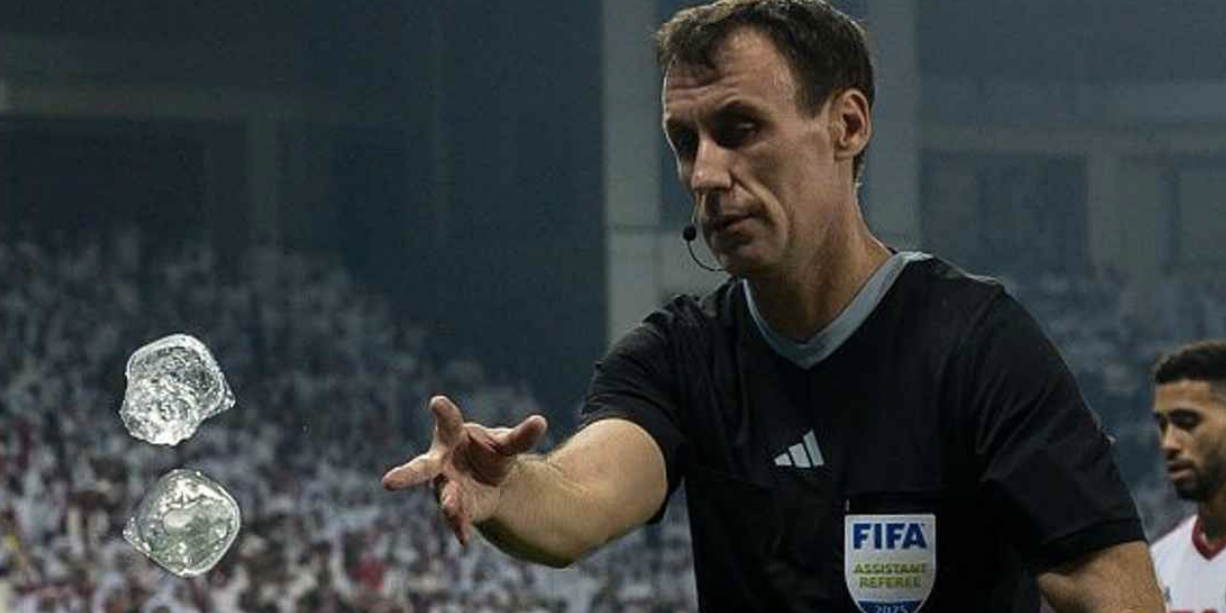
Defending its position earlier this week, FIFA said the restrictions were introduced “to prevent risk and injury to players and attendees,” noting that throwable objects remain a security concern at major sporting events.
Despite the partial U-turn, reusable bottles remain banned across World Cup venues, meaning supporters will still be unable to refill and carry their own containers inside stadiums.
The issue has become increasingly significant as concerns grow over extreme weather conditions at the expanded 48-team tournament. FIFA has already introduced mandatory drinks breaks during matches to help players cope with expected heat, while organisers have promised additional cooling measures including misting stations, hydration points, fans and cooling tents around stadium precincts.
With the World Cup set to begin next week, the governing body’s revised policy represents a compromise between security considerations and growing pressure to improve conditions for supporters attending matches across North America.
The debate is unlikely to disappear entirely, however, with fan groups continuing to question why reusable bottles remain prohibited at a tournament where heat management has become one of the key talking points before a ball has even been kicked.

Leave a Comment
More in News

Pro Ref Admits VAR Error Over Haaland’s Manchester Derby Winner as United Rage at ‘Injustice’

Ronaldo Demands Lifetime Stadium Bans After Fans Mock Neves With Jota Chants

Anthony Gordon Was Chosen Over Marcus Rashford for a £70m Barcelona Move and Has Already Set Up Four Goals in His First Five Games

Lucas Bergvall Wanted Out After a £38m Bid, Now He Has Signed a New Contract

Ismail Kartal Quit Fenerbahce Live on Camera, and the Club Finally Let Him Leave
Trending on Futbol Chronicle
The Best World Cup YouTubers to Follow in 2026
Cristian Romero completes €40m move from Tottenham to Atlético Madrid
What Is The Club World Cup?
Arab football federations back Gianni Infantino as FIFA president faces growing opposition