Why Arsenal Missed Out on Morgan Rogers and What Andrea Berta Does Next
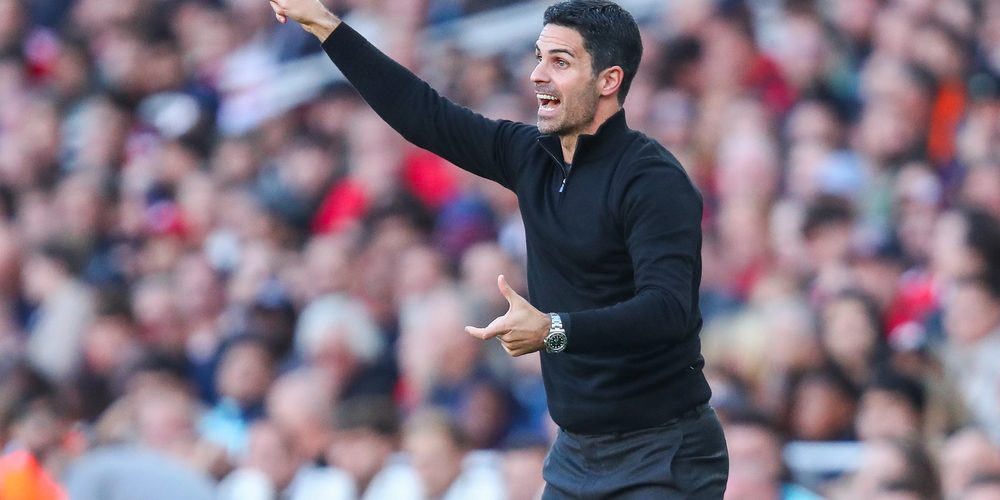
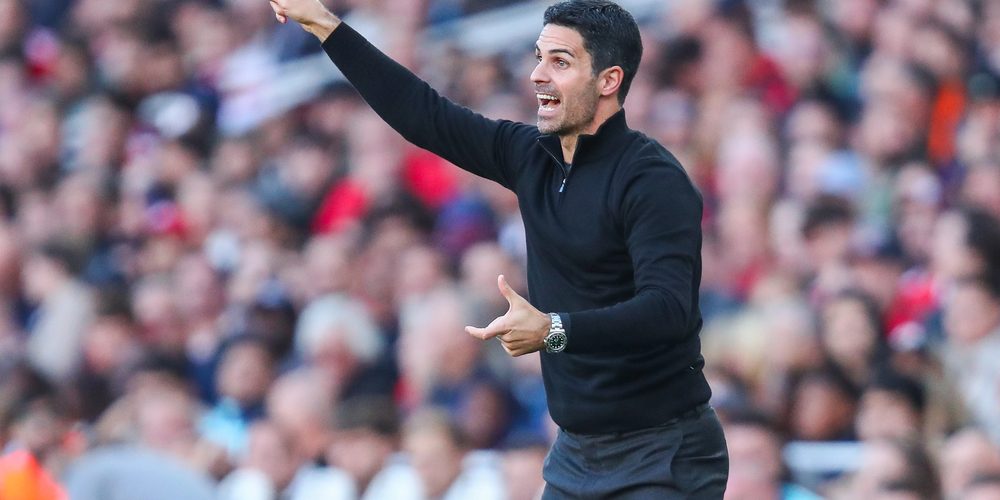
Table of Contents
Mikel Arteta wanted his club to be “very ambitious, very fast and very smart” in the transfer market this summer. Two months on from that message, delivered in the wake of Arsenal’s Champions League final defeat to Paris Saint-Germain, the champions’ window has been steady rather than spectacular, and their pursuit of top target Morgan Rogers ended with the forward signing for Chelsea instead.
Sky Sports journalists Dharmesh Sheth, Nick Wright and Sam Blitz broke down Arsenal’s summer business on a special Sky Sports podcast, explaining why the Rogers deal collapsed, how sporting director Andrea Berta is working through the disappointment, and which players Arsenal could turn to next.
A World Cup hangover to manage first
Before any transfer business gets assessed, Arsenal have a squad to manage through the physical toll of a World Cup that followed an exhausting season. Thirteen Arsenal players featured at the tournament, more than any Premier League club aside from Manchester City.
“I think most Arsenal fans would agree it wasn’t ideal timing to have a World Cup after that epic, 63-game season,” said Wright. “You probably wanted these players to be getting a rest. Instead, you’ve got Declan Rice and Bukayo Saka playing 3,000 metres above sea level in Mexico City and in 80 per cent humidity in Miami.”
Eight Arsenal players, Saka, Rice, Noni Madueke, Eberechi Eze, David Raya, Mikel Merino. Martin Zubimendi and William Saliba, reached the last four, entitling them to a FIFA-mandated three-week break with knock-on effects for pre-season planning. Saka and Rice both picked up fitness issues at the tournament, while Saliba is facing an extended spell out with a back injury suffered in France’s semi-final defeat to Spain.
“It’s going to be a staggered approach to pre-season,” said Blitz. “A lot of players will be coming in at different points in different weeks but you’d like to think, looking at the timings, that the majority, if not all, will be back by the time they play Manchester City in the Community Shield on August 16.
“No disrespect to Coventry at all, but Arsenal are probably boosted by that Friday night game to start the season. It’s a nice one to maybe bed in a few newcomers as well. Remember, at the start of last season, they had Manchester United at Old Trafford, which was a tricky game and they nearly dropped points there.”
Why the Rogers deal fell through
Arsenal’s most public frustration this summer has been missing out on Rogers, who joined Chelsea from Aston Villa for £116m.
“I think it’s a blow because they’ve missed out on him,” said Sheth. “They definitely wanted to sign him. And for the majority of this window, there were talks happening, not necessarily club to club, but via intermediaries, trying to explore how much it would take.
“I think Arsenal might have been in a position where they thought, ‘Yep, we can do a deal for Morgan Rogers’, because they were of the understanding that it was at a certain price. I think the market got distorted quite a lot by what’s happened, not necessarily in the same positions.”
Sheth pointed to comparable fees elsewhere in the market to explain how Villa’s valuation of Rogers kept climbing. “You can’t compare like-for-like Elliot Anderson, Sandro Tonali and Mateus Fernandes with Rogers. But when you look at the pricing of those three players, £85m for Fernandes, £100m for Tonali, £116m for Anderson, Aston Villa probably looked and said, ‘Well, if this is the market value for players like that, then Morgan Rogers is going to be minimum £100m.'”
While Arsenal weighed up Villa’s rising asking price, Chelsea moved decisively. “My understanding of it, speaking to people who were close to that deal, is that Arsenal were talking about this for weeks, whereas Chelsea only came in last Thursday,” Sheth said. “They found out what the price was going to be and what Villa were going to accept. On Sunday, I was told it was one bid on the table, agreed, signed, medical. Rogers is a Chelsea player.”
Sheth added that the gap between the two clubs’ valuations was significant. “I think there was quite a big gap in the valuation between what Arsenal were prepared to pay and what Rogers eventually went for.”
Berta’s method
Missing out on a top target is a setback, but Sheth argued Arsenal’s recruitment process under sporting director Andrea Berta is built to absorb exactly that kind of disappointment.
“If you look at how Arsenal have been doing their business since Berta came in, it isn’t: ‘We’re going to focus on one player and that’s it.’ It’s too risky a strategy,” Sheth said. “So, what they try and do is work on three or four targets in each position that they’re looking to recruit in. They will try and get their ducks in a row with all four players, get as far down the line with deals with all four players.
“And then they take a step back and say: ‘What is the best value on the pitch, off the pitch?’ Then they will have a further discussion with Mikel Arteta, with everyone who’s involved in the recruitment, and decide which player to go for.
“Rogers was the number one target and they’ve missed out on him. Yes, it’s a bit of a blow. But they clearly weren’t prepared to go in with £117m for him. It doesn’t mean the window is a write-off. They will have got other deals in the background that they are looking at. That is what they will revert to.”
The next left-sided target
One name already on Arsenal’s list for the left-hand side of attack is Paris Saint-Germain forward Bradley Barcola. “Arsenal are definitely interested and they have retained an interest in him,” Sheth said.
Wright explained the thinking behind the interest. “I think they need something a bit different in that position. They need someone explosive, someone who can dominate one-vs-ones, someone who can break games open in the way that Morgan Rogers showed he can for Aston Villa.
“It’s clear that’s why Arsenal were interested and I think that’s why Arsenal are interested in Bradley Barcola as well, another player who excels in those one-vs-one situations. Arsenal ranked ninth in the Premier League last season for attempted dribbles. I think that tells you quite a lot about the lack of spontaneity on the ball.
“Arsenal have some fantastic strengths as a side. Defensively, they’re brilliant. We know how good they are on set-pieces. But if there is room for improvement, I think it’s in open play. I think that is a key area for them when they look at how to evolve this team and diversify their attacking threat a little bit.”
Defensive cover and a midfield pursuit
Saliba’s injury has pushed Arsenal into the market for defensive cover, with free agent John Stones and Aston Villa’s Ezri Konsa among the names under consideration. The club are also working on a central midfield addition, with Newcastle captain Bruno Guimaraes and Bournemouth’s Alex Scott on their shortlist.
Sheth expects Arsenal to move on Guimaraes soon. “I would expect Arsenal to make some sort of formal move sooner rather than later on this, because it has gone so far down the line behind the scenes for it not to go anywhere. It’s clear the player wants to go, and that Arsenal want him. On the positive side for Newcastle, he’s under contract. They’re under no pressure to do any business. But also, it’s about the will of the player. If he really wants to go, then Newcastle are going to have a decision to make.”
Evolution, not revolution
Arsenal’s rivals have moved faster in the market this summer, but Blitz described the champions’ approach as one built from a position of strength rather than urgency.
“There’s probably a lot of growth to come in this Arsenal squad from the players who are there,” Blitz said. “There’s no real need to panic yet but the ceiling does need to be raised. Last summer Arsenal raised the floor of the squad, now they need to raise the ceiling.”
Arsenal have already added Christos Tzolis from Club Brugge, turned Piero Hincapie’s loan from Bayer Leverkusen into a permanent deal, and brought in Illan Meslier as free-agent goalkeeping cover. None of those moves carry the same profile as a Rogers signing would have, and Blitz’s own assessment is that the squad’s ceiling, not its floor, is what still needs raising before Arsenal can call this window a success.
The transfer window runs until September 1, leaving Berta time to work through the shortlists Sheth described before deadline day arrives. Arsenal’s title defence will begin regardless of how many of those targets they land, but the gap between missing Rogers and landing Guimaraes, Barcola or a centre-back replacement for Saliba is the difference between a window that merely maintains what Arteta has built and one that pushes the champions on to the next level he asked for back in May.

Leave a Comment
More in News
Bowen’s Saved Penalty Costs West Ham a Shot at Top Spot

Cole Palmer Missed England’s World Cup Squad This Summer, and His Club Have Just Backed Him With a Deal Running to 2034
Enzo Maresca Insists Manchester City’s Titles Are Not Tainted After the Club Was Found Guilty on 115 Charges
Michael Carrick Lost Two Title Races to Manchester City, and United Fans Now Mark 50 Years Without a Trophy

Jarell Quansah Was Never Liverpool’s Top Academy Prospect, and He Has Already Won Eight England Caps
Trending on Futbol Chronicle

What Is The Club World Cup?
Why Soccer Is The Best Sport

What Is Offsides in Soccer? The Offside Rule Fully Explained
Cristian Romero completes €40m move from Tottenham to Atlético Madrid