Jude Bellingham Now Fights His Friend Morgan Rogers for England’s World Cup Number Ten
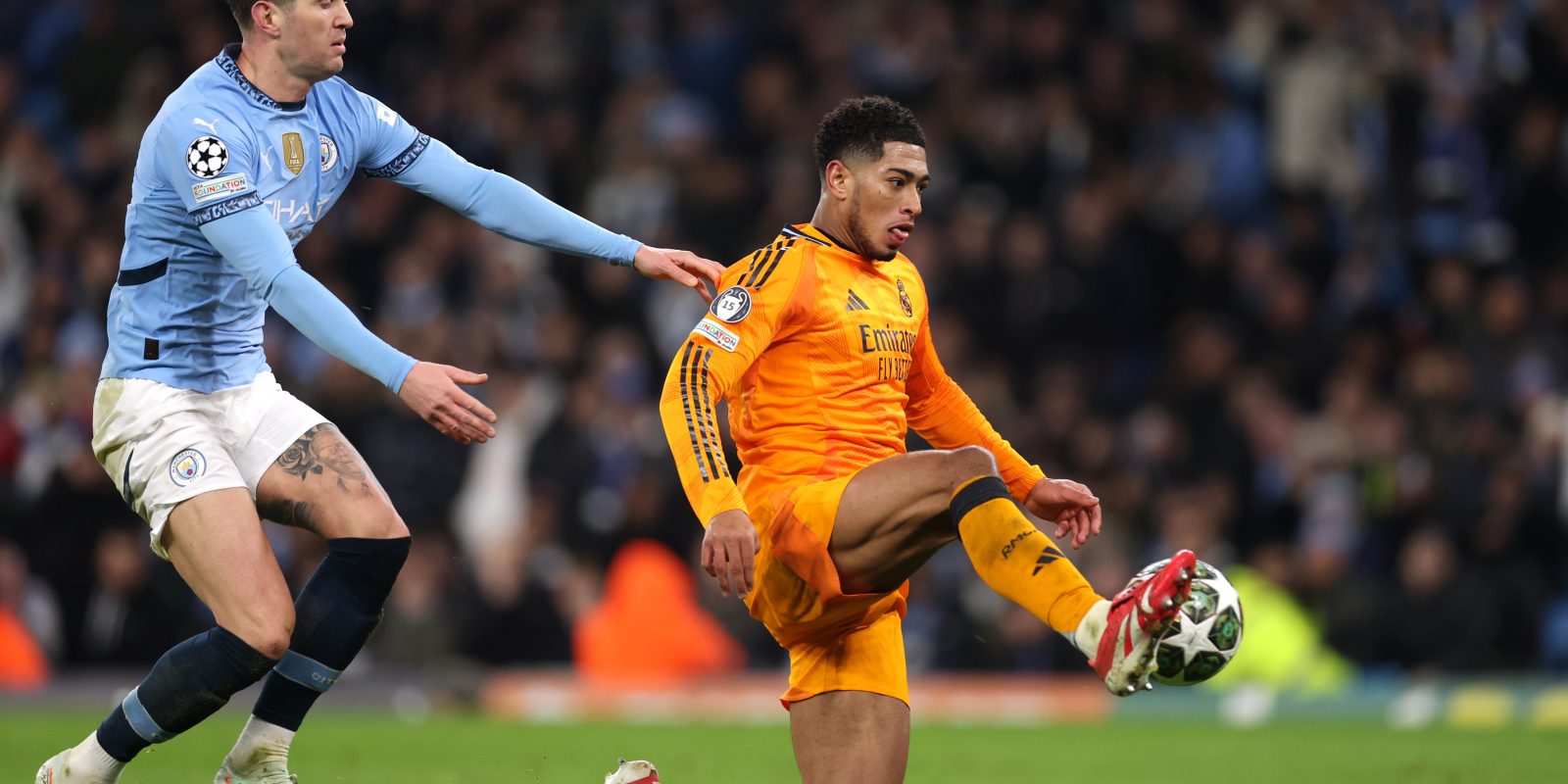
Table of Contents
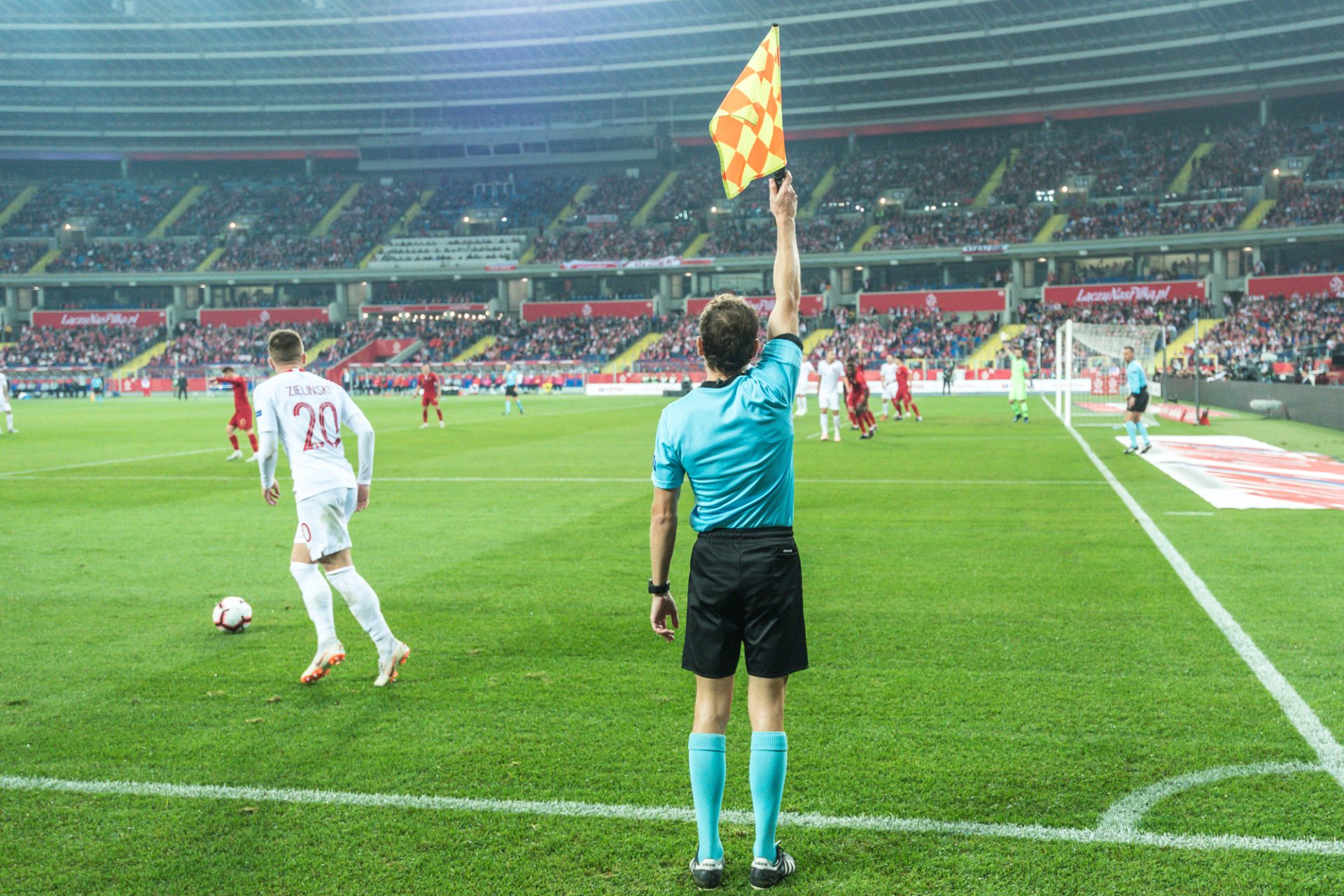
Thomas Tuchel did not soften the message when a reporter put it to him plainly. Did Jude Bellingham, a Real Madrid galactico and the most expensive English footballer in history, really have a fight on his hands to start at a home-soil World Cup? “Yes, he has,” Tuchel replied. “He is one of the starters, he knows he is one of the starters, but we have 14 or 15 potential starters.” It was the sort of answer that would have been unthinkable two years ago, when Bellingham was the untouchable heartbeat of the England side. Now, on the eve of England’s opener against Croatia, the most absorbing selection question facing Tuchel is not about a fringe player scrapping for a place. It is about whether the team’s biggest name should be in the eleven at all.
The man who quietly took the shirt
The name pressing up against Bellingham’s is one that most casual England followers could not have placed in a starting eleven a year ago. Morgan Rogers, the Aston Villa attacking midfielder, has become the unlikely centre of gravity in Tuchel’s plans. The numbers tell the story better than any pundit can. According to Sky Sports’ breakdown of England’s preparation, Rogers featured in 12 of Tuchel’s first 13 matches in charge and was the only outfield player to appear in all eight of England’s World Cup qualifiers. That is not a hot streak. That is a manager building a team around a footballer.
Rogers offers Tuchel something specific. He is a runner who links midfield to attack with his back to goal, holds the ball under pressure, and presses with the relentlessness Tuchel demands from his front line. Unai Emery reshaped him at Villa from a raw winger into a number ten who does the unglamorous work, and Tuchel has leaned into that profile. Where Bellingham wants the ball at the apex of everything, dictating tempo and arriving late in the box, Rogers fits into a structure and makes it function. For a coach who values shape and pressing triggers above individual brilliance, that is a meaningful distinction.
Why Bellingham slipped from certainty to question mark
None of this would carry weight if Bellingham had spent the past year reminding everyone why Madrid paid a fortune for him. He did not. His club season was injury-hit and ended without a major trophy, a rare blank in the Bernabeu’s recent history, and the form that made him European football’s most coveted midfielder in 2023 came in fits rather than floods. Under Tuchel he has been used sparingly by his own standards, with four starts and three substitute appearances across the manager’s reign, a record that reflects both fitness interruptions and a coach who has not yet decided the team is better with him pulling the strings.
There is also the shape problem. Bellingham and Rogers are not natural partners in the same eleven, because both want the same central pocket of space behind the striker. Declan Rice and Elliot Anderson have established themselves as Tuchel’s preferred double pivot, which leaves a single advanced midfield slot to fight over. Playing both would mean shoving one wide or asking Bellingham to drop deeper, neither of which gets the best from a player whose entire game is built on being the most advanced creator on the pitch.
A friendship complicating a selection
What gives this debate its edge is that the two players at the centre of it are close friends. They came through England’s youth setup together and remain tight off the pitch, which adds a human layer to a decision usually framed in cold tactical terms. Rogers has been careful in public, refusing to be drawn into any framing that pits him against a friend, while Bellingham has carried himself as someone who expects to start regardless of what the data says.
The pundits have split down the middle, which tells you how genuine the dilemma is. Jamie Carragher said he expects Rogers to start ahead of the Madrid man and warned that the call could come to define England’s tournament, the kind of decision that follows a manager around if it goes wrong. Micah Richards took the opposite line, insisting it “shouldn’t be a debate” and that Bellingham is England’s best player and “has to start.” Two respected voices, two opposite conclusions, drawn from the same set of facts. That is the position Tuchel has walked himself into, and there is no answer that will satisfy everyone.
The German hired to end the wait
Tuchel arrived in January 2025 as the first German to manage England, handed the job of ending sixty years without a major men’s trophy. He has shown he is willing to make unsentimental calls. Phil Foden and Cole Palmer, two of the most gifted attackers in the country, were left out of his squad entirely, choices that drew reaction from senior players including Harry Kane and Marcus Rashford. A manager prepared to leave that much talent at home is plainly not going to be swayed by reputation alone when it comes to his starting eleven.
The Croatia fixture sharpens everything. It is a rematch of the 2018 semi-final in Russia, when a Luka Modric-inspired Croatia came from behind to break English hearts and reach a World Cup final. Modric, now forty, is still there, still pulling strings, and England know that giving him time and space in midfield is the surest way to lose. That argues for energy and pressing in the advanced areas, which is precisely the case for Rogers. It also argues for a player capable of a single decisive moment against a side that defends deep and waits, which is precisely the case for Bellingham.
What the Florida camp hinted at
The clearest clues came from England’s pre-tournament base in Florida, where Tuchel ran the sessions that would shape his first World Cup eleven. Reporters who watched the camp came away with the sense that Rogers had not merely matched Bellingham but had, in the manager’s eyes, edged ahead in the specific role they both covet. That impression matters because Tuchel is a coach who rewards what he sees on the training ground rather than what a transfer fee or a Madrid shirt implies. The German built his reputation at Chelsea, Paris Saint-Germain and Bayern Munich on demanding total commitment to a system, and he has carried that into the international job, where the temptation to simply pick the biggest names is strongest.
There is a practical dimension too. England’s group includes Croatia, a side built around a midfield that wants to control possession and dictate rhythm. To beat them, Tuchel needs his advanced midfielder to harry, close passing lanes and break up play as much as create it. That is Rogers’ natural game far more than Bellingham’s, and it explains why a player with a fraction of the Madrid man’s profile keeps appearing on the team sheet. The manager is not picking the better footballer in the abstract. He is picking the better fit for the job in front of him, and across eighteen months that judgement has consistently favoured the Villa man.
It would be wrong, though, to write Bellingham off as a luxury option. England’s strongest tournament memories of the past decade are bound up with his capacity to produce something from nothing, and a knockout match that drifts toward extra time is exactly the scenario in which a manager reaches for a player who can bend a game to his will. Tuchel knows this. The likelihood is not that one player wins the argument outright, but that both are deployed depending on the opponent and the state of the match, with Rogers starting the grind and Bellingham introduced to break a stalemate, or the reverse when England need control rather than chaos.
What the call really says about this England
Strip away the names and this is a question about identity. Is this an England team that wins through structure, pressing and collective discipline, or one that leans on a generational individual to unlock games when they tighten? Tuchel’s first eighteen months suggest he believes in the former, which is why a Villa midfielder few outside the Premier League’s regular watchers could pick out has quietly become indispensable. Yet tournaments are decided by moments, and few players in the world manufacture moments like Bellingham did at the last European Championship, when an overhead kick deep into stoppage time rescued England against Slovakia.
The likeliest outcome, as several observers have noted, is that both get significant minutes across the group stage as Tuchel manages fatigue and reads opponents. Bellingham is still expected to start more often than not. But the fact that it is a question at all, that England can leave a player of his stature on the bench and not feel they are weakening the side, marks a shift in how this team sees itself. For years England’s problem was a shortage of options. Now the problem is the opposite, and it is a far better one to have.
A decision that will follow the tournament
Whatever Tuchel chooses against Croatia, the choice will not stay private. If England start well with Rogers and Bellingham rotating, the manager will be praised for his nerve. If they stumble and Bellingham is on the bench when it happens, the second-guessing will be brutal and constant. That is the weight of leaving out a player the public still views as the team’s best. Tuchel knew that when he took the job, and he has shown no sign of flinching from it. The friendship between the two men will survive whatever he decides. England’s tournament might just hinge on him getting it right.

Leave a Comment
More in News

Eberl Says Kompany Needs Protecting From Himself After Training Collapse

‘I base that off the 2 states where I served, Pennsylvania and Tennessee’: Waitress of 10 years says you should never tip below the standard—even with bad service
Rodri Says Real Madrid Cannot Fool Him Before His First Clásico

Chicago man orders iPhone 18 Pro Max. Then he gets an email saying his package has been delivered—and signed for
Enzo Maresca Says Both Villa Goals Were Avoidable as Guehi Struggles Again
Trending on Futbol Chronicle

Map of All the Premier League Teams for 2025/26
Cristian Romero completes €40m move from Tottenham to Atlético Madrid
Why Soccer Is The Best Sport
Arab football federations back Gianni Infantino as FIFA president faces growing opposition