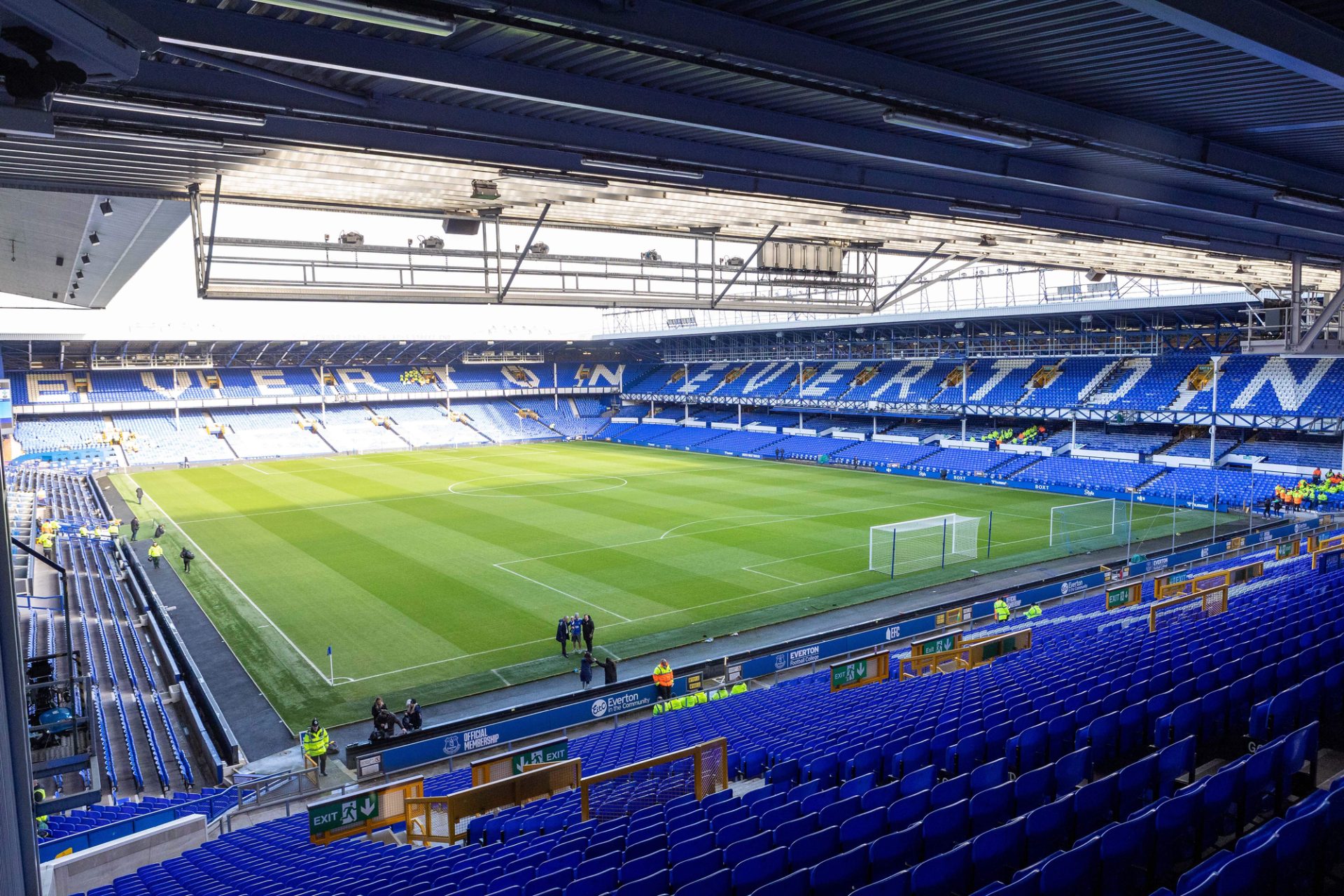
Christian Pulisic Went Five Months Without a Goal Before His Home World Cup Began
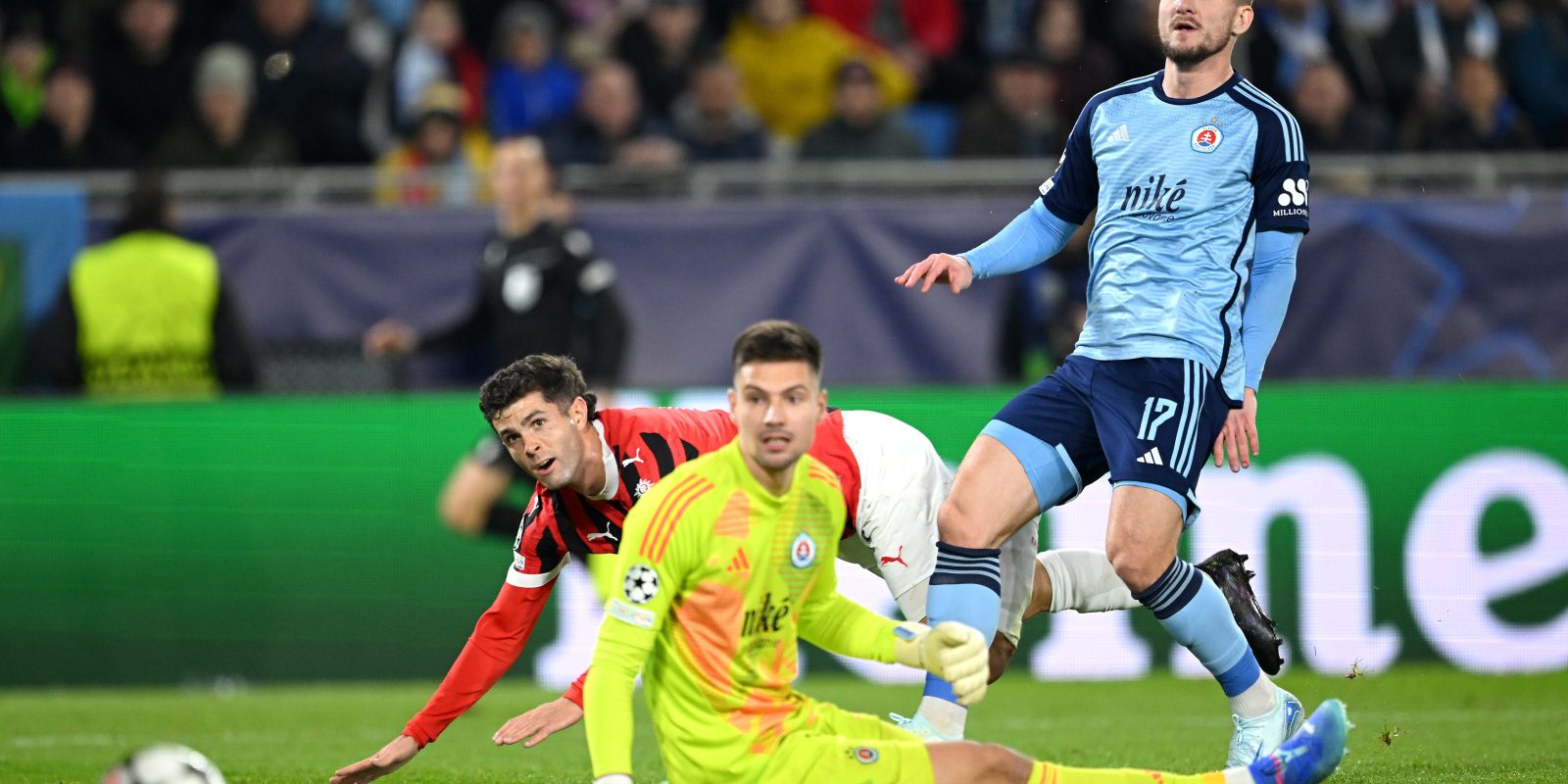

Table of Contents
For five months, the most famous footballer in the United States could not score a goal. From late December through the end of his Serie A season, Christian Pulisic stepped onto the field for AC Milan again and again and walked off without finding the net, a drought that stretched across nineteen consecutive league appearances and became the longest of his entire club career. The timing could not have been crueler. As the goals dried up, the calendar kept marching toward the one tournament every American soccer player born this century has dreamed about: a World Cup played in their own backyard, with Pulisic cast as its leading man. When a reporter pressed him on the slump in the build-up, his answer was short and sharp. He called them “such bad questions” and said he was not concerned. Behind the bravado, the whole country was watching to see whether he meant it.
A season that split in two
What makes Pulisic’s slump so jarring is how brightly his year began. In the opening months of the campaign he was among Milan’s most dangerous attackers, scoring eight Serie A goals and adding two assists across his first eleven league appearances. He looked, finally, like a player who had found a settled home after the stop-start years in England. Then the bottom fell out. His last Milan league goal came against Hellas Verona on December 28, 2025, and from there the scoring simply stopped. Injuries interrupted his rhythm, performances dipped, and the same player who had carried Milan’s attack in the autumn could not buy a goal by spring.
For most wingers, a barren stretch is a footnote. For Pulisic, it became a national talking point, because he does not carry the expectations of a single club. He carries the hopes of a sport still fighting for the front pages in his home country. Every American who has ever argued that soccer belongs alongside the NFL and the NBA has, at some point, pointed at Pulisic as proof that the United States can produce a genuine elite attacker. A five-month goal drought, arriving in the worst possible window, handed the doubters an easy line.
The kid from Hershey who left for Germany
To understand why the scrutiny lands so hard, you have to go back to where the story started. Pulisic grew up in Hershey, Pennsylvania, the chocolate town in the middle of the state, and made a decision as a teenager that still feels radical for an American prospect. Rather than stay in the domestic system, he moved to Borussia Dortmund’s academy at sixteen and forced his way into one of European football’s most demanding clubs before he could legally drink in his own country. By seventeen he was playing first-team Bundesliga football. By his late teens he was the most marketable American footballer alive, the player Chelsea paid a then-record fee for an American to bring to the Premier League.
That path made him a pioneer, but it also loaded him with a burden no previous American had carried. He was never allowed to simply be a good player having an ordinary slump. He was the standard-bearer, the proof of concept, the answer to the question of whether the United States could ever produce a truly elite attacker. When the goals stopped at Milan, the conversation was never really about Milan. It was about whether the face of American soccer would freeze at the moment the country most needed him to shine.
The friendly that loosened the grip
Relief, when it came, arrived in a tune-up match. In a pre-tournament friendly against Senegal, Pulisic ended the drought in emphatic fashion, scoring and assisting within the opening twenty minutes as the United States came from behind to win 3-2. One goal in a warm-up game does not erase five months of frustration, but it did something to the narrative. It reminded everyone, Pulisic included, that the instinct had not vanished. He had said all along that he refused to panic, that he believed a ball would eventually ricochet in and the floodgates would open. Against Senegal it finally did, and the timing could hardly have been better, landing days before the tournament began rather than during it.
His head coach never wavered in public. Mauricio Pochettino, the Argentine appointed to turn a talented but inconsistent group into a team capable of a deep run on home soil, batted away the concern with a flat prediction that his star would score at the World Cup. It was the kind of backing a manager offers to protect a player from his own doubts as much as from the press. Pochettino has built his reputation on man-management, and shielding Pulisic from the noise has been one of his quieter tasks in the weeks leading up to the opener.
Why the burden is heavier than the numbers
There is a wider truth buried in the Pulisic debate, one that older American players understand better than the fans demanding goals. The scrutiny placed on him has rarely matched the reality of his situation. He is a winger asked to be a talisman, a creator expected to produce striker’s numbers, an individual carrying the weight of a collective project. Veterans of the United States setup have pointed out that the expectations heaped on him drift far from what is reasonable for any one footballer, and that the obsession with his goal tally misses the breadth of what he brings: the dribbling that draws fouls and defenders, the link play, the moments of quality that lift those around him.
That is the paradox of being American soccer’s chosen one. The bar is set not by what a winger should deliver, but by what a nation wants to believe about itself. Pulisic has lived with that pressure since he was a teenager in Dortmund, and he has rarely complained about it. His irritation at the “bad questions” was less arrogance than weariness, the response of a man who has answered the same doubts for a decade and is tired of doing it again at the worst possible moment.
The weight of being first
It helps to remember how recently American men’s soccer had nobody to point to at all. For decades the United States produced reliable goalkeepers and hard-running midfielders, players who earned respect without ever threatening to be the best in their position on the planet. Pulisic broke that ceiling. When Chelsea paid a record fee for an American to sign him, it was treated at home as a national event, evidence that the country could finally export an attacker to the very top of the European game rather than importing belief from elsewhere. That breakthrough made him a symbol before he had won anything, and symbols are judged by a different and harsher standard than ordinary players.
The flip side of being first is that there is no template to follow and no predecessor to absorb the blows. Pulisic has had to learn in public how to handle the scrutiny that comes with being a one-man reference point for an entire soccer nation, and he has done it while moving between three of the most demanding leagues in the world. The drought at Milan was, in that sense, simply the latest test of a temperament that has been examined since he was a teenager. His refusal to panic, the insistence that the goals would return, reads less like spin and more like the hard-earned calm of a player who has been doubted many times and kept producing anyway.
That calm will be tested again the moment the tournament tightens. Home advantage cuts both ways. The crowds that will roar him on are the same crowds that will fall silent if a chance goes begging in a knockout match, and the cameras that have followed his every training session will be trained on him when it counts. Pulisic has spent his whole career preparing for exactly this kind of pressure, and he heads into the summer insisting he is ready for it rather than weighed down by it.
A home World Cup and a chance to rewrite the story
Now the stage is exactly what he always wanted, and exactly what makes the stakes so high. The United States is co-hosting the largest World Cup in history, and Pulisic is its biggest domestic draw, the name on the most jerseys and the face on the most billboards. A home tournament offers him the chance to convert a frustrating year into a defining one, to ensure that the lasting memory of this stretch is not a drought but the moment he answered it on the grandest stage available to him.
American soccer has reached a point where it no longer depends on a single player the way it once did. This is a deeper, more battle-tested group than the ones Pulisic carried earlier in his career, with talent scattered across Europe’s best leagues. But tournaments still turn on stars stepping up when the lights are brightest, and there is no American the public would rather see do it. The drought is over. The friendly proved the instinct survived. What remains is the question that has trailed him since Hershey: can he be brilliant when his country is watching and the whole thing is on the line?
The answer that only the tournament can give
Pulisic has spent his career being told what he should be. A pioneer, a savior, a symbol. He has worn all of it with a composure that belies how young he still is, and he heads into this World Cup with the noise as loud as it has ever been. The goal against Senegal bought him calm. The home crowds will offer him belief. The rest is up to him. If he delivers across this summer, the five-month drought becomes a footnote in a redemption story Americans will retell for years. If he does not, the questions he is so tired of will only grow louder. Either way, the wait is finally over, and the kid from the chocolate town gets to find out what he is on the biggest stage his sport has ever built at home.

Leave a Comment
More in News
Mourinho Blasts Referee After Atletico Avoid Two Red Cards in Madrid Derby

Cole Palmer Withdraws From England Squad as Gibbs-White Returns Again
Marseille Fans Turn on Owner McCourt as Gomes Can’t Prevent Fifth Straight Loss

Juventus Fans Turn Backs on Silence for Mazzola, Club Slams ‘Lack of Respect’
Trent Alexander-Arnold Returns to the England Squad for the First Time in Over a Year, and Cole Palmer Is Back Too After Their World Cup Snub
Trending on Futbol Chronicle
Josef Martinez Returns to MLS Spotlight With Columbus Crew Signing
Cristian Romero completes €40m move from Tottenham to Atlético Madrid

What Is The Club World Cup?
What Is Offsides in Soccer? The Offside Rule Fully Explained