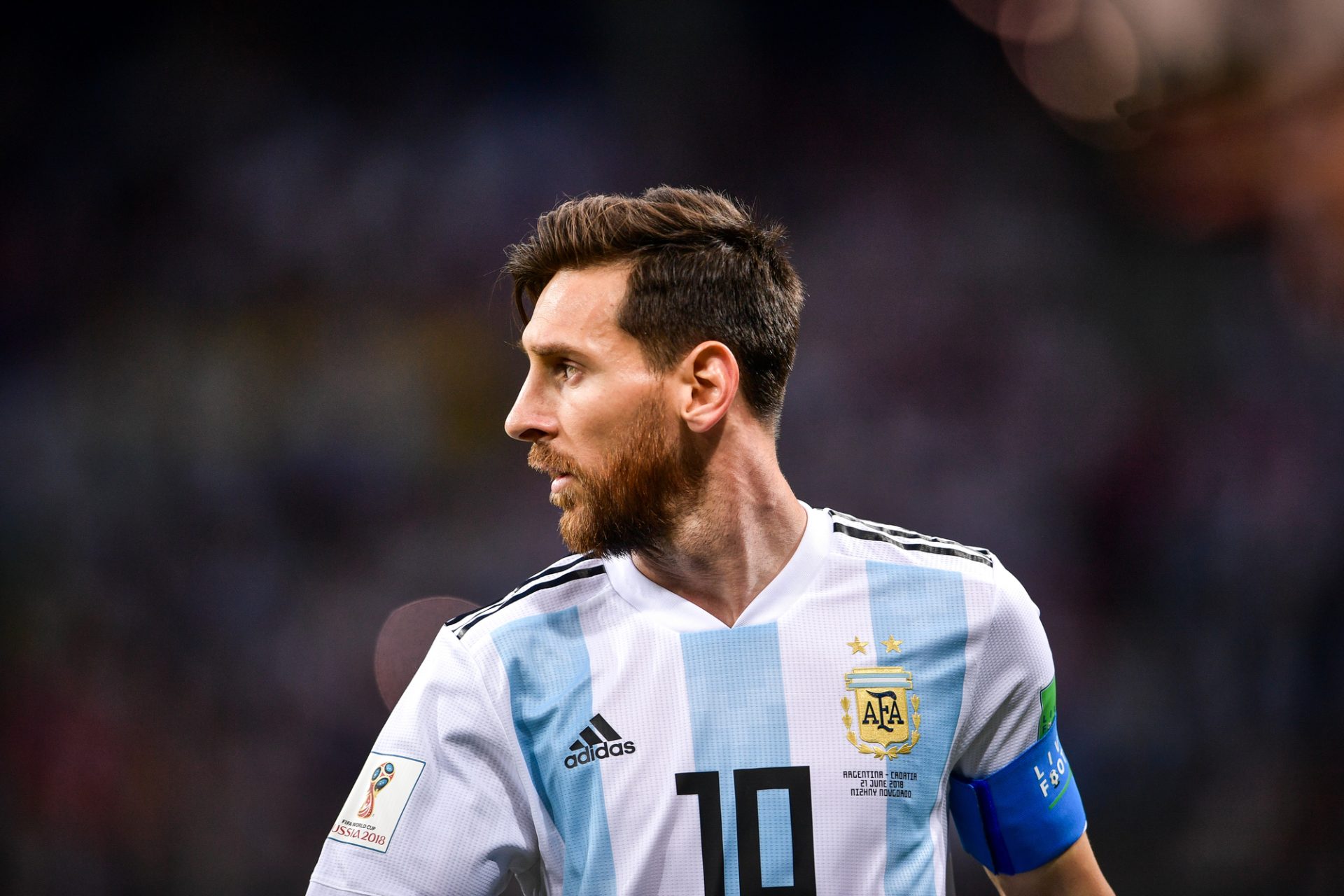
Spain v Argentina: Substitute Torres Seals Historic Extra-Time Winner as La Roja Lift the World Cup
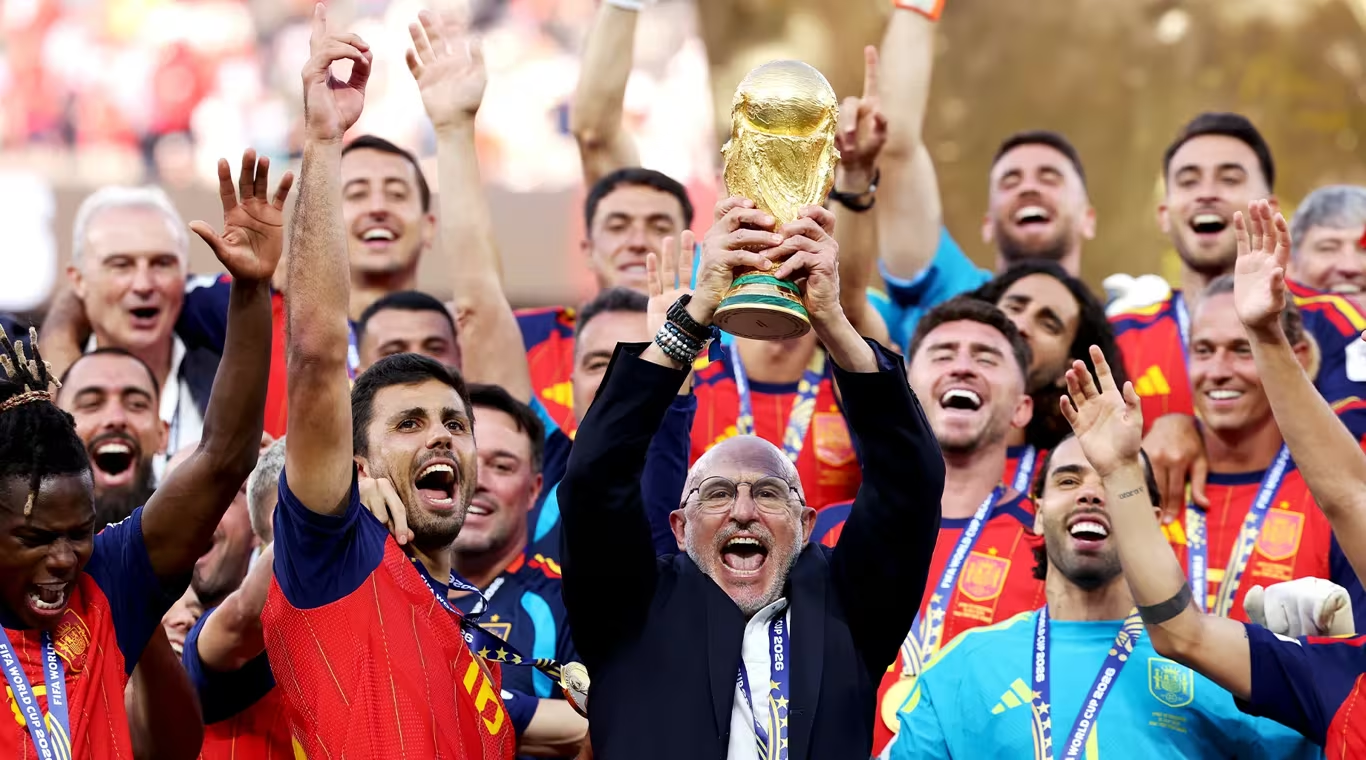
- Ferran Torres struck in the 106th minute to give Spain a 1-0 extra-time victory over Argentina in the 2026 World Cup final at MetLife Stadium in East Rutherford, New Jersey.
- Spain dominated from first whistle to last but were frustrated by a sensational performance from Argentina goalkeeper Emiliano Martinez, who finished with 11 saves, the most ever recorded in a World Cup final.
- Argentina had Enzo Fernandez sent off for a second yellow card in stoppage time at the end of the second half, and Lionel Messi did not register a single shot until the 117th minute as the holders were dethroned.
Spain Make History With Record-Breaking Defensive Display and 38-Game Unbeaten Run
Spain are world champions for the second time in their history. Sixteen years after Andres Iniesta’s extra-time strike settled the 2010 final against the Netherlands in Johannesburg, it was another substitute, Ferran Torres, who provided the decisive moment in extra time against Argentina at MetLife Stadium. The symmetry was almost too perfect, and so was the performance. Luis de la Fuente’s side produced one of the most dominant displays ever seen in a World Cup final, controlling the match from start to finish against the reigning champions and conceding just one goal across the entire tournament.
The goal itself was worth the wait. Nico Williams nodded down a Pedro Porro cross at the far post and Torres buried a first-time shot into the roof of the net in the 106th minute. It was Torres’ first goal of the tournament, and it crowned a team that had been the most complete and consistent side across the competition’s 104 matches.
It was a head-to-head worthy of the occasion, bringing together the champions of Europe and South America and the top two sides in FIFA’s world rankings. Both had arrived at the final unbeaten. Only one could leave with the trophy, and Spain’s superiority on the night was total. Argentina, who had scored 19 goals on their run to the final, did not manage a single attempt on goal until Lionel Messi had a shot blocked in the 117th minute. It was the starkest illustration of Spain’s stranglehold on the contest.
The first half was controlled entirely by Spain, even if clear-cut chances proved elusive against a deep and determined Argentine defense. Lamine Yamal produced the first notable attempt after just five minutes, receiving the ball from Dani Olmo in space on the right side of the box and shooting low, only for Emiliano Martinez to get down and block at the near post. As half time approached, Mikel Oyarzabal drove a shot at Martinez and Marc Cucurella dragged an effort wide, but the breakthrough would not come.
Argentina’s problems deepened as the match progressed. Lionel Scaloni lost both of his starting center backs to injury, with Lisandro Martinez making way for Nicolas Otamendi just before the break and Cristian Romero replaced by Facundo Medina after 70 minutes. Spain sensed the vulnerability and increased the pressure in the second half. Torres, who had come on for Oyarzabal in the 62nd minute, headed too close to Martinez from a Yamal delivery in the 67th minute. Pau Cubarsi, Pedri and Williams all drew saves from the Argentina goalkeeper as wave after wave of Spanish attacks crashed against the Albiceleste rearguard.
The most remarkable save of all came at the very end of normal time when Martinez produced a flying stop to keep out a Yamal free kick. The teenager’s frustration was visible, but normal time would end goalless.
Argentina’s task became even more daunting three minutes into second-half stoppage time when Fernandez was shown a second yellow card for a reckless challenge on Cubarsi, leaving referee Slavko Vincic with no option but to send off the Chelsea midfielder. The 2022 World Cup winner trudged off the pitch and Argentina would have to survive extra time with ten men.
The additional 30 minutes brought more of the same relentless pressure from Spain. Martinez kept out a Williams header. Mikel Merino put another effort wide. Both Williams and Torres had goals disallowed. But in the 106th minute, there was nothing Martinez could do. Porro delivered a cross from the right, Williams rose at the far post to nod the ball down, and Torres reacted first to bury a fierce first-time shot into the roof of the net.
Torres, named player of the match, was overcome with emotion at the final whistle. “I think, in the end, the goal was for 47 million people; it wasn’t just mine or from the 26 players here. I believe that today’s outcome was written in the stars,” Torres said. “[The game] was there for us to win, far from our people, but we did our best to make them feel as close as possible. All finals are difficult — when Messi is on the opposition team that nervousness always creeps in — but ultimately we’ve always stuck to our guns, to playing our own brand of football, and I think today we’ve shown that once again.”
De la Fuente, who at 65 years and 28 days old became the oldest coach to win the World Cup, surpassing his compatriot Vicente del Bosque, was visibly moved. “I feel especially proud of this generation of footballers who have grown with this idea, making it better and giving us an example of a group, of a family. They are players with exceptional talent. For me, it’s been an honour to have accompanied them on this journey. I’m very emotional, looking back,” De la Fuente said.
“We have spoken a lot with the players. We’ve won everything and that is wonderful. They are a generation of footballers who are a source of pride for Spain. Together, we are stronger. I think the game should have been decided earlier. Dibu’s [Martinez] great saves prevented us from winning sooner but it’s a World Cup final and, even with ten players at the end, you have to suffer.”
The Spanish coach revealed that the squad’s ambition stretches beyond even a World Cup. “Once we finished the game, I had a group of footballers who said, ‘Coach, what else is there to win, we have won everything, in every category?'” De la Fuente said. “We came to the conclusion that what remains is the next match in September [against England at Wembley] because this team is relentless.”
On the other side of the final whistle, there were tears. Messi, playing in a record third World Cup final at the age of 39, was moved to tears after receiving his runners-up medal and staring into the crowd at Argentina supporters. “I feel sad,” Messi said. “They were better, to be honest.”
The eight-time Ballon d’Or winner finished the tournament with eight goals, two behind France’s Kylian Mbappe in the battle for the Golden Boot. Though he has yet to confirm his future plans, the Inter Miami star has almost certainly played his last World Cup match. At 39 years and 25 days, he became the oldest outfield player to appear in a World Cup final, breaking the record of Sweden’s Gunnar Gren, who faced Brazil in 1958 at the age of 37 years and 241 days. Substitute Otamendi, at 38 years and 157 days, also surpassed Gren’s mark. Messi is the second player to have appeared in three World Cup finals, following Brazil’s Cafu, who played in the 1994, 1998 and 2002 deciders, but the first to have started all three.
Scaloni, whose side had produced so many remarkable comebacks throughout the tournament, was gracious in defeat. “I feel sadness but knowing that we left everything out there. I have a lot of things to say about how we got here but it’s not worth it. I want to thank these guys eternally for giving us another World Cup final and for competing until the end,” Scaloni said.
“They [Spain] were better, that’s the truth. But I’ll hold on to an enormous memory of what they’ve done, of what it’s worth to get this far. We have to give it huge value because it takes a lot to get here. We’re big in victory and we have to be big in defeat. Today we’re showing that we know how to lose. We lost the match and we’re owning it. But that doesn’t mean we’ll stop remembering everything we did to get here.”
The records that tumbled on the night underlined the scale of Spain’s achievement. Their total of one goal conceded across the entire tournament is the lowest for a World Cup-winning team in a single edition of the competition. Goalkeeper Unai Simon set a record with seven clean sheets in a single World Cup. Yamal and Cubarsi, both 19, became the fourth and fifth teenagers to have played in a World Cup final, joining Pele (17 in 1958), Giuseppe Bergomi (18 in 1982) and Mbappe (19 in 2018). All five finished on the winning side.
Spain are now unbeaten in regular time across their last 38 matches, a run of 29 wins and nine draws stretching back to a friendly defeat to Colombia in London in March 2024. The streak surpasses Italy’s European record of 37 consecutive matches unbeaten set between October 2018 and September 2021. Spain themselves ended that Italian run with a 2-1 victory in the UEFA Nations League. They are also the first team in history to be reigning champions of both the men’s and women’s World Cups at the same time, having won the FIFA Women’s World Cup in 2023.
The final brought together a staggering gathering of sporting and cultural royalty. Brad Pitt, Tom Cruise and Matt Damon were among the actors in attendance. Stephen Curry, Victor Wembanyama, Shai Gilgeous-Alexander, Kevin Durant and James Harden represented the NBA, while the NFL was present through Patrick Mahomes, Saquon Barkley and Odell Beckham Jr. Tennis royalty arrived in the form of Serena Williams and Carlos Alcaraz, and soccer legends including Kaka, David Beckham, Didier Drogba and Zinedine Zidane watched on alongside a reunion of Spain’s victorious 2010 squad. President Donald Trump was also in attendance and presented the trophy to Rodri, who was named the tournament’s Golden Ball winner.
The halftime show, a first for FIFA, featured Justin Bieber, Madonna, Shakira and BTS alongside Burna Boy, Venezuelan conductor Gustavo Dudamel, the PS 22 Chorus with Coldplay and even characters from Sesame Street and The Muppets. Post Malone had headlined the closing ceremony 90 minutes before kickoff. It was the final act of the biggest World Cup in history, a 48-team, 104-match tournament spread across 16 cities in three countries that produced more than 307 goals. Spain, fittingly, had the last word.

Leave a Comment
More in News
Bowen’s Saved Penalty Costs West Ham a Shot at Top Spot

Cole Palmer Missed England’s World Cup Squad This Summer, and His Club Have Just Backed Him With a Deal Running to 2034
Enzo Maresca Insists Manchester City’s Titles Are Not Tainted After the Club Was Found Guilty on 115 Charges
Michael Carrick Lost Two Title Races to Manchester City, and United Fans Now Mark 50 Years Without a Trophy

Jarell Quansah Was Never Liverpool’s Top Academy Prospect, and He Has Already Won Eight England Caps
Trending on Futbol Chronicle
What Is The Club World Cup?
Why Soccer Is The Best Sport
What Is Offsides in Soccer? The Offside Rule Fully Explained
Josef Martinez Returns to MLS Spotlight With Columbus Crew Signing