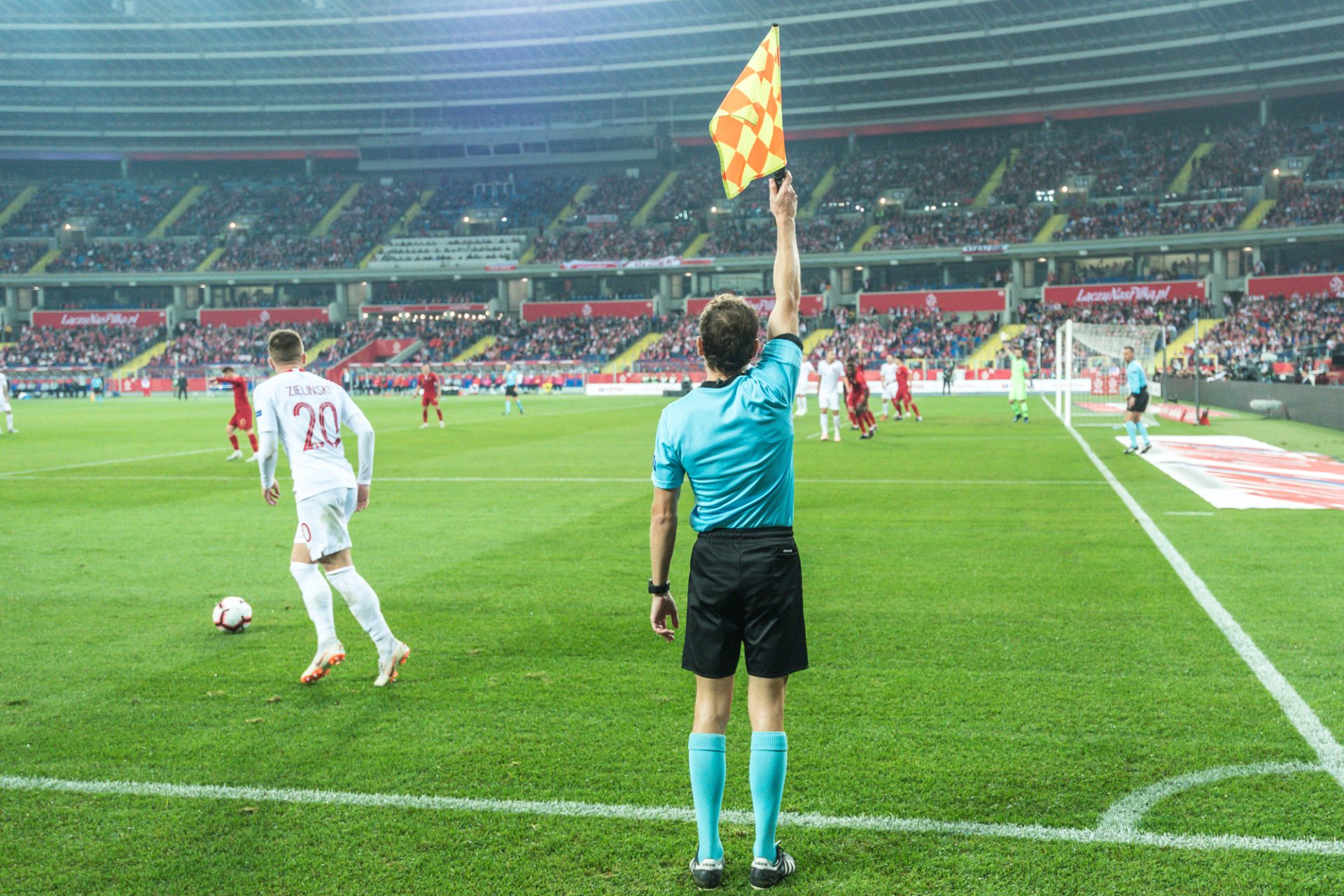
Morocco Replaced Their Semi Final Coach With a First Time Boss Before the World Cup
Table of Contents
Three and a half years ago, Walid Regragui stood at the centre of the most extraordinary story in modern World Cup history. Morocco had reached the semi-finals in Qatar, the first African and first Arab nation ever to do so, and Regragui was the architect who had taken charge only months before the tournament and turned a talented squad into a wall that knocked out Spain and Portugal. He was a national hero, untouchable. Yet fewer than a hundred days before the 2026 World Cup, Morocco and Regragui went their separate ways, and the federation handed the team to a coach who had never managed at senior level in his life. It was a gamble that, on paper, looked close to reckless. The early evidence suggests it might just be inspired.
How a hero became expendable
Football has a short memory, and Morocco’s decision to part with Regragui shows just how short. The man who delivered the greatest result in the country’s history found his position untenable after a single, painful failure on home soil. Morocco hosted the Africa Cup of Nations and were expected to win it. Instead they lost the final 1-0 to Senegal, a defeat that landed especially hard given the expectation and the setting. For a country that had tasted a World Cup semi-final, falling short in front of their own supporters in a continental final was the kind of disappointment that overrides recent glory.
The split was confirmed in March, a little under three months before the World Cup, and it left the federation in an unusual position. Most associations cling to continuity heading into a major tournament, valuing the comfort of a settled coach over the risk of disruption. Morocco chose the opposite. They decided that the relationship had run its course and that a fresh voice was worth the upheaval, even with the clock ticking and one of the most talented squads in the tournament waiting to be organised.
The under-20 winner who answered the call
The man chosen to replace Regragui was Mohamed Ouahbi, and the appointment raised eyebrows well beyond Morocco. Ouahbi, 49, had built his case not in senior club football but in the youth ranks, where he had just guided Morocco’s under-20 side to the World Cup title. That triumph was the loudest possible argument for his promotion. A coach who can take young Moroccan players to a global trophy clearly understands the talent coming through the system and how to mould it into a winning team. Still, leading a youth side to a title and managing a senior squad full of established stars at a World Cup are different jobs entirely, and Ouahbi has stepped straight from one to the other with no senior experience in between.
He has not done it alone. Morocco surrounded the new man with experience, bringing in Joao Sacramento, a former assistant to Jose Mourinho, alongside Youssouf Hadji, a familiar face within Moroccan football. The structure is designed to support a first-time senior coach with the tactical and tournament knowledge he might lack, while keeping Ouahbi’s understanding of the country’s emerging players at the centre of the project. It is a calculated bet that the man who knows the new generation best is the right person to lead them, provided he has the right people beside him.
A first test against Brazil
If there was ever a fixture to expose a new coach and a hastily assembled plan, it was the one Morocco drew first. They opened their tournament against Brazil, the most decorated nation in World Cup history, in Group C alongside Scotland and Haiti. A heavy defeat would have validated every doubt about the timing of the coaching change. Instead, Morocco produced a performance that suggested the gamble might pay off. They held Brazil to a 1-1 draw and, by most accounts, looked the sharper side in the opening stages, unsettling the South Americans with aggressive pressing and quick transitions that pinned Brazil back when they expected to dominate.
That result did two things at once. It earned Morocco a valuable point against the toughest opponent in their group, and it offered the first real proof that Ouahbi’s ideas could survive contact with elite opposition. Drawing with Brazil is the kind of opening statement that buys a new coach time and belief, exactly what a first-time manager needs when sceptics are waiting for the first sign of trouble. For a side that lost its World Cup hero only weeks earlier, matching the five-time champions was the strongest possible answer to the question of whether the change had been a mistake.
The squad that makes the gamble survivable
Part of what makes Morocco’s decision defensible is the quality at the new coach’s disposal. This is not a rebuilding job. Achraf Hakimi, the captain and one of the finest full-backs in the world, anchors a side packed with players competing at the top of European football. The spine that reached the Qatar semi-final has matured, and a new wave of talent has been folded in, including dual-nationality players who chose Morocco over the European nations they could have represented. It is a squad with the depth and experience to absorb a coaching change without falling apart, which is precisely why the federation felt able to take the risk in the first place.
Morocco also carry a specific historical motivation into this tournament. They are seeking to progress from a World Cup group in back-to-back editions for the first time, a marker of consistency that would confirm Qatar was no fluke. After the semi-final run, the worst outcome for Moroccan football would be a return to the days of one-off heroics followed by quiet group-stage exits. Sustaining the level is the real challenge, and doing it under a brand-new coach makes the task harder and the potential reward greater.
The Regragui legacy that complicates everything
Every decision Ouahbi makes will be measured against a predecessor who set an impossibly high bar. Regragui did not merely reach a semi-final in Qatar. He changed how the football world saw African and Arab teams, proving that organisation, belief and tactical discipline could carry a nation past Europe’s traditional powers on the biggest stage. His Morocco knocked out Spain on penalties and beat Portugal, and for a few weeks in 2022 they were the team the neutral world fell for. That run reshaped expectations permanently. Where Moroccan supporters once hoped to escape a group, they now expect to contend, and that shift is both Regragui’s gift to the country and the burden he has left behind for the man who followed him.
It also means the new coach inherits a dressing room that knows exactly what success at this level looks and feels like. The senior players in this squad lived the semi-final run, and they will not be easily impressed by a manager whose senior experience amounts to a handful of matches. Winning their trust quickly was Ouahbi’s first and most delicate task, and the draw with Brazil will have helped enormously. Players believe in results, and a point against the five-time champions in the opening match is the sort of evidence that turns scepticism into buy-in faster than any team talk could.
There is a poignancy, too, in how quickly football discards even its greatest servants. Regragui gave Morocco a moment that will be replayed for generations, and within three years a single home final defeat was enough to end the relationship. It is a reminder that international management offers no lasting security, that the gap between hero and former coach can be measured in a single bad night. Ouahbi knows that the same fate awaits him if this World Cup goes badly, and that the goodwill he has earned could evaporate just as fast.
What the decision says about modern management
There is a lesson in Morocco’s choice that stretches beyond one team. The willingness to move on from a coach who delivered the greatest result in a nation’s history, simply because a single home tournament ended in disappointment, reflects how unforgiving the modern game has become at the international level. Loyalty buys far less than it once did, and even a semi-final architect is only as safe as his last final. At the same time, the appointment of Ouahbi points to a growing trust in youth-development pathways, a belief that the coach who wins with a country’s teenagers might be the one best placed to lead its seniors.
Whether that philosophy holds up will be decided over the coming weeks. A draw with Brazil is a fine start, but Morocco will be expected to beat Scotland and Haiti and then prove themselves capable of another run through the knockout rounds. The pressure on Ouahbi is enormous precisely because the bar set by his predecessor is so high. Anything less than escaping the group will be judged a failure, and the man who replaced a hero knows it.
A bet still waiting to be settled
Morocco have made one of the boldest calls of this World Cup, discarding a legend and trusting an untested senior coach with a golden generation at the most important moment in the four-year cycle. The opening draw against Brazil bought them belief and silenced the loudest doubters, at least for now. But the verdict on the decision will not arrive until the tournament reaches its later stages. If Ouahbi steers this squad deep into the knockouts, the federation will look visionary for backing the man who knew the new generation best. If Morocco stumble early, the questions about why they ever moved on from Regragui will return with force. For a country that has already rewritten its football history once, the next chapter rests on a gamble nobody else would have dared to take.

Leave a Comment
More in News

Illinois woman gets orange soda from gas station soda fountain. Then she sees what else came with it: ‘Imagine you got a Coke’
Cristiano Ronaldo Celebrates 982nd Career Goal That Opta Calls an Own Goal
Roberto De Zerbi Defends Spurs Medical Staff Amid Growing Injury List

California Woman Orders Ice Cream From Baskin Robbins. Then She Removes Single Cherry—And Sees How Much Her Total Goes Up

Texas man goes to Nordstrom Rack. Then he notices something strange about all the shoes: ‘Recession indicator’
Trending on Futbol Chronicle
Why Soccer Is The Best Sport
Map of All the Premier League Teams for 2025/26
Cristian Romero completes €40m move from Tottenham to Atlético Madrid
The Best World Cup YouTubers to Follow in 2026