Senegal’s Golden Generation Knows the 2026 World Cup Is Their Last Chance Together
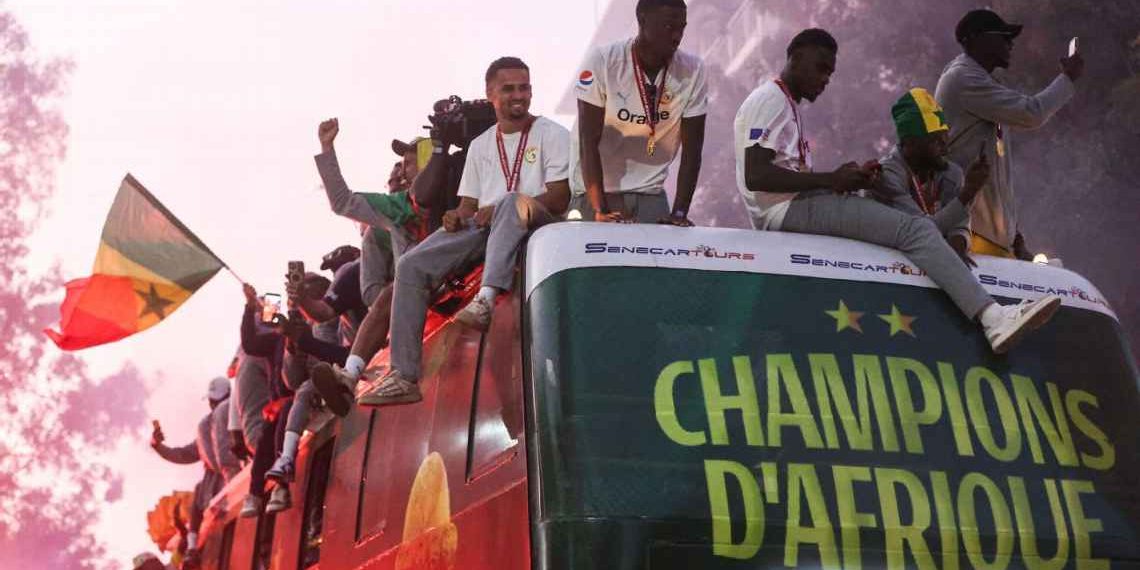
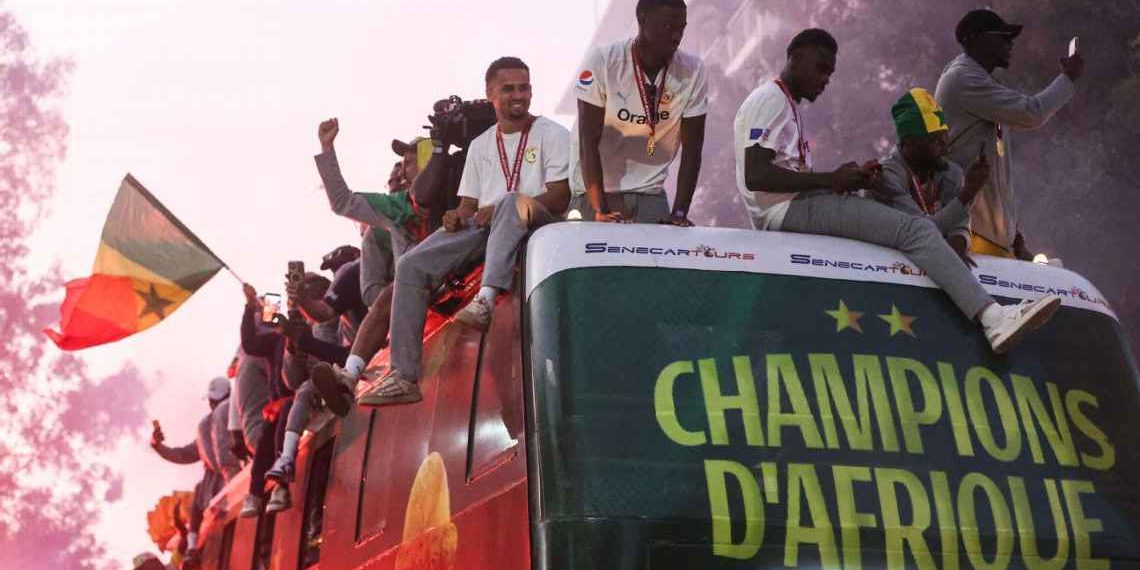
Table of Contents
Senegal needed a rout, and against ten-man Iraq they got one. Five goals, Ismaila Sarr and Iliman Ndiaye among the scorers, a result emphatic enough to lift the Lions of Teranga above every other third-placed team holding three points. It carried Senegal into the World Cup Round of 32. It also bought their golden generation one more match, and quite possibly one more chance to do the thing they have never managed.
Sadio Mane is 34 now. Kalidou Koulibaly, Idrissa Gana Gueye and Edouard Mendy are all deep into their thirties. They have given Senegalese football its greatest decade, a run of achievement no group of players from the country had come close to before. They have also spent that decade haunted by the gap between what they have won at home in Africa and what they have failed to win on the world stage. This World Cup, almost certainly their last together, is the final attempt to close it.
A Decade of Almosts
Senegal’s high-water mark at a World Cup remains the quarter-final of 2002, reached by a different generation that beat reigning champions France on the opening day and became the story of the tournament. The current group has never matched it. In 2018 they went out in the group stage on fair-play points, the first team eliminated by yellow cards. In 2022 they reached the last 16 and lost to England. Good without being great, present without ever truly threatening.
The frustration is sharpened by what this team achieved elsewhere. In 2021 Senegal won the Africa Cup of Nations for the first time in their history, Mane scoring the decisive penalty in a shootout against Egypt. They had lost the previous final and carried the wound of it; winning at last released years of pressure. For a few months Senegal sat on top of African football with a squad in its prime. Translating that into a World Cup mark to match has proved a different and harder task.
Behind the headline names sits a squad of genuine quality. Edouard Mendy was once among the best goalkeepers in the world, a Champions League winner with Chelsea who arrived in elite football late and made up for lost time. Koulibaly spent years as one of Serie A’s most respected defenders, a captain who leads with his voice as much as his tackling. Gueye is the engine, a midfielder who covers ground others cannot and breaks up play before danger forms. Around them, Sarr and Ndiaye represent a younger layer ready to inherit the team, both capable of the moments that win knockout ties.
Now or Never
The players have stopped pretending otherwise. The phrase that has followed this squad through the tournament is blunt: it is now or never. Mane, Koulibaly, Mendy and Gueye will not be back in four years, not as the core of a team. When they look back on their careers, they will savour a decade in which they achieved more than any Senegalese players before them. They are also in real danger of being remembered for one of the heaviest disappointments their football has known, a generation that conquered a continent and never conquered its own potential at the World Cup.
Mane remains the emotional and technical centre of everything. He moved to Saudi Arabia in the later stage of his career, drawing the usual questions about sharpness, but for Senegal he is still the player team-mates turn to when a match needs deciding. His leadership carried them to the AFCON title. It will have to carry them again now, against opposition built to test exactly the kind of ageing legs Senegal field across their spine.
The Group That Nearly Ended It
Group I gave Senegal no easy passage. France beat them 3-1 in the opener, a reminder of the elite level Senegal aspire to and have not reached. Norway, powered by Erling Haaland, edged them 3-2 in a game Senegal might have taken on another night. Two defeats left them needing a big win and a favourable set of results elsewhere, the position of a team whose tournament hangs by a thread.
The 5-0 demolition of Iraq delivered the win, helped by an opponent reduced to ten men, and the maths fell kindly enough to send them through as one of the eight best third-placed sides. Survival rather than swagger, but survival is all the knockout rounds require. Senegal are still standing, and a team this experienced knows that a tournament can be reset the moment the group stage ends.
The AFCON triumph in 2021 still shapes how this group is judged. Senegal had reached the final two years earlier and lost, and the weight of that defeat sat on the squad for the whole of the next campaign. When Mane stepped up to take the winning penalty against Egypt, he was carrying not just a shootout but years of near-misses. The image of him wheeling away, arms wide, became the defining picture of Senegalese sport. It proved this team could win the biggest moments. The World Cup has yet to offer them the same release.
There is a cruelty in how international windows close. A club player can chase trophies for as long as his body allows, but a national team’s golden age depends on a handful of careers overlapping at their peak. Senegal’s overlap is ending. The next World Cup will belong to Sarr, Ndiaye and the players coming behind them, built around a different spine. For Mane and his peers, the road runs out here, in a tournament that has already pushed them to the edge once.
Belgium Await in Seattle
The Round of 32 pairs Senegal with Belgium, winners of Group G, on 1 July at Lumen Field in Seattle. It is a meeting of two ageing golden generations, each chasing a last shot at the prize that eluded them. Belgium’s own celebrated group, built around players who reached a World Cup semi-final in 2018, has spent years being told its window has closed. So has Senegal’s. Two teams that have heard the same verdict will fight to prove it wrong on the same night.
For Senegal the tie offers a clean test of where they really stand. Beat Belgium and they reach the last 16 with momentum and the sense that the old legs have one more run in them. Lose, and the golden generation’s World Cup story ends where it has so often ended, short of the mark, with the familiar feeling that a gifted group never quite delivered when the lights were brightest.
The 2002 comparison hangs over everything Senegal do at a World Cup. That side, with players like El Hadji Diouf and Khalilou Fadiga, stunned France and rode a wave of belief to the last eight before losing to Turkey on a golden goal. It remains the benchmark, the summer every Senegalese supporter measures the present against. This generation has more pedigree, more European trophies and more individual honours than the class of 2002 ever held. What it lacks is the run, the deep World Cup that turns a good team into a national memory passed down for decades.
The Weight of a Continent
Senegal do not carry only their own hopes. They are among the highest-ranked African nations and have long been seen as the side most likely to break new ground for the continent at a World Cup. African teams have impressed across this expanded tournament, with several reaching the knockouts and refusing to defer to the traditional powers. Senegal were supposed to lead that charge, not scrape into it as a third-placed qualifier.
That expectation is its own burden. A nation that won a continental title and produced elite players at goalkeeper, in defence and in attack expects more than a nervy passage through the group. The supporters who fill stadiums with green and red, who turned out across host cities to back the Lions, want a run that matches the talent. The players feel it. They have spoken all tournament about legacy, about doing something lasting before this group breaks apart.
Time is the opponent that cannot be beaten. Mane, Koulibaly, Mendy and Gueye have given Senegal everything across qualifiers, two African Cup of Nations campaigns and three World Cup cycles. The legs that carried them are slower now, the recovery harder, the gaps between brilliant performances longer. A knockout tournament rewards freshness, and Senegal will ask their oldest players to summon one final surge against younger, faster opponents. Whether the bodies can answer is the question that will define their last act together.
One match at a time is the only way it works now. The golden generation has run out of road for grand plans, left only with the next opponent and the knowledge that every game could be the last they share. Against Iraq they bought themselves another week. Against Belgium they will try to buy more, chasing the World Cup mark that has stayed just beyond their reach for a decade, aware that this time there is no four-years-from-now to fall back on.

Leave a Comment
More in News
Michael Carrick Kept His Cool When the Pitchforks Came Out, and Manchester United Rewarded Him for It

Cavan Sullivan Ties Freddy Adu’s MLS Record With Winner for Philadelphia Union

Gabriel Jesus Set for Barcelona Medical as Arsenal Deadline Day Exodus Continues

Ollie Watkins Completes £51m Al-Hilal Move With Emotional Farewell to Aston Villa
Three Tottenham Players Ask to Leave as De Zerbi’s Rebuild Unravels
Trending on Futbol Chronicle
The Best World Cup YouTubers to Follow in 2026
Josef Martinez Returns to MLS Spotlight With Columbus Crew Signing
Michael Carrick points to lack of sharpness after Manchester United draw with West Ham
Arab football federations back Gianni Infantino as FIFA president faces growing opposition