
Folarin Balogun Will Miss the USA’s Biggest Game in a Generation Over a Red Card
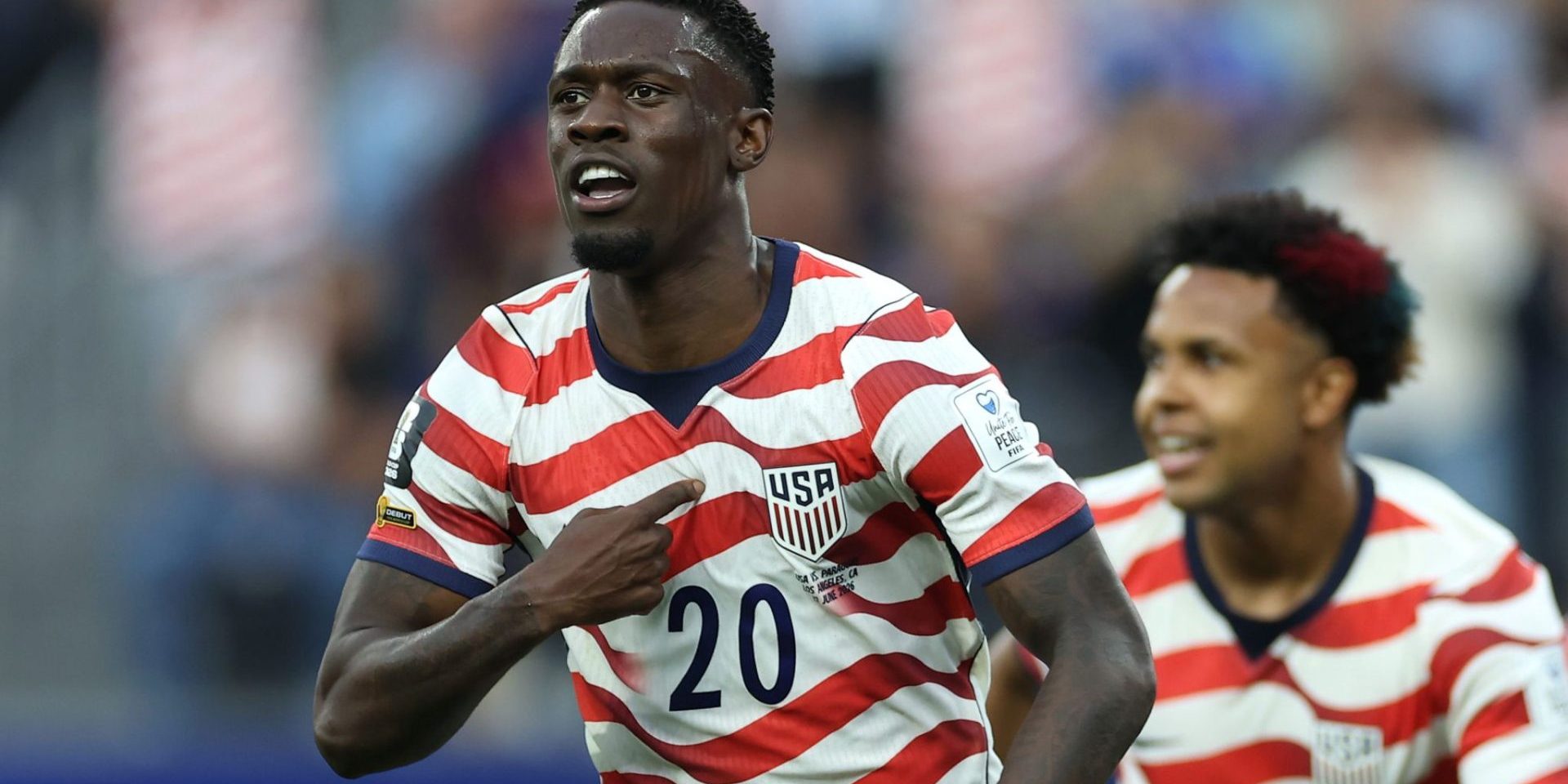
Table of Contents
Folarin Balogun had just given the United States the platform for the biggest World Cup win of a generation. His goal helped send the Americans past Bosnia and Herzegovina and into the Round of 16, the deepest run a U.S. team has managed on home soil in the modern era. Then, in the 64th minute, it went wrong. Chasing a loose ball, Balogun caught Bosnia’s Tarek Muharemovic on the ankle, VAR intervened, and the striker was sent off. The suspension that followed means he will miss the game his goal helped earn.
The United States face Belgium in the last 16, and they will do it without their center forward. FIFA rules turn a straight red card into an automatic one-match ban, and there is no route of appeal available to the U.S. federation. Balogun scored, then was dismissed, then learned he would sit out the most important match of his international career. Mauricio Pochettino was furious, and he did not hide it.
The tackle that changed the picture
The incident itself looked innocuous in real time. Balogun and Muharemovic both went for a bouncing ball, and as the Bosnian got there first, the American’s studs came down on his ankle. There was no malice in it, no lunge, no wild swing of the boot. It was the kind of collision that happens a dozen times in a match and usually draws nothing more than a free kick. The on field officials waved play on. Then the video review began.
Under the current interpretation of the laws, contact with the ankle and studs showing can meet the threshold for serious foul play, regardless of intent. The referee, sent to the monitor, upgraded the decision to a red card. Balogun walked, the United States finished the game with ten men, and held on for a 2-0 win that sent them through. The result was secured. The cost only became clear afterward.
Pochettino’s anger
The U.S. coach did not attempt diplomacy. “For me, never is it a red card,” Pochettino said, describing the challenge as “a normal action in football that happened by accident” with no intention to injure. It was a rare public show of frustration from a manager who has generally kept his complaints behind closed doors, and it reflected how significant the loss of Balogun is to his plans.
Pochettino has spent his tenure building an identity around a mobile, pressing front line, and Balogun has become central to it. The striker’s movement stretches defenses and creates space for the runners around him, and his finishing has grown sharper across the tournament. Losing him for a knockout tie against a side of Belgium’s quality is the kind of blow that can reshape a game before it kicks off. The manager’s anger was not only about a refereeing call. It was about what the call takes away.
No way to appeal
What sharpens the frustration is the finality of it. A straight red card for serious foul play carries a mandatory suspension, and FIFA’s disciplinary framework does not allow a federation to appeal simply because it disagrees with the referee’s reading of an incident. The U.S. can argue the decision was harsh, and plenty of neutral observers agree, but the rules leave no mechanism to overturn the ban in time for the Belgium game.
There has also been reporting that the U.S. camp is wary of the process going further rather than being reduced, a reminder that challenging these decisions can carry its own risk. For now the confirmed position is simple and painful. Balogun serves a one match ban, misses the Round of 16, and the United States must find a way to beat Belgium without their first choice striker. Everything else is noise around that central fact.
Who leads the line now
Pochettino’s response will define the tie. The United States carry other forwards, and the coach has options, even if none replicate exactly what Balogun offers. Ricardo Pepi provides a different kind of center forward, a penalty box finisher who thrives on service. Haji Wright brings physicality and hold up play. Pochettino could also reshape the attack entirely, pushing Christian Pulisic more central or building around the runners from midfield rather than a fixed number nine.
Whatever he chooses, the margin for error shrinks. Belgium arrive with experience and quality across the field, and a U.S. side missing its main striker cannot afford to be passive. The knockout rounds punish hesitation, and Pochettino will need his replacement plan to click quickly. The depth he has talked about all tournament faces its sternest test, not through rotation this time but through necessity.
A cruel edge to a landmark night
There is a bitter symmetry to Balogun’s tournament reaching this point. Born in New York, raised in London, he chose the United States over England in one of the more debated decisions of recent years, and he has repaid that choice with goals when they mattered. His strike against Bosnia was part of the biggest American World Cup performance in decades. That the same night ended with a red card, and a ban for the next round, is the sort of twist that makes knockout football so unforgiving.
For the United States, the achievement remains real. Reaching the last 16 at a home World Cup is a milestone this program has chased for years, and Pochettino’s team got there by beating a stubborn Bosnia side with something to spare. The celebration was genuine. It was just tempered, within hours, by the news that the man who lit the fuse would have to watch the next step from the stands.
The test that defines the summer
Belgium in the Round of 16 was always going to measure how far this United States team can go. Now it measures something else too, how well Pochettino can adapt when the tournament takes a key player away at the worst moment. Great teams absorb these blows. They find a different route, a different hero, a way to win the game in front of them rather than the game they planned for.
Balogun will be in the stands in the biggest match of his country’s recent history, watching teammates chase a place in the quarter finals he helped make possible. If the United States find a way past Belgium without him, his goal against Bosnia will look like the moment that started it. If they do not, a harsh red card at the end of a triumphant night will be remembered as the turning point of the American summer.

Leave a Comment
More in News

Thierno Barry Was Filmed Crying In A Private Training Session Last Season, And He Has Already Scored In Three Games This Campaign
Gravenberch’s Red Card Sparks Referee Row in Liverpool’s Defeat to City

Moise Kean Will Miss Como’s Biggest Game of the Season After Cesc Fabregas Clashed With Italy’s Doctors
Oliver Glasner Returned to Crystal Palace and Fans Turned From Applause to Taunts as Forest Lost
Vinicius Red Card for Hair Pull Leaves Mourinho Snubbing the Press
Trending on Futbol Chronicle
Michael Carrick admits Manchester United have “no excuses” after AC Milan defeat
The Best Soccer Players of All Time: The 10 Greatest Ever Ranked
Josef Martinez Returns to MLS Spotlight With Columbus Crew Signing

Map of All the Premier League Teams for 2025/26