Vinicius Red Card for Hair Pull Leaves Mourinho Snubbing the Press
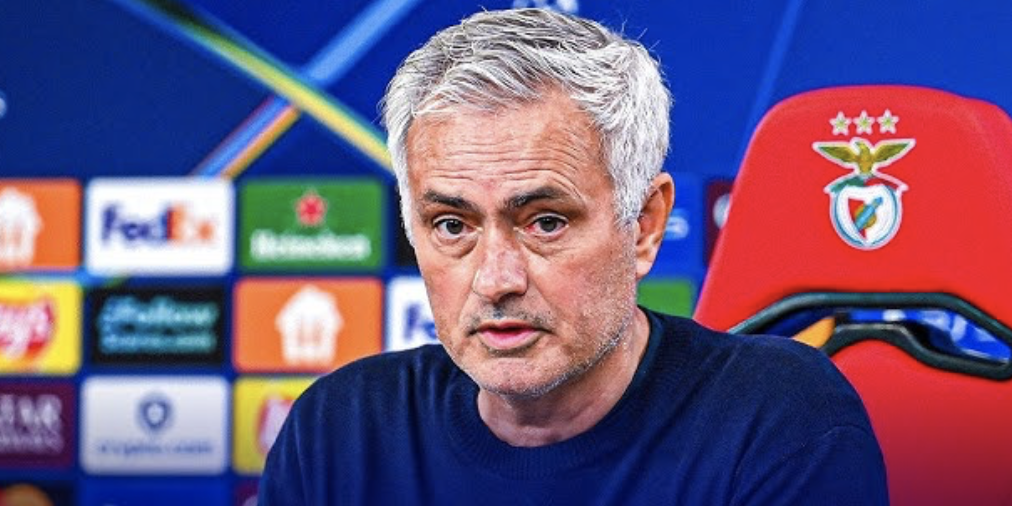
Table of Contents
- Vinicius Junior had what looked like a second goal for Real Madrid taken away by VAR after the review showed him pulling the hair of Villarreal defender Nathan Saliba in the build-up.
- The referee then sent Vinicius off for violent conduct, the standard punishment under the laws of the game for a deliberate hair pull made with force.
- Real Madrid manager Jose Mourinho skipped the mandatory post-match news conference for the first time in his spell in charge, with reports suggesting he was worried that anything he said could lead to his own suspension.
A Second Red Card in Back-to-Back Games Leaves Mourinho’s Title Challenge Looking Fragile
Vinicius Junior thought he had scored his second goal of the afternoon. Jose Mourinho thought so too, sprinting across the Real Madrid technical area to celebrate with him. Then the referee walked to the pitchside monitor, watched the build-up again, and chalked the goal off. Vinicius had pulled the hair of Villarreal defender Nathan Saliba in the moments before the ball went in, and the official who had just allowed the goal reversed his own decision and produced a straight red card instead.
Real Madrid still won the game 1-0, through a first senior goal from 19-year-old Yan Diomande. But the story to come out of the Santiago Bernabeu was not the three points. It was a forward sent off for yanking an opponent’s hair, and a manager so rattled by the decision that he refused to speak to the media afterward for the first time in his spell as coach.
What the Law Actually Says About Hair Pulling
Under Law 12 of the laws of the game set by the International Football Association Board, pulling an opponent’s hair falls under violent conduct, which carries a straight red card. The law is specific: a player who is not challenging for the ball must be sent off if they make a clear action to pull an opponent’s hair with force. Vinicius was not competing for the ball when he grabbed Saliba’s hair. He was pulling him away from the play entirely, which is precisely the scenario the law was written to punish.
The timing of the incident made it stand out further. English referees have actually moved away from an automatic red card for every hair pull this season, after three players were sent off for it in the Premier League last season. From this campaign, English officials are judging the level of force and intent before reaching for a card rather than treating every hair pull the same way. Even under that softer standard, a deliberate yank like Vinicius’ would still likely have ended in a dismissal.
Hair pulling has popped up elsewhere in the sport recently, too. Antigua and Barbuda had two players sent off for it in a Concacaf Nations League game against Anguilla in September, a reminder that officials across different competitions are being asked to police the same obscure offense within weeks of each other.
Why Mourinho Would Not Speak
Real Madrid are not known for sending players or staff out to speak after matches, even comfortable wins. This time, nobody came out at all. Journalists waited at the Bernabeu for the post-match news conference that never happened. Word spread through the press room that Mourinho would not be speaking, reportedly concerned that whatever he said about the officiating could get him suspended.
His frustration had been building long before the final whistle. Mourinho picked up a yellow card of his own in the match and had to be physically held back by members of his coaching staff more than once as his emotions threatened to spill over. The red card for Vinicius tipped that frustration over the edge. Having run onto the pitch to celebrate the disallowed goal, Mourinho then watched his own players surround the referee as the officials left the field, with the atmosphere turning hostile in a matter of seconds.
It was the second red card shown to a Real Madrid player in consecutive matches. Dean Huijsen had already been sent off in the team’s previous game, a derby defeat to Atletico Madrid that left Mourinho just as furious with the officials as he was against Villarreal. Two dismissals in two games is not the pattern of a side cruising through a title race, whatever the final score says about the Villarreal match itself.
An Unconvincing Win That Still Counted
Real Madrid needed the three points regardless of how they arrived. Barcelona had already beaten Getafe 3-0 earlier in the day to stay at the top of La Liga, and Mourinho’s side could not afford to let the gap stretch further. For long periods against Villarreal, they struggled to make any real impression on the game.
Diomande’s goal, a low finish into the far corner in the 62nd minute, was initially ruled out for offside before VAR overturned the flag. It was his first for the club after arriving from RB Leipzig for a fee reported at up to £120m in August, and it proved to be the only moment of real quality in an afternoon that otherwise belonged to the officials.
Kylian Mbappe had a frustrating night of his own, wasting a couple of good chances and denied once by Villarreal goalkeeper Peter Gulacsi, while Jude Bellingham picked up a booking for a foul. Neither player could find a way to settle the game before the drama around Vinicius took over, and the longer the contest went on without a second Real goal, the more the afternoon turned on moments neither side could fully control.
None of it offered much evidence that Real are building toward a serious title push. With eight games played, Mourinho’s side sit six points off top spot, and they travel to face leaders Barcelona on 25 October knowing a repeat of this kind of performance will not be enough. A win built on a disallowed goal, a red card and a manager too angry to speak afterward is not the kind of result that settles any nerves inside the Bernabeu, whatever the table says about the three points banked.
A Pattern Mourinho Cannot Ignore
Two red cards and two charged post-match scenes inside a week is the sort of pattern that follows a manager around, fairly or not. Mourinho built much of his reputation on exactly this kind of siege mentality earlier in his career, turning referees and the media into a common opponent for his players to rally against. The difference this time is that Real Madrid are not running away with the title the way some of his old sides did. They are chasing it from six points back, and every red card makes the gap harder to close rather than giving the squad something to unite around.
What Happens Next
Vinicius will serve a standard suspension for the red card, keeping him out of Real’s next league fixture at minimum under Spanish disciplinary rules for violent conduct. Mourinho’s silence buys him time before he has to answer questions about either the sending-off or his own conduct on the touchline, but it will not make the Barcelona trip any less pressing. A side already six points off the top cannot afford many more afternoons like this one, red cards and all.
For Vinicius, the ban also costs him minutes at a point in the season where Real can least spare him up front alongside Mbappe. For Mourinho, the bigger cost is likely reputational. A manager who refuses to face the press after a win invites exactly the kind of scrutiny he was trying to avoid, and the Barcelona game in two weeks will arrive with every camera in Spain waiting to see whether he turns up to that one, and whether his team can finally win without a controversy attached to it.
The referee’s official report said Vinicius disputed the decision by shouting and moving toward him with an aggressive attitude before being pulled away by his own teammates, a detail that could count against him if the disciplinary committee considers a longer ban than the standard one match given for violent conduct. Teammate Aurelien Tchouameni did not hide his frustration afterward, telling Real Madrid TV that he did not understand what was happening with the officiating this season. Villarreal defender Juan Foyth, the player closest to the incident, struck a more measured tone, saying he did not think Vinicius meant to hurt anyone but accepted that the red card was correct under the letter of the law.
Spanish reports have floated a ban of two to three matches rather than the usual single game, which would put Vinicius’s place in the Clasico against Barcelona on October 25 in real doubt. Vinicius addressed the incident himself on social media within hours of the final whistle, posting a short apology to his teammates and supporters. For Mourinho, avoiding the press after the win was framed in Spain as a tactic to protect his own touchline access for the games against Sevilla and Barcelona, since a disciplinary charge against him personally was still a live possibility in the hours after the final whistle.

Leave a Comment
More in News
Bowen’s Saved Penalty Costs West Ham a Shot at Top Spot

Cole Palmer Missed England’s World Cup Squad This Summer, and His Club Have Just Backed Him With a Deal Running to 2034
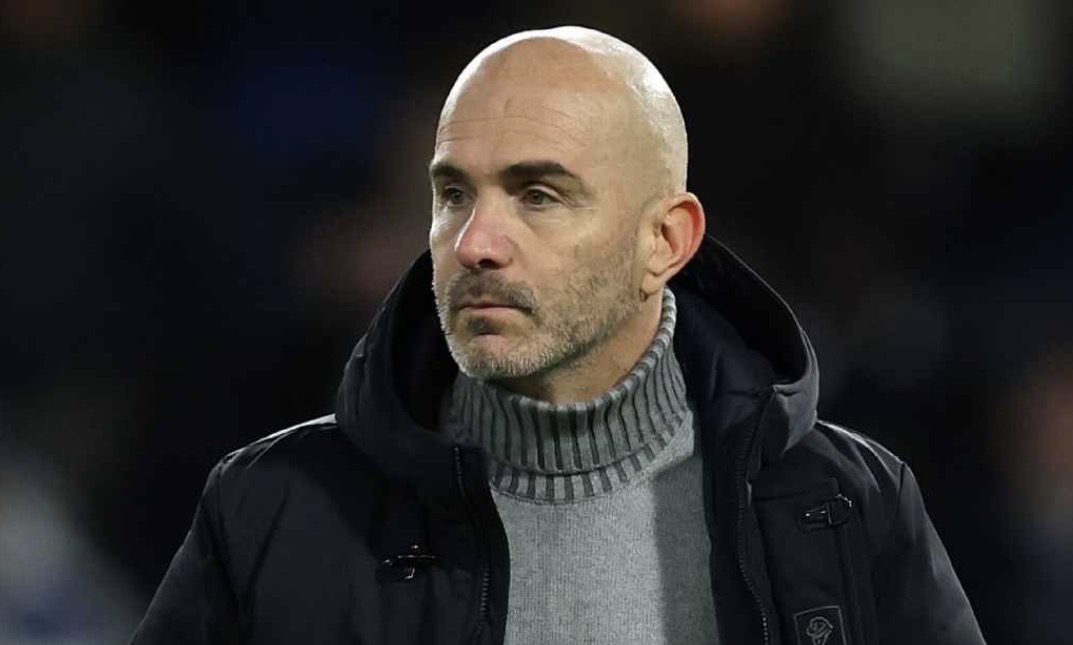
Enzo Maresca Insists Manchester City’s Titles Are Not Tainted After the Club Was Found Guilty on 115 Charges
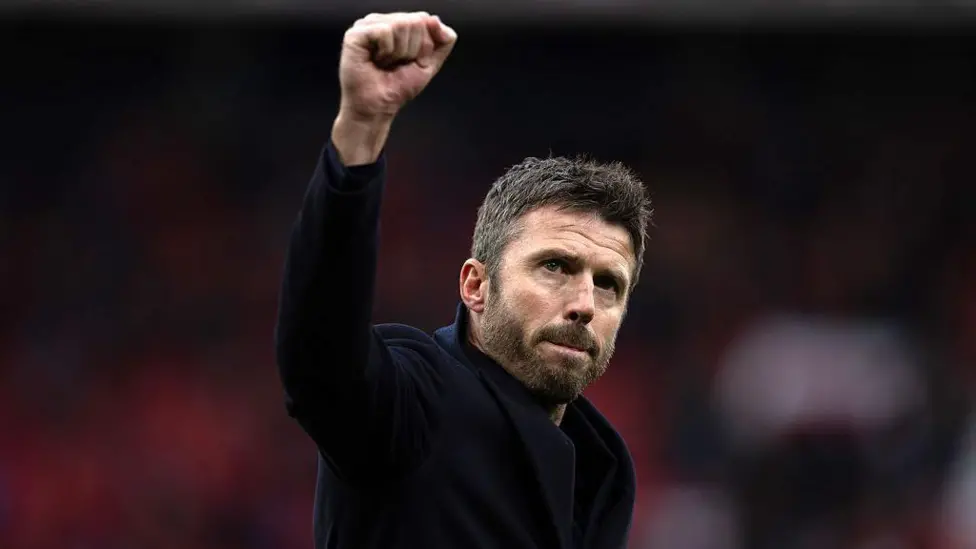
Michael Carrick Lost Two Title Races to Manchester City, and United Fans Now Mark 50 Years Without a Trophy

Jarell Quansah Was Never Liverpool’s Top Academy Prospect, and He Has Already Won Eight England Caps
Trending on Futbol Chronicle
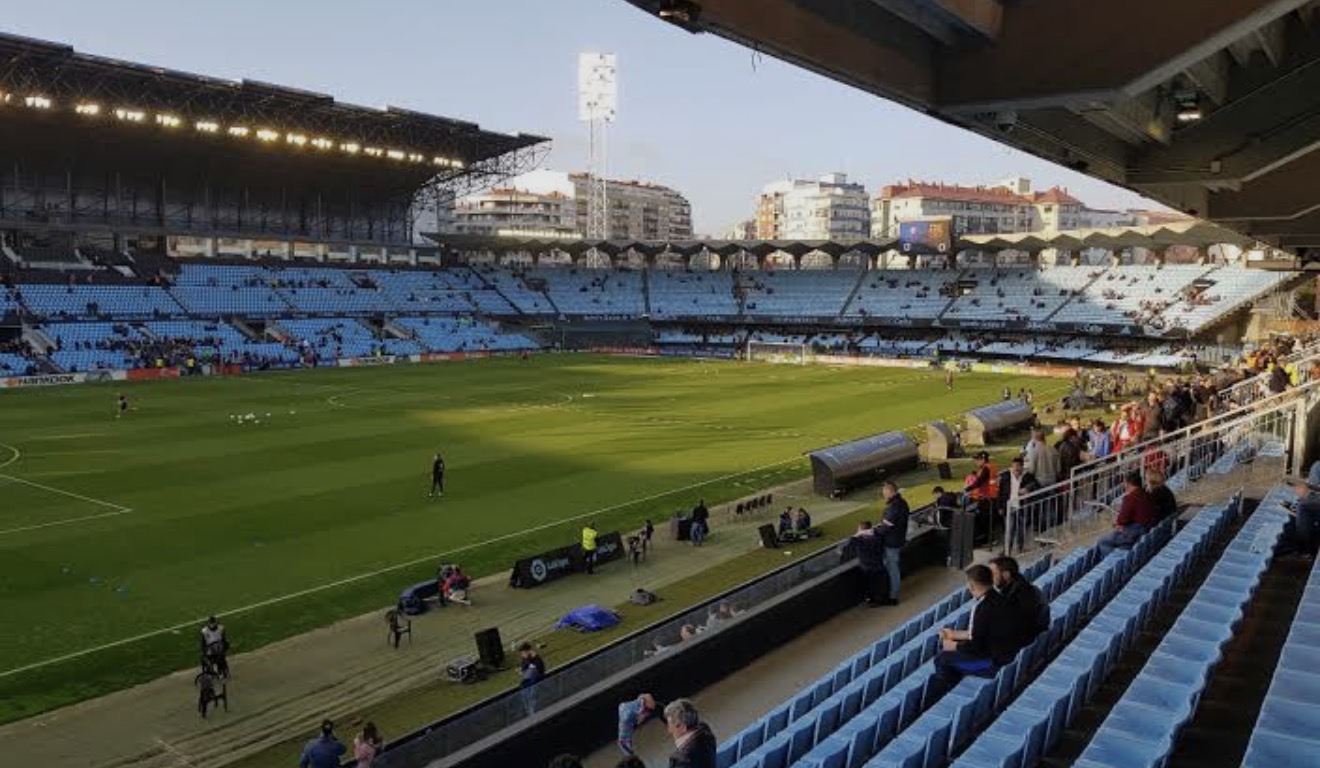
Celta Vigo postpones LaLiga opener after fungus outbreak damages stadium pitch
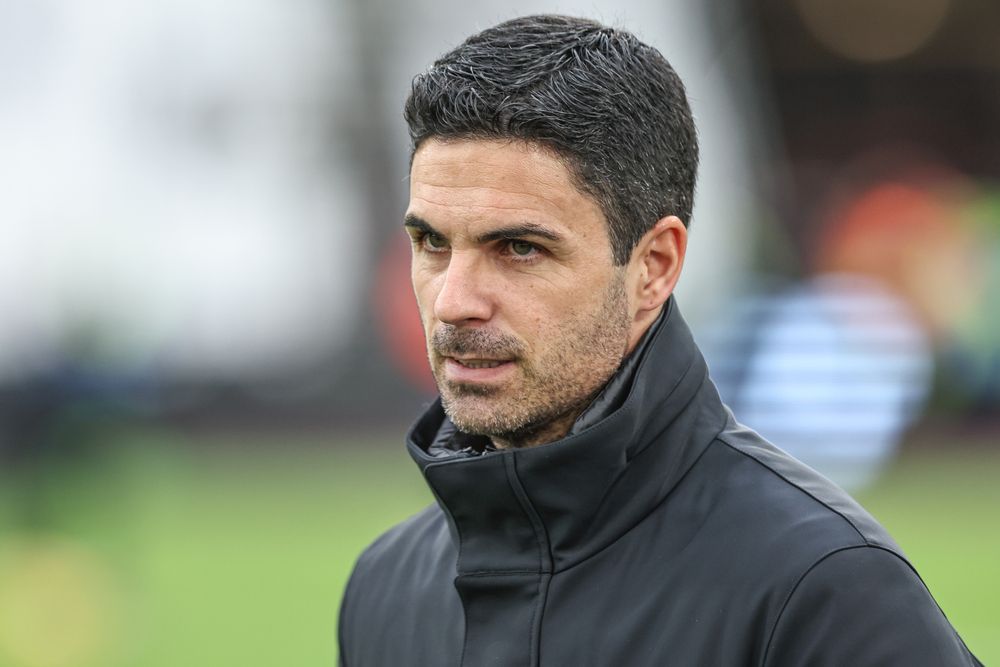
Mikel Arteta backs ‘warrior’ Bruno Guimarães to make Arsenal stronger
Cristian Romero completes €40m move from Tottenham to Atlético Madrid
Michael Carrick admits Manchester United have “no excuses” after AC Milan defeat