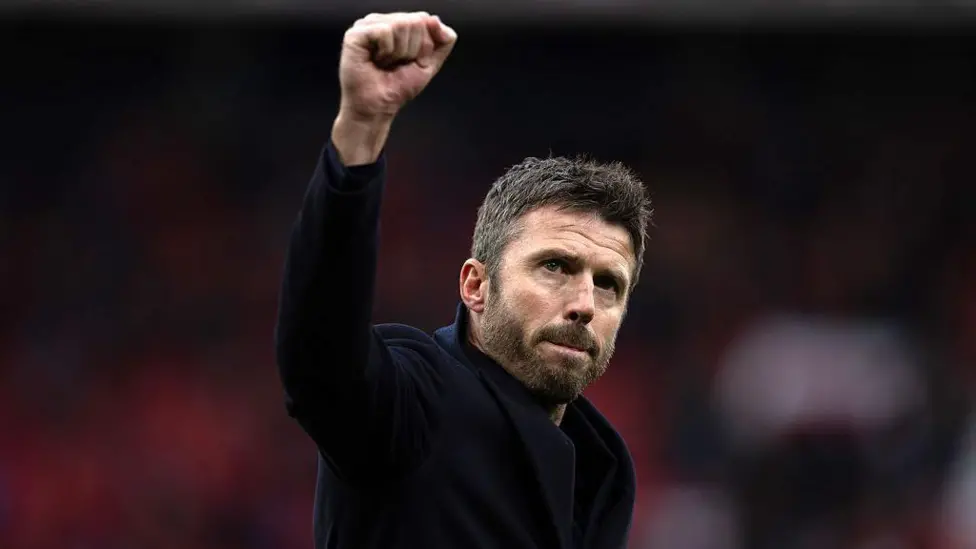
USA Seek First Belgium Win in 96 Years
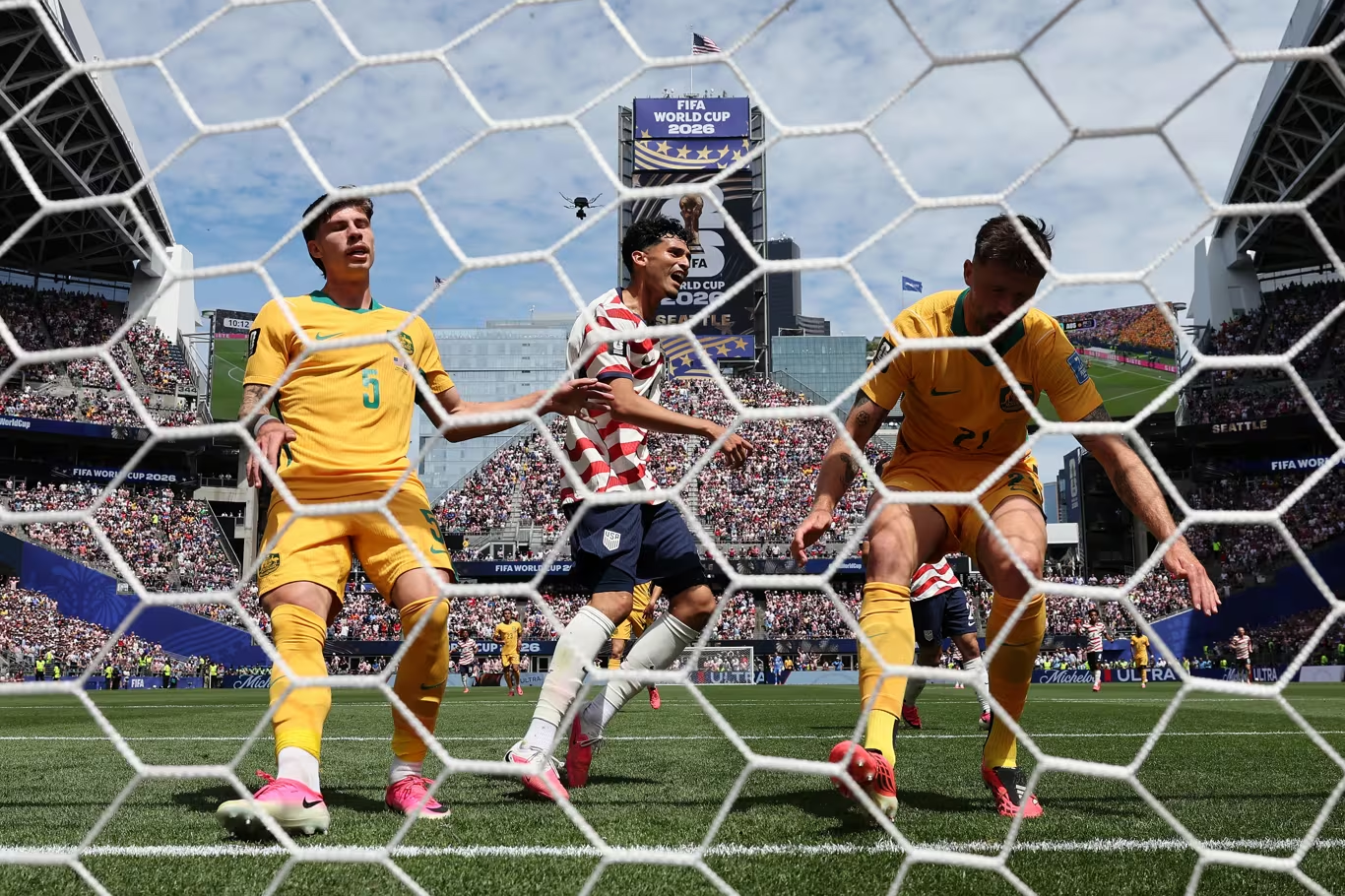
Table of Contents
The United States men’s national team step into Monday’s World Cup Round of 16 against Belgium chasing their first win over the Red Devils in 96 years, a record that stretches back to a long-forgotten era of the game.
The Americans last beat Belgium in 1930, at the very first World Cup, and have failed to win any of the meetings that followed, in World Cups and friendlies alike. That statistic, buried in the record books for decades, has now moved to the centre of the conversation as both teams prepare to meet in a World Cup knockout tie for the first time in twelve years, a rematch of their unforgettable encounter in Brazil.
The drought alone would be a footnote were it not for what happened in 2014. That match, played in Salvador on a scorching July afternoon, produced one of the most remarkable individual goalkeeping performances in World Cup history and remains a reference point for the complicated relationship between the two nations at this tournament.
A Night Tim Howard Will Never Forget
Tim Howard played out of his skin in that Brazil encounter. The then-Everton goalkeeper made 16 saves against Belgium across 120 minutes of football, a World Cup record that still stands today. He faced shots from every angle and distance, made saves that defied belief, and kept the United States alive long enough to take the match into extra time when almost everyone in the stadium had written them off.
It was not enough. Kevin De Bruyne broke the deadlock in extra time with a precise finish into the far corner, then Romelu Lukaku, on from the bench, added a second. Julian Green pulled one back for the United States, but Belgium held on to win 2-1. Howard was carried from the field as a hero. The United States were eliminated. Belgium moved on.
Howard later described that match as the proudest performance of his international career and the most painful result of it at the same time. His save tally entered the record books. His team went home. The 96-year wait for a competitive win over Belgium continued.
The performance turned Howard into a national celebrity overnight. Somebody edited his Wikipedia page to list him as the United States Secretary of Defense, the joke spread far enough to become part of American soccer folklore, and President Barack Obama phoned the goalkeeper to congratulate him. Howard retired from international football a few years later and moved into broadcasting, and his name still surfaces every time these two teams appear in the same sentence. Few defeats in the history of the US programme have been remembered as fondly.
How America Has Changed After Salvador
The United States team that faces Belgium on Monday looks substantially different from the one that kept the Red Devils at bay for 90 minutes in 2014. The Jurgen Klinsmann era has given way to a new generation of players who grew up watching that Howard performance and have gone on to develop into professionals playing at the highest club level in Europe.
Christian Pulisic is the obvious centrepiece of a midfield and attacking unit that now carries genuine quality rather than simply hard running and organisation. Pulisic has spent years at Chelsea and AC Milan developing the kind of technical ability and big-game experience that previous generations of American players rarely had access to in their early twenties. He enters this knockout match in form and with the belief that the 2026 squad is ready for the step up.
The youth pipeline that began to produce results in the early 2020s has matured. Players who grew up in the academy systems of European clubs, who played in the Champions League and the top European leagues before they were 22, give this USMNT a different look from their predecessors. The athleticism and fight remain. The technical floor has been raised considerably.
Belgium’s Road to the Last Sixteen
Belgium arrived at this World Cup carrying some uncertainty about the state of their squad. The golden generation that produced Lukaku, De Bruyne, Eden Hazard, and Thibaut Courtois has largely passed, and the question of how Belgium would perform in the transition to a new group of players has hung over the team for several years.
Their group stage performance answered some of those questions. Belgium came through their group with enough quality to advance to the knockout rounds and showed in spells the kind of organised, physically imposing football that has made them a difficult team to beat for most of the past decade. Their defensive structure remains solid, and they retain the ability to hurt teams on the counter-attack when space opens up.
For the United States, that represents a specific tactical problem. Belgium will sit deep and invite pressure, look to win the ball and transition quickly, and target any space that opens up behind the American defensive line. It is a style that has worked against more experienced sides than the USMNT.
The current Belgian squad no longer leans on all the names that defined the 2014 meeting. Eden Hazard has retired from professional football, and the team has been rebuilt around a younger core, though the transition has been bumpier than Belgian supporters would have liked. What remains constant is the organisation and physicality that have made Belgium such an awkward knockout opponent for two decades.
The 1930 Connection
The last time the United States beat Belgium in a competitive match was at the inaugural World Cup in Uruguay in 1930. The game finished 3-0 to the Americans. Bert Patenaude, Bart McGhee, and Tom Florie scored the goals in a group stage match that the United States won as part of a run that eventually took them to the semi-finals of that first tournament.
That semi-final defeat to Argentina ended their run, but the 1930 squad had already written their names into history. They were pioneers playing in a tournament that had never existed before, representing a country where football occupied a distant place behind baseball, American football, and other sports in the national consciousness.
Much has changed in the decades that followed. Major League Soccer has grown. Young Americans have pursued careers in Europe. The appetite for the game has expanded across the country. But the competitive record against Belgium remains frozen at that 1930 result.
The Opportunity at Hand
This World Cup has been played in the United States, Mexico, and Canada. The host nation factor gives American supporters a platform they have never had before in the knockout rounds of this tournament, and the atmosphere around the squad has reflected that. The stands have been full of American fans at every game, the noise has been significant, and the players have spoken about feeding off the energy of playing in front of their own country.
Monday’s tie kicks off at 8pm Eastern at Lumen Field in Seattle, a stadium famous for the noise its crowd generates. It will be only the second time the United States have played World Cup knockout football on home soil. The first came in 1994, when a Fourth of July Round of 16 meeting with Brazil in Stanford ended in a narrow 1-0 defeat to the eventual champions.
A win would put the United States into a World Cup quarter-final for the first time in 24 years. The 2002 squad that reached the last eight in South Korea and Japan remains the benchmark for the modern era, and this group has spent the tournament being measured against it. Beating Belgium in front of a home crowd would settle that comparison in emphatic fashion, and Belgium have their own point to prove after the golden generation’s era ended without a trophy.
The tournament across the United States, Mexico, and Canada has already delivered enormous crowds, and the American support has grown louder with each round. Seattle, one of the country’s most devoted football cities, now hosts the biggest US match of the tournament so far. For players who grew up in the years when World Cup football felt like something that happened somewhere else, the occasion carries a meaning that goes past the result, and the squad has spoken openly about wanting to give the home support a night to remember.
FIFA’s preview of Monday’s match described it as a chance for this generation of American players to do what no US side has managed in the 96 years that followed that first meeting. A win over Belgium in a World Cup knockout match would not just end a 96-year wait. It would send the United States into the quarter-finals of a World Cup played on home soil, a moment that would register far beyond the football community in a country that has spent years working to take the sport seriously.
Tim Howard’s 16 saves in Salvador will always be part of the story between these two nations. Monday night in Seattle gives the current generation the chance to write a new chapter, one that ends differently and sends American football into territory it has not reached for nearly a century.

Leave a Comment
More in News
Kane Feels Fitter Than Ever Before Mexico Showdown
England Fans Plan All-Nighters for Mexico’s 1am Kick-Off
Cape Verde Leave Miami as Heroes After Argentina Heartbreak

Ronaldo Scores First World Cup Knockout Goal at 41 as Portugal Edge Croatia

Maddy Cusack inquest hears fresh criticism of Sheffield United, PFA and club doctor over player welfare
Trending on Futbol Chronicle

Map of All the Premier League Teams for 2025/26
Why Soccer Is The Best Sport
What Is Offsides in Soccer? The Offside Rule Fully Explained
The Best Soccer Players of All Time: The 10 Greatest Ever Ranked