Ronaldo Scores First World Cup Knockout Goal at 41 as Portugal Edge Croatia
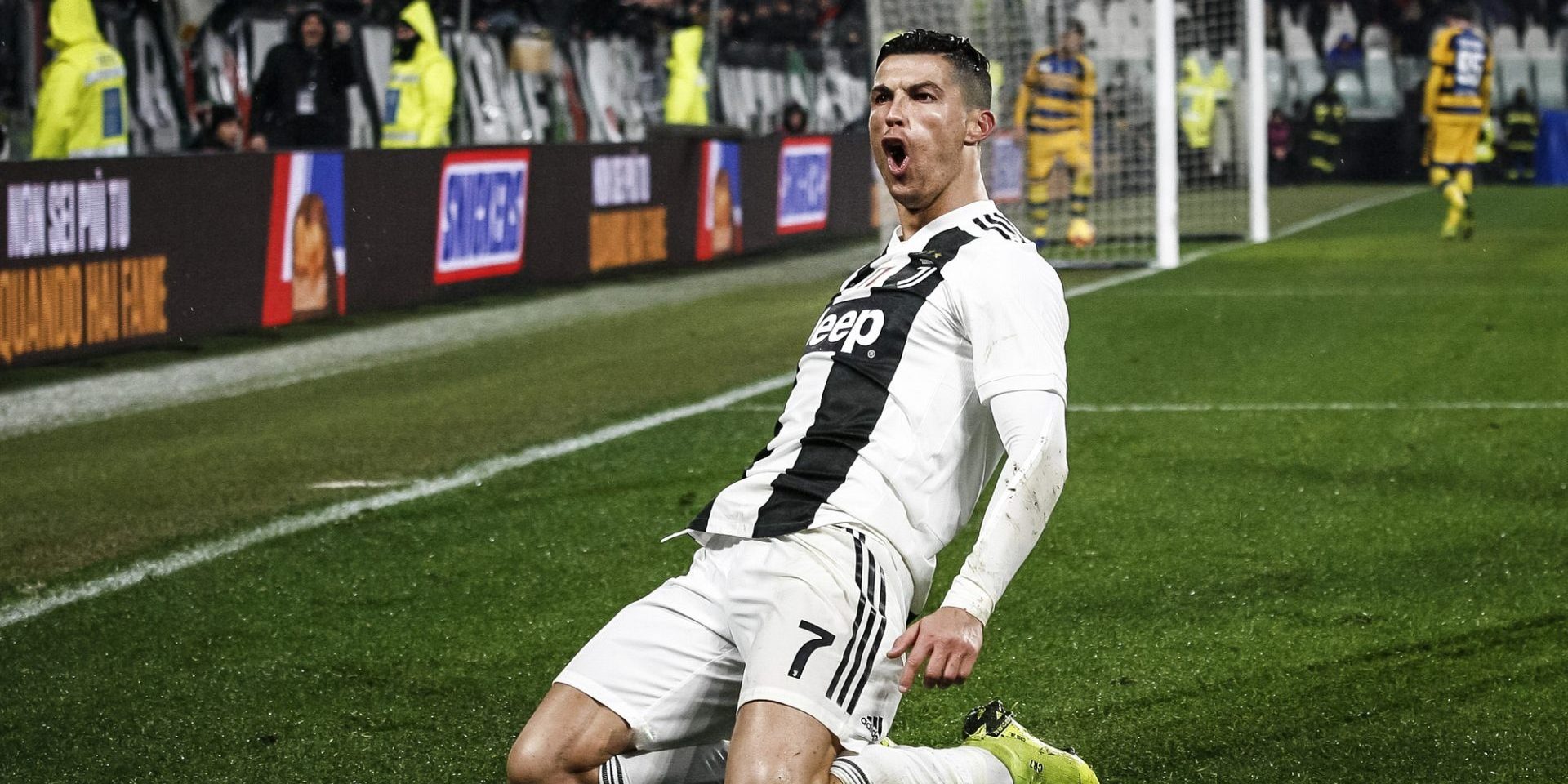
Table of Contents
Croatia had a plan, and for fifty-three minutes it was working. They were staying compact, limiting Portugal to long-range attempts and speculative crosses, and when Ivan Perišić drove a low finish across the goalkeeper in the fifty-third minute, they were ahead. Zagreb was celebrating.
Then the game turned on a foul. Nikola Vlašić brought down Renato Veiga in the penalty area, the referee pointed to the spot, and Cristiano Ronaldo picked up the ball.
Ronaldo had started the match at Toronto Stadium and spent more than an hour probing for an opening. When the penalty arrived, he stepped up, at forty-one years old, in the round of 32 of a World Cup, and scored. It was the first time in his World Cup career that he had scored a goal in the knockout rounds. Portugal went on to win 2-1, the decisive goal arriving deep in stoppage time, booking a round of 16 meeting with Spain.
For Portugal, it was the kind of victory their golden generation has been chasing for a decade. For Ronaldo, it was something quieter and more personal, a record that had eluded him through five previous World Cups, finally claimed in the sixth, against a Croatian team that finished third in Qatar four years ago.
The Goal and Its History
When Portugal were awarded the penalty in the sixty-eighth minute, there was no debate about who would take it. He picked the ball up, placed it on the spot, and dispatched it with the technique he has refined over two decades at the elite level.
The goal made him the second-oldest scorer in World Cup history, behind only Roger Milla, who scored for Cameroon at the 1994 tournament aged forty-two. At forty-one years and 147 days, it also made him the oldest man to score in a World Cup knockout match, a mark that had belonged to his long-time international team-mate Pepe, who scored against Switzerland in Qatar at thirty-nine. It was also, more significantly for Ronaldo personally, his first goal in a World Cup match that came in the knockout stage. In his previous World Cup campaigns, from a semi-final run as a twenty-one-year-old in 2006 through the quarter-final exit in Qatar in 2022, he had scored only in the group stage.
Gonçalo Ramos provided the winner in the fourth minute of stoppage time, heading home Rafael Leão’s cross from close range to put Portugal through. By then Ronaldo was watching from the bench, withdrawn in the eighty-first minute, and he celebrated the goal like a supporter. Ramos has form in these moments: on his first World Cup start, in Qatar, he scored a hat-trick against Switzerland in the knockout rounds. This intervention came later in the game and carried a far greater cost for the losing side. VAR then removed what would have been a Croatian equaliser in the 103rd minute of a wildly extended stoppage period, when the waveform sensor inside the match ball confirmed a faint touch from substitute Igor Matanović on Perišić’s cross, contact invisible to the naked eye that left Mario Pašalić offside. Dalić’s protests were overruled. Matanović himself protested the margin of the call afterwards, telling reporters he felt only slight contact with his hair.
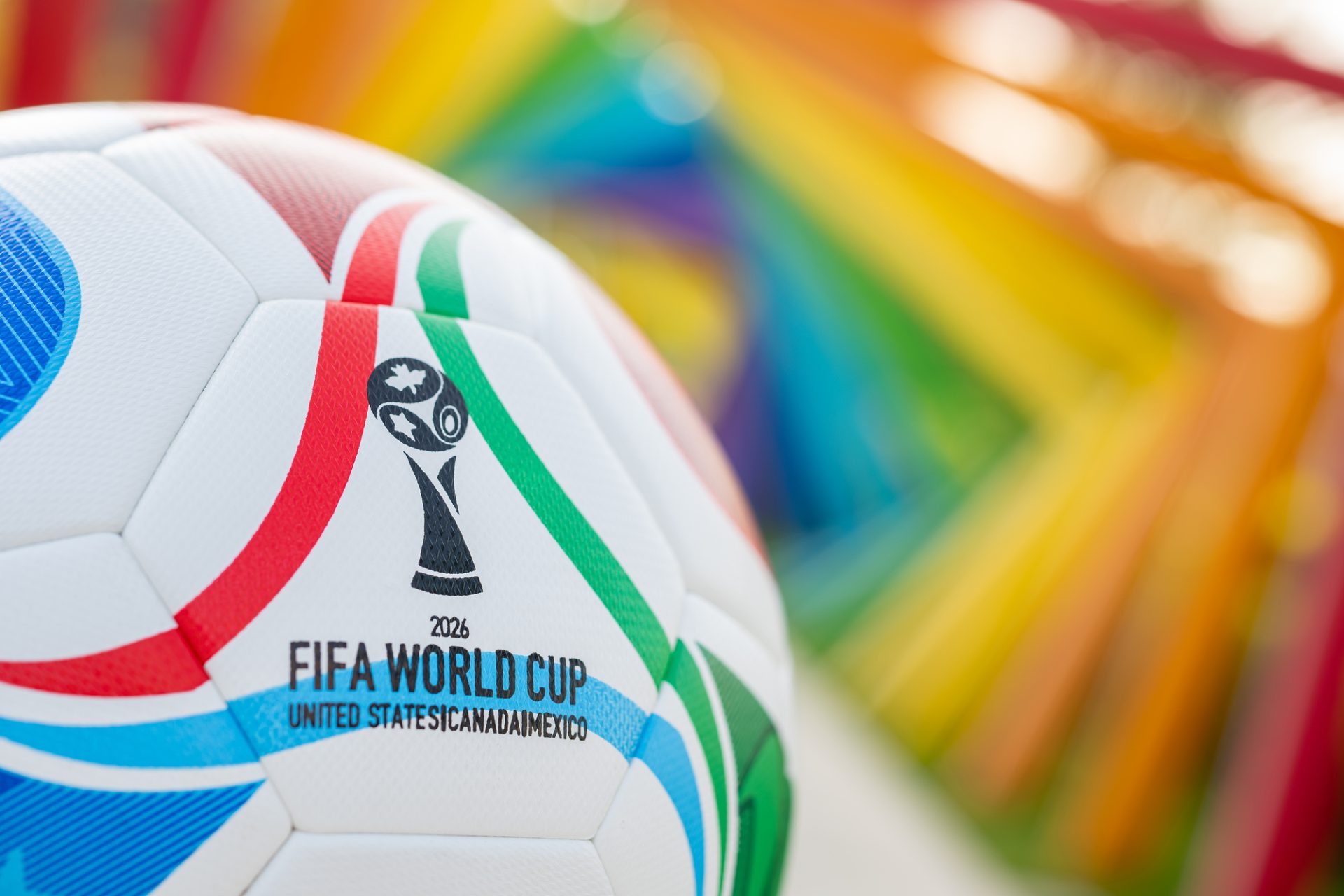
The technology that denied Croatia is new to this World Cup. The Trionda, the adidas match ball, carries a motion sensor that reports every touch to the video officials in real time, and FIFA defended the decision afterwards, saying the contact was proven by the data. Dalić and his players saw their tournament ended by a reading no human eye could have made.
Dalić and the VAR Debate
The disallowed goal left Croatian coach Zlatko Dalić incandescent. He made no effort to contain his feelings in his post-match press conference.
“VAR kills emotions, it kills everything within you. We have gone too far with VAR,” Dalić told reporters. “I’m not saying that sometimes VAR can’t be of help, but it kills the emotions, it kills everything within you, it kills what you are experiencing and it’s not easy to deal with all of this.”
Martínez took the opposite view, arguing that the technology had simply found the truth of the moment: a touch occurred, the law was applied, and the decision was correct.
For the Croatian players there was little to hold on to beyond the performance itself. They had matched Portugal for long stretches, led for a quarter of the game, and came within a sensor reading of forcing extra time.
The VAR controversy will follow Croatia home. Portugal move forward.
It was a hard way for this Croatian generation to go out. Runners-up in 2018 and third in 2022, they have spent a decade overachieving for a country of fewer than four million people. This exit arrived earlier than either of those runs, in the first knockout round of the expanded format, and it carried the sense of an era closing rather than a team rebuilding.
Modric’s Last Dance
Luka Modrić, forty years old, started the match in Croatia’s midfield, where he became the fourth man in history to reach 200 international appearances earlier in this tournament. He was, as he has been throughout the tournament, influential in possession and tireless in defensive transitions. After the final whistle, he embraced several Portugal players, including Ronaldo, and spent considerable time with the match officials.
This was, in all probability, Modrić’s final World Cup match. He has spoken publicly about retirement from international football, and a round-of-32 exit at forty is a strange, diminished ending for a player who was among the greatest of his generation. He collected a Ballon d’Or in 2018, the year Croatia reached the final. Thursday night in Toronto was a different kind of ending.
Ronaldo’s own longevity keeps rewriting the reference points. This is his sixth World Cup, more than any other male player in the history of the tournament, and his international career now spans twenty-three years and more than 210 caps. The free kicks still get practised, the penalties still get buried, and the celebrations still get delivered to full houses.
The contrast with Ronaldo is instructive. Both men are in their forties, both are still playing at the elite level, both reached this World Cup through personal force of will and countries that built their campaigns around them. One scored the goal that won the match. The other gave a wave and walked off.
Portugal’s Tribute to Diogo Jota
Portugal played the match with a shadow hanging over the squad. The final whistle blew as the calendar turned to July 3, the first anniversary of the death of Diogo Jota, who died in a road accident in Spain on July 3, 2025, alongside his brother André Silva. Jota’s family asked for his number twenty-one shirt to stay in the squad rather than be put away, and it passed to Rúben Neves, one of his closest friends and a pallbearer at his funeral. After the final whistle in Toronto, Ronaldo held a number twenty-one shirt aloft as the players gathered in front of the Portugal supporters.
Jota had been one of Portugal’s most important players before his death. He had scored significant goals for Liverpool and for his country, and his absence has been felt throughout the World Cup. The anniversary gave the fixture an emotional charge that went far beyond the result.
Ronaldo, who played alongside Jota in the national team for the best part of a decade, described the tribute as special. The Portuguese camp has spoken throughout the tournament of Jota as an extra man travelling with the squad.
What Spain Brings to the Round of 16
Portugal versus Spain in a World Cup knockout tie is a fixture that sells itself. The two Iberian nations will meet at Dallas Stadium in Arlington, Texas on Monday, with a quarter-final place on the line. The last time the neighbours met at a World Cup, in Sochi in 2018, Ronaldo scored a hat-trick in a 3-3 draw that still ranks among the great individual performances the tournament has seen.
Spain are unbeaten in the tournament. They have played with the passing intensity and positional discipline that has characterised their football under Luis de la Fuente, and their squad includes eighteen-year-old Lamine Yamal, Pedri, and a fully fit Rodri, who wore the captain’s armband in the round of 32 win over Austria. Spain won Group H before dispatching the Austrians, and their depth of midfield talent has no equal at this tournament.
Portugal’s route to the round of 16 has been less comfortable. They needed a stoppage time header to see off Croatia, and their attack has leaned heavily on moments from Ronaldo, their tournament talisman for two decades and still, somehow, delivering. The golden generation around him, Bruno Fernandes, Bernardo Silva, Vitinha, João Neves, has the talent to go all the way. What it has never had is a World Cup semi-final, let alone the trophy their supporters believe this group owes them.
Forty-one years old. First World Cup knockout goal. Spain waiting in Dallas. The story, improbably, continues.

Leave a Comment
More in News

Thierno Barry Was Filmed Crying In A Private Training Session Last Season, And He Has Already Scored In Three Games This Campaign
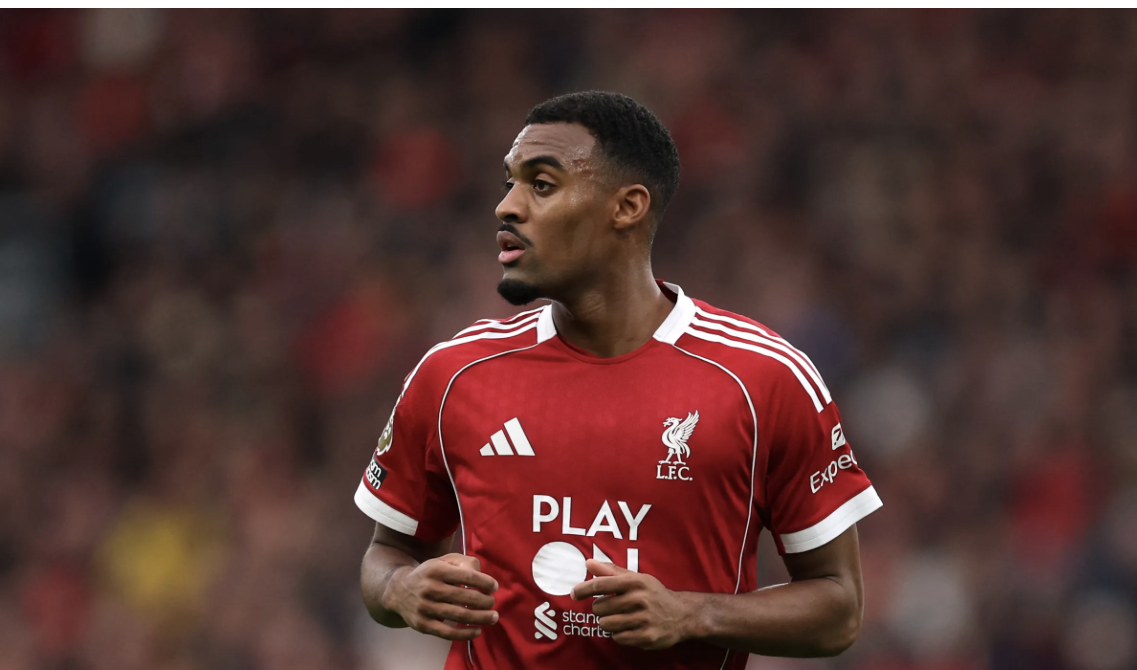
Gravenberch’s Red Card Sparks Referee Row in Liverpool’s Defeat to City

Moise Kean Will Miss Como’s Biggest Game of the Season After Cesc Fabregas Clashed With Italy’s Doctors
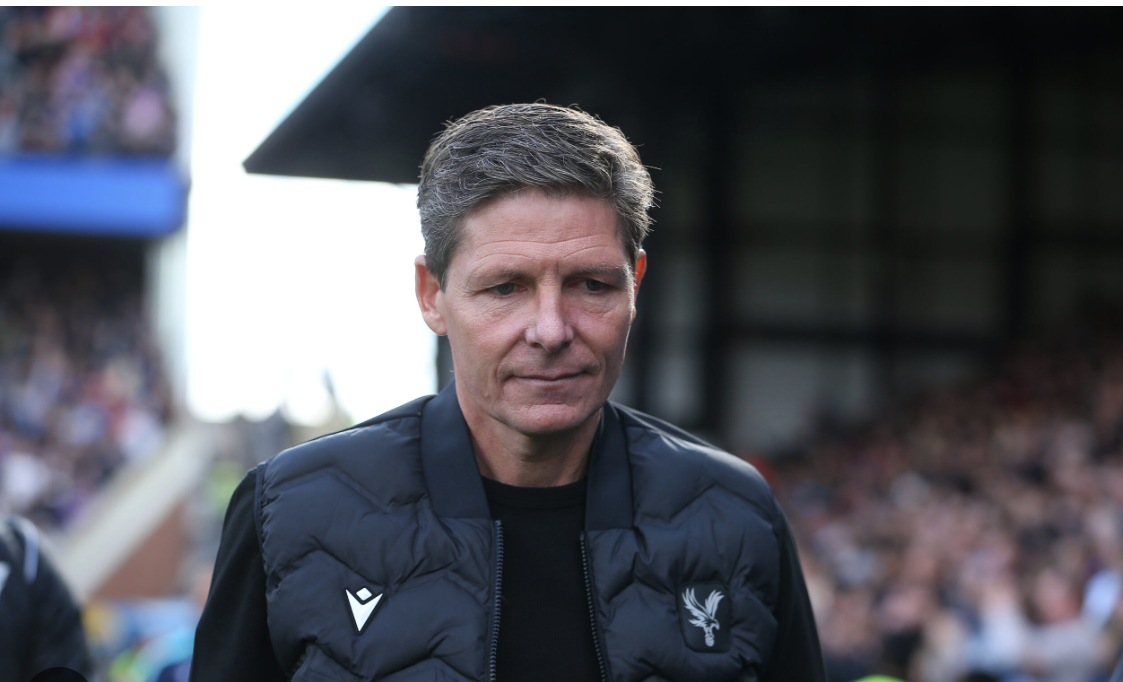
Oliver Glasner Returned to Crystal Palace and Fans Turned From Applause to Taunts as Forest Lost
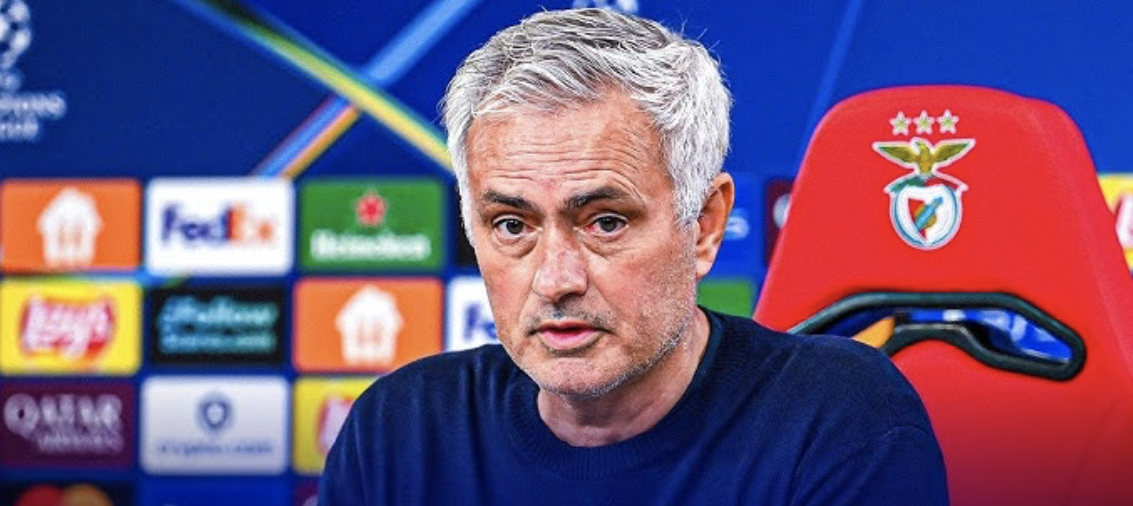
Vinicius Red Card for Hair Pull Leaves Mourinho Snubbing the Press
Trending on Futbol Chronicle
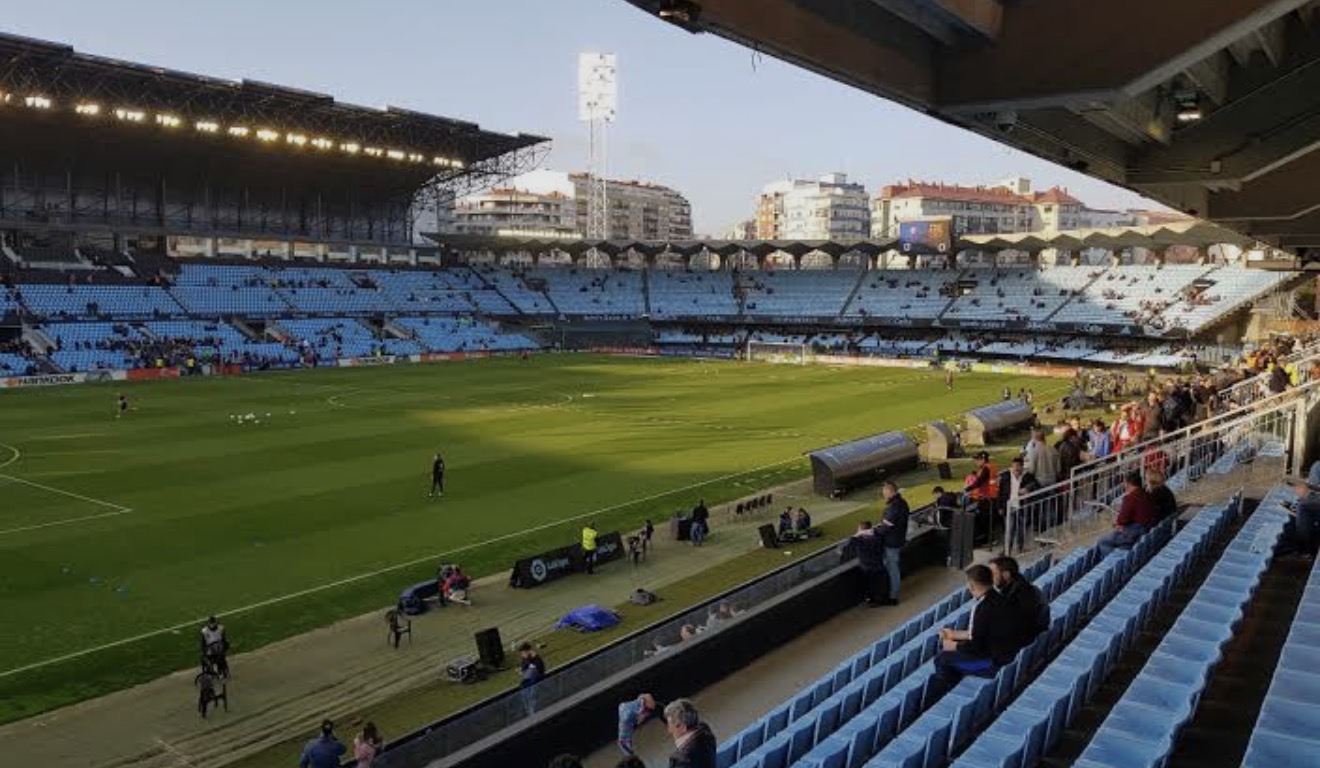
Celta Vigo postpones LaLiga opener after fungus outbreak damages stadium pitch
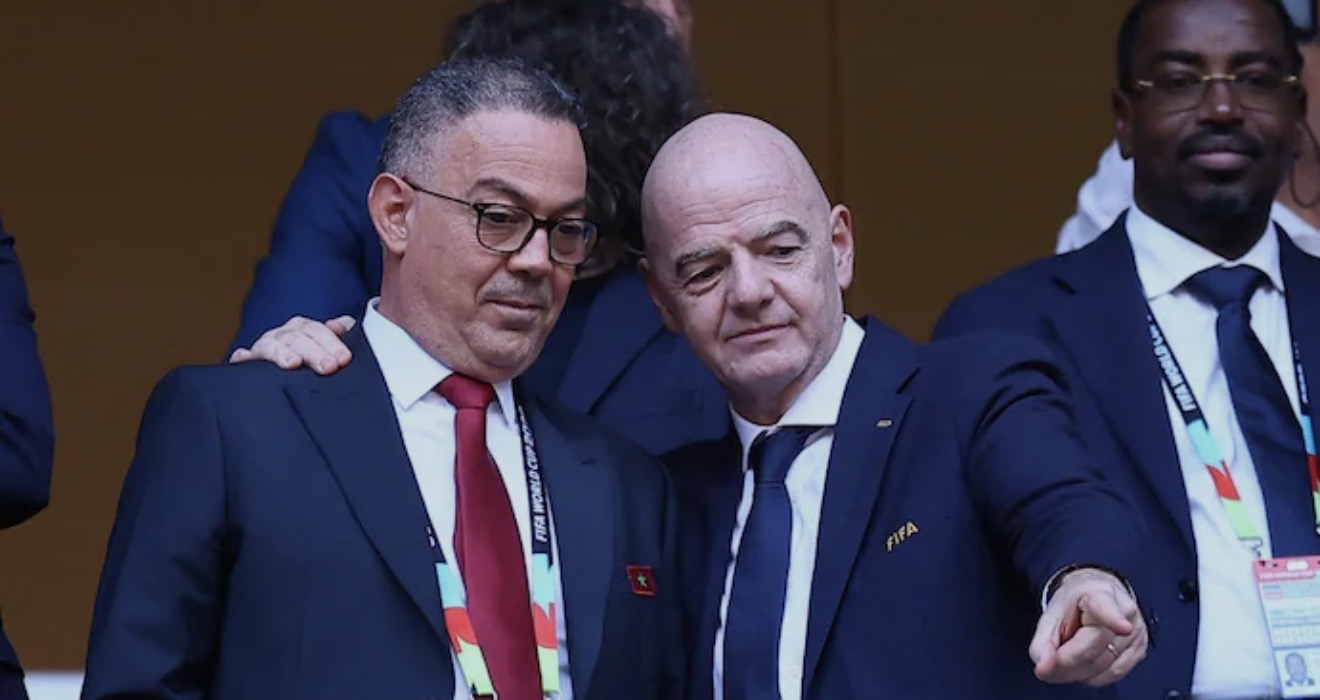
Arab football federations back Gianni Infantino as FIFA president faces growing opposition
Mikel Arteta backs ‘warrior’ Bruno Guimarães to make Arsenal stronger
Map of All the Premier League Teams for 2025/26