Cape Verde Leave Miami as Heroes After Argentina Heartbreak
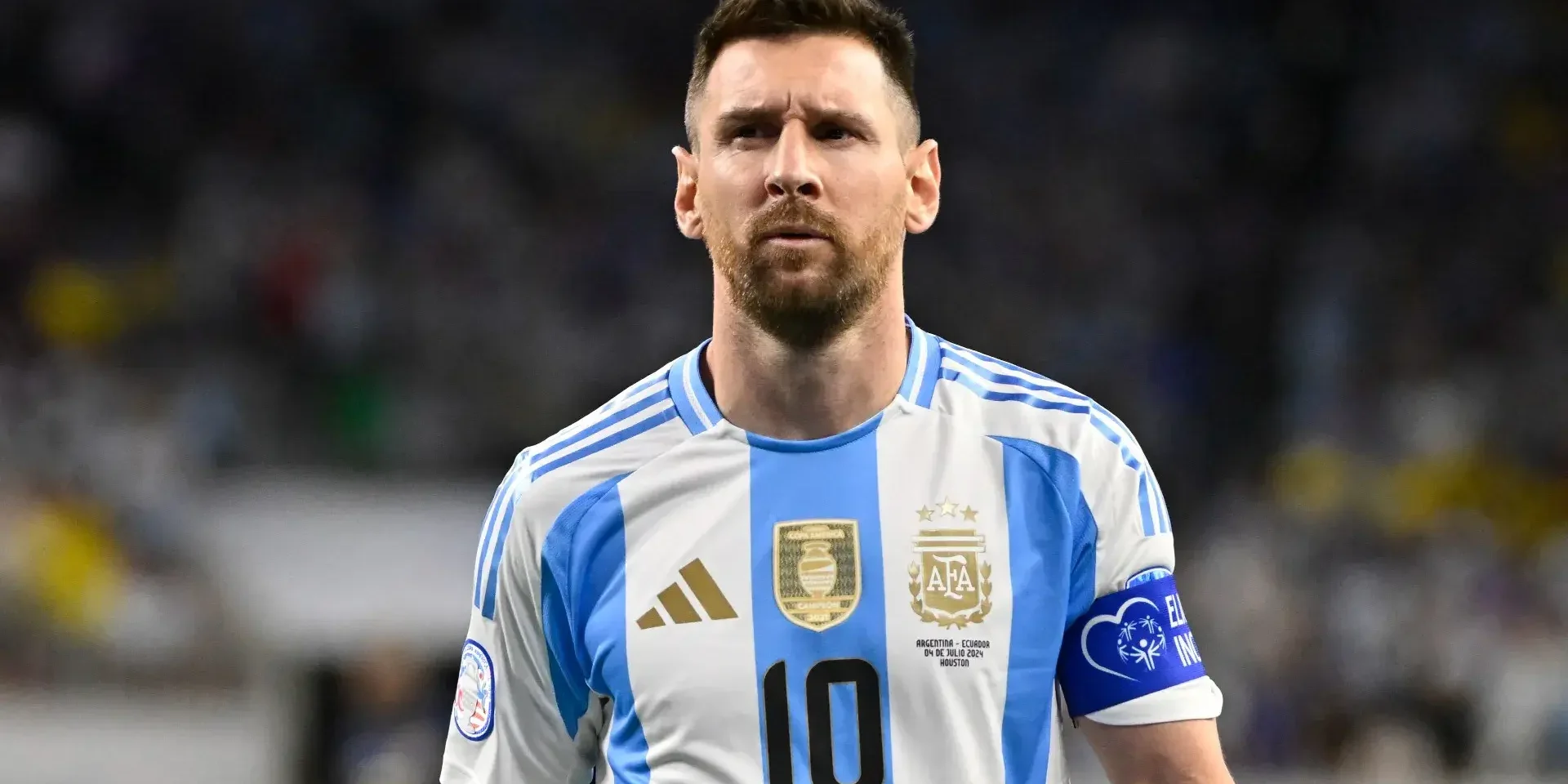
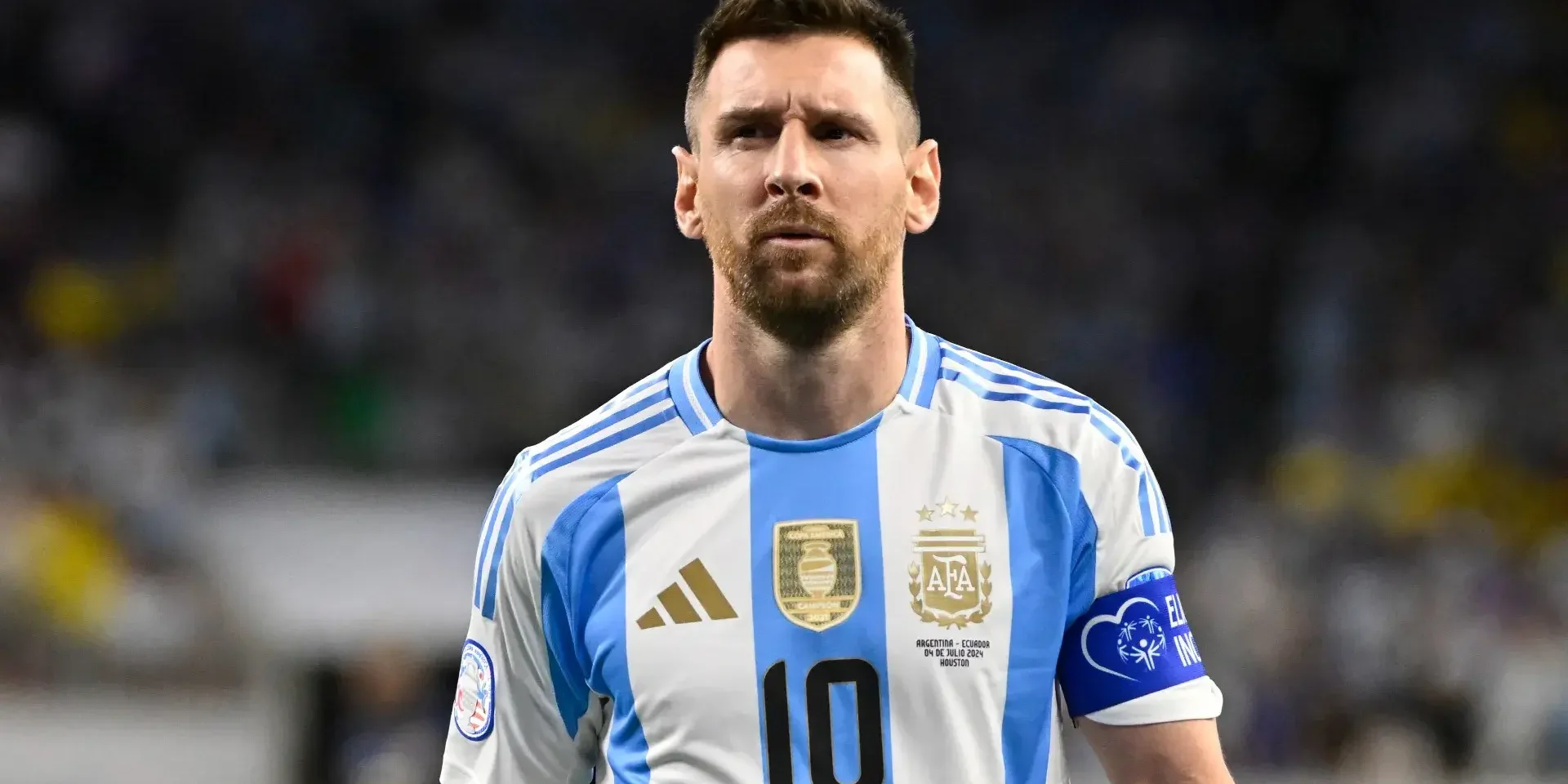
Table of Contents
Late on Friday night at Miami Stadium, with extra time elapsed and the final whistle blown, Cape Verde’s players gathered on the pitch. A country of 600,000 people spread across ten Atlantic islands had just watched their team twice draw level with the reigning world champions, holding Lionel Messi and Argentina for 111 minutes before a deflected own goal finally settled it. They lost 3-2. They made history. Cape Verde leave their first World Cup knockout round having earned something no scoreline can take away: the recognition of a footballing world that had barely known their name at the start of the tournament.
“They did it with dignity and courage,” coach Bubista said after the final whistle.
A Team Built From Diaspora
Cape Verde finished second in Group H, ahead of Uruguay and Saudi Arabia, to reach the round of 32. Their squad is drawn almost entirely from a diaspora population living across Portugal, the Netherlands, France and other European countries where Cape Verdean communities settled over decades. They play largely in second-tier leagues across the continent, far from the Premier League and La Liga, but Bubista has built them into one of the most organised sides at this World Cup.
The Cape Verdean federation spent years identifying diaspora talent and persuading those players to commit to the Blue Sharks rather than the countries where they grew up. That approach paid off in the group stage and came within one deflected header of producing one of sport’s great upsets.
The scale of the achievement bears repeating. Cape Verde are the first World Cup debutants to reach the knockout rounds in sixteen years, the first to do it in the expanded format, and they got there without winning a group game, drawing all three of their Group H matches to finish ahead of Uruguay and Saudi Arabia. Slovakia, in 2010, were the last newcomers to survive a group stage.
“We have to be aware that we did work that will stay in the [history] books and we made history for our country,” Bubista said. He added that countries that struggle to qualify could take belief from Cape Verde’s run: work with character, keep chasing the goal, and the door opens in the end.
Cape Verde’s population is roughly a fifth of Buenos Aires. Their domestic football infrastructure cannot compare to most nations at this tournament. Bubista, a former Cape Verde international defender whose given name is Pedro Leitão Brito, has led the national team for six years and built it patiently around that diaspora network. What his side brought to the United States was something harder to quantify: a squad of players who understood exactly what it meant to wear the shirt. Representing their country was a choice they made, not an accident of birth.
The players who ran out for Cape Verde at Miami Stadium came from clubs in the Portuguese Primeira Liga, the Dutch Eredivisie, the French second division. They gave up their summers to represent a nation with no professional domestic league and a total population smaller than many European cities. They arrived, as Sky Sports noted, as a relatively unknown entity. They leave as something else entirely.
“More so than just playing, this was about showing the world our identity,” Bubista said. “For as long as we were here we wanted to play against the best in the world. We wanted to show fair play. We wanted to exist on a level playing field.”
Twice They Levelled, Twice They Were Broken
The match in Miami produced what Sky Sports called one of the great World Cup games. Messi opened the scoring in the 29th minute with a composed touch and finish that briefly settled any nerves among Argentina’s supporters. Cape Verde’s goalkeeper, Vozinha, made save after save across the ninety minutes of normal time, repeatedly denying the world champions through sheer force of his performance.
The night also extended Messi’s private collection of records. His opener was his 20th World Cup goal, stretching the all-time mark he already owned, and it came in his eighth consecutive World Cup match with a goal, a run no other player has approached. It was also his 30th World Cup appearance, another first. At thirty-nine, he remains the reference point for everything Argentina do in possession. Across the pitch stood Vozinha, also in his late thirties, a keeper who spent most of his career in obscurity and ended this night with his own place in the tournament’s story.
Deroy Duarte equalised in the 59th minute, squeezing his effort into the far corner to draw his side level for the first time. Miami Stadium fell quiet. Argentina’s players looked at each other. A team ranked far below the world champions had just told 65,000 spectators that this game was not over.
Lisandro Martinez restored the Argentine lead in the second minute of extra time, whipping his shot into the top right corner. It appeared, again, to be over.
Sidny Lopes Cabral had other thoughts. In the 103rd minute, he curled a long-range effort from outside the box into the net, a precision, arcing strike that Sky Sports called a goal-of-the-tournament contender, and Cape Verde were level for the second time. Whatever outcome the crowd had assumed when the game kicked off was now suspended. Messi, who had been denied twice by Vozinha from free kicks in extra time, stood with his hands on his hips.
Cristian Romero’s header from a corner in the 111th minute deflected off Diney Borges and into the net for the own goal that settled it. Cape Verde had given everything. They lost to a deflection, nine minutes from the end of extra time.
“The feeling in the dressing room is sadness,” Bubista said. “We got so close, so close, but I think they must be proud of their performance and of representing our country.”
Argentina coach Lionel Scaloni, celebrating his 100th match in charge with a narrow win, was candid about how close it had been. “Everyone thought this match was going to be a walk in the park,” he said. “We were sure it wasn’t going to be like that.” His side move on to a round of 16 tie against Egypt, who won their first World Cup knockout match on penalties. Cape Verde move on to something else.
What Cape Verde Stood For
Bubista returned to the theme of identity several times in his post-match press conference. For him, this was more than a football tournament. It was a statement.
“We are inexperienced in this tournament and often experience pays,” the coach said. That acknowledgement did not carry regret. Inexperience did not prevent Vozinha from making the saves that kept Cape Verde in the match through ninety minutes. It did not prevent Lopes Cabral from producing a goal the football world will replay for years. It did not prevent a squad of diaspora players, drawn from the second tiers of European football, from standing level with the world champions in the 103rd minute of extra time at a World Cup.
“We did our best and we did it with bravery,” Bubista said. “Never did we fail to stay true to our identity, which is why I am so proud of what my players did.”
That identity, as the coach described it, is about more than football. Cape Verde’s campaign across four matches, against Spain, Saudi Arabia, Uruguay and Argentina, was built on collective clarity. The squad knew why they were there and what they represented. Players who might have qualified for other, bigger nations chose the Blue Sharks. The night in Miami was the answer to why.
Coming Home
Cape Verde’s players return to an archipelago that has no professional domestic league and a total population smaller than many European cities. What they carry home is something new: a result, a night, and a name the footballing world now knows.
“I’d like to thank our people, I’d like to say thank you to our fans for all their affection and love,” Bubista said. The thanks were mutual: the islands had watched every minute.
Sky Sports journalist Patrick Rowe, writing from Miami, put it plainly: “They bow out of the World Cup but will undoubtedly be the story of the tournament… they will be welcomed back as heroes and inspire generations to come. If a case needs to be made regarding the expanded format this summer and whether it was a success, look no further than the Cape Verde fairytale in USA, Canada and Mexico.”
The 2026 World Cup expanded to 48 teams for the first time. Critics questioned whether the smaller nations deserved their place at the table. Cape Verde answered by reaching the knockouts, pushing the world champions to extra time, scoring a goal that will outlast this summer, and departing with more grace than the scoreline suggests.
The rounds that follow belong to others now. Cape Verde fly home to the Atlantic, where ten islands of 600,000 people watched every minute and will not forget any of it.

Leave a Comment
More in News

Thierno Barry Was Filmed Crying In A Private Training Session Last Season, And He Has Already Scored In Three Games This Campaign

Gravenberch’s Red Card Sparks Referee Row in Liverpool’s Defeat to City

Moise Kean Will Miss Como’s Biggest Game of the Season After Cesc Fabregas Clashed With Italy’s Doctors

Oliver Glasner Returned to Crystal Palace and Fans Turned From Applause to Taunts as Forest Lost
Vinicius Red Card for Hair Pull Leaves Mourinho Snubbing the Press
Trending on Futbol Chronicle
The Best Soccer Players of All Time: The 10 Greatest Ever Ranked

Map of All the Premier League Teams for 2025/26
Why Soccer Is The Best Sport
Michael Carrick points to lack of sharpness after Manchester United draw with West Ham