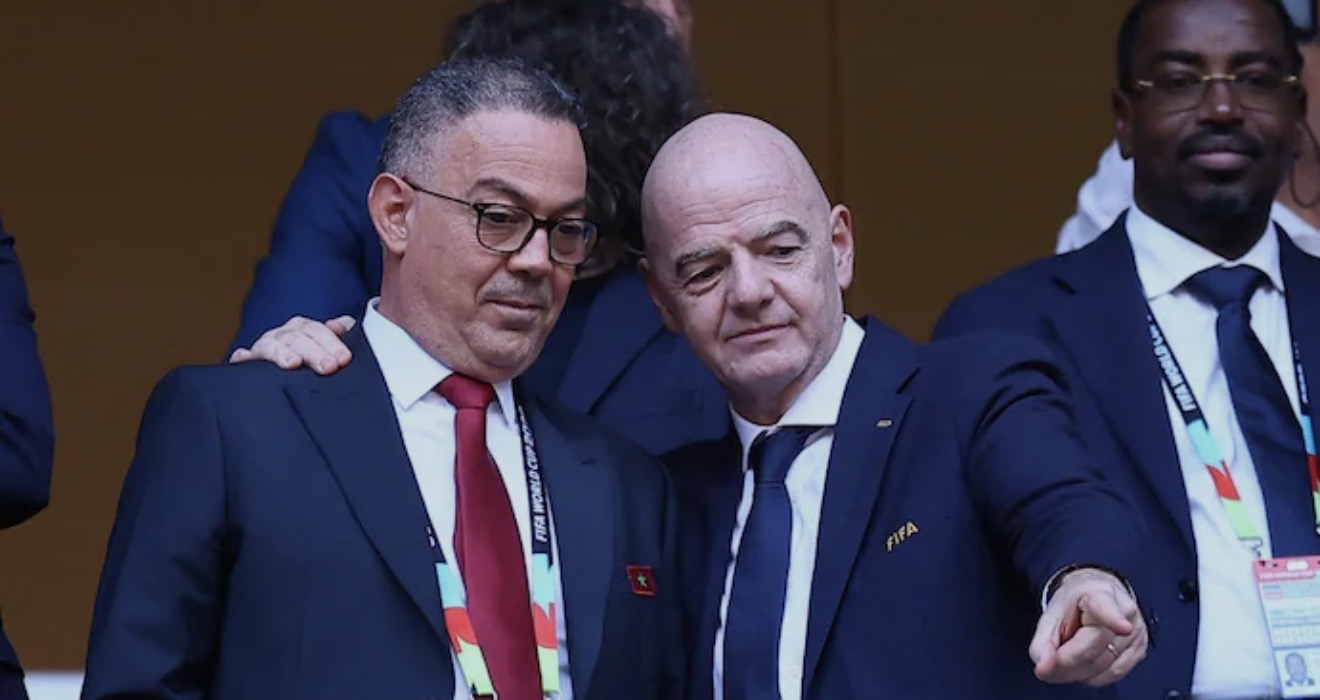
US Soccer in Active Talks to Extend Mauricio Pochettino Through 2030 World Cup Despite Belgium Exit
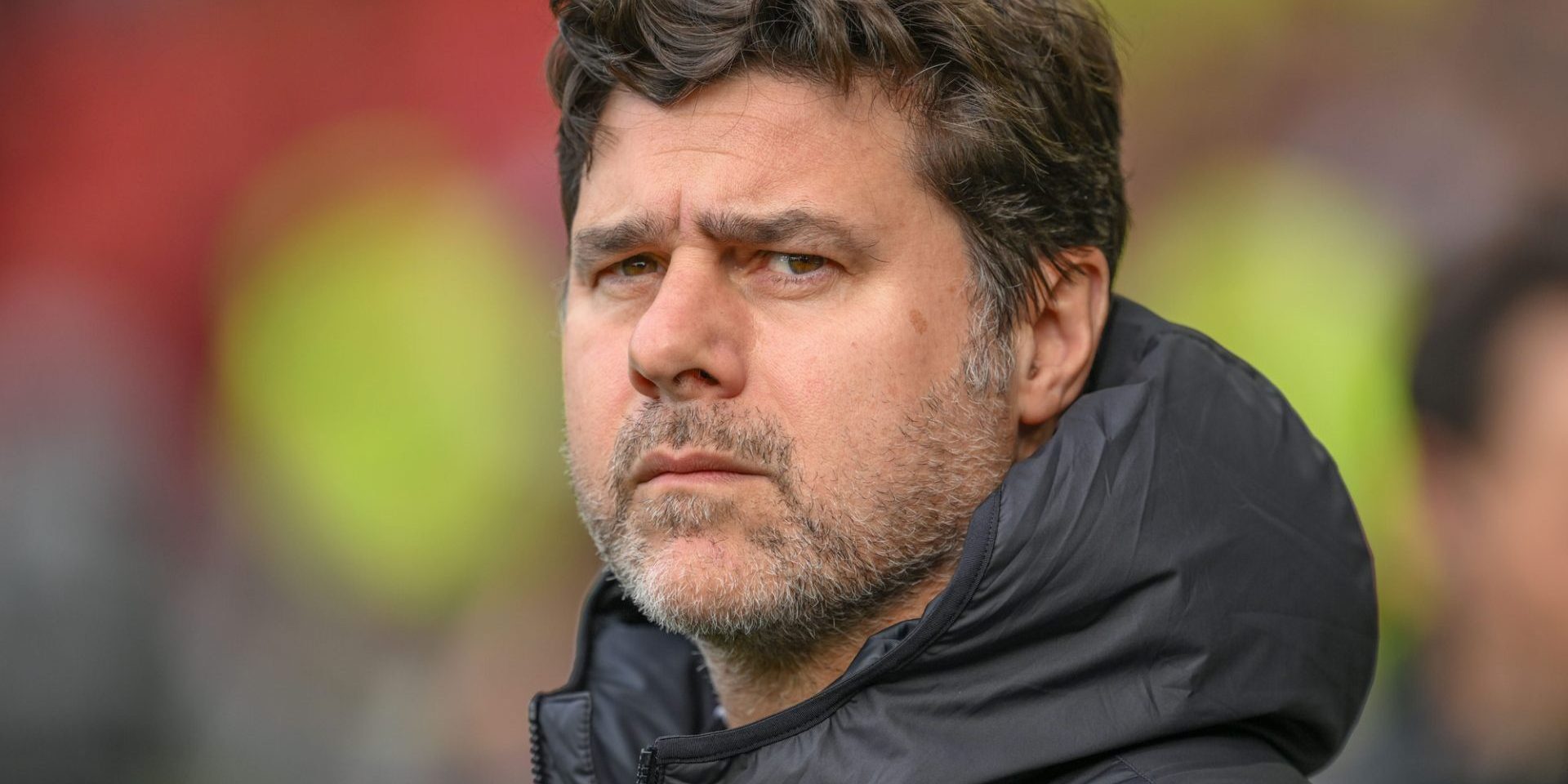
Table of Contents
Mauricio Pochettino has said little in public about his own future in the eleven days that have passed after the United States crashed out of its home World Cup. On Thursday, U.S. Soccer’s chief executive said plenty on his behalf, describing “active discussions” aimed at keeping the Argentine in charge of the men’s national team through the next World Cup cycle.
U.S. Soccer CEO and secretary general JT Batson spoke to reporters at the Arthur M. Blank National Training Center in Fayetteville, Georgia, in a session that touched on Pochettino’s contract, the federation’s long-term plans for the sport, and the pay-to-play system that shapes who gets the chance to play soccer in the United States at all.
Batson Confirms Talks Are Ongoing
The USMNT’s tournament ended on July 6 with a 4-1 defeat to Belgium in the round of 16, a result that arrived after an unbeaten run through the group stage. Pochettino’s contract runs out this summer, and Batson made plain that the federation wants it extended.
“From a men’s national team coaching standpoint, we’re in active discussions with Mauricio and staff about the future,” Batson said. “We all share a belief that the best days of U.S. Soccer are ahead of us, and they’re excited about the opportunity to impact soccer at all levels in every community.”
Batson pointed to Pochettino’s staff having a hand in decisions well beyond matchday selection as evidence of how closely they are already tied into the federation’s planning. He cited the recent appointment of Steve Cherundolo as head coach of the men’s Olympic team as one example.
“We’re excited about the discussions,” Batson said. “And, you know, (Pochettino’s staff) has been active about long-term planning. As a recent example, (they) were active in our discussions with Steve around the U-23 role and were a key part of that process. And so we’re feeling good about where we are overall.”
Batson did not say whether the federation has spoken with other candidates for the role, nor did he give a date by which a decision would be made.
A Tournament Pochettino Called a Missed Chance
Pochettino himself has been guarded when asked directly about his own plans. Speaking after the Belgium defeat, he said it was too soon to discuss what comes next for him personally.
“It’s now about resting a little, thinking, then having some conversations, and then we’ll see what the decision is from the federation and from us,” Pochettino said.
The 54-year-old took over the USMNT in 2024 on a contract that ran through this World Cup. Under his charge, the Americans opened with a 4-1 win over Paraguay, followed it with a 2-0 win over Australia, then lost 3-2 to Turkey in a game that did not cost them top spot in Group D. That set up a round-of-32 meeting with Bosnia and Herzegovina, which the U.S. won 2-0 for the country’s first knockout-stage win at a World Cup in more than twenty years. That progress ended abruptly against Belgium, a result that left the Americans, as co-hosts, out of the tournament they had built five years of preparation around.
A Coach the Federation Chased Deliberately
U.S. Soccer did not appoint Pochettino as a first choice picked in haste. He arrived in August 2024 with a coaching résumé built at Espanyol, Southampton, Tottenham, Paris Saint-Germain and Chelsea. His five years at Tottenham produced a Premier League runners-up finish and the club’s first Champions League final, and he was widely credited with developing Harry Kane, Dele Alli and Son Heung-min into some of the league’s most effective players. A Ligue 1 title followed at PSG before a single season at Chelsea that ended in a mutual parting.
That background is part of why Batson’s comments land seriously inside the federation. Handing the national team job to a coach with that level of club pedigree was meant to signal a shift in ambition, and the four years remaining on an extension would give Pochettino a full cycle to build toward the next World Cup rather than the two years he had before this one.
Wenger’s View From Inside the Room
Batson was joined at Thursday’s roundtable by Arsene Wenger, now FIFA’s chief of global football development, and U.S. Soccer chief operating officer Dan Helfrich. Their discussion ranged well past Pochettino’s contract and into what the United States actually needs to do to close the gap on the finalists of this World Cup, Spain and Argentina.
Wenger said the difference is cultural as much as tactical, pointing to generations of football tradition in Spain and Argentina that the United States has not had time to build. But he argued the country has other qualities working in its favor.
“(The U.S.) has other assets on the culture in the States in that people here are ready to take individual responsibility to develop themselves,” Wenger said. “People feel a pressure to win here. They want to win. So there’s good ingredients there.”
Wenger drew a comparison to France, whose federation opened its first national academy in 1973 and did not win a major tournament until 1984. Batson agreed that patience will be needed. “This will take time, and this will be hard,” he said.
The Pay-to-Play Problem
Much of the conversation returned to a subject U.S. Soccer has circled for years without resolving: the cost of youth soccer in America, and how that cost shapes who ends up in the player pool the national team draws from. Batson said the issue has been discussed for a long time, but that this World Cup marked a shift in how much attention it has drawn.
Helfrich was direct about what a solution will require. “We’re not trying to make the current system more affordable,” he said. “We need a different system.”
Batson described the tournament itself, hosted jointly with Mexico and Canada, as a turning point the federation intends to build on rather than a moment that will fade once the trophy is lifted on Sunday. “The 2026 World Cup has been incredibly successful and has fundamentally changed the trajectory of the sport in the United States,” he said.
The Balogun Backdrop
Thursday’s session also touched on a controversy that had shadowed the Americans’ build-up to the Belgium game. Folarin Balogun was sent off in the round-of-32 win over Bosnia and Herzegovina for stepping on defender Tarik Muharemovic’s ankle, drawing an automatic one-game ban under FIFA’s tournament rules. Sources had told reporters covering the team that U.S. Soccer had no route to appeal the suspension.
President Donald Trump called FIFA president Gianni Infantino ahead of the Belgium match to request a review, and Balogun was cleared to play. Trump later thanked Infantino publicly for reversing what he called “a great injustice.” Asked on Thursday whether it had been a mistake to let that intervention happen, Batson defended the federation’s position.
“The president is able to do what the president wants to do,” Batson said. “The president is the president of the United States. Obviously, we’re incredibly grateful for all the support for all of our fans all across the country, wherever they are… And we know that that will pay dividends going forward.”
What Comes Next
No deadline has been set publicly for Pochettino’s decision, and Batson’s comments suggest the federation is willing to let the process play out rather than force an answer in the immediate aftermath of the tournament. For a program that co-hosted the biggest World Cup in the competition’s history and still went home in the round of 16, the next four years, and who leads them, now sit at the center of U.S. Soccer’s planning.
Batson’s reference to record viewership was not an offhand line. The tournament expanded to 48 teams for the first time and split matches across Canada, Mexico and the United States, putting World Cup soccer in front of American television audiences on a scale the sport had not reached domestically before. Whether that attention converts into the kind of youth participation and grassroots investment Helfrich described as necessary is the question the federation now has four years, and possibly a familiar head coach, to answer.
None of that changes what happens on the field on Sunday, when Argentina and Spain play for the trophy the United States had hoped to be competing for. But for Pochettino, and for the federation deciding whether to keep him, the tournament’s legacy in America could end up being measured less by the scoreline against Belgium and more by whether the conversations happening in Fayetteville this week turn into the different system Helfrich says the sport needs.
If Pochettino does sign on through 2030, he would become the longest-serving USMNT head coach in the two decades that have passed after Bruce Arena’s tenure from 1998 to 2006, and would be positioned to lead the team through the Los Angeles Olympics and a Copa America also expected to be staged in the United States. For now, both sides are describing the conversation as ongoing rather than resolved, a coach and a federation each waiting to see what the other decides.

Leave a Comment
More in News
Trent Alexander-Arnold Returns to the England Squad for the First Time in Over a Year, and Cole Palmer Is Back Too After Their World Cup Snub

Gabriel’s Boot Caught Emiliano Martinez in the Head, and a Five-Person Premier League Panel Ruled It Was Never a Red Card

Floyd Samba Scores a Debut Double as a Teenager

Tottenham Spent £300m This Summer and Have Not Scored in Four Premier League Games for the First Time in the Club’s 144-Year History

Cyle Larin Scored Once in 15 Games on a Failed Feyenoord Loan, and Is Now Outscoring Kylian Mbappe and Erling Haaland at Southampton
Trending on Futbol Chronicle
Map of All the Premier League Teams for 2025/26
The Best World Cup YouTubers to Follow in 2026
Mikel Arteta backs ‘warrior’ Bruno Guimarães to make Arsenal stronger

What Is The Club World Cup?