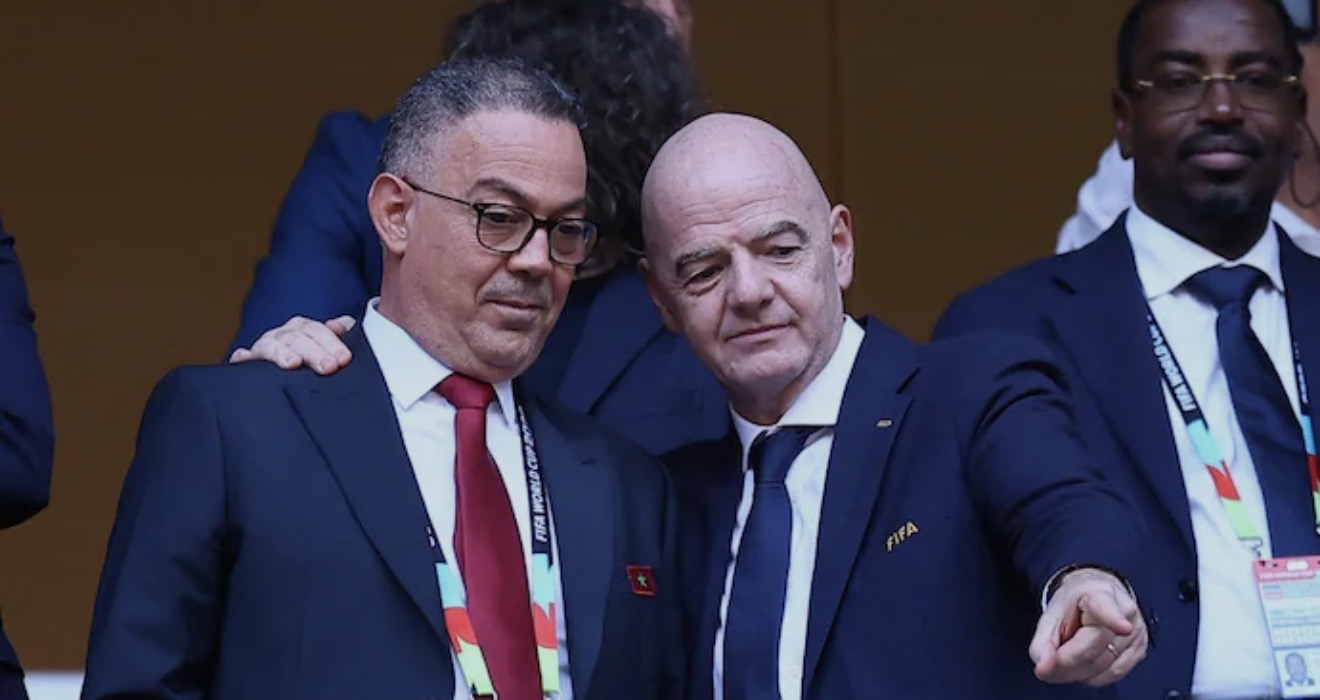
Ismail Kartal Quit Fenerbahce Live on Camera, and the Club Finally Let Him Leave
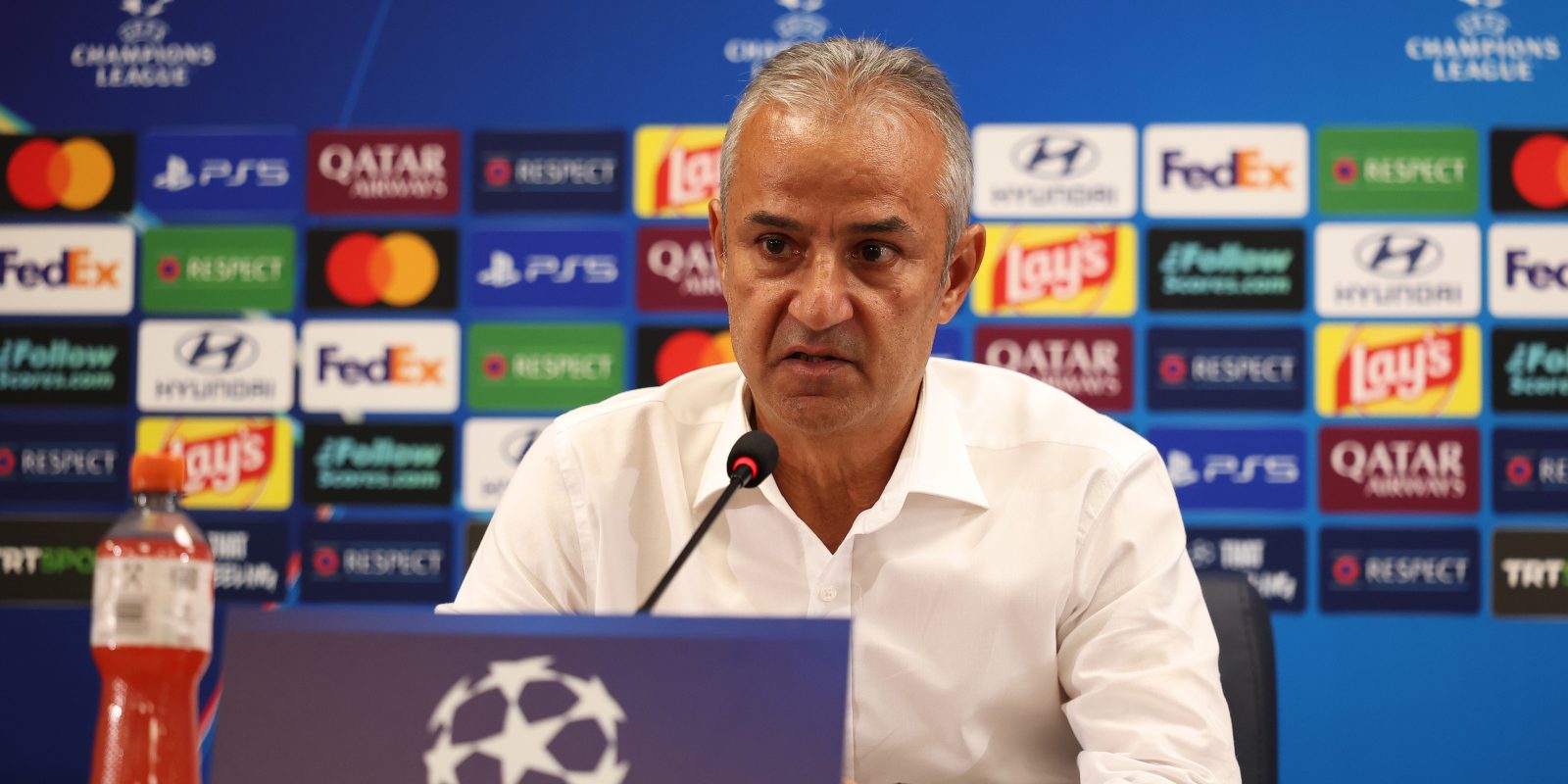

Table of Contents
- Ismail Kartal resigned as Fenerbahce head coach live on camera after a 1-1 Champions League draw with Roma, and the club accepted the resignation a day later.
- Club president Aziz Yildirim initially refused to accept the resignation, but backed down after Kartal skipped training, turned off his phone, and cleared his office.
- Club legend Dirk Kuyt has taken interim charge of the first team while Fenerbahce searches for a permanent successor.
He Quit on Live Television. His Boss Said No. First, Anyway.
Ismail Kartal stood in front of the cameras after Fenerbahce’s 1-1 draw with Roma, congratulated his players, and resigned. Minutes later, the club’s president said that would not be happening. By the following evening, it was happening anyway.
Fenerbahce had just taken a point from their long-awaited return to the Champions League, a competition the club had not featured in for 18 years. By most measures, that result and the occasion around it should have been the story of the night. Instead, the coach who delivered it used his microphone time to announce he was leaving, and the club’s most powerful figure spent the following minutes trying to talk him out of a decision that had already been made in public.
“I have been here three months. From the beginning of the season until today, the training sessions and camps we held with the players, and the efforts of our president, have been very helpful. Those were wonderful days,” Kartal told reporters. “As of this evening, I congratulate my players and resign from my position. I made this decision to pave the way for my club. We made this decision together as a team. From now on, to help Fenerbahce, my players and future coaches, I have resigned from my position, with the intention of never returning.”
A Fourth Spell Lasted Three Months
Kartal returned to Fenerbahce for a fourth spell as head coach in June, taking the club back into the Champions League for the first time in 18 years. That achievement sat alongside a rockier domestic campaign. Fenerbahce currently sit ninth in the Turkish Super Lig after two wins and two defeats, and Thursday’s draw with Roma was the club’s first Champions League match of the new league-phase format.
Kartal is not a stranger to Fenerbahce or to walking away from it. He made more than 250 appearances for the club as a player, winning two league titles among six trophies, then returned as an assistant coach before his first spell in interim charge produced a Turkish Super Cup in 2014. This is a coach who knows the club better than almost anyone connected to it, and he chose to leave in the middle of a Champions League campaign he had just delivered.
A Bottle From the Stands
Yildirim said Kartal had been struck by a bottle thrown from the stands, and pointed to that incident alongside the general “pressure” on the coach as factors behind the resignation. The club later said on social media that a spectator connected to the bottle-throwing had been identified and banned from the stadium.
Yildirim did not stop at explaining the circumstances. He turned on Fenerbahce’s own supporters and the media covering the club, saying: “This community should support Ismail Kartal. You can’t show support by throwing punches at him like this.” He criticised what he called the “pressure” created by constant criticism of the coach and called on fans and journalists alike to “uphold the values of the Fenerbahce community.”
“I Am His Senior,” Yildirim Said. It Didn’t Last.
Yildirim’s initial response left no ambiguity about who he believed had the final say at Fenerbahce. Asked whether Kartal had agreed to stay, the president replied on Thursday night: “There’s no need for him to say that he’d continue. I am his senior, I told him to continue and that’s it. We are a family.”
That version did not survive the weekend. Kartal did not show up for Friday’s training session, turned off his phone, and had reportedly already cleared his office by the time reports emerged that he was unreachable. Faced with a coach who would not answer calls, let alone take a training session, Fenerbahce’s board reversed course and accepted the resignation it had rejected less than 24 hours earlier, ending Kartal’s fourth spell in charge barely three months after it began.
Yildirim’s confidence in overruling his own coach came from a position most club presidents do not hold. He led Fenerbahce for two decades between 1998 and 2018, winning five Turkish league titles, before losing the presidency to Ali Koc. He returned to office in June this year, winning an extraordinary general assembly vote by a wide margin after an eight-year absence and a failed comeback bid in 2024. Three months into his second spell running the club, his first attempt to dictate terms to a head coach who tried to resign in public did not hold.
His Own Players Found Out Live
The chaos of the evening was not confined to the president’s office. English defender Archie Brown, whose 48th-minute equaliser cancelled out Bryan Cristante’s first-half goal for Roma, was doing his own post-match interview when he was informed that his coach had just resigned.
“What do you mean he resigned? As coach? He’s not the coach any more? He said this just now? I didn’t know about this,” Brown said, visibly caught off guard by news that had broken inside the same stadium only minutes earlier.
A player who had just scored the goal that earned his club a point in a difficult Champions League return found out from a reporter, not his own dressing room, that the man who picked his team that night would no longer be his manager within 48 hours.
Brown’s confusion is a measure of how suddenly the announcement landed. The words came from Kartal’s news conference and reached his own player through a reporter’s question, rather than through any word passed inside the club beforehand.
From a Resignation Nobody Accepted to Dirk Kuyt in Interim Charge
Turkish football has a long history of presidents overruling coaching departures, and Yildirim initially looked well placed to make his version stick. But a coach who had told his own players and the world’s media that he intended “never” to return was not going to be talked back into the job by a president’s statement alone.
Kartal never returned to the club after his news conference. With their head coach unreachable and the training pitch short a manager, Fenerbahce’s board conceded the position was untenable and confirmed Kartal’s departure on Friday. Club legend and first-team coach Dirk Kuyt has been placed in interim charge of the squad while the board searches for a permanent replacement.
A Club That Keeps Changing Coaches, Officially This Time
Fenerbahce’s return to the Champions League after 18 years away was meant to mark a period of stability built around a manager who already knew the club from three previous spells. Instead, three months in, the club is preparing for its next fixture without the head coach who delivered that return, after a mid-match bottle-throwing incident and mounting criticism preceded a resignation the club spent a full day trying to reject.
The 1-1 draw against Roma will be remembered less for the scoreline than for the two days of chaos that followed it, ending with Kartal gone for good and Kuyt in his place on the touchline.
A Fixture List That Does Not Get Easier
Whoever ends up permanently in charge of Fenerbahce’s Champions League campaign inherits a demanding schedule. After the draw with Roma, the club still has to play Aston Villa away, Slavia Praha at home, Liverpool at home, Shakhtar Donetsk away, LASK away, Villarreal at home and Atletico Madrid away before the league phase concludes in January. Getting back into Europe’s top competition after 18 years away counts for little if the club cannot settle on who is running the team for the games that decide whether they stay there past this season.
A head coach announced he was finished, a president said he was not, and less than 48 hours later Fenerbahce accepted the very resignation it had publicly rejected, handing interim control of the team to Dirk Kuyt.

Leave a Comment
More in News

Lucas Bergvall Wanted Out After a £38m Bid, Now He Has Signed a New Contract

Scott McTominay Scored the Goal That Won Napoli the Title After Manchester United Let Him Go, and Now Heart Surgery Has Sidelined Him

Gabriel Jesus Trained Alone Before £8.6m Arsenal Exit, Already Scoring for Barcelona
Lionel Messi Joins Only David Beckham on Ballon d’Or Shortlist While Playing in MLS
De Zerbi Criticises Medical Staff as Tottenham’s Goal Drought Hits Three Games
Trending on Futbol Chronicle
Cristian Romero completes €40m move from Tottenham to Atlético Madrid
What Is The Club World Cup?
Michael Carrick points to lack of sharpness after Manchester United draw with West Ham

The Best World Cup YouTubers to Follow in 2026