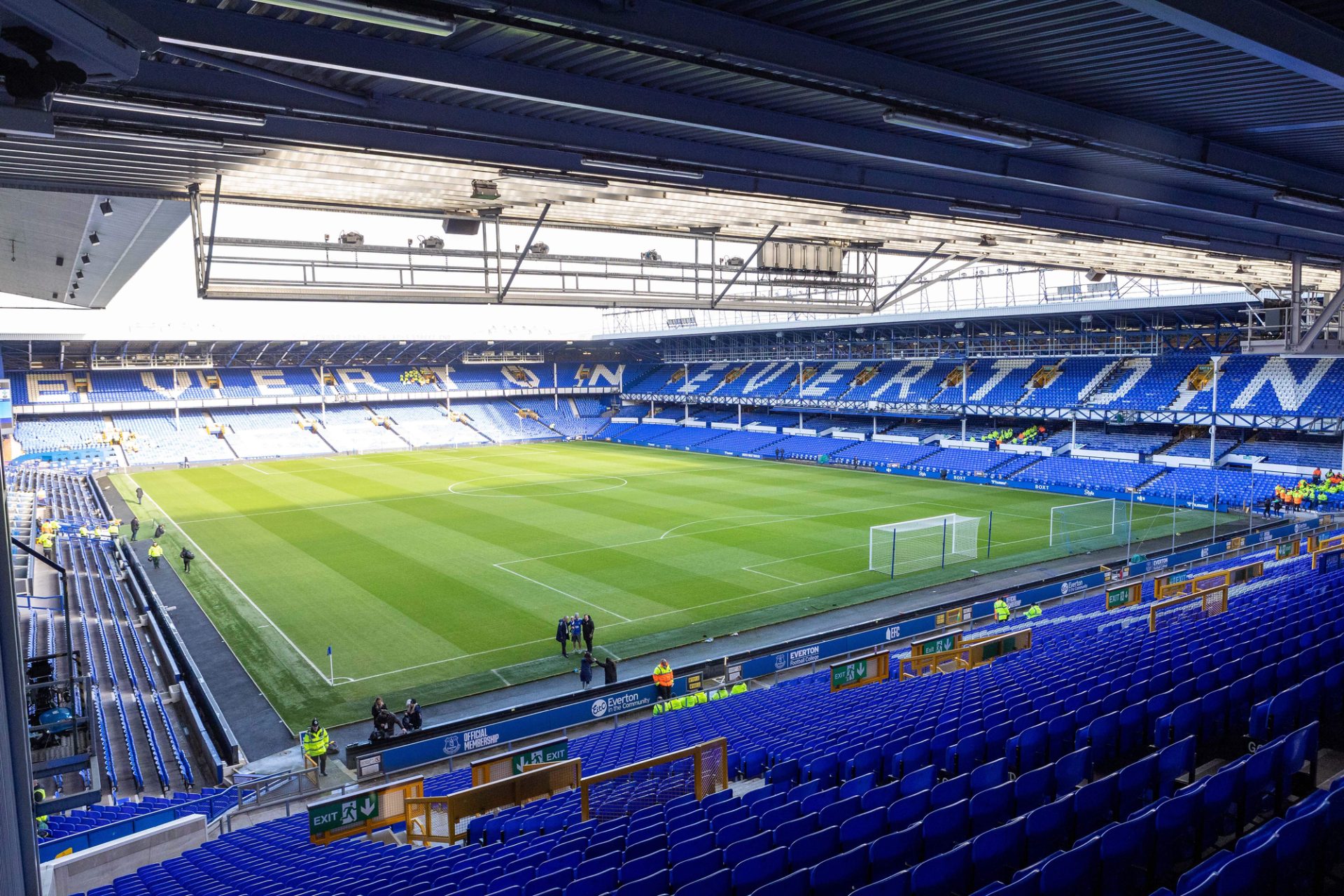
Aleksander Ceferin Reverses His Pledge and Will Seek a Fourth Term as UEFA President
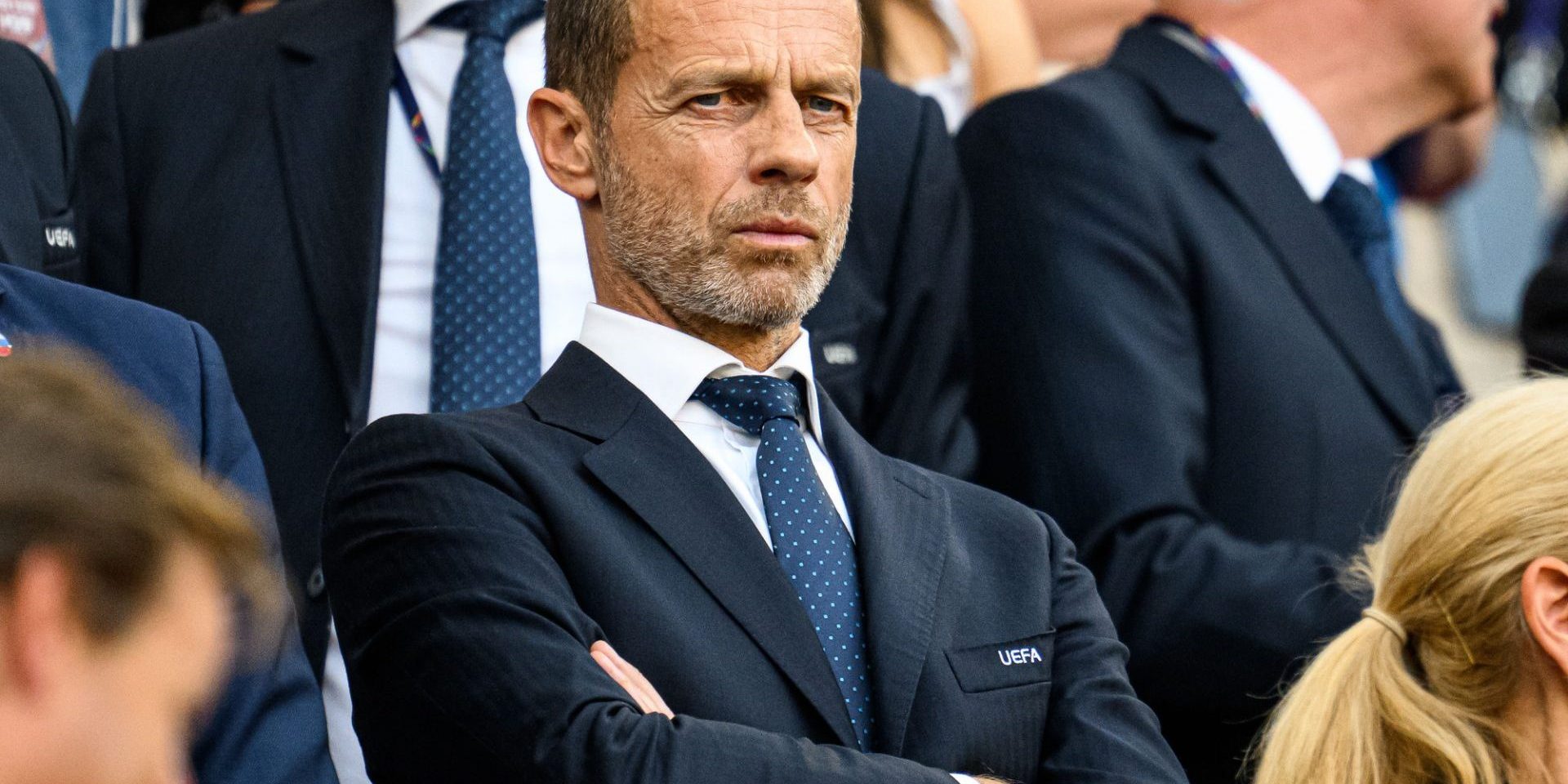

Table of Contents
- Aleksander Ceferin will stand for a fourth term as UEFA president, reversing a pledge he first made in February 2024 not to seek re-election.
- Ceferin told delegates of his decision at a meeting of all 55 national association chiefs in Berlin, 12 minutes after the news broke through UEFA’s own channels.
- The decision comes as UEFA pushes to replace FIFA president Gianni Infantino, whose plan to sell stakes in FIFA’s competitions to private investors was dropped after UEFA led opposition to it.
The Man Who Said He Was Leaving Isn’t Leaving
Aleksander Ceferin stood in front of delegates from all 55 of UEFA’s national associations in Berlin and told them what he had spent nearly two years insisting would not happen: he is staying on as president of European football’s governing body for a fourth term.
The 58-year-old Slovenian was first elected in 2016. Back in February 2024, he was embroiled in a row over UEFA changing its own statutes to allow him to serve a fourth term at all, and he responded by ruling himself out of running again. That position has now reversed, though BBC Sport reported there had been a growing expectation in recent months that he would stand regardless of what he had said in 2024.
Why Now: The War With Fifa
Ceferin’s decision to stay on lands in the middle of an open power struggle between UEFA and Fifa president Gianni Infantino. Uefa has been working to oust Infantino, who scrapped a controversial plan to sell off stakes in FIFA’s own competitions to private investors after the proposal met widespread opposition. Ceferin has ruled out standing against Infantino himself in Fifa’s presidential election in March, but he is committed to finding a candidate the game can unite around to challenge him.
That challenge already has a contender. Former Tottenham and Celtic defender Ramon Vega, now 55 and working as a financier, has said he intends to run for the Fifa presidency himself, pointing to the frustration among national federations over the direction Infantino has taken the governing body.
A Rivalry That Boiled Over at the World Cup
The scale of the falling-out between the two organisations became public this summer. Ceferin did not attend the World Cup final between Argentina and Spain, boycotting the showpiece game in protest at a series of decisions taken by FIFA. UEFA had reacted strongly after United States striker Folarin Balogun escaped a suspension following an intervention from US President Donald Trump, calling the episode “unprecedented, incomprehensible and unjustifiable” in a statement at the time.
Ceferin is also firmly against other changes Infantino has driven through at Fifa, including the half-time shows introduced at the World Cup, which stretched the usual 15-minute interval out to 27 minutes and 22 seconds to accommodate performances from Madonna, BTS, Shakira and Justin Bieber. Those shows will not be introduced to the Champions League or the European Championship. UEFA is also strongly opposed to any move toward a 64-team World Cup, an idea Infantino appeared to leave the door open to as the tournament played out.
The two organisations have also diverged on refereeing. UEFA has instructed its VAR officials to disregard diving under the new mistaken identity protocol, unlike FIFA’s approach at the World Cup, and has told its referees that players who cover their mouths in confrontations with opponents will not be shown red cards in its own competitions, departing from the approach FIFA took at the tournament.
What a Fourth Term Means for European Football
For UEFA’s 55 member associations, Ceferin staying on removes any uncertainty over leadership heading into a period when the organisation is trying to present a united front against FIFA. It also gives Ceferin, who has already shown he is willing to boycott Fifa’s own showpiece event, a longer runway to shape who eventually challenges Infantino for football’s top job.
Ticket prices have become part of the same argument. UEFA plans to broadly freeze ticket prices for Euro 2028, pointing out that supporters will be able to buy five tickets for the price of a single parking space at one of the World Cup stadiums used in the United States this summer. For Ceferin, a fourth term is as much a continuation of that argument with FIFA as it is a vote of confidence from UEFA’s own membership.

Leave a Comment
More in News

Kylian Mbappe’s Nightclub Visit and Alps Cycling Video Drew a Mourinho Reprimand as Real Madrid’s Dressing Room Stays Icy

Mathys Tel Has Not Scored for Bottom-of-the-Table Tottenham This Season, but He Just Equalled France’s All-Time Under-21 Scoring Record

Scott McTominay Returns to Full Training After Heart Procedure

Brahim Diaz’s Missed Penalty Still Haunts AFCON Nine Months Before CAS Decides the Final
Mikel Arteta Extends His Arsenal Contract to 2030 as the League’s Last Title-Winning Manager In Charge
Trending on Futbol Chronicle
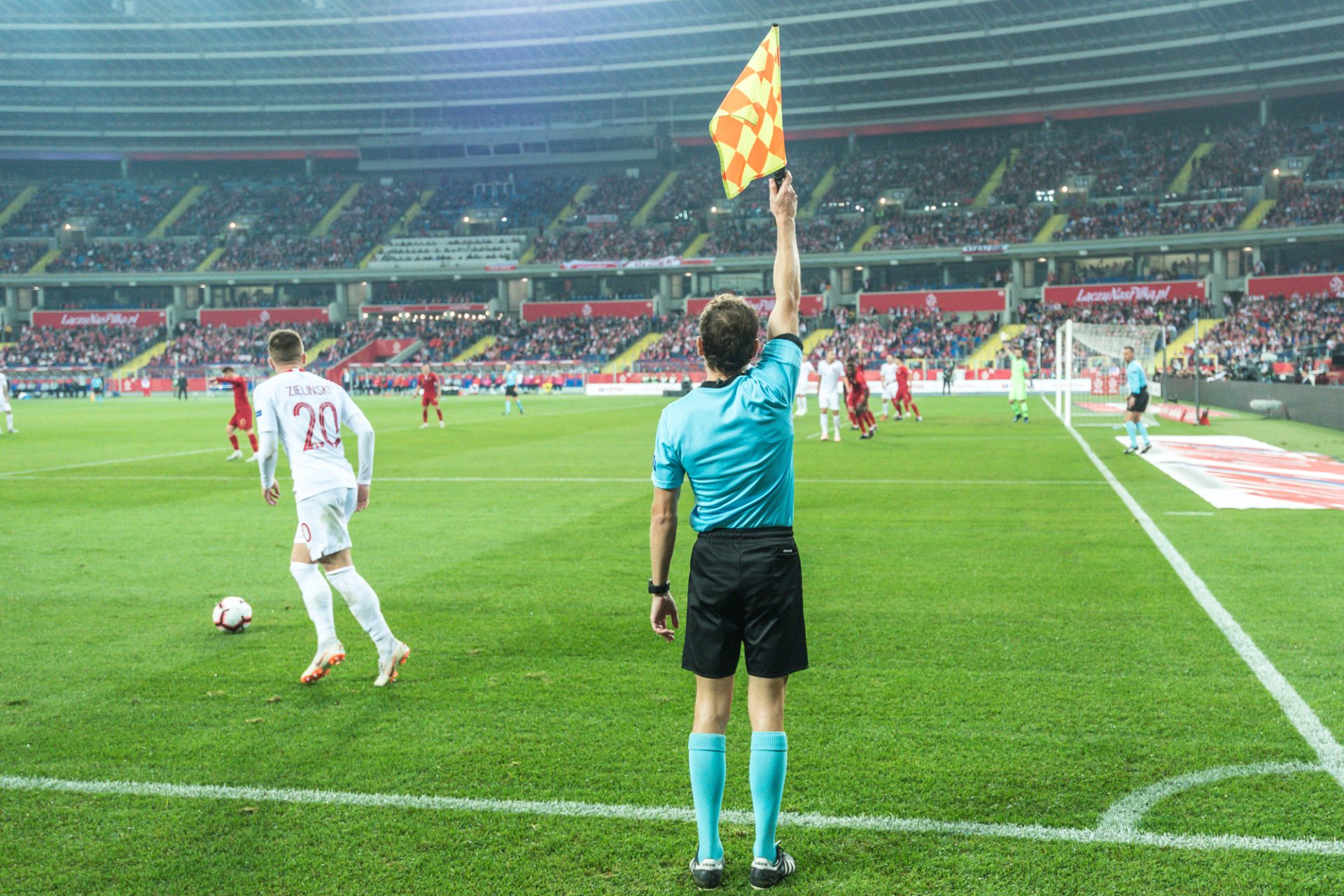
What Is Offsides in Soccer? The Offside Rule Fully Explained
The Best World Cup YouTubers to Follow in 2026
Celta Vigo postpones LaLiga opener after fungus outbreak damages stadium pitch
Arab football federations back Gianni Infantino as FIFA president faces growing opposition