
Amanda Staveley Watches West Ham Win as Ownership Battle for the Club Reaches a Deadline
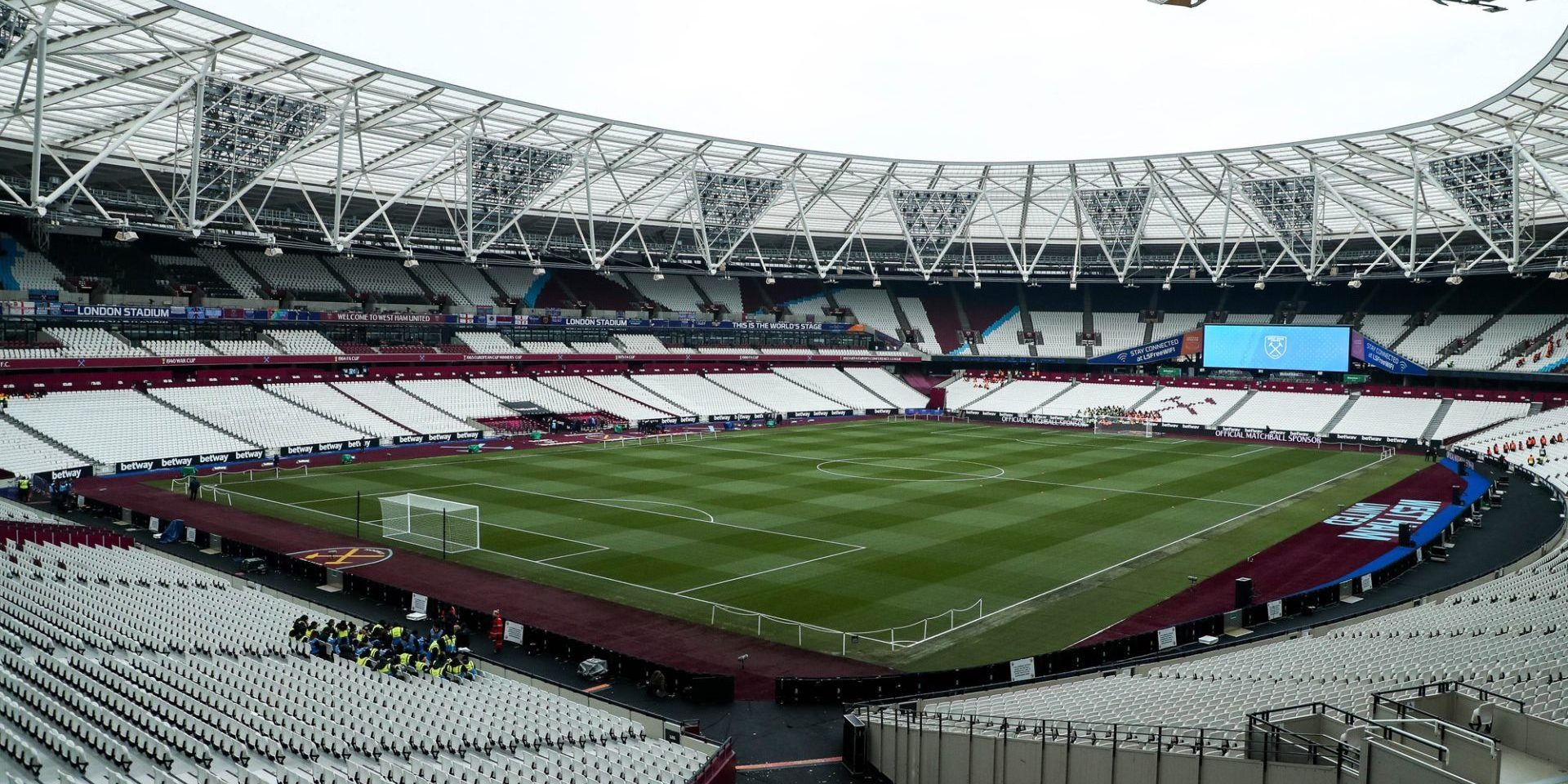

Table of Contents
Amanda Staveley sat inside London Stadium on Tuesday night to watch West Ham United beat Wolves 4-2 in the Championship, a low-key evening on the surface that carried real significance for the club’s future. The prospective owner was invited by co-chair Vanessa Gold as the clock runs down on a deadline that could reshape who controls West Ham.
In July, Gold confirmed she had agreed to sell her entire 25.1% stake in the club to Staveley in a deal that valued West Ham at £600m. It followed an earlier agreement in which Gold had lined up a partial sale of her stake to fellow co-chair Daniel Kretinsky.
West Ham’s ownership structure includes pre-emption rights, meaning any deal agreed with an outside investor has to be offered first to the club’s existing significant shareholders, on the same terms and on a pro-rata basis. Those shareholders get first refusal, and are then given the chance to buy any shares that remain, subject to a further deadline of their own. The initial 30-day window for shareholders to act on Gold’s stake runs out this week, and it remains unclear how the situation will resolve.
West Ham’s largest shareholder is David Sullivan, who holds 38.8% of the club. Sullivan stepped down as co-chair in June and has said he intends to fight allegations made against him in a joint investigation by BBC Panorama and The Times. Kretinsky owns 27%, though he announced last month that he is selling just over 2% of his holding to Czech businessman Jakub Havrlant.
That sale could prove decisive. It would let Kretinsky buy all of Gold’s shares without his overall stake crossing 50%, a threshold that would otherwise trigger a separate clause forcing him to make an automatic offer for the rest of the club, on terms that would not favor him.
Sources with knowledge of the situation have told the BBC that Sullivan is not expected to try to increase his own shareholding while the Football Regulator is still assessing his suitability to remain a shareholder at the club. It also remains uncertain whether Kretinsky’s planned sale of a stake to Havrlant could face a legal challenge, as it would allow him to sidestep the requirement to buy the entire club outright.
How Gold Ended Up With a Stake to Sell
Vanessa Gold’s position in this saga traces back to her father, David Gold, who bought into West Ham alongside Sullivan in January 2010, when the pair acquired a 50% share in the club and took on operational and commercial control at a valuation of £105m. Their combined stake grew over the following years, reaching 60% by the middle of 2010 and eventually 30.6% each after further purchases from previous owners CB Holdings. Sullivan added another 25% from CB Holdings in 2013.
David Gold died in January 2023 at the age of 86, and his shareholding passed to his daughter Vanessa through the family trust. Kretinsky had already bought his 27% stake in November 2021, completing the three-way ownership structure that has defined the club for the past few years and that Staveley’s prospective deal would now upend.
Who Is Amanda Staveley?
Staveley is no stranger to takeover battles in English football. She led the Saudi-backed consortium that completed a £305m takeover of Newcastle United in October 2021, working alongside Saudi Arabia’s Public Investment Fund and the Reuben brothers. PIF took an 80% stake in that deal, with the Reuben brothers and Staveley’s PCP Capital Partners splitting the remaining 20% between them. Staveley remained part of the Newcastle ownership group until she sold her remaining shares in July 2024.
Her involvement in football finance stretches back further still. She helped broker Sheikh Mansour’s takeover of Manchester City in 2008, the deal that transformed the club into the force it is today, and in the same year led PCP’s £3.5bn recapitalization of Barclays Bank, one of the largest corporate transactions of that period. A prospective move for West Ham would put her in charge of a second Premier League club inside a decade, though for now that club plays its football a division lower than the one she is used to.
A Painful Route Into the Championship
The context around this takeover battle runs deep. West Ham’s stay in the Premier League, stretching back 14 years, ended last season when they were relegated on the final day, a 3-0 win over Leeds United at London Stadium not enough to save them. Their fate was sealed elsewhere, as Tottenham avoided defeat against Everton to leapfrog them and stay up.
West Ham finished with 39 points, well above the average tally clubs have needed to survive in 17th place in the years the Premier League has run with 20 teams, a reminder of just how competitive the bottom of the table had become. They went down alongside Burnley and Wolverhampton Wanderers, and this season marks their first back in the Championship in fifteen years, having last played there in 2011-12.
That drop has reshaped everything about the club’s finances and, by extension, its ownership situation. A £600m valuation for a Championship side would have been almost unthinkable at the top level a year ago, and it gives some sense of how much is riding on getting West Ham straight back up. Tuesday’s 4-2 win over Wolves at least offered a reminder of the quality still inside the squad, though the club’s boardroom situation continues to dominate the conversation among supporters.
For a club that has spent much of the past year dealing with boardroom uncertainty on top of an on-pitch relegation, the coming days look set to bring some clarity, one way or another, on who will actually be running West Ham United going forward. Whether that clarity arrives through Staveley completing her move for Gold’s stake, a rival move from Kretinsky, or a legal dispute over how the shares are split in the end, supporters who watched their club drop out of the top flight for the first time in over a decade will simply want stability, wherever it ends up coming from.
One Mission on the Pitch
Whatever happens in the boardroom, the job on the pitch has stayed the same from the day Nuno Espirito Santo was appointed as West Ham’s head coach last September. The Portuguese, who had previously managed in his home country with Rio Ave and Porto before spells at Valencia, Al-Ittihad, Wolves, Tottenham and Nottingham Forest, was kept on by the club’s hierarchy after their relegation was confirmed, with one clear brief: get West Ham straight back into the Premier League.
The club has backed that mission in ways that go beyond team selection. More than 50,000 season tickets were sold ahead of the Championship campaign, an extraordinary number for a club playing outside the top flight, and West Ham have raised roughly £150m from the sales of Mateus Fernandes and Crysencio Summerville alone, funds that have helped shape the squad Nuno now has at his disposal for the promotion push. Captain Jarrod Bowen stayed at the club through that rebuild rather than following the exits out the door, giving Nuno at least one recognizable attacking outlet to build his Championship squad around.
Tuesday’s win over Wolves, in front of Staveley and the rest of a boardroom still working out its future, offered an early marker of what this Championship campaign could look like on the pitch. The question now is whether the club’s ownership situation gets resolved quickly enough to let everyone at West Ham focus on the job Nuno was hired to finish.

Leave a Comment
More in News

Millwall Promise Strongest Action After Alleged Racist Chants Aimed at Eom Ji-sung

Cristian Chivu Admits He Got Inter Too Fired Up at Half-Time
Clinton Morrison Calls Leny Yoro’s Red Card at Atletico Madrid Soft

New York Man Wants To Pick Up Lunch 2 Minutes After Chipotle Opens. Then He Looks In The Window: ‘Those Employees Def Talking About You’

Enzo Maresca Hits Back: ‘What Do You Want Us to Do?’
Trending on Futbol Chronicle
Arab football federations back Gianni Infantino as FIFA president faces growing opposition

Map of All the Premier League Teams for 2025/26
Michael Carrick admits Manchester United have “no excuses” after AC Milan defeat
The Best Soccer Players of All Time: The 10 Greatest Ever Ranked