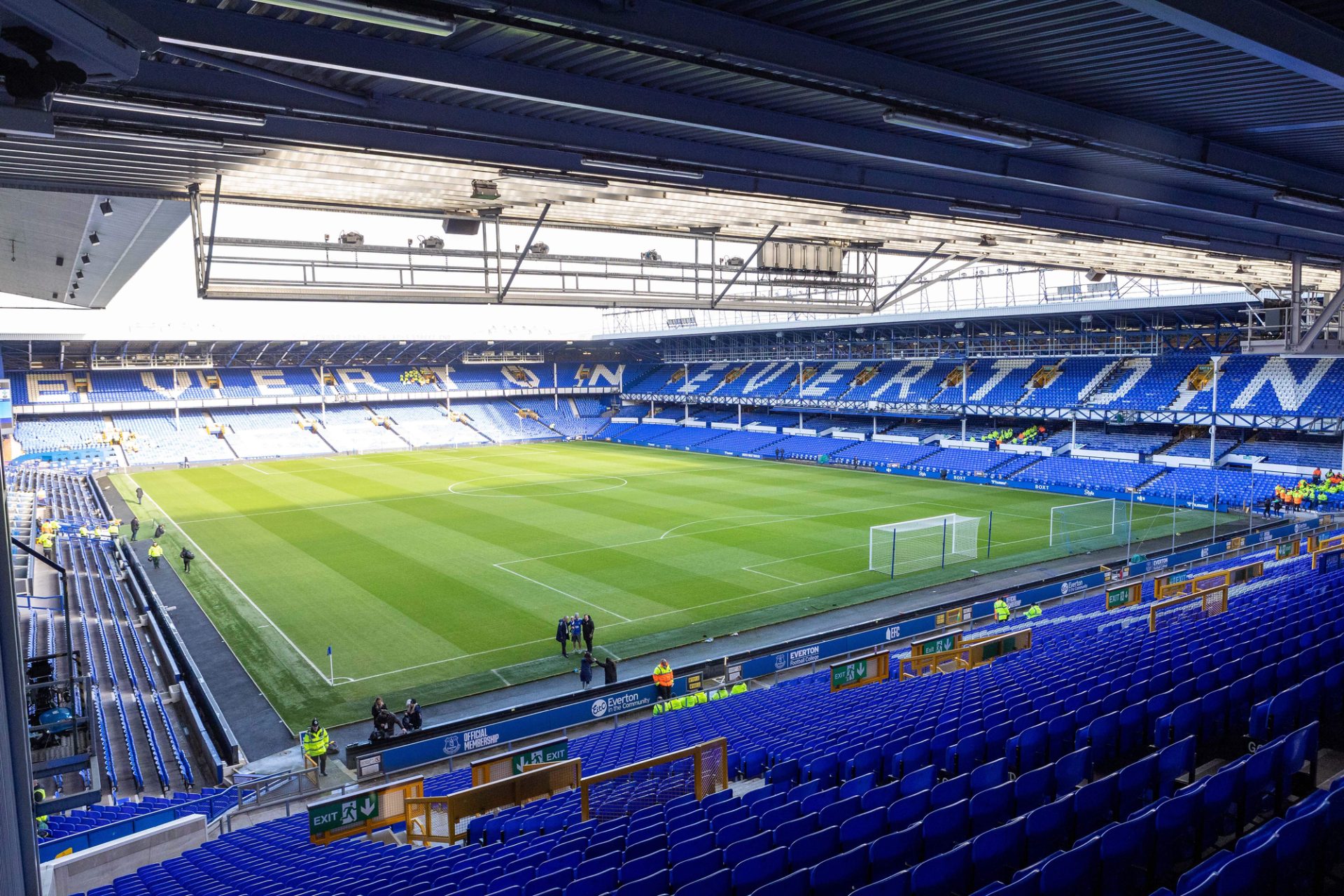
At 41, Cristiano Ronaldo Demands Harsher Punishment for Himself After Walking Out on Portugal Training Camp
Table of Contents
- Cristiano Ronaldo left Portugal’s training camp in Copenhagen before the Nations League match against Denmark, after going unused as a substitute in a 2-1 win over Norway and declining to applaud the travelling fans afterwards.
- In a near 2,000-word statement posted to his 679 million Instagram followers, Ronaldo said head coach Jorge Jesus had promised him 30 minutes against Norway and then did not deliver on that promise.
- Ronaldo apologised to Portugal’s supporters and his teammates, said any punishment from the Portuguese Football Federation should carry no mitigating factors given his role as captain, and confirmed he intends to keep playing for the national team.
Jorge Jesus Admits He Made a Mistake Before Ronaldo Walked Out of the Copenhagen Camp
Cristiano Ronaldo warmed up from half-time onward against Norway on September 27, watched the minutes tick past, and never got the call. Three days later he was gone from Portugal’s training base in Copenhagen, skipping the squad’s trip to face Denmark without telling anyone why. On Wednesday he finally explained himself, in a statement running close to 2,000 words, posted to the 679 million people who follow him on Instagram.
The 41-year-old captain says head coach Jorge Jesus promised him thirty minutes against Norway on the day of the match, then changed his mind. “Everyone knows the rest,” Ronaldo wrote. “I warmed up from half-time onwards, watched the minutes tick by and wasn’t called on. The coach had broken his word to me.” He walked off the pitch that night without applauding the travelling Portuguese fans, an act he now calls “a failing that is solely my responsibility.”
What makes the statement unusual is not the complaint about playing time. Plenty of 41-year-olds have grumbled about a manager’s substitutions. It is what Ronaldo asked for at the end of it: a punishment with no leniency attached, with the captain’s armband treated as a reason to go harder, not a reason to go easier.
A Private Conversation That Did Not Match the Public One
Ronaldo’s account centres on a gap between what Jesus told him in private and what the coach said afterward in front of cameras. According to the statement, Jesus agreed before a press conference to confirm eight specific points: that the plan for managing Ronaldo’s season was the coach’s own idea, that Jesus understood Ronaldo’s 24 years of service to the national team, that Ronaldo had accepted the plan without complaint, that he had never questioned a single tactical call, and that the Norway match fell outside the original arrangement.
Jesus did address some of this publicly. “I made a mistake by putting someone of the stature of Pele or Maradona on to warm up and then not putting him in the game,” he said, a rare admission of fault from a manager. He added of Ronaldo’s standing in the squad: “I want Cristiano in the National Team. In fact I do not want him a little, I want him a lot.” On the missing applause for fans, Jesus offered a measure of cover too: “Someone who has played more than 230 matches for the national team does not receive lessons from me on love for Portugal. It was a moment of frustration that erases nothing.”
Ronaldo says that tone vanished once the cameras were on. “I heard expressions and an aggressiveness that I do not believe I deserved,” he wrote, “an attitude of ‘I want, I can and I command’ that he never showed me, not even remotely, in private the day before.” He called it the second broken promise from the same coach within days, and that, he says, was the point he decided to leave the camp rather than wait for a third.
An Apology With Conditions, Not an Exit
Ronaldo was careful to separate the grievance from the walkout itself. On leaving the camp, he wrote: “I also owe an apology to my national team teammates for having left the camp. Despite the absolute breach of trust in the head coach’s word, as anyone who witnessed these conversations can attest, I should not have done it. The responsibility is entirely mine.” He extended the same apology to supporters: “I apologise to the Portuguese who supported us intensely there, I apologise to the fans, and I apologise to those who, without being Portuguese, may have travelled there to see me and whom I may have disappointed.”
Then came the part of the statement that has drawn the most attention in Portugal: Ronaldo asking the federation to go harder on him than it might on anyone else. “The consequence of this act of mine must be assessed and punished by the Portuguese Football Federation,” he wrote. “I believe the punishment should have no mitigating factors. I am not just any player. I am the team captain, and that is an aggravating factor.”
It is a stance that cuts against how most athletes handle discipline. The usual approach is to minimise, to point at circumstance, to let a federation’s leniency do the talking. Ronaldo did the opposite, naming his own rank as a reason to be treated more harshly rather than less. Jesus, for his part, said he had not yet read the statement when asked about it: “I didn’t read Cristiano’s statement. I was watching the U21 game. I will now have time to read it.”
Why Anyone Doubted Ronaldo Was Staying
The walkout landed at a sensitive moment for Ronaldo’s international career. After Portugal’s exit from the 2026 World Cup, he had already prepared a retirement letter addressed to the Portuguese people. According to his own account, the president of the Portuguese Football Federation asked him on the flight home from the United States to reconsider before sending it. He agreed, and says he was glad when Jesus was then appointed as the new head coach. “On the day the current head coach was announced, I was genuinely happy with the choice,” Ronaldo wrote. “It was the right option, as the results are confirming.”
That context is why the Copenhagen walkout read, to many in Portugal, as a man who had already written his goodbye once reaching for the door again. Ronaldo’s statement is built to close that door rather than open it further. “I can promise all my fans, naturally and especially all the Portuguese people, that we will have one or more farewell matches; there will be time for that,” he wrote. “But when I think of the national team, what I really think of is competing.”
He closed the statement on the same note it began: a conditional promise to return. “If I am physically well, playing for my club, hopefully with some goals, after serving whatever suspension is imposed on me, I will be available, as I have always been until today, to compete and win for our national team.”
A Rare Public Admission From Both Sides
Statements like this one are unusual in international football. Players who disagree with a manager’s selection tend to let an agent brief a newspaper, or say nothing at all and let the next call-up speak for them. Ronaldo instead wrote the dispute down point by point, named the matches and dates involved, and quoted the coach’s own eight-point agreement back at him in public. Jesus, in turn, has already conceded one part of the complaint without being pushed into it. “I made a mistake,” he said of the Norway substitution, before any federation hearing and before Ronaldo’s statement was even published in full.
That combination, a captain naming his coach’s broken promise and a coach admitting the mistake that caused it, leaves the Portuguese Football Federation with less room to treat this as a simple discipline case. Both men have already told the public roughly the same story about what went wrong in Copenhagen. What remains unresolved is only the punishment, and Ronaldo has removed the federation’s usual excuse for leniency by asking for none.
What Happens Next
The Portuguese Football Federation now has a captain publicly asking to be punished without mitigating factors, and a head coach who has already conceded, in public, that he mishandled the Norway substitution. Those two things point toward the same outcome: some form of disciplinary action against Ronaldo for leaving the camp, applied on terms he has effectively pre-negotiated by naming his own standing as an aggravating circumstance rather than a defence.
Whatever the federation decides, the statement settles the question that started circulating the moment he left Copenhagen. Ronaldo is not walking away from international football at 41. He is negotiating the terms on which he stays, in a relationship with his head coach that both men now admit broke down for a night, in public, on live television and on his own social media account.

Leave a Comment
More in News

Ramon Vega Played for Tottenham and Celtic, and Now He Wants Gianni Infantino’s Job as Fifa President
Manchester City’s £830m Guilty Verdict Could Still Face UEFA Action in 2027
Lionel Messi Plays His Last Match for Argentina While Building a $1.1 Billion Empire

Heimir Hallgrimsson Says UEFA Must Act After Ireland and Israel’s 1-1 Draw Was Marred by a Spitting Allegation

Andy Robertson Reached 100 Caps for Scotland, a Mark Only Kenny Dalglish Had Hit Before Him, as Sebastien Pocognoli Finally Got His First Win
Trending on Futbol Chronicle
Celta Vigo postpones LaLiga opener after fungus outbreak damages stadium pitch
What Is Offsides in Soccer? The Offside Rule Fully Explained
Mikel Arteta backs ‘warrior’ Bruno Guimarães to make Arsenal stronger
The Best World Cup YouTubers to Follow in 2026