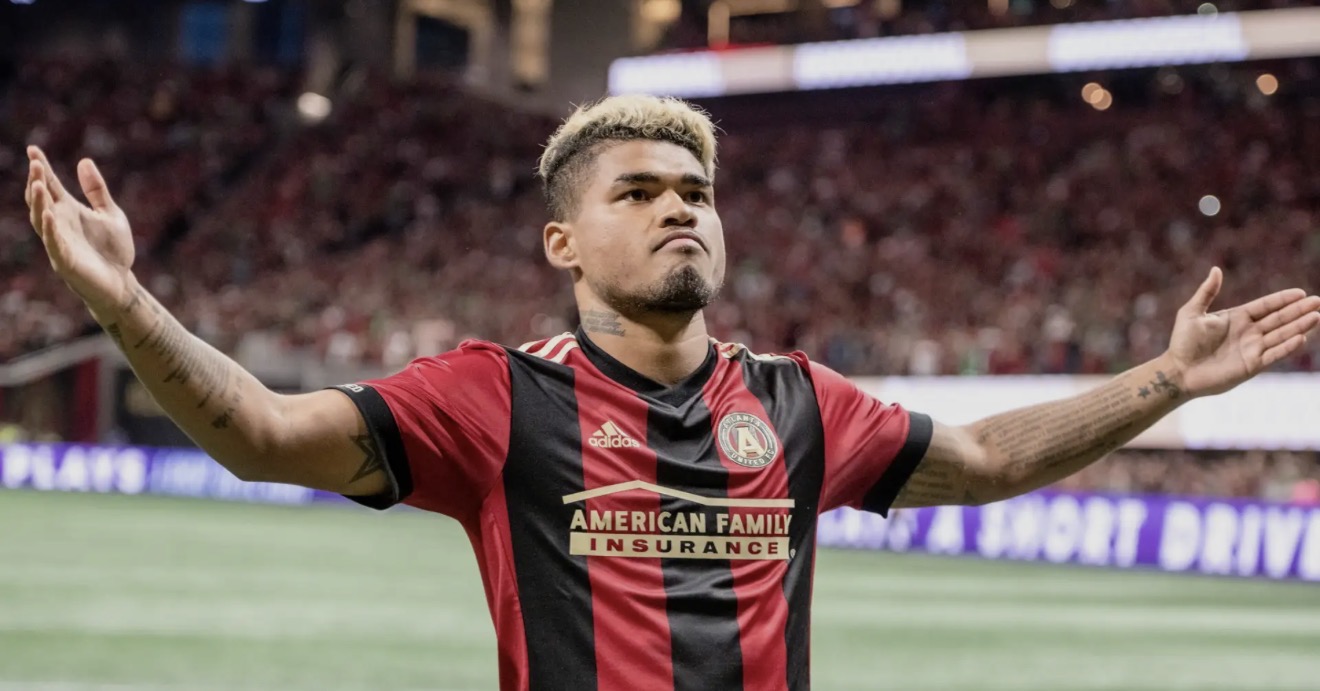
Chelsea Agree British-Record £117m Deal for Morgan Rogers as Alonso Reshapes Attack
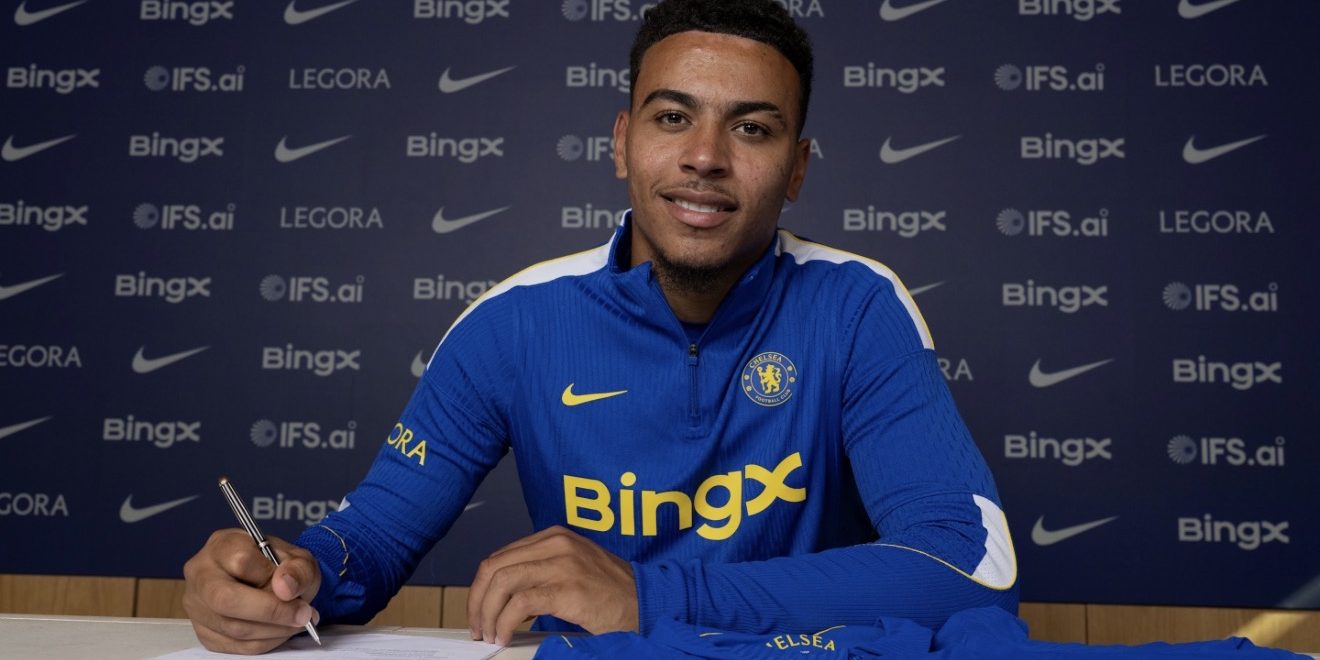

Table of Contents
Morgan Rogers arrived for his medical at Stamford Bridge on Monday morning, a formality standing between him and a move that will make him the most expensive player in British football history. Chelsea have agreed a £117m fee with Aston Villa for the 23-year-old forward, breaking the record Manchester City set only days earlier when they paid Nottingham Forest £116m for Elliot Anderson. Rogers is set to sign a six-year contract, and the England international chose Chelsea over interest from Arsenal, accepting the move as soon as the bid materialized.
The size of the fee tells only part of the story. Rogers is giving up Champions League football at Villa Park for a Chelsea side that missed out on Europe’s top competition this season, a trade few players make willingly at this stage of a career. That he did so without hesitation says as much about Xabi Alonso’s project at Stamford Bridge as it does about the money on the table.
How the deal came together
Rogers had his heart set on Chelsea long before the transfer became public. According to reporting from Sky Sports News, once the offer materialized he accepted it immediately, brushing aside Arsenal’s interest even with the Gunners playing Champions League football next season as reigning Premier League champions. Arsenal were credited with interest in Rogers but were not prepared to match Chelsea’s £117m valuation, and paying that fee for a forward might have felt less urgent for a club already holding the title and Europe’s top prize on its fixture list.
Chelsea’s motivation is simple. Xabi Alonso has spoken of ambitions to compete for major trophies again after taking over from Liam Rosenior, and the club has made clear this summer that it intends to back him. Rogers adds something Chelsea have lacked: physical presence going forward. Sky Sports reporting described the forward as a player who offers real strength and directness in the final third, an attribute the Stamford Bridge squad has been missing as it looks to reassert itself among the Premier League’s leading sides.
After joining Villa from Middlesbrough in January 2024, Rogers scored 14 goals in 55 appearances last season and forced his way into the England squad, rising from a squad player to a full international inside eighteen months. That trajectory, more than any single statistic, explains why Chelsea moved so decisively and why Villa found the fee impossible to turn down.
The deal also reshapes the market for attacking talent in England. Rogers now sits above Anderson in the list of British transfer records, and the pace at which two deals north of £110m have landed within the same week points to how much cash Premier League clubs are willing to commit this summer, even with several of the division’s biggest spenders yet to finish their business. Agents and rival clubs will now use the £117m figure as a reference point for any comparable England international who becomes available before the window shuts.
The Palmer question
Rogers arrives at a club that already has Cole Palmer occupying the No 10 role Rogers made his own at Villa, and the pair share a history that runs deeper than their positions overlapping. Both came through Manchester City’s academy together, and Palmer’s now-famous “cold” goal celebration was reportedly invented by Rogers before Palmer made it his own at Chelsea. That shared background at City’s academy means Alonso inherits a dressing room situation few managers get to handle: two attacking talents who know each other’s game intimately and will now compete for the same position weekly in training.
The two were on opposite sides last season when Villa beat Chelsea, in a fixture billed by some as a duel between the division’s two best emerging No 10s. Villa won that day, and Rogers played well. Now Alonso must work out how to accommodate both players without one blunting the other’s influence on games.
There is no suggestion Chelsea plan to move Palmer on. He remains signed to a long-term contract and gave a newspaper interview before the end of last season in which he said he was happy in London. Reports linking him with a return to Manchester United persist in some quarters, but sources close to the club describe any such deal as financially unrealistic for most suitors at the fee Chelsea would demand.
Where Rogers fits under Alonso
The bigger question is tactical. Alonso built his reputation at Bayer Leverkusen using Jeremie Frimpong and Alex Grimaldo as attacking wing-backs, and if he leans on a similar structure at Chelsea, Rogers looks best suited to operating from the left of an advanced front line rather than through the middle.
That would put him in direct competition with Alejandro Garnacho and Jamie Gittens, both of whom struggled to hold down a starting spot last season, while Joao Pedro offers further competition through the middle. Palmer, Rogers and Joao Pedro all thrive when given freedom to drift rather than fixed instructions, which leaves Alonso with a selection puzzle to solve before the campaign begins. The raw talent at his disposal now ranks among the deepest in English football.
What it means for Enzo Fernandez
Rogers’ arrival lands alongside an unresolved question over Enzo Fernandez’s future. The Argentina midfielder has made no secret of his admiration for Real Madrid, though the Spanish club issued a statement saying they were not involved in negotiations and had made no approach. Chelsea’s position, relayed through Sky Sports sources, is that every player carries a price, and Fernandez’s is set at £120m.
Alonso addressed the situation directly at his first press conference as manager, confirming he wants Fernandez to stay and that he is looking forward to working with him. Fernandez was sent off in Argentina’s World Cup final defeat to Spain on Sunday, a rare setback in what has otherwise been a strong year for the 24-year-old, and Real Madrid have not moved to test Chelsea’s resolve.
Financing the deal
Chelsea have positioned themselves to absorb the outlay without straining their books further. Sales of Marc Cucurella, Andrey Santos and Tyrique George raised close to £130m this summer, and compensation from Manchester City for the departure of Enzo Maresca added a further boost to the balance sheet. Reece James, Palmer and Joao Pedro remain regarded as untouchable, but the futures of Garnacho, Nicolas Jackson and Trevoh Chalobah are far less secure, with all three capable of bringing in a combined £100m if they leave this summer.
The financial planning carries extra importance this year. Chelsea will not play in Europe this season, yet they remain bound by UEFA’s financial sustainability rules after entering a four-year settlement agreement last summer for previous breaches. Selling to fund buying, a pattern that brought in roughly £300m last summer alone, remains central to how the club operates under its current ownership.
Villa’s side of the ledger
For Aston Villa, losing Rogers is the latest blow in what has become an unexpectedly turbulent summer. Youri Tielemans has already left for Manchester United, and Amadou Onana faces a lengthy spell out with a serious knee injury picked up at the World Cup. Unai Emery’s side finished last season with a 30-year wait for silverware ended and a return to the Champions League secured, only to see four key contributors depart or suffer injury before a ball has been kicked in the new campaign.
Villa are not without recourse. The £117m fee, among the largest ever paid for a Villa player, arrives alongside the club-record signing of Freiburg’s Johan Manzambi and an agreed £38m deal for Wolves midfielder Joao Gomes, both intended to refresh a squad that had the second-oldest average age in the Premier League last season. Comparisons have already been drawn with Jack Grealish’s £100m departure to Manchester City in 2021, a sale that funded a rebuild rather than a decline.
The pattern is familiar to anyone who has followed Villa’s recent history. Jacob Ramsey, Jhon Duran, Moussa Diaby and Douglas Luiz all left Villa Park in previous windows amid predictions of decline, and each time Emery found replacements capable of keeping the club moving forward rather than back. Supporters who spoke to Sky Sports after the Rogers fee was confirmed were split between frustration at losing a player who had become a fan favourite and satisfaction at a valuation few expected Villa to extract from a suitor.
Chelsea, for their part, have made their statement of intent. The club that finished last season without Champions League football has now spent a British-record fee on a player who left a Champions League club to join them, a reversal that says something about how far Alonso has already persuaded his squad and his board to trust his vision.
Whether Rogers can adapt from Villa Park’s expectations to those at Stamford Bridge, and whether Alonso can fit three gifted, overlapping attacking players into one system, will define how the £117m gamble is judged by next summer. For now, Chelsea have their man, Villa have their money, and the rest of the Premier League has a new benchmark for what a wanted England international costs.

Leave a Comment
More in News
Bowen’s Saved Penalty Costs West Ham a Shot at Top Spot

Cole Palmer Missed England’s World Cup Squad This Summer, and His Club Have Just Backed Him With a Deal Running to 2034
Enzo Maresca Insists Manchester City’s Titles Are Not Tainted After the Club Was Found Guilty on 115 Charges

Michael Carrick Lost Two Title Races to Manchester City, and United Fans Now Mark 50 Years Without a Trophy

Jarell Quansah Was Never Liverpool’s Top Academy Prospect, and He Has Already Won Eight England Caps
Trending on Futbol Chronicle
Michael Carrick admits Manchester United have “no excuses” after AC Milan defeat

What Is Offsides in Soccer? The Offside Rule Fully Explained

Map of All the Premier League Teams for 2025/26
Michael Carrick points to lack of sharpness after Manchester United draw with West Ham