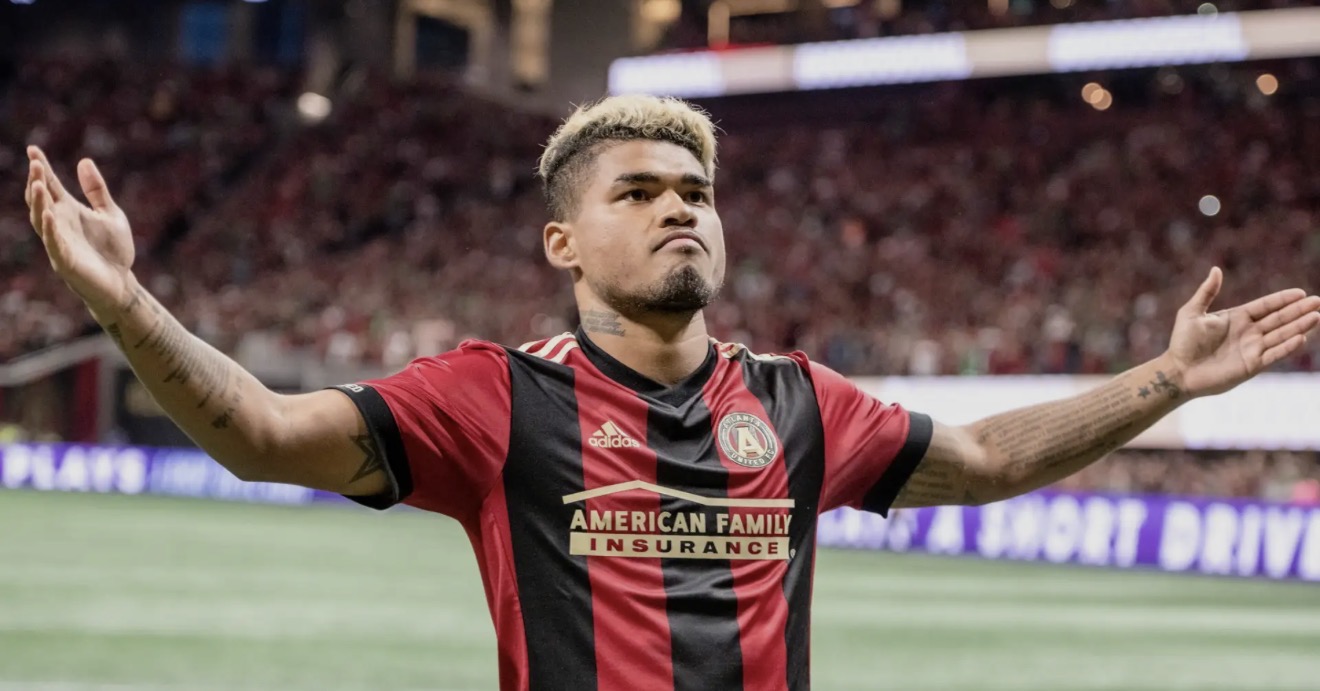
Cole Palmer Scored in the Euro Final and Watched the World Cup From a Miami Beach


Table of Contents
Two summers ago, Cole Palmer stood in the heart of the Olympiastadion in Berlin and dragged England level in a European Championship final. With twenty minutes left against Spain, he took one touch to set himself and curled a low shot inside the far post, the kind of finish that looked rehearsed precisely because he made it look like nothing at all. It was the moment a 22 year old announced he belonged on the biggest stage in the sport. This summer, while England chase the World Cup that has eluded them for sixty years, Palmer is on a beach in Miami posting photographs to Instagram with the caption “could be worse.”
The distance between those two images, the ice-cold finisher in a final and the young man documenting his unplanned holiday, tells the story of one of the most surprising selection calls Thomas Tuchel has made since taking the England job. Palmer, for a stretch the most reliably creative English forward in the Premier League, was left out of the 26 man squad altogether. Not carried as a squad option. Not named and held back. Left at home.
The Finisher Tuchel Decided He Could Live Without
For most of the past two years, an England squad without Cole Palmer would have looked unthinkable. His first season at Chelsea was one of the great individual debuts of the modern Premier League era, 25 goals across 45 appearances in all competitions for a side rebuilding around him. He took penalties with a stillness that unnerved goalkeepers. He drifted in from the right, found the half spaces nobody else seemed to see, and turned a chaotic Chelsea team into something that occasionally resembled a plan. By the time the Euro 2024 final arrived, Gareth Southgate could not afford to leave him out, and Palmer rewarded that faith with the equaliser that briefly looked like it might rewrite English football history.
The two seasons that followed were quieter. Palmer scored 11 Premier League goals in the most recent campaign, a respectable return for many but a clear dip from the standard he had set himself. Chelsea were inconsistent, his own output came in bursts rather than a steady stream, and a series of small fitness niggles meant he was rarely able to string together the run of matches that defines a player at full rhythm. None of it amounted to a crisis. It amounted to a player who was very good rather than untouchable, and in a squad with only 26 places, very good is sometimes not enough.
Tuchel, who knows Palmer well from English football, framed the decision around form and physical readiness rather than talent. He spoke about wanting players who arrived at the tournament with their best in the present tense, who could be relied upon for physical regularity across a brutal North American summer, and who had finished the domestic season as decisive contributors. The implication was not that Palmer had lost his ability. It was that others, in Tuchel’s reading, had arrived in better condition to use theirs.
A Crowded Queue for England’s Creative Spots
The cruelty of Palmer’s position is that it has almost nothing to do with him and almost everything to do with the company he keeps. England’s pool of attacking midfielders and forwards is the deepest it has been in a generation. Jude Bellingham occupies the central creative role and the captain’s confidence of the manager. Bukayo Saka has nailed down the right. Eberechi Eze arrived at the tournament as a form pick after a season that finally delivered on years of promise. Morgan Rogers forced his way into contention with the kind of relentless campaign that selectors reward. Anthony Gordon offers pace and a direct threat from wide.
Each of those players can fill the spaces Palmer would want to occupy, and several of them finished the season looking sharper than he did. When a manager is asked to choose between a player operating at ninety per cent of his ceiling and several others peaking at the right moment, the calendar tends to win. Palmer’s misfortune was to dip, even slightly, in the exact window when the people around him surged.
There is a tactical layer to it too. Tuchel’s England conceded twice in their opening win over Croatia, a 4-2 result in Dallas that flattered them defensively even as it showcased their attacking riches. A manager worried about balance is more likely to value forwards who track back and press with discipline than a pure creator who saves his energy for the final third. Palmer at his best bends a game to his will. Palmer at less than his best can drift, and Tuchel decided he did not want to gamble a World Cup place on which version turned up.
“Could Be Worse” and the Question of Hunger
What turned a difficult selection call into a genuine talking point was Palmer’s response to it. While England trained in punishing Florida heat at their pre-tournament base before heading to Kansas City, Palmer posted a run of nine photographs from Miami, beach days with friends, a professional looking shoot, and promotion for his personal brand. The caption read simply: “could be worse.”
The reaction split almost immediately. One camp saw a healthy, grounded young man refusing to let a professional setback ruin his summer, a player processing disappointment by living his life rather than sulking in public. The other saw something closer to indifference, a worry that a footballer left out of a World Cup should be showing visible hunger to be involved rather than a cheeky grin from a sun lounger. Chelsea supporters, who adore Palmer’s languid confidence, mostly defended him. Some neutral observers were less convinced.
The truth is probably less dramatic than either reading. Palmer has always carried himself with a flatness of affect that can be mistaken for not caring, the same demeanour that lets him take penalties in finals without a flicker of nerves. The personality that makes him so calm in front of goal is the same personality that can post a beach photo after a snub. Footballers are rarely allowed to be disappointed quietly. Palmer chose to be disappointed loudly through understatement, and the internet did the rest.
What the Snub Says About Tuchel’s England
Leaving out a player of Palmer’s profile is the clearest statement Tuchel has made about how he intends to run this England team. Southgate built his squads on loyalty and continuity, rewarding players who had served the cause and trusting that familiarity would hold up under pressure. Tuchel has signalled something colder and more transactional. Reputations earned in the past do not guarantee a seat on the plane. Recent form and physical condition do. It is a ruthlessness that England supporters have demanded for years, usually without considering that ruthlessness would eventually be aimed at a player they liked.
Palmer is not the only casualty of that approach, but he is the most eye catching, because the gap between his ceiling and his omission is so wide. A player capable of scoring in a European final is sitting at home while England try to win a World Cup. If Tuchel’s gamble pays off, the decision will be remembered as evidence of a manager unafraid to make hard calls. If England’s creativity stutters in a knockout game, the absence of one of the country’s most gifted finishers will be the first thing anyone points to.
For Palmer, the path back is simple to describe and hard to walk. He is 23. He has time, talent, and a Chelsea side that will once again be built around him. A strong start to next season, a sustained run of fitness, and the conversation flips entirely. Snubs like this one have a way of sharpening players who were already good. The image of him on a Miami beach will either become a footnote in a long and decorated career, or the moment that lit a fire. Palmer, characteristically, does not seem inclined to tell us which. He posted his photos, shrugged at the noise, and left England to chase a trophy without him.

Leave a Comment
More in News
Mourinho Blasts Referee After Atletico Avoid Two Red Cards in Madrid Derby

Cole Palmer Withdraws From England Squad as Gibbs-White Returns Again
Marseille Fans Turn on Owner McCourt as Gomes Can’t Prevent Fifth Straight Loss

Juventus Fans Turn Backs on Silence for Mazzola, Club Slams ‘Lack of Respect’

Trent Alexander-Arnold Returns to the England Squad for the First Time in Over a Year, and Cole Palmer Is Back Too After Their World Cup Snub
Trending on Futbol Chronicle

What Is The Club World Cup?
Arab football federations back Gianni Infantino as FIFA president faces growing opposition
Why Soccer Is The Best Sport
Michael Carrick admits Manchester United have “no excuses” after AC Milan defeat