Djed Spence Was Loaned Out Three Times Before England Made Him a World Cup Player
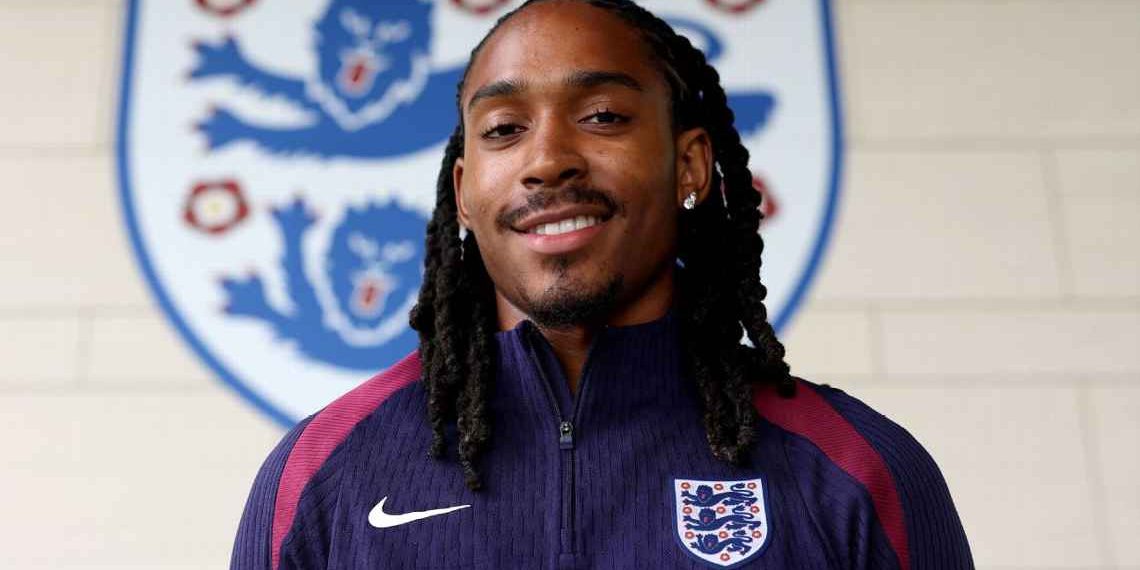
Table of Contents
The breathtaking part was that nobody saw it coming, least of all Croatia. Eighty minutes into England’s World Cup opener in Dallas, with the game still alive at 3-2, Thomas Tuchel sent on a right-back almost nobody outside England could have picked out of a line-up. Within seconds Djed Spence had collected the ball deep in his own half and gone tearing through the heart of a tiring defence, a surging run that ended only when Dominik Livakovic flung himself to the floor to deny him. Moments later it was Spence stretching the Croatian back line to create the gap that let Bukayo Saka feed Marcus Rashford for the goal that settled it. For a player who spent the best part of two years being treated as a mistake by his own club, it was the kind of cameo that rewrites a story.
Spence walked off to applause he could scarcely have imagined eighteen months earlier. This is a footballer who, not so long ago, looked finished as a top-level prospect before he had really started. To understand why his appearance against Croatia carried such weight, you have to go back through the loans, the silences and the rebuilding of a career that the game had quietly written off.
The twenty million pound problem
In the summer of 2022, Spence arrived at Tottenham Hotspur with the wind at his back. A loan season at Nottingham Forest had been close to perfect, helping Steve Cooper’s side win promotion from the Championship through the play-offs, and Spurs paid a reported twenty million pounds to sign him on a five-year contract. He was twenty-one, quick, fearless on the ball, and supposedly the heir to a problem position. Then almost nothing happened.
Under Antonio Conte, Spence barely featured. He made a handful of appearances, then disappeared from the matchday squad entirely. By January 2023 he had played his last Tottenham game for what would turn out to be more than eighteen months. The club sent him out on loan, and then sent him out again, and then again. Rennes in France, Leeds United back in the Championship, Genoa in Italy. Three loans in three different leagues across roughly a year and a half, the football equivalent of being handed a bag and told to find somewhere else to live.
For a young player, that kind of nomadic spell can be quietly corrosive. Each move means a new manager who did not sign you, a new dressing room, a new set of teammates who already have their friendships formed. None of the three loans caught fire. By the time Spence returned to north London in the summer of 2024, the consensus around him had hardened. He was a cautionary tale, a reminder of how a big fee and a bigger reputation can curdle. Tottenham supporters had largely stopped expecting anything from him at all.
The day the door reopened
On 19 August 2024, Spence made his first appearance for Tottenham since January 2023. It was not heralded. He was a squad option, nothing more, a name on the bench that most assumed would be sold or loaned again before long. What changed his fortunes was the cruellest of openings: injuries. A run of problems to Micky van de Ven, Cristian Romero and Destiny Udogie left Ange Postecoglou short of defenders, and Spence, almost by default, was handed an extended run in the side from December 2024 through February 2025.
He did not waste it. Deployed on both flanks, sometimes at right-back and sometimes filling in on the left, Spence played with a freedom that had been missing. The pace was still there, but now it came with judgement. He defended with more discipline, picked his moments to attack, and brought a directness that Spurs had lacked. Slowly, the boos and the shrugs turned into something closer to affection. Supporters who had given up on him began chanting his name. It is one of the harder things to do in football, to win back a crowd that has already filed you under failure, and Spence managed it without ever publicly complaining about the years that came before.
By the spring of 2025 he was not just surviving in the Tottenham side, he was one of its more reliable performers. The transformation was complete enough that England’s coaching staff, long indifferent to him, started paying attention.
A first that means something
On 29 August 2025, Spence was called up to the senior England squad for the first time. In doing so he became the first Muslim player to receive a call-up to the senior men’s national team, a milestone that says as much about the slow pace of representation at the very top of English football as it does about Spence himself. He made his debut on 9 September 2025 in a 5-0 win over Serbia in World Cup qualifying, slotting in as though he had always belonged.
For a player whose career had so recently looked like a dead end, the speed of the rise was startling. Less than a year separated the man fighting for a Tottenham squad place from the man pulling on an England shirt. When Tuchel named his twenty-six for the World Cup on 22 May 2026, Spence was on the list, the thirty-third Spurs player to be selected for an England World Cup squad and a name almost nobody would have predicted twelve months earlier.
There has been an extra detail that puzzled some viewers tuning in to the tournament. Spence has been playing in a protective face mask, the kind worn to shield a healing facial injury, which has given his World Cup appearances a slightly mysterious, almost gladiatorial look. It is the sort of thing that gets a player noticed by neutrals, and against Croatia it framed that charging run perfectly: a masked substitute few had heard of, suddenly the most dangerous man on the pitch.
Why the grassroots still shaped him
Earlier in 2026, before the tournament began, Spence spoke about his origins in grassroots football, the parks and cages of his upbringing where the game is played without academies polishing every rough edge. That background helps explain the player. There is something of the street footballer in the way he carries the ball, the willingness to take an opponent on rather than recycle possession sideways, the trust in his own acceleration to get him out of trouble.
Those instincts were nearly coached and loaned out of him during the wilderness years, when confidence drains and a player starts second-guessing the very things that made him good. That he held on to them, and rediscovered them at Tottenham, is the real achievement. The talent was never the question. The question was whether he could survive long enough in the professional game for anyone to see it again.
What is striking, listening to him, is the absence of bitterness. Plenty of players in his position would have spent the wilderness years briefing journalists, agitating publicly, painting themselves as wronged. Spence largely kept his counsel, did the work on each loan even when none of them stuck, and let his football make the argument when the chance finally arrived. There is a maturity in that restraint that perhaps explains how he came out the other side of those eighteen months with his game and his head intact, when so many young players in the same situation simply drift out of the top flight and are never heard from again.
The bigger picture for England
Spence’s place in this England squad reflects something about how Tuchel has approached the tournament. The German has shown a willingness to reward current form over reputation, to look past the established names towards players who are playing well right now. Ivan Toney returned from a betting ban and a spell in Saudi Arabia. Kobbie Mainoo forced his way back after losing his United place. Spence went from forgotten loanee to international in barely a year. It is a squad built, in part, on second chances and late surges, which makes it unusually easy to root for.
For English football more broadly, Spence becoming the first Muslim player in the senior men’s squad is a marker worth pausing on. The women’s and youth setups have been more diverse for years, and the absence at senior level had been noticed. Representation at a home-soil-adjacent World Cup, on the sport’s biggest stage, carries a resonance that goes well beyond one player’s right-back berth. Young supporters who share his background now have someone in the squad who looks like them and prays like them, and who got there the hard way.
England still have group games against Ghana and Panama to come, and Spence is unlikely to be a guaranteed starter with the competition for places Tuchel enjoys. But the Croatia cameo changed the conversation. He is no longer the expensive flop or the curious masked substitute. He is a genuine option, a player who can change a game in twenty minutes, and a reminder that careers in football rarely move in straight lines.
Three loans, eighteen months without a first-team game for his own club, a reputation in tatters. Then a string of injuries to other people, an extended run, a crowd won back, an England debut, and a World Cup run through the middle of a Croatian defence that nobody who watched it will quickly forget. Djed Spence took the long way round to Dallas. The view from here looks a lot better than the one he had eighteen months ago, and the best part is that the story is not finished yet.

Leave a Comment
More in News
Mourinho Blasts Referee After Atletico Avoid Two Red Cards in Madrid Derby

Cole Palmer Withdraws From England Squad as Gibbs-White Returns Again
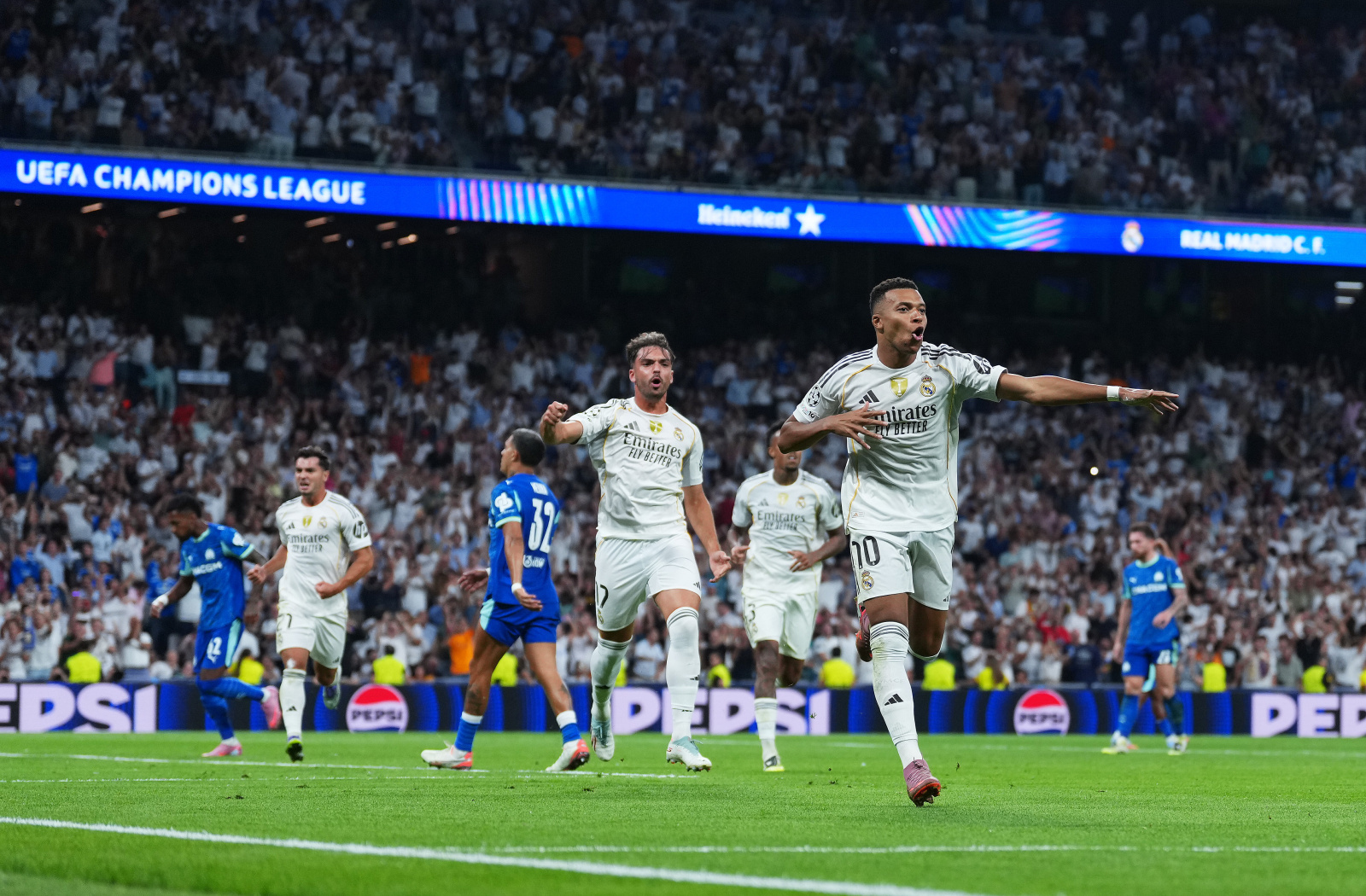
Marseille Fans Turn on Owner McCourt as Gomes Can’t Prevent Fifth Straight Loss

Juventus Fans Turn Backs on Silence for Mazzola, Club Slams ‘Lack of Respect’

Trent Alexander-Arnold Returns to the England Squad for the First Time in Over a Year, and Cole Palmer Is Back Too After Their World Cup Snub
Trending on Futbol Chronicle
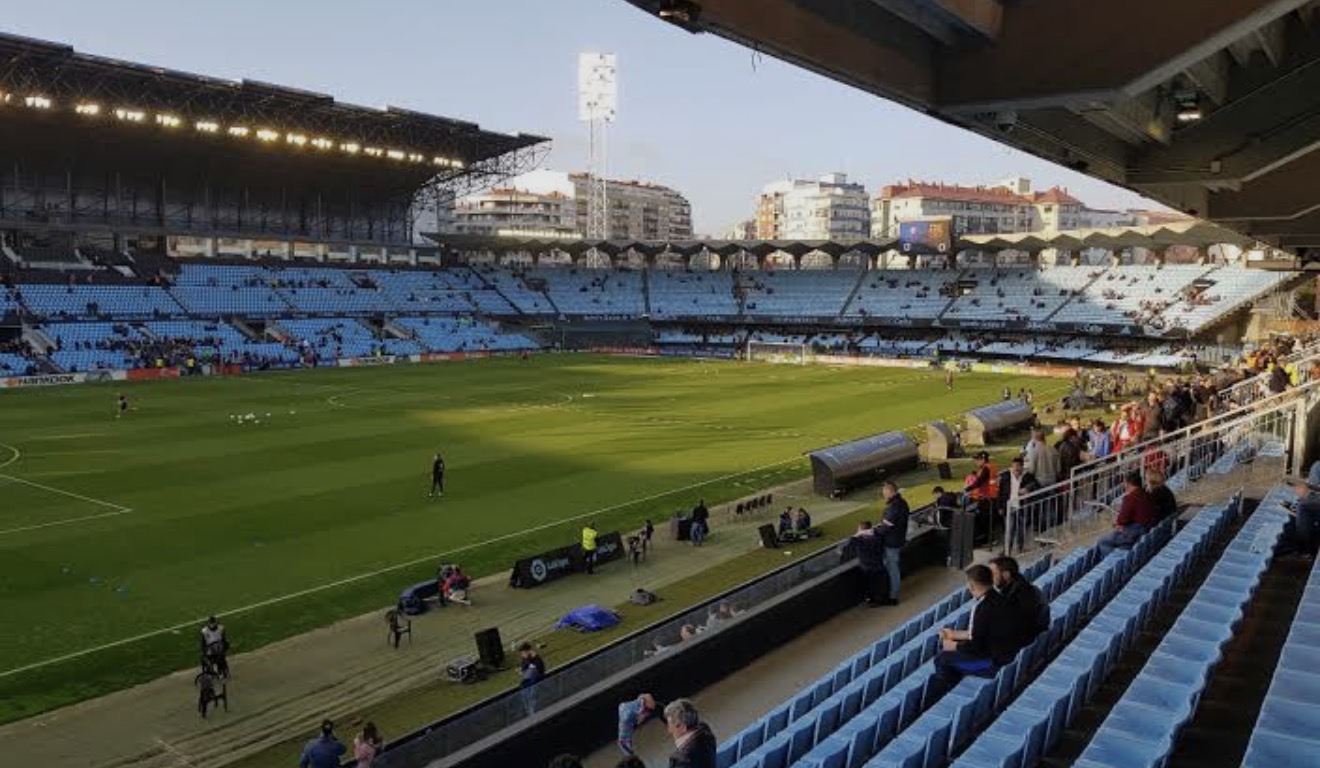
Celta Vigo postpones LaLiga opener after fungus outbreak damages stadium pitch
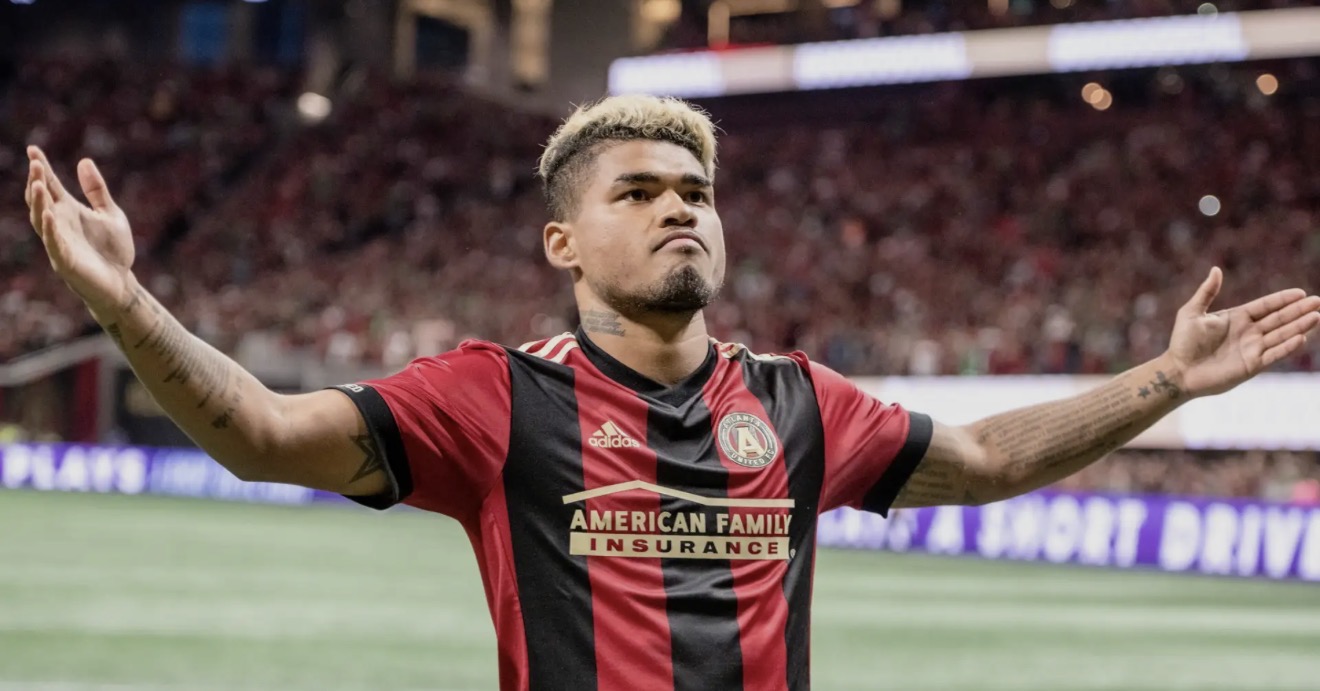
Josef Martinez Returns to MLS Spotlight With Columbus Crew Signing
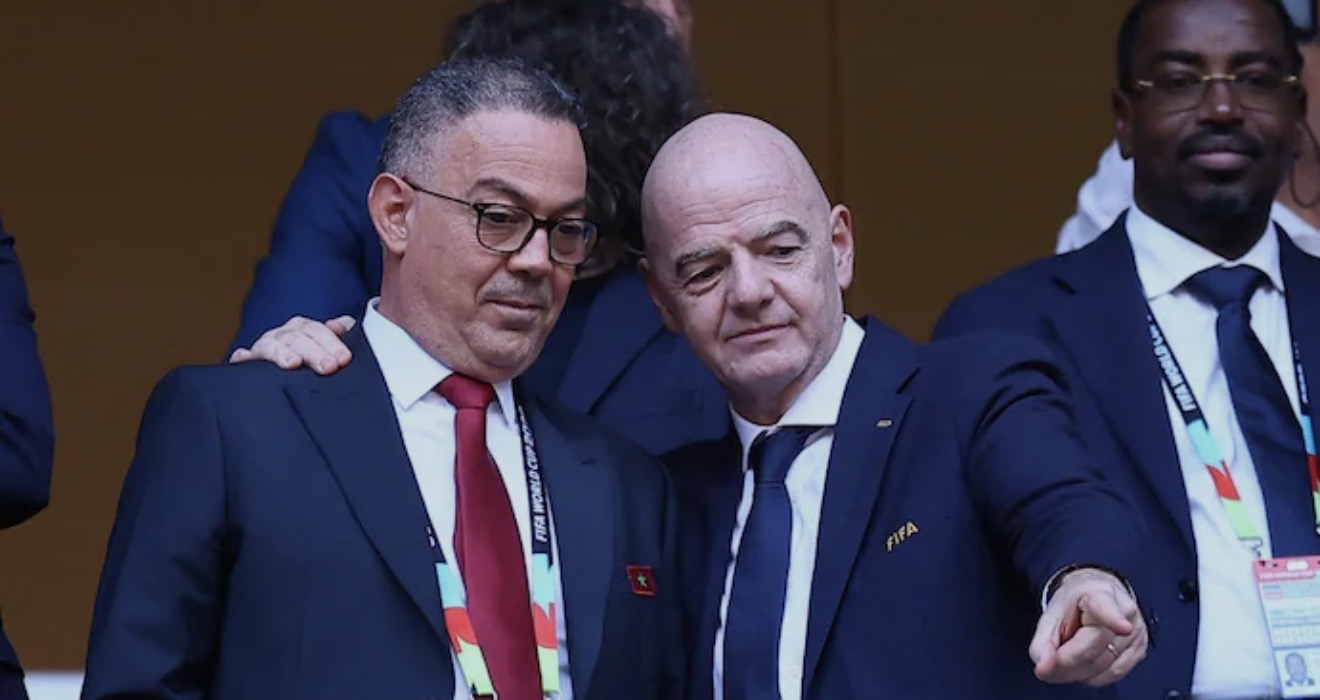
Arab football federations back Gianni Infantino as FIFA president faces growing opposition
Mikel Arteta backs ‘warrior’ Bruno Guimarães to make Arsenal stronger