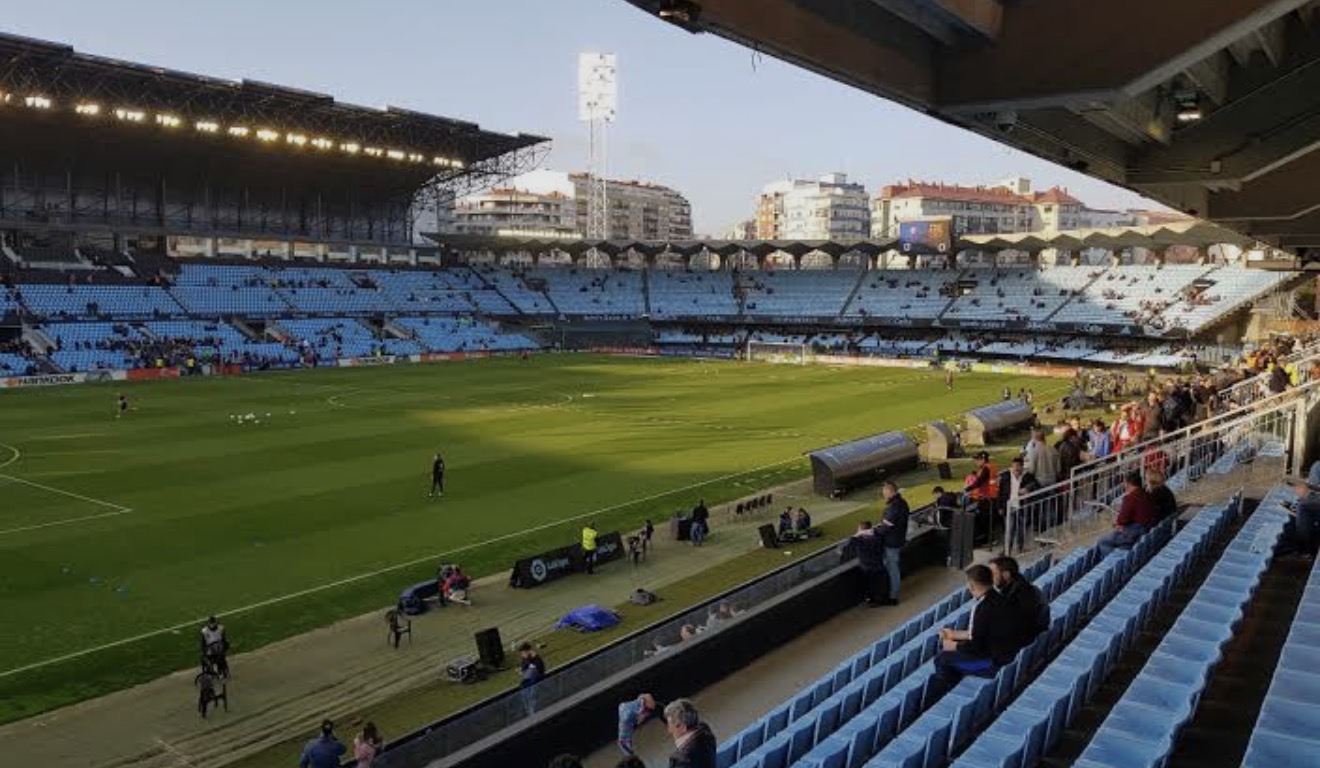
Heimir Hallgrimsson Says UEFA Must Act After Ireland and Israel’s 1-1 Draw Was Marred by a Spitting Allegation

Table of Contents
- Ireland and Israel drew 1-1 in a UEFA Nations League match played behind closed doors in Serbia, with Irish players and staff bowing their heads as Israel’s national anthem played for the second time in this international window.
- Ireland’s fitness coach Damien Doyle was reportedly spat on by an Israeli player at halftime, an incident manager Heimir Hallgrimsson said he did not see himself but is aware was reported.
- Hallgrimsson called on UEFA to keep the two nations apart in future fixtures, saying the governing body needs to step in after what he called two difficult weeks for his squad.
Two Weeks Hallgrimsson Wants UEFA to Never Repeat
Heimir Hallgrimsson stood in a near-empty stadium in Serbia and said what plenty of people inside Irish football had been thinking for a fortnight: somebody at UEFA needs to step in.
His team had just drawn 1-1 with Israel in a Nations League match with no fans in the ground, shifted to neutral territory in Serbia rather than played at either team’s own home venue. By the final whistle, Hallgrimsson was fielding questions not about the scoreline but about a claim that an Israeli player had spat on his own fitness coach at halftime.
“No, they shouldn’t,” he said when asked if the two countries should play each other again. “That’s not ours to decide, that’s UEFA who decides that. Obviously, there’s a big support for Palestine in Ireland. There’s not many countries that support Palestine as much as Ireland does.”
Then came the plea that carried more exhaustion than anger. “I wouldn’t wish any national team to go through what we’ve gone through in these two weeks, so maybe UEFA just needs to step in and do something.”
A Fixture Nobody Wanted to Host
Both federations had faced boycott calls over this international window, tied to the conflict in Gaza, and strong pro-Palestine sentiment in Ireland had kept the fixture under scrutiny for weeks before a ball was kicked. The FAI itself had previously called for Israel to be suspended from UEFA competition over the war in Gaza, only to find itself drawn against the Israelis anyway when the group stage was set. UEFA’s response was to move the match off either side’s home soil and close the gates entirely. Serbia hosted a Nations League tie between two countries that had never themselves chosen it as a venue, in a stadium with empty stands from kickoff to final whistle.
Playing on neutral ground removed the prospect of a hostile home crowd for either side. It did not remove the argument that had built up around the fixture for a fortnight, and that argument followed both squads onto the pitch and into the tunnel once the final whistle went. A Nations League group game that would ordinarily draw a few paragraphs of coverage and a routine scoreline instead arrived with a security operation, a closed gate and a watching world outside the ground that cared far more about the politics than the position in the table.
The Allegation at Halftime
Stadium reports after the match claimed that Ireland’s fitness coach, Damien Doyle, had been spat on by an Israeli player at halftime. Hallgrimsson said he had not seen the incident himself, but confirmed he was aware the allegation had been made and had been reported from inside the ground.
The scoreline itself was almost an afterthought. Troy Parrott put Ireland ahead from the penalty spot before halftime, only for Israel captain Dor Peretz to level early in the second half, the same pattern of an Irish lead being surrendered that followed the first meeting between the sides in Hungary the previous weekend. That earlier game was still being argued over before this one kicked off. An Israeli journalist had accused Irish players of racially abusing their opponents in that match, a claim an Irish press officer immediately rejected as untrue, bringing the pre-match press conference to an abrupt and premature end. UEFA, keen to avoid a repeat of that chaos, responded by barring two Israeli journalists from the post-match press conference in Serbia altogether.
It is the kind of flashpoint a fixture already carrying this much political strain could do without, and it is a large part of why Hallgrimsson left Serbia convinced that putting Ireland and Israel in the same group again, on the current evidence, would only invite a repeat. A touchline disagreement or a mistimed tackle is one thing. A member of a backroom staff coming home from an international trip with an allegation like this attached to it is another, and it is the detail that turned a routine post-match press conference into a call for the people who run the competition to intervene.
Gestures on Both Sides
Ireland’s players, coaching staff and Football Association of Ireland officials bowed their heads as Israel’s national anthem played, a gesture they had already made once before in this international window. Israel’s players wore black armbands for the match, a tribute to people killed in the October 7 Hamas attack, among them the former footballer Lior Asulin.
Israel’s government responded on its official account on the social media platform X before the match had even faded from the day’s news cycle. “While some use the football field as their political theatre, for us this is personal,” read one post. A second was blunter still. “Different generations. The same moral blindness.”
Neither statement named Hallgrimsson directly, but both arrived within hours of his own comments about the fixture, and both were read inside Irish football as a direct response to a manager who has become the public face of his country’s position on the match. The exchange, conducted almost entirely through quotes and social posts rather than any face-to-face meeting, is itself a sign of how little common ground the two camps found in the build-up.
UEFA Has Already Started Acting
Hallgrimsson’s call for intervention lands on an organisation that had already made one call of its own. Two Israeli journalists were barred from the post-match press conference after Saturday’s pre-match media event turned chaotic, a sign UEFA already recognises this fixture needs handling outside its normal playbook.
A media ban is a narrow fix for a broad problem. What Hallgrimsson is asking for goes further: a standing decision on whether these two federations should meet at all while the surrounding conflict continues, settled by UEFA ahead of the draw rather than negotiated match by match through closed doors, neutral venues and journalist bans applied after the fact. Two heavily policed fixtures inside the same international window is the kind of pattern that tends to repeat itself unless someone changes the schedule rather than just the security arrangements around it.
A Wider Pattern Across the International Window
Ireland and Israel were not the only story of a Nations League window that generated as many headlines off the pitch as on it. Boycott pressure tied to the war in Gaza reached other federations before this round of fixtures kicked off, and Ireland ended up hosting the most politically loaded match on the calendar, a position shaped by how publicly the country has backed Palestine throughout the conflict.
Other national teams had their own off-field disruptions this window, for entirely separate reasons and with none of the diplomatic charge attached to a fixture that needed an empty, neutral stadium just to be played at all. Put together, though, they point to an international break that will be remembered for what happened away from the touchline as much as for anything that happened on it. Results from a Nations League group game rarely linger much beyond the following weekend. This one looks built to last considerably longer than that.
What Happens Next
Ireland and Israel are grouped together for this Nations League cycle, which means a return fixture is already somewhere on the calendar unless UEFA steps in. Hallgrimsson’s comments put the governing body on the spot to decide, well before that next meeting comes around, whether closed doors and a neutral venue were a one-off arrangement for an unusually difficult week or the new standard for this pairing.
For all the noise surrounding it, nothing about the draw itself forces UEFA’s hand. A point apiece changes very little in the group table, neither side close to the top of it, and both sides will move on to their next assignments within days regardless of what UEFA eventually decides. What does not move on quite so quickly is the question Hallgrimsson put directly to the people who run European football: whether a fixture that needed an empty stadium and a media ban just to be completed should ever be scheduled again under the current circumstances.
For now, his players travel home with a point from a draw that nobody involved will remember for the football. Hallgrimsson’s own words are the ones likely to follow this fixture around: two weeks he does not want any other manager, in any other country, to have to live through again.

Leave a Comment
More in News

Andy Robertson Reached 100 Caps for Scotland, a Mark Only Kenny Dalglish Had Hit Before Him, as Sebastien Pocognoli Finally Got His First Win
Rui Pinto, Man City Leaks Source, Set to Lose Police Protection

Rodri Studied Business by Day, Played for Villarreal by Night

Jack Wilshere Spotted a 13-Year-Old Max Dowman and Now Manages Luton Where His Own Career Began

Cavan Sullivan, 17, Became USA’s Youngest Ever Goalscorer While Man City’s Transfer Hangs in Doubt
Trending on Futbol Chronicle
Josef Martinez Returns to MLS Spotlight With Columbus Crew Signing
Cristian Romero completes €40m move from Tottenham to Atlético Madrid
Why Soccer Is The Best Sport
What Is Offsides in Soccer? The Offside Rule Fully Explained