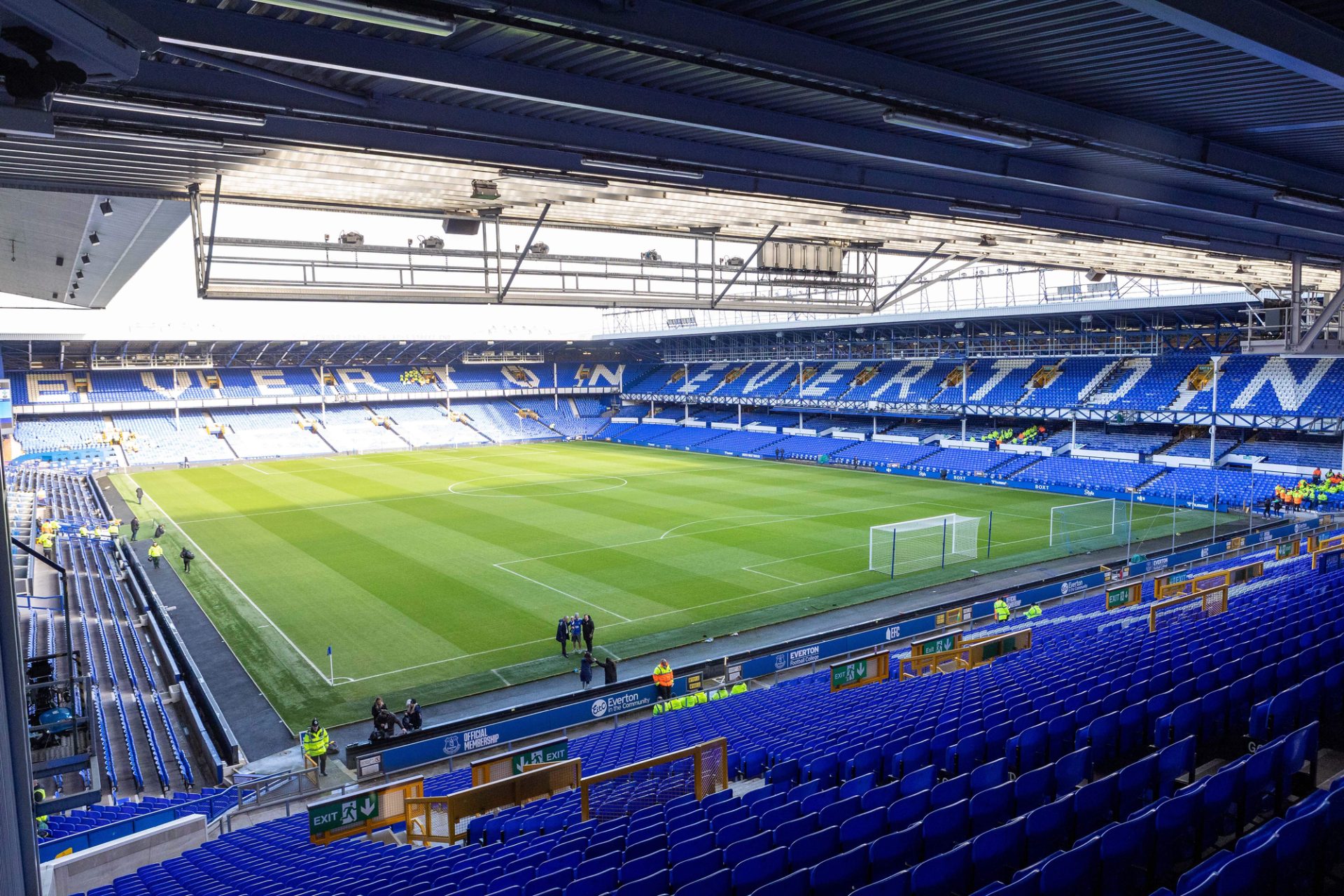
Infantino urges red cards for mouth covering as FIFA targets racism clampdown
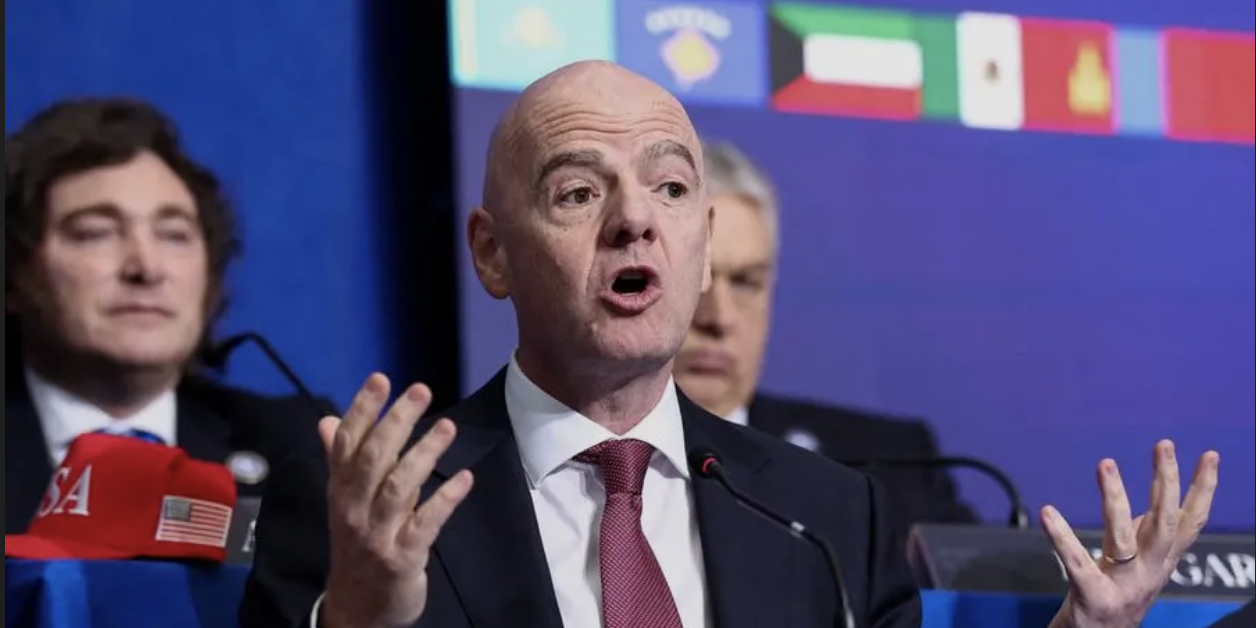
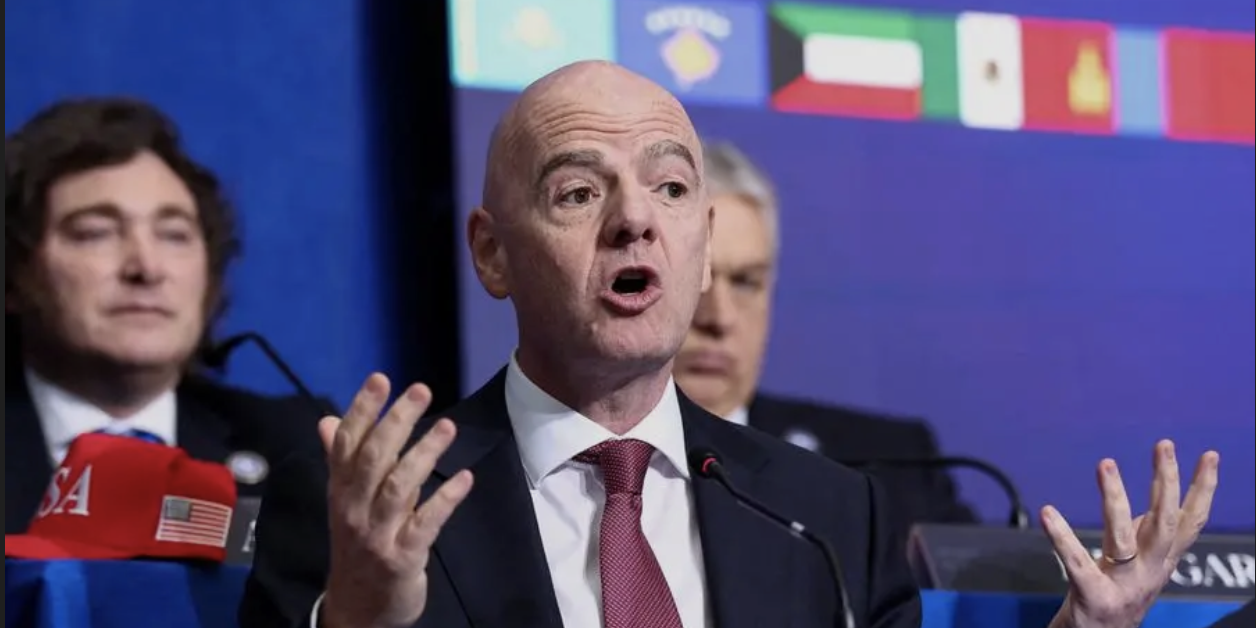
- UEFA president Gianni Infantino calls for players who cover their mouths during confrontations to be sent off.
- Comments follow Vinícius Júnior’s allegation of racial abuse against Benfica forward Gianluca Prestianni.
- FIFA plans rule changes before the 2026 World Cup to prevent players hiding speech on the pitch.
UEFA president Gianni Infantino has called for players who cover their mouths during on pitch confrontations to be shown a red card, arguing there should be a presumption they have said something they should not have.
Infantino’s comments come in the wake of Real Madrid forward Vinícius Júnior alleging he was racially abused by Benfica winger Gianluca Prestianni during their Champions League playoff first leg. Prestianni was seen covering his mouth during the incident and has since been provisionally suspended by UEFA, with an investigation ongoing and a potential ban of up to ten matches if found guilty.
“If a player covers his mouth and says something, and this has a racist consequence, then he has to be sent off, obviously,” Infantino told Sky News. “There must be a presumption that he has said something he should not have said, otherwise he would not need to cover his mouth.”
Infantino said the Prestianni case had highlighted gaps in current disciplinary frameworks.
“There are situations which we did not foresee,” he said. “When you deal with a disciplinary case, you have to analyse the situation and have evidence, but we cannot just be satisfied with that going forward.”
FIFA confirmed this weekend it plans to introduce measures ahead of the 2026 World Cup aimed at preventing players from covering their mouths during confrontations, with proposals discussed at Saturday’s meeting of the International Football Association Board.
English FA chief executive and IFAB member Mark Bullingham backed the move, saying there are very few situations where players need to obscure their speech when addressing opponents.
“You can see when a player is talking to an opponent, there are very few circumstances where they should need to cover their mouth,” Bullingham said. “Measures could be agreed and implemented in time for this summer’s World Cup.”
Next month’s FIFA Congress in Vancouver will be a key staging point in deciding whether the proposals are formally adopted.
Infantino also suggested football should find ways to encourage accountability and cultural change, alongside punishment.
“Maybe we should think not just about punishing, but also about allowing players to apologise,” he said. “You can do things you do not want to do in a moment of anger, then apologise, and the sanction could be different. These are actions we can take to be serious about our fight against racism.”
UEFA’s investigation into the Vinícius and Prestianni incident remains ongoing, with Benfica continuing to deny any racist conduct by their player.
Leave a Comment
More in News
Senegal Plan Trophy Parade Amid Ongoing Afcon Title Dispute
Iran Bans Sports Teams from Travelling to ‘Hostile’ Nations Amid Regional Tensions
Ben White Returns to England Squad After Three-Year Absence, Tuchel Offers Support
Dejan Kulusevski Confirms Knee Is “Great” After Recent Procedure
Jamie Carragher Believes Mohamed Salah Will Prioritise Champions League Glory Over Saudi Move
Trending on Futbol Chronicle
What Is The Club World Cup?
Michael Carrick points to lack of sharpness after Manchester United draw with West Ham