Marcelo Bielsa accepts full responsibility after Uruguay crash out of World Cup
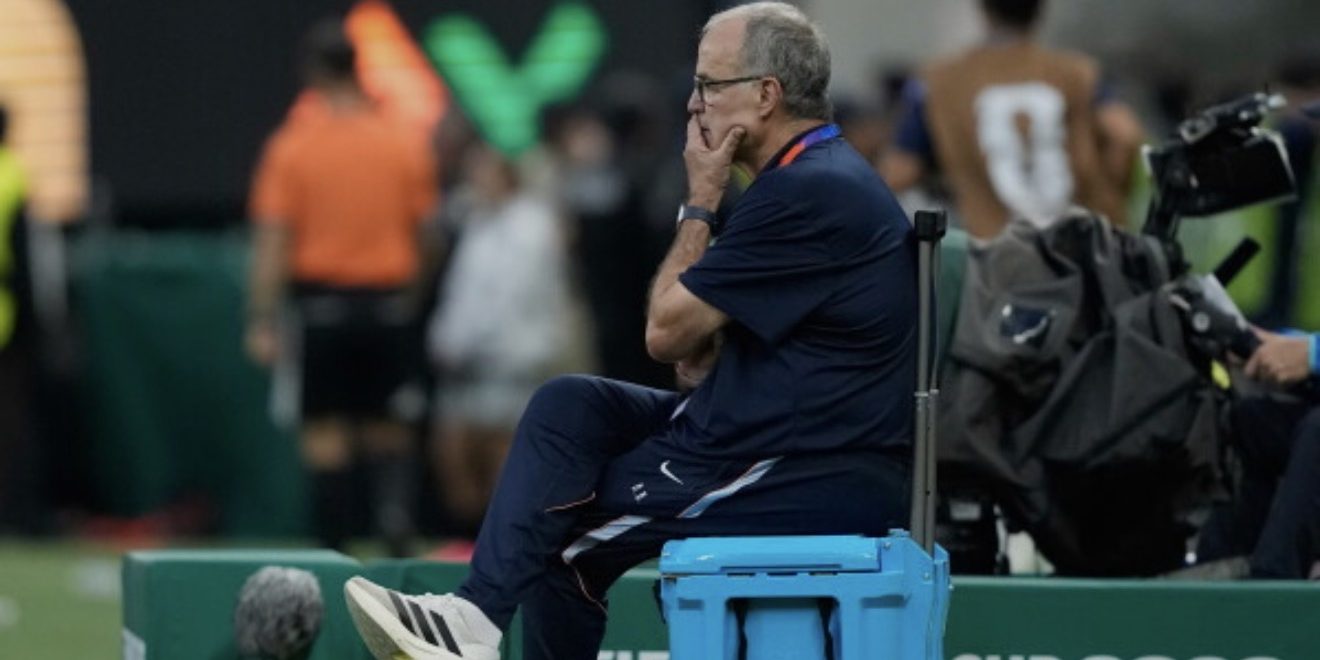

- Marcelo Bielsa admitted he failed Uruguay after their group-stage exit from the 2026 World Cup.
- The veteran coach said disappointing supporters was the most painful part of the campaign as his contract came to an end.
- Bielsa also rejected claims players asked him to change tactics against Spain and addressed reports of dressing room tensions.
Marcelo Bielsa accepted full responsibility for Uruguay’s disappointing group-stage exit from the 2026 World Cup, admitting he had fallen short after his three-year spell in charge ended with the nation’s early elimination.
Uruguay finished their campaign with draws against Cape Verde and Saudi Arabia before suffering defeat to Spain in their final Group H fixture, a result that ended their hopes of reaching the knockout rounds.
Speaking at a news conference in Montevideo on Tuesday, Bielsa said the outcome represented a major personal disappointment and acknowledged he had failed to deliver the results expected by supporters.
“My responsibility for what happened is very clear,” Bielsa said.
“I cannot justify the position we finished in. In short, my management of the players I had was insufficient.
“We did our best, both my colleagues and I, and the players, and it wasn’t enough.
“I am convinced that if I had chosen a different path, we wouldn’t have changed the results we obtained.
“I feel we’ve disappointed the fans, which is a huge frustration. It was completely unexpected that our final position would be what it was, difficult to imagine.
“It’s a fall that no one can admit or tolerate, especially the fans, who are the recipients of what we do.
“This ending is very painful because of the hopes I had when I took on this project, because of how badly it ended.”
Following Uruguay’s elimination, defender Sebastián Cáceres revealed Bielsa held a farewell meeting with the squad before they returned home, although he declined to reveal what was discussed.
“I’m not going to say what was discussed at Bielsa’s farewell,” Cáceres said after arriving back in Uruguay.
“That has to stay between us, as it should have from the very beginning.
“I have the utmost respect for him and a lot of gratitude.”
Bielsa confirmed he regularly met with his players throughout his tenure, saying discussions often focused on tactical preparation, training sessions and reviewing previous performances.
He also revealed the squad had requested shorter meetings, a change he agreed to despite believing his detailed approach was important.
“There was also a request to shorten the talks,” Bielsa said.
“I have my own way of explaining things, and I always opted to give a certain number of talks, but they wanted them reduced, and I agreed.
“The talks I’ve given are group talks about the upcoming opponent, group talks explaining the training exercises to reduce training time, and group talks about previous matches to correct mistakes, which I always believed were important.
“The pain of a defeat that wounds one’s pride cannot be resolved by talking. However, I will try to explain some of the things you ask me, because the only obligation I feel now is not to say anything that isn’t true.
“The concessions I made were because if I hadn’t agreed, it would have been worse. I haven’t been capricious. I received tons of information, I summarized it as much as I could, it didn’t work, and we dropped it.”
Bielsa also dismissed reports suggesting senior players had asked him to alter Uruguay’s tactical approach before the decisive defeat to Spain.
Speculation surrounding the atmosphere within the squad intensified after Inter Miami striker Luis Suárez criticised Bielsa’s management style in 2024, accusing the coach of creating divisions within the group.
“Tomorrow, I ask people not to take it out on the players if something goes wrong,” Suárez said at the time.
“Bielsa has separated the whole group, even in the way they train.”
Reports during the World Cup also claimed players had questioned Bielsa’s tactics, while television cameras appeared to capture tension between the coach and midfielder Federico Valverde during the loss to Spain.
Bielsa rejected those claims.
“Regarding changing the strategy against Spain, more than anything, I could say, I’ll say that it didn’t happen,” Bielsa said.
“And if it had, I wouldn’t be speaking well of the players, but it didn’t happen.
“Observing the match against Spain indicates that we played according to my ideas, which were always the same.”
With Bielsa’s contract now expired, the Uruguayan Football Association will begin the search for a new head coach as preparations turn towards the next international cycle.

Leave a Comment
More in News

Tonda Eckert Keeps His Job as Southampton Boss After a Six-Week Ban and £28,000 Fine Over Spygate

At 41, Cristiano Ronaldo Demands Harsher Punishment for Himself After Walking Out on Portugal Training Camp

Ramon Vega Played for Tottenham and Celtic, and Now He Wants Gianni Infantino’s Job as Fifa President
Manchester City’s £830m Guilty Verdict Could Still Face UEFA Action in 2027
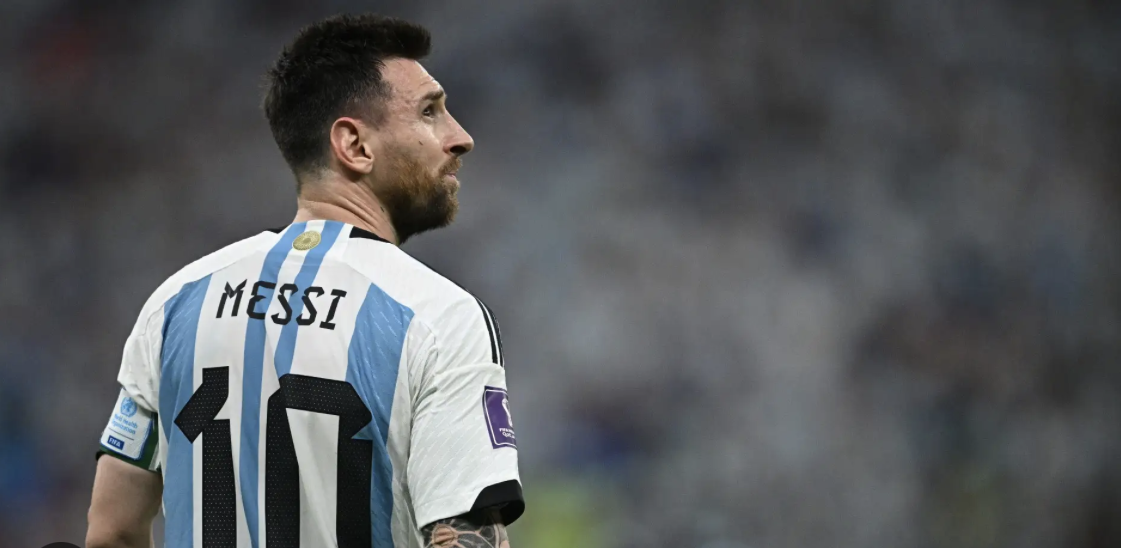
Lionel Messi Plays His Last Match for Argentina While Building a $1.1 Billion Empire
Trending on Futbol Chronicle
Celta Vigo postpones LaLiga opener after fungus outbreak damages stadium pitch
Why Soccer Is The Best Sport
What Is The Club World Cup?
What Is Offsides in Soccer? The Offside Rule Fully Explained