Moyes Says Everton Supporters Are Not Wrong to Fear Losing Harrison Armstrong
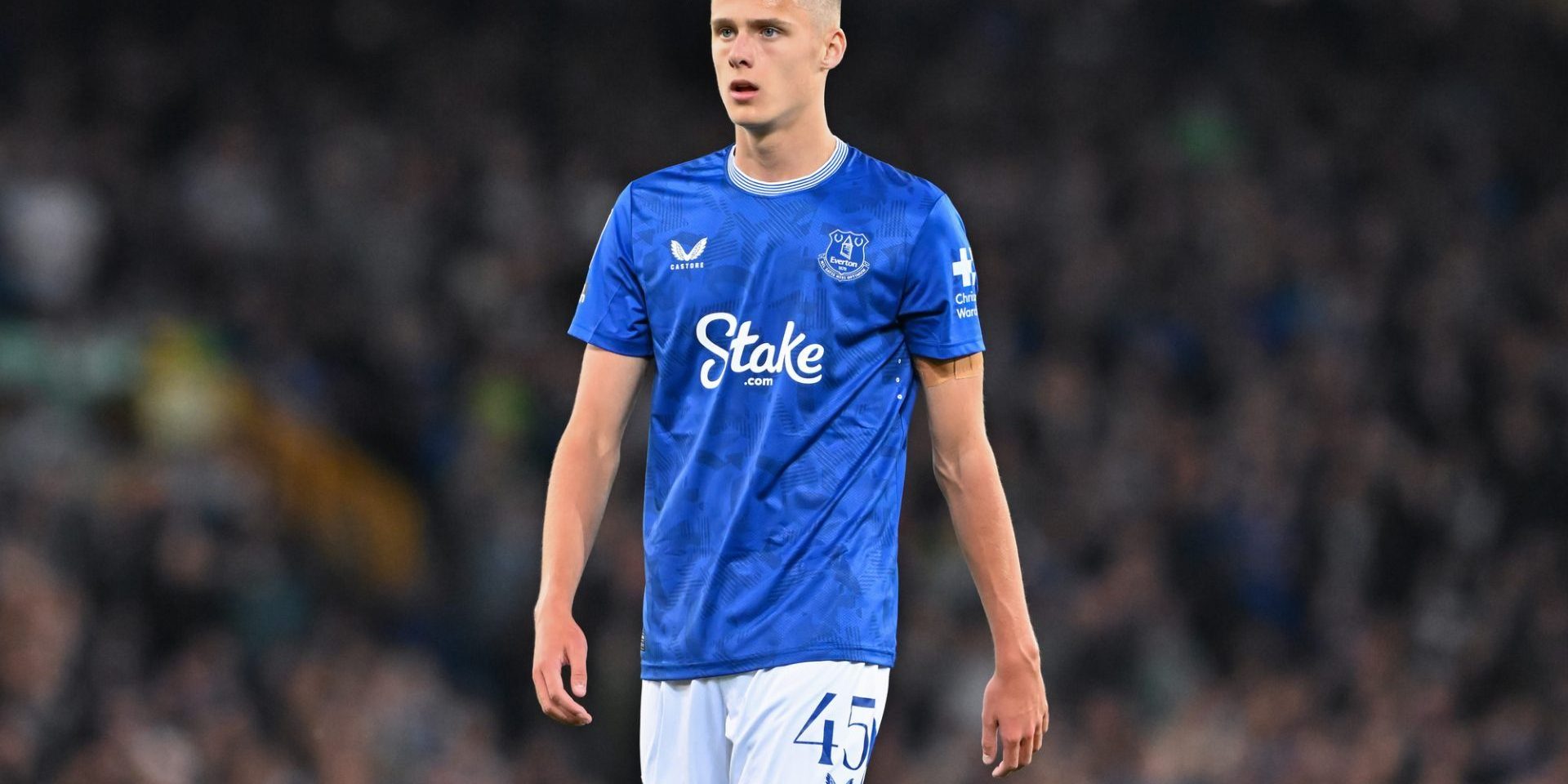

Table of Contents
Everton’s travelling supporters spent Saturday afternoon chanting that there would be “a riot” if the club sold Harrison Armstrong. David Moyes was not about to tell them they were being unreasonable.
“Supporters aren’t always wrong,” the Everton manager said, after news broke that Nottingham Forest had lodged a £40m bid for the 19-year-old midfielder as the 1-1 draw at Bournemouth was still being played. Armstrong started the game and played 87 minutes before he was replaced by Charly Alcaraz, unaware, like everyone else inside Vitality Stadium, quite how loudly his own future would be discussed before full time.
A prospect too good to lose easily
Armstrong is regarded as one of the brightest players to emerge from Everton’s Finch Farm academy in recent years, and the England Under-19 international has made 24 appearances for the club. Forest’s interest is genuine, and with Oliver Glasner’s side already in the market for reinforcements this deadline week, the £40m offer is being taken seriously inside Goodison Park.
Moyes chose his words carefully when asked to weigh in on the growing anger among supporters, name-checking two of the toughest decision-makers he worked under earlier in his career.
“I think you always have to consider supporters; supporters aren’t always wrong,” Moyes said. “But then there are also times where I’ve had people at clubs who are really powerful and make difficult decisions.
“I’d bring into that Bryan Gray, who was at Preston North End, and Sir Philip Carter, who was at Everton when I first came in. Not all decisions are popular, and sometimes they have to do it for different reasons.
“Managers have to make decisions on players sometimes and they feel like huge decisions. But there are sometimes bigger decisions to be made and the club will, I’m sure, make what they think is the right one.”
Asked what message he would give the club’s own supporters, Moyes turned the question back on his own identity.
“If I’d say something to them, I’d say their manager’s an Evertonian,” he said.
A club decision, Moyes insists
Moyes was careful not to pre-empt where Armstrong’s future lies, stressing that any outcome would rest with the club’s American owners, The Friedkin Group, rather than with him.
“It’s not really a question for just now. It will be a club decision,” he said.
That answer arrived after weeks of Moyes openly voicing frustration about the club’s business this summer. He made his feelings clear after Everton’s 4-0 Carabao Cup win at Championship side Preston in midweek, saying he wanted reinforcements before the window shuts. The club have spent more than a year searching for a replacement for right-back Seamus Coleman without success, and the prospect of losing one of their own academy products rather than adding to the squad would sit awkwardly with that message.
Moyes went further still when he questioned whether the transfer window should remain open once the season has already started, a rule he has lived under for the entirety of his long Premier League career.
“For all the years I’ve been in the Premier League this is probably the first time I’ve thought it was really a nonsense we’re still playing games when the window is still open,” he said. “It feels like we’d have been better off just getting it shut.
“Maybe it’s just the way I am at the moment, I might feel better on Tuesday, but just at the moment it just leaves too much open, too much talk, mainly from the media.”
Rooney, Arteta, Lescott and now Armstrong
Moyes, who is in the final year of his Everton contract, reached back through his own history at the club to explain how he processes moments like this one.
“If I look back over the years, back to Wayne Rooney, Mikel Arteta, Joleon Lescott, players at Everton I didn’t want to lose, more recently Declan Rice at West Ham, sometimes it’s part of the journey and you have to rebuild,” he said.
The list is a reminder that Everton have lived through this cycle before, developing or signing outstanding young players only to lose them once their value became too tempting to turn down. What has changed under The Friedkin Group’s ownership is the scale of ambition attached to the club’s new stadium and its stated aim of competing higher up the table, which is precisely why a sale to a direct rival like Forest would sting more than most.
Why Forest, of all clubs, would hurt
Everton’s supporters have grown used to seeing their best players picked off by clubs at the top of the Premier League. Iliman Ndiaye, the club’s main creative outlet in recent seasons, has already been heavily linked with a move to Manchester City this summer. That kind of departure, painful as it is, at least carries the logic of losing a player to a bigger stage.
Forest, an established Premier League club now rebuilding under Glasner, represent something different. Losing Armstrong to a club Everton’s supporters would expect to compete with, rather than lose to, would raise uncomfortable questions about the scale of TFG’s own ambitions just as the club tries to convince its fanbase that things are changing at the top for real.
Nothing has been decided yet. As things stand there is no indication Everton will accept Forest’s offer, and the size of the fee, £40m for a teenager who has made just 24 senior appearances, suggests the club could reasonably resist it if they choose to. But the noise inside Vitality Stadium on Saturday, and Moyes’ refusal to dismiss it, both point to a squad and a support base bracing for a decision that could define the final days of the transfer window.
A deadline that will define the week
The transfer window for Premier League and EFL clubs closes at 23:00 BST on Tuesday, 1 September. Whatever Everton decide about Armstrong will need to happen before then, and Moyes has made no secret of wanting the whole subject settled so his squad can focus purely on matches again. With little more than two days left before the deadline, either Forest will need to move quickly to convince Everton to sell, or the club will need to make clear to their own supporters, and to Armstrong himself, that no deal is going to happen at all.
For now, the loudest voices on the subject are not coming from the boardroom but from the away end at Bournemouth, where a group of Everton supporters made their feelings about losing their brightest academy product unmistakably clear. Moyes, for his part, has made it just as clear that he understands exactly why.
The academy product Everton built their hopes around
Armstrong’s rise through Finch Farm has been watched closely by Everton supporters starved of home-grown talent making the step up to first-team football in recent years. His performances at England Under-19 level have added to the sense that he represents something the club cannot easily replace with a transfer fee, however large.
The draw at Bournemouth itself, secured by a late Tarkowski strike, offered a reminder of why Moyes wants his squad strengthened rather than weakened before Tuesday’s deadline. Everton were made to work hard for a point away from home, and losing a player of Armstrong’s profile in the middle of a title challenge for Champions League places, or any push to move up the table, would run directly against everything Moyes has said he wants from this window.
Ndiaye’s situation adds to the pressure
Armstrong is not the only academy graduate whose future is being discussed as the deadline approaches. Iliman Ndiaye, who has become Everton’s most important creative outlet over the past two seasons, has been strongly linked with a move to Manchester City this summer. Should both players leave in the same window, Everton would be entering the second half of the season with two fewer of their most talented and most homegrown performers, at a time when Moyes has repeatedly said he wants reinforcements rather than departures.
The situation leaves The Friedkin Group facing a defining moment in their ownership of the club, one that will say a great deal about how they intend to run Everton going forward. Backing Moyes with fresh signings while resisting bids for players like Armstrong would send a clear signal of intent to a fanbase already growing restless. Selling one of their most promising academy products to a club they would expect to be competing with, rather than supplying, would be much harder for the ownership to explain away, however the fee is dressed up.

Leave a Comment
More in News

Lisandro Martinez Apologises and Is Fined After Criticising Manchester United Hierarchy
Gareth Southgate Rules Out Premier League Return, Says He Stopped Enjoying Wins

Jadon Sancho Gets Formal Getafe Offer Five Years After £73m Move

Woman Cooks Ground Beef From Grocery Store. Something In The Pan Catches Her Eye—So She Throws It All Away: ‘At Least You Know It’s Real’

Antoine Semenyo Froze After Alleged Racist Abuse at Anfield, Court Hears
Trending on Futbol Chronicle

What Is Offsides in Soccer? The Offside Rule Fully Explained
Celta Vigo postpones LaLiga opener after fungus outbreak damages stadium pitch
Michael Carrick points to lack of sharpness after Manchester United draw with West Ham

The Best Soccer Players of All Time: The 10 Greatest Ever Ranked