Rui Pinto, Man City Leaks Source, Set to Lose Police Protection
Table of Contents
- Rui Pinto, the Portuguese hacker whose leaked documents helped trigger the Premier League investigation into Manchester City, says he is losing his place in Portugal’s witness protection programme on 10 October.
- Pinto says the decision has left him facing “multiple death threats” and “the serious risk of an assassination attempt,” forcing him to relocate to an undisclosed location.
- Days earlier, Pinto accused FIFA president Gianni Infantino of becoming “a cancer on football” and repeated 2018 claims that Infantino helped City and Paris St-Germain dodge UEFA financial penalties.
The Man Who Handed Over the Documents Is the One Now Asking for Protection
Rui Pinto spent years inside other people’s inboxes. Now he says he cannot walk the streets of his own country.
The 37-year-old Portuguese computer hacker built Football Leaks into one of the most consequential whistleblowing operations European sport has seen, and the documents he passed to German magazine Der Spiegel in 2018 became the foundation of the Premier League’s case against Manchester City over breaches of financial fair play rules. Last week, City were found guilty of all charges relating to breaches of the Premier League’s financial regulations between the 2009-10 and 2017-18 seasons. The club is appealing.
Pinto will not get to watch that appeal play out with any protection in place. He posted on X on Friday that Portugal’s decision to terminate his participation in its witness protection programme on 10 October has put him in a “life-threatening situation.”
A Programme Built to Keep Him Alive Is Ending in Days
Pinto joined Portugal’s witness protection programme in 2020 after agreeing to cooperate with authorities and hand over the files obtained through Football Leaks. The arrangement gave him a measure of safety while prosecutors, journalists and football’s governing bodies worked through the material he had taken, material that reached into the finances of some of the richest clubs on the continent.
That arrangement ends this month. Pinto said the decision has left him with no alternative but to relocate to an undisclosed location for an indefinite period, citing “multiple death threats” and “the serious risk of an assassination attempt.”
A statement from his lawyers released on Friday said ending his place in the programme has left him at heightened risk, pointing out that legal proceedings stemming from the leaks remain ongoing, including the case against Manchester City. Pinto has also set up a fundraising page to help him, in his words, “survive this serious situation,” which he says was “created by the Portuguese State.”
BBC Sport has approached Portugal’s Commission for the Protection of Victims of Crimes for comment.
Convicted, Acquitted, and Still the Man Who Knew Too Much
Pinto’s own legal record complicates any clean story of hero and villain, and that is part of why his case divides opinion. He calls himself a whistleblower, but Portuguese courts convicted him of offences including illegal access to data and attempted extortion, handing him a four-year suspended sentence. He wore a bulletproof vest to his first trial in 2020, which was held under heightened security measures of its own.
Earlier this year he was acquitted in a second trial on 241 counts of illegally accessing email accounts belonging to a number of Portuguese sports bodies, including Benfica. The split verdicts capture the contradiction at the centre of his case: a man punished by the courts for how he obtained information that those same courts, along with regulators and journalists across Europe, later relied on to build cases of their own.
That contradiction is exactly why his protection mattered in the first place. A government does not typically shield someone it has convicted of extortion unless it judges the risk to that person’s life to be real, and unless the information that person holds is still considered too dangerous, to too many powerful interests, to simply let go.
Why Pinto Picked a Fight With Infantino Days Before Losing Protection
On Wednesday, days before the protection deadline, Pinto turned his attention to FIFA president Gianni Infantino, saying he had “become a cancer on football” and should “have no place in the future of the game.”
He repeated allegations first made in 2018 that Infantino had intervened to help Manchester City and Paris St-Germain avoid financial fair play sanctions from UEFA, European football’s governing body. The timing is not incidental. Infantino’s position has come under increased pressure recently over controversial plans to sell stakes in FIFA’s own competitions, including the World Cup, to private investors, and Pinto’s intervention adds a direct, personal accusation to a debate that has so far mostly played out in boardrooms and governance reports rather than in public statements from the people who were actually in the room.
It is hard to separate that accusation from Pinto’s own predicament. A man who says he is about to lose the protection keeping him alive has little left to lose by naming the most powerful person in world football, and everything to gain if the accusation forces fresh scrutiny onto a case he has spent years trying to keep open.
The Case That Will Not Close
Manchester City’s guilty verdict was supposed to be the moment the Football Leaks saga reached some kind of conclusion, seven years after Pinto first handed his files to Der Spiegel. Instead, City’s appeal keeps the legal process open, and Pinto’s own position keeps the human cost of exposing it in view at the same time.
The two stories have been bound together from 2018 onward, and they remain bound together now. City are arguing, through lawyers, that the Premier League’s finding should be overturned. Pinto is arguing, through a fundraising page and a statement from his own lawyers, that the Portuguese state should not be allowed to walk away from protecting the man whose work made that Premier League finding possible in the first place.
What Happens Next
Nothing about Pinto’s case is settled. Manchester City’s appeal against its guilty verdict is ongoing. The Commission for the Protection of Victims of Crimes has not yet responded publicly to the BBC’s approach for comment. Pinto says he will relocate to an undisclosed location once his protection ends on 10 October, with no fixed date for when, or if, it might resume.
What is clear is the position Pinto now occupies. The documents he took from football’s back offices reshaped how one of the richest clubs in the world is regulated, and briefly put Infantino’s own conduct under scrutiny. The protection built around the man who did that is set to disappear within days, and he has nowhere official left to turn other than a public fundraising page and a lawyer’s statement.
For a sport that spent the past two weeks arguing over what Manchester City’s punishment should look like, the fate of the man who supplied the paper trail has stayed a quieter story. It might not stay that way if the threats he describes turn into anything more than words on a page, and a decision taken in a Lisbon government office in the next week could end up being the most consequential outcome of the entire Football Leaks affair, long after the arguments over City’s points totals and trophy record have been settled one way or another.

Leave a Comment
More in News

Heimir Hallgrimsson Says UEFA Must Act After Ireland and Israel’s 1-1 Draw Was Marred by a Spitting Allegation

Andy Robertson Reached 100 Caps for Scotland, a Mark Only Kenny Dalglish Had Hit Before Him, as Sebastien Pocognoli Finally Got His First Win

Rodri Studied Business by Day, Played for Villarreal by Night

Jack Wilshere Spotted a 13-Year-Old Max Dowman and Now Manages Luton Where His Own Career Began

Cavan Sullivan, 17, Became USA’s Youngest Ever Goalscorer While Man City’s Transfer Hangs in Doubt
Trending on Futbol Chronicle
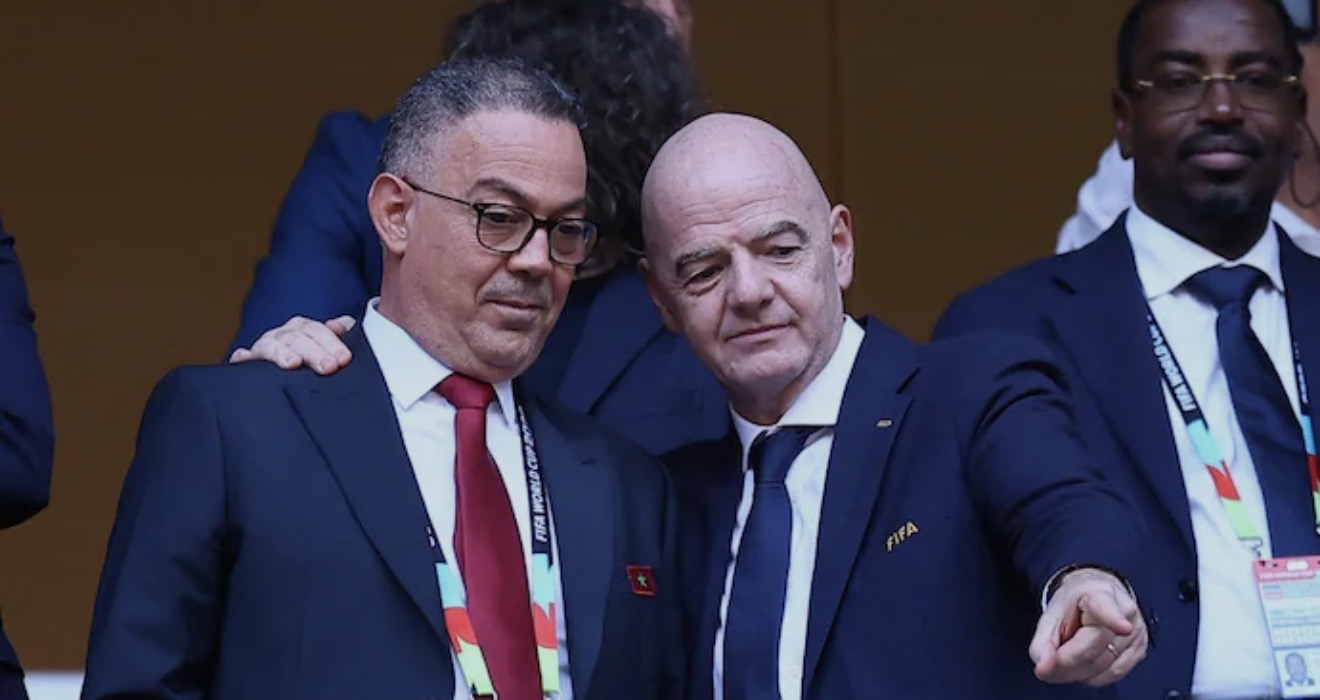
Arab football federations back Gianni Infantino as FIFA president faces growing opposition
Michael Carrick points to lack of sharpness after Manchester United draw with West Ham
The Best World Cup YouTubers to Follow in 2026
Cristian Romero completes €40m move from Tottenham to Atlético Madrid