Six Argentine Coaches Lead Teams at This World Cup and One Man Shaped Them All
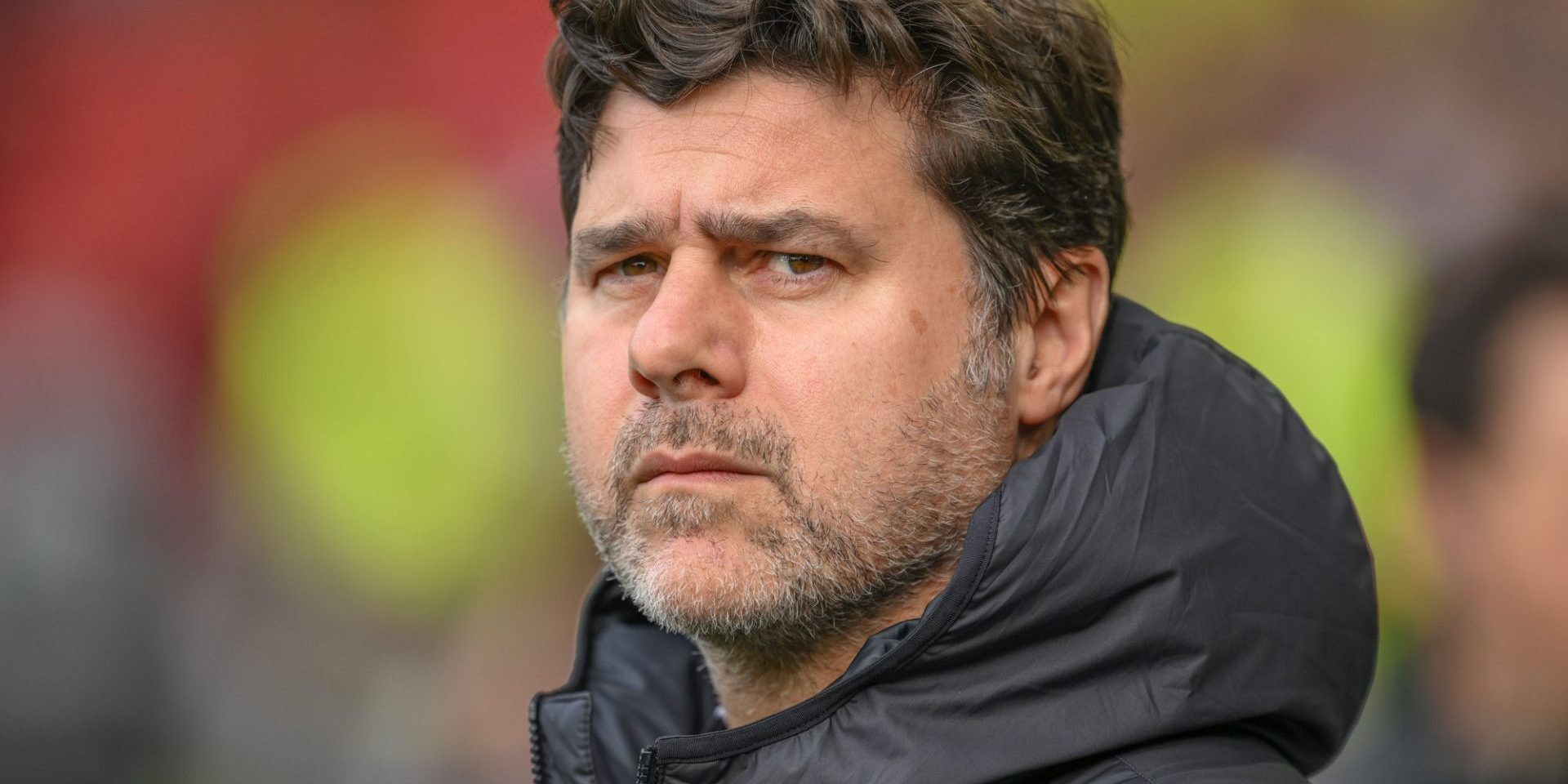
Table of Contents
When the United States ran out against Paraguay in their World Cup opener, two Argentine coaches stood in opposing technical areas. Mauricio Pochettino led the hosts; Gustavo Alfaro guided Paraguay. Neither manages Argentina, yet both are products of the same footballing culture, raised on the same ideas, shaped by the same restless obsession with how the game should be played. That single touchline is a window into one of the most remarkable quiet facts of this World Cup. Argentina has sent six coaches to the tournament, only one of them in charge of Argentina.
Lionel Scaloni leads the defending champions. Marcelo Bielsa has Uruguay. Pochettino has the United States. Alfaro has Paraguay. Nestor Lorenzo manages Colombia, and Sebastian Beccacece takes Ecuador. Six nations, six Argentine voices, all drawing on a tactical inheritance that traces back to one demanding, eccentric figure who never won a major international trophy himself.
The Man Who Started It All
Marcelo Bielsa is the strangest kind of influential. His honours list is thin compared to his reputation, yet ask the best coaches in the world who shaped them and his name appears again and again. Pep Guardiola once called him the finest manager on the planet. Diego Simeone, Pochettino and a generation of Argentine and South American coaches absorbed his methods, his intensity, and above all his conviction that football is a problem to be solved through relentless preparation.
Bielsa earned the nickname “El Loco” for the depth of his fixation. He is famous for watching hundreds of hours of video, for dissecting opponents in forensic detail, and for demanding a brand of high-pressing, vertical, attacking football that asks enormous physical and mental commitment of his players. Many who worked under him describe the experience as exhausting and formative in equal measure. They did not all enjoy it. Almost all of them carried it with them into their own careers.
That is the essence of a coaching tree. Ideas do not stay still. They pass from mentor to pupil, get adapted, diluted, sharpened, and reinterpreted, then planted again somewhere new. Bielsa’s original concept, formed in Argentina in the 1990s, has spread so far that it now bears fruit on benches across North America in 2026, often through coaches who never formally worked under him but grew up inside the football culture he helped define.
Pochettino and the American Experiment
Pochettino is perhaps the purest carrier of the Bielsa flame at this World Cup. He played under Bielsa at Newell’s Old Boys as a young defender and has spoken openly about how those years formed his entire understanding of the game. The pressing, the emphasis on intensity, the belief that a team must impose itself rather than react, all of it can be traced directly to his old mentor.
Taking the United States job was one of the boldest moves of his career. He inherited a talented but inconsistent squad and was charged with turning it into a side capable of doing something serious on home soil. The 4-1 dismantling of Paraguay suggested the project is taking shape, and the fingerprints of his football education were visible in the way the Americans pressed and attacked with purpose. When his team meets a side built on different principles, it becomes a contest of ideas as much as players.
For U.S. Soccer, hiring an Argentine schooled in the Bielsa tradition was a statement of ambition. The federation wanted a coach who would not simply manage talent but instil an identity, a recognisable way of playing that could outlast any single tournament. Whether it delivers a deep run remains to be seen, but the early signs are that Pochettino has given the hosts a clear footballing personality.
Bielsa Himself, Back on the Biggest Stage
The master is here too. Bielsa returns to the World Cup with Uruguay, a nation whose football culture suits his temperament well. Uruguayans pride themselves on intensity, sacrifice and a refusal to be intimidated, qualities that align neatly with their coach’s demands. Watching Bielsa direct a World Cup team again, decades after he first emerged, is one of the tournament’s understated pleasures.
There is a neat symmetry in the old teacher and his most famous pupil both leading teams in the same competition, on opposite sides of a potential bracket. Football rarely arranges its stories so tidily. If Uruguay and the United States were ever to meet in the knockout rounds, it would pit Bielsa against Pochettino, the source against the stream, a fixture loaded with personal history that few neutrals would fully appreciate from the outside.
The Wider Argentine Web
Beyond Bielsa and Pochettino, the Argentine presence runs deep. Alfaro, a vastly experienced coach who previously took Ecuador to a World Cup, now has Paraguay punching toward respectability. Lorenzo has built a cohesive, well-drilled Colombia. Beccacece, younger and more recently emerged, carries the modern Argentine emphasis on pressing and positional play with Ecuador. Scaloni, of course, oversees the world champions, having already proven he can blend structure with the freedom that lets Lionel Messi shine.
What unites them is not a single rigid system but a shared football upbringing. Argentine coaching is famous for its intellectual seriousness, its endless tactical debate, its cafe culture of arguing about formations and pressing triggers late into the night. Coaches who emerge from that environment tend to be obsessive students of the game, comfortable imposing detailed plans and unafraid to demand a great deal from their players. Exporting that mindset has become one of Argentina’s most successful cultural products.
It is worth noting that these coaches do not all play the same way. Scaloni is more pragmatic than Bielsa, willing to sit deeper and counter when the situation calls for it. Lorenzo favours organisation. The tree has many branches, and each manager has adapted the inheritance to his own personality and the players at his disposal. That variety is itself a sign of a healthy coaching culture rather than a single dogma repeated without thought.
Why This Should Fascinate the Neutral Fan
For supporters who love the tactical side of football, this World Cup is a living seminar. Every time one of these Argentine-schooled coaches sets up a team, you can read the lineage in the choices. The high defensive line, the aggressive pressing, the insistence on winning the ball back quickly, these are not accidents. They are inherited instincts, refined over decades and now on display across multiple national teams at once.
It also says something about how football knowledge travels in the modern era. A set of ideas born in provincial Argentina has reshaped how teams from North and South America approach the game, carried not by any formal academy but by the personal influence of mentors on the students who watched and learned. Long after Bielsa retires, his thinking will keep surfacing in dugouts around the world, passed down through coaches who may never have met him.
One Idea, Six Benches
The 2026 World Cup will be remembered for many things, but the Argentine coaching invasion deserves its own footnote. Six managers from one nation, shaped by one shared culture and one influential figure in particular, leading six different countries on the sport’s biggest stage. It is a testament to the depth of Argentine football thinking that runs far beyond the brilliance of its players.
When you next watch the United States press high, or Uruguay hunt the ball in packs, or Paraguay defend with organised aggression, remember where it began. One demanding coach in Argentina, scribbling notes and watching tape, planted ideas that have now grown into a forest. The players win the matches, but the way they play often traces back to the same root. At this World Cup, that root is wearing six different shirts.

Leave a Comment
More in News
Mourinho Blasts Referee After Atletico Avoid Two Red Cards in Madrid Derby

Cole Palmer Withdraws From England Squad as Gibbs-White Returns Again
Marseille Fans Turn on Owner McCourt as Gomes Can’t Prevent Fifth Straight Loss

Juventus Fans Turn Backs on Silence for Mazzola, Club Slams ‘Lack of Respect’

Trent Alexander-Arnold Returns to the England Squad for the First Time in Over a Year, and Cole Palmer Is Back Too After Their World Cup Snub
Trending on Futbol Chronicle

Map of All the Premier League Teams for 2025/26
Mikel Arteta backs ‘warrior’ Bruno Guimarães to make Arsenal stronger
What Is Offsides in Soccer? The Offside Rule Fully Explained
Michael Carrick points to lack of sharpness after Manchester United draw with West Ham